White Millet Bird Food- The Ultimate Guide to Feeding Birds 2026
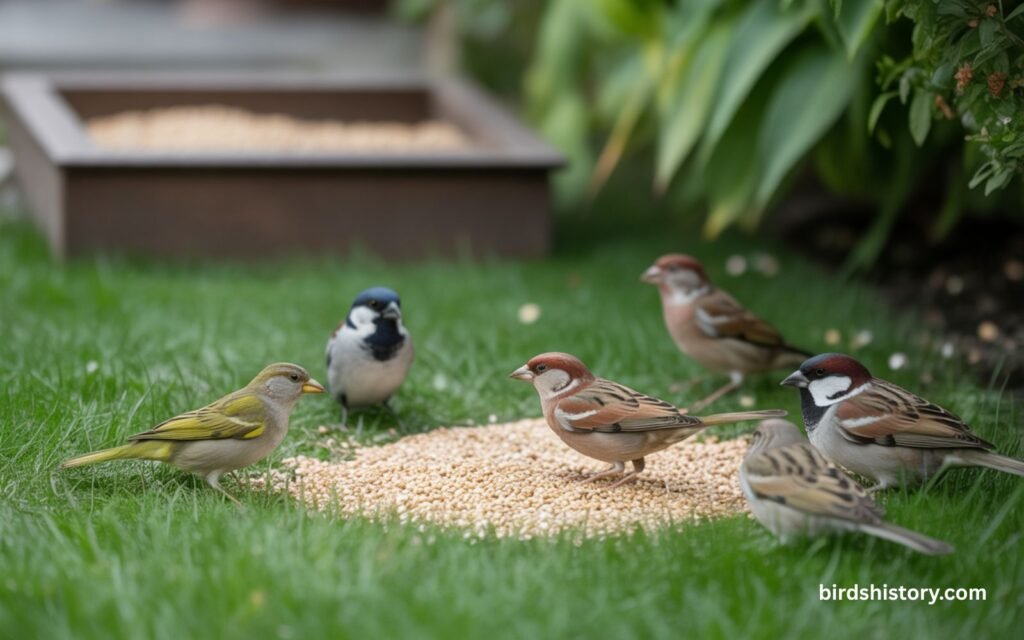
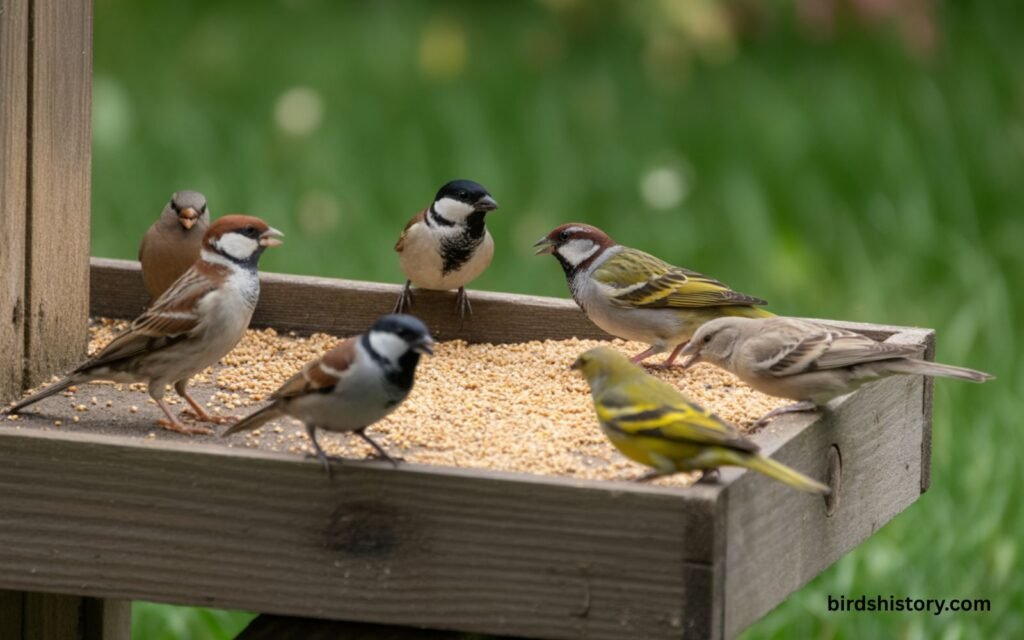
White millet bird food is one of the most popular choices for attracting wild birds and backyard birds to gardens across the USA. Its small, round seeds are easy for ground-feeding birds like sparrows, doves, and quail to pick up, while seed-eating birds such as finches and canaries enjoy it in feeders. The mild taste and digestibility make it ideal for both caged birds and free-roaming garden visitors. By offering white millet, bird enthusiasts can encourage foraging behaviour, support bird nutrition, and create a safe, inviting environment that attracts a wide variety of species year-round.
The Nutritional Benefits of White Millet for Birds
White millet bird food is rich in essential nutrients that support bird health year-round. It contains calcium and phosphorus for birds, which strengthen bones and muscles, and magnesium for feathers and beak health, supporting growth and feather maintenance. Potassium for heart health ensures cardiovascular stability, while dietary fibre for gut health aids digestion. Proteins in white millet contribute to proteins for flying muscles, keeping birds active and energized.
Here’s a breakdown of the key nutrients in white millet bird food:
| Nutrient | Role in Birds | Birds Benefiting Most |
|---|---|---|
| Calcium & Phosphorus | Strong bones and muscle development | Caged birds, finches, canaries |
| Magnesium | Feather growth, beak health | Hookbills, sparrows, doves |
| Potassium | Heart and nerve function | Migratory birds, backyard birds |
| Dietary Fibre | Aids digestion and gut health | Ground-feeding birds, quail |
| Protein | Supports flying muscles and energy | All seed-eating birds |
Regular feeding with white millet supports growth, feather regeneration during bird moulting, and overall vitality. Its energy content is also ideal for migratory birds, helping them maintain stamina during long journeys.
How White Millet Helps Train Healthy Eating Habits
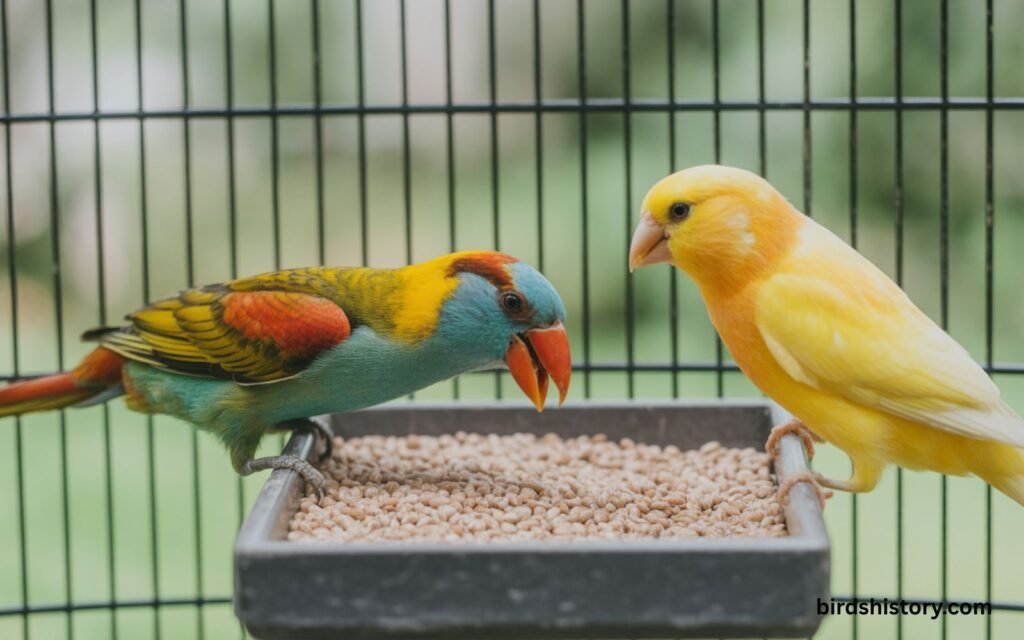
Encouraging Healthy Eating in Birds – Many caged birds develop a preference for oil-rich seeds, leading to seed and nut addiction in caged birds. White millet bird food provides a lower-fat alternative that is highly palatable. Gradually introducing it encourages birds to accept a variety of seeds, promoting bird dietary diversity and supporting healthy eating habits in birds.
Reducing Selective Feeding – Birds like finches, canaries, and hookbills often pick only their favorite seeds. Including white millet in their diet encourages them to diversify their intake. By stimulating foraging behaviour, birds become less picky, and caged or backyard birds gain all the essential nutrients required for healthy growth and feather quality. White millet can serve as a bridge for weaning young birds onto a balanced diet.
Feeding Methods: How to Offer White Millet Safely
Proper feeding is essential for bird health. In-cage feeding strategies involve using tray feeders, tube feeders, hopper feeders, or open feeders. Ensuring proper drainage is critical to maintain feeding station hygiene and prevent mold. Allowing birds to de-husk seeds naturally stimulates foraging behaviour and slows their intake, preventing overeating.
Here’s a table summarizing feeding methods with recommended bird types:
| Feeding Method | Best For Birds | Notes |
|---|---|---|
| Tray feeders | Caged birds, hookbills, finches | Use proper drainage to prevent mold |
| Tube feeders | Small seed-eating birds | Allows slow feeding, reduces waste |
| Hopper feeders | Canaries, backyard birds | Ideal for larger seed portions |
| Low platform feeders | Ground-feeding birds, sparrows, quail | Encourage natural foraging |
| Open feeders | Migratory birds, doves | Place near shrubs for protection |
| Home-baked millet treats | Caged birds, finches, hookbills | Promotes mental stimulation and enrichment |
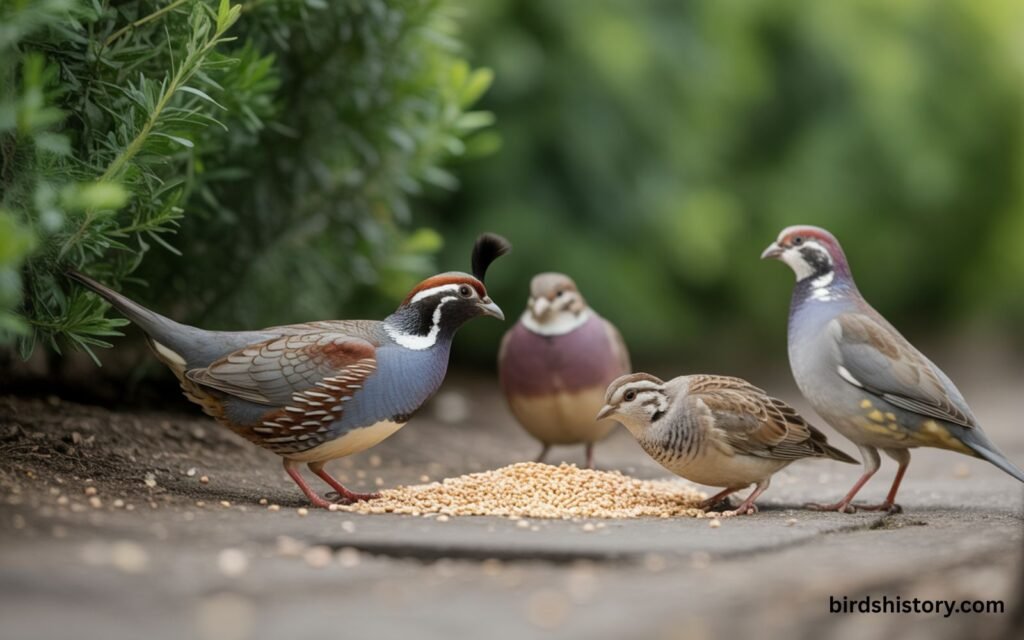
Millet for ground-feeding birds works best when scattered near shrubs or cover. This method attracts migratory birds and encourages natural behaviors while providing easy access. Home-baked millet treats like seed blocks or millet bars enrich a bird’s diet while limiting overfeeding.
Seasonal Feeding Tips
Feeding white millet bird food requires seasonal adjustments to support bird health. In summer, birds need hydration alongside energy. Offering millet with soft fruits or vegetables ensures they receive water, vitamins, and minerals. Maintaining feeding station hygiene prevents bacterial or fungal growth during warm months.
In winter, white millet bird food provides carbohydrates to maintain warmth and activity. Mixing it with suet or high-fat seeds supports endurance for migratory birds and resident garden birds. Place feeders near shrubs or low platforms to protect birds from predators and harsh weather. These seasonal feeding tips help ensure your birds remain healthy and active all year.
How to Attract More Wild Birds to Your Garden
Placement and Visibility – The placement of feeders affects how many wild birds visit. Low platforms or scattered ground feeding near shrubs appeal to ground-feeding birds. This setup provides safety and encourages more species to feed freely.
Combining White Millet with Other Seeds – Pairing white millet bird food with sunflower or safflower seeds attracts a larger variety of species. Migratory bird attraction increases when multiple high-quality seeds are offered. Creating a diverse feeding environment ensures consistent visits from backyard birds and garden birds.
Creating a Bird-Friendly Environment – Add water, shrubs, nesting boxes, and natural cover to encourage birds to stay. Providing white millet bird food in these areas ensures both wild birds and caged birds enjoy safe, nutritious meals, supporting their natural behaviors and overall well-being.
Sourcing and Selecting High-Quality White Millet
Selecting sourcing quality millet is essential for bird safety. Choose white millet bird food from trusted suppliers. Grains should be shiny, free of dust, chemicals, and pesticides. Only mould-free millet should be offered to prevent respiratory problems or digestive issues in birds.
Proper storage in airtight containers in cool, dry areas preserves quality. Regular inspection prevents contamination and supports optimal bird nutrition. High-quality white millet ensures that caged birds, garden birds, and migratory birds receive safe, healthy food every day.
Common Mistakes to Avoid When Feeding White Millet
Overfeeding white millet can harm bird health. Offering too much leads to waste, mold, and unhealthy habits. Poor storage allows moisture and pests to ruin grains. Feeding millet to inappropriate species, like nectar or insect-eating birds, may disrupt their bird dietary diversity.
Maintaining proper feeding station hygiene ensures birds stay healthy. Monitor intake and adjust amounts depending on the number of visiting backyard birds or ground-feeding birds. Avoiding overfeeding millet promotes natural foraging and encourages birds to consume a balanced diet.
Homemade White Millet Recipes for Birds
Home-baked millet treats enrich birds’ diets while supporting bird nutrition. Millet bars made with white millet bird food, nuts, dried fruits, or gelatin stimulate foraging behaviour and reduce boredom. Seed blocks combining millet with other grains offer variety and encourage bird dietary diversity.
Millet balls made from white millet and nuts provide high-protein treats for caged birds and garden birds. These can be hung in mesh feeders or placed on low platforms to encourage natural foraging habits. Homemade recipes allow control over ingredients, supporting bird health while maintaining safe feeding practices.
Combining White Millet with Other Bird Foods
Combining white millet bird food with suet offers energy-rich meals during winter. Pairing it with sunflower seeds balances carbohydrate and fat intake, providing bird nutrition for migratory birds and backyard birds.
Adding fresh fruits and vegetables alongside millet enhances hydration, vitamins, and minerals. This combination promotes bird dietary diversity, supports bird moulting, and keeps birds energized. Mixing foods encourages natural behaviors and ensures that caged birds and ground-feeding birds receive complete nutrition.
Observing and Understanding Bird Behavior Around White Millet
Watching which birds consume white millet helps refine feeding strategies. Identifying preferred species and observing seasonal patterns improves birdwatching strategies. You can track migratory bird attraction and ensure birds maintain proper diet balance.
Seasonal adjustments are important. During migration, birds need energy-dense foods like white millet bird food. During breeding or bird weaning, protein-rich foods and seeds support growth and feather development. Observing feeding behavior ensures your feeding station hygiene remains high and that birds stay healthy.
Conclusion
White millet bird food is a versatile, nutritious, and highly attractive option for wild birds, backyard birds, and caged birds. Proper placement, high-quality sourcing, and seasonal adjustments enhance feeding effectiveness. Combining millet with seeds, fruits, and suet promotes bird health, encourages foraging behaviour, and supports healthy eating habits in birds.
Regular feeding creates a thriving backyard ecosystem. Birds remain active, healthy, and engaging to watch. By providing white millet bird food, your garden becomes a sanctuary for local and migratory birds, offering nourishment, safety, and endless enjoyment.
FAQs About White Millet Bird Food
Is white millet good for birds?
Yes, white millet bird food is very healthy and loved by seed-eating birds. It gives energy, supports bird health, and encourages foraging behaviour.
What is another name for white millet?
White millet is also called proso millet. It is commonly used in birdseed mix for caged birds and garden birds.
How to give millet to birds?
You can offer white millet in tray feeders, low platform feeders, or scatter it for ground-feeding birds. Home-baked millet treats also work well.
What are the benefits of white millet?
It provides calcium, magnesium, potassium, dietary fibre, and proteins for flying muscles, helping birds grow strong, stay active, and maintain healthy feathers.
What birds don’t like millet?
Birds that mainly eat nectar or insects, like hummingbirds or insect-eaters, usually do not eat white millet.
What is a major drawback of millet?
Feeding only white millet can cause selective feeding and nutrient gaps. Overfeeding may lead to unhealthy habits if it is not part of a balanced diet.
How to eat white millet?
Humans can cook white millet like rice or porridge by boiling it until soft. It is gluten-free and highly nutritious.
Who is the king of millets?
Pearl millet is called the king of millets because of its high nutrient content and versatility.
Who eats white millet?
Seed-eating birds like finches, canaries, hookbills, quail, doves, and sparrows enjoy white millet regularly.
Can pigeons eat white millet?
Yes, pigeons can safely eat white millet, which provides energy and supports bird nutrition for healthy growth.