Which Birds Fly South for the Winter? A Guide to Winter Bird
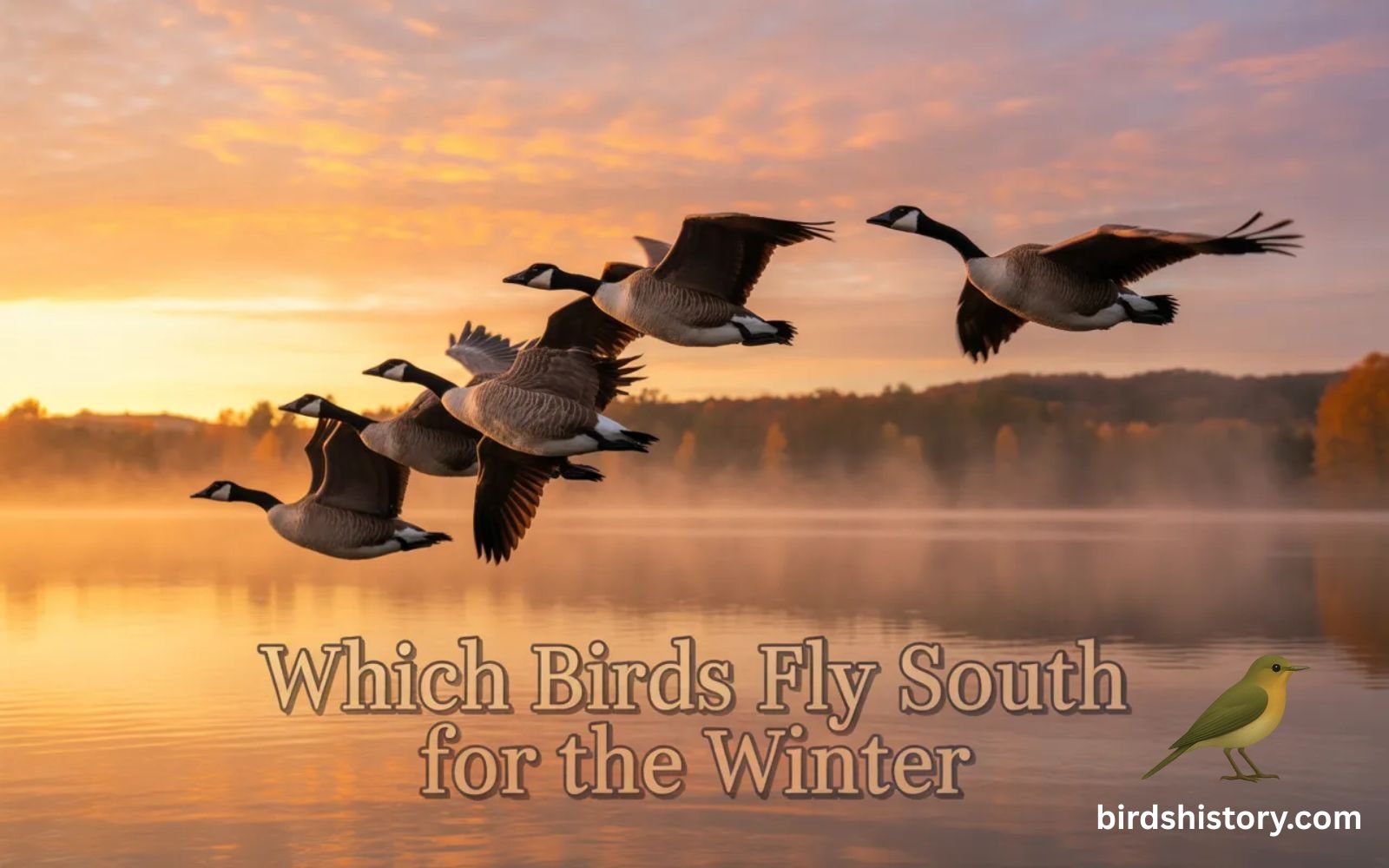
Every autumn, the skies across the United States tell a quiet but powerful story. As temperatures fall and daylight fades, many people start wondering which birds fly south for the winter and why familiar feathers suddenly vanish from backyards, parks, and wetlands. This seasonal movement, known as winter bird migration, is one of nature’s most reliable rhythms. Millions of migratory birds respond to changes in food, weather, and daylight, traveling hundreds or even thousands of miles to survive.
Yet not all birds take this journey. Some remain behind, relying on clever adaptations to endure cold months. Understanding which birds migrate south, which stay put, and how these journeys unfold helps you see winter landscapes differently. Migration is not random or reckless; it is a finely tuned survival strategy shaped over thousands of years. By exploring bird migration in winter, you gain insight into how deeply connected birds are to seasons, habitats, and the balance of nature itself.
What Does “Flying South for the Winter” Mean?
At its core, flying south for winter describes a predictable shift in bird migration patterns as temperatures fall. Many birds migrating south leave breeding areas when food availability drops and a temperature drop raises survival costs. South doesn’t always mean tropical. Sometimes it means a few hundred miles to milder regions with open water and reliable feeding.
This movement includes long-distance bird migration, short hops, and even altitudinal migration, where birds move downhill instead of south. Not every bird migrates the same way, which explains why some species vanish entirely while others linger. This diversity defines seasonal bird movement across the United States.

Why Do Birds Migrate in Winter?
The simplest answer to why birds migrate is survival. As insects disappear and plants stop producing seeds, winter food sources shrink. Migration allows birds to escape scarcity without burning precious energy fighting the cold. Even with feather insulation, winter demands more calories than many habitats can provide.
Another reason involves the breeding season. By moving south, birds survive winter and return north ready to reproduce when conditions improve. This cycle connects fall migration and spring migration, ensuring future generations thrive. Migration isn’t about comfort; it’s about staying alive and passing genes forward.
How Do Birds Know When It’s Time to Fly South?
Timing matters, and birds don’t rely on calendars. The trigger comes from photoperiod, the gradual change in daylight length. As daylight shortens, birds experience migratory restlessness, a surge of activity driven by their internal biological clock. This response happens even in captive birds.
Environmental signals reinforce instinct. Seasonal changes, falling temperatures, and reduced food all confirm it’s time to move. Scientists studying how do birds know when to migrate note that this blend of biology and environment keeps migration astonishingly precise year after year.
How Do Birds Navigate and Find Their Migration Routes?
Navigation remains one of nature’s wonders. Birds rely on multiple navigation cues working together. During the day, many use sun and stars navigation, while night migrants depend on celestial navigation. Some species sense Earth’s magnetic field through magnetic sensing, giving them a built-in compass.
Experience also matters. Young birds inherit genetic migration instincts, while adults refine routes using landmarks and memory. Rivers, coastlines, and mountains shape bird migration routes, helping birds return to familiar wintering grounds of birds with impressive accuracy.
How Far Do Birds Migrate During Winter?
Distances vary wildly. Some birds move a few miles, while others attempt cross-continental migration. The champion is the Arctic tern longest migration, completing pole-to-pole migration during its Arctic to Antarctic migration, the longest bird migration in the world.

In the United States, many species cross the Gulf of Mexico crossing, a nonstop flight demanding perfect timing. Others follow coastal migration routes or move vertically through altitudinal migration. These journeys show how flexible winter bird migration can be.
Examples of Migration Distances
| Bird Species | Type of Migration | Approximate Distance Traveled |
|---|
| Arctic Tern | Arctic to Antarctic migration | Over 18,000 miles round trip |
| Blackpoll Warbler | blackpoll warbler nonstop flight | About 1,800 miles nonstop |
| Canada Goose | Canada geese V formation | 1,000 miles or more |
| Sandhill Crane | sandhill crane migration | 600–800 miles |
Common Birds That Fly South for the Winter
Step outside in summer and many familiar birds feel permanent. Yet as cold approaches, birds that fly south for winter quietly disappear. In the United States, common examples include swallows, geese, cranes, pelicans, and ducks. These migratory birds rely on predictable bird migration in winter to reach safer climates with open water and food.
Species like Barn swallows migration, chimney swift migration, and wood duck migration illustrate how diverse strategies can be. Some travel in flocks, others alone. All depend on shifting food availability and instinct to survive winter without exhausting energy reserves.

Familiar Backyard and Wetland Migrants
Backyard birds often spark curiosity when feeders suddenly go quiet. Goldfinches, mourning doves, and hummingbirds are classic examples of birds migrating south that many Americans recognize. Hummingbird fattening up before departure shows how even tiny birds prepare for massive journeys by increasing fat storage before winter.
Wetlands host dramatic scenes as American white pelican wintering flocks rise into the air. Their movement highlights how wintering grounds of birds often include southern coasts, reservoirs, and marshes that remain ice-free during winter months.
Long-Distance Migratory Birds and Their Incredible Journeys
Some birds push endurance to extremes through long-distance bird migration. These travelers cross oceans, deserts, and continents using refined navigation. The blackpoll warbler nonstop flight across the Atlantic stuns researchers, proving size doesn’t limit stamina.
The Arctic tern longest migration stands unmatched. Its annual journey defines bird migration patterns shaped by evolution. These feats rely on favorable winds, precise timing, and energy efficiency rather than brute strength.
Birds That Travel Thousands of Miles
Long-distance migrants often follow inherited routes shaped by survival success. Many use migration flyways that offer food-rich stopovers. Their journeys underline how fragile migration can be if even one key resting area disappears.
Birds That Migrate Short Distances or Partially Migrate
Not all migration spans continents. Partial migration in birds means some individuals leave while others stay. These facultative migrants respond to local conditions instead of strict schedules, unlike obligate migrants driven mainly by photoperiod.
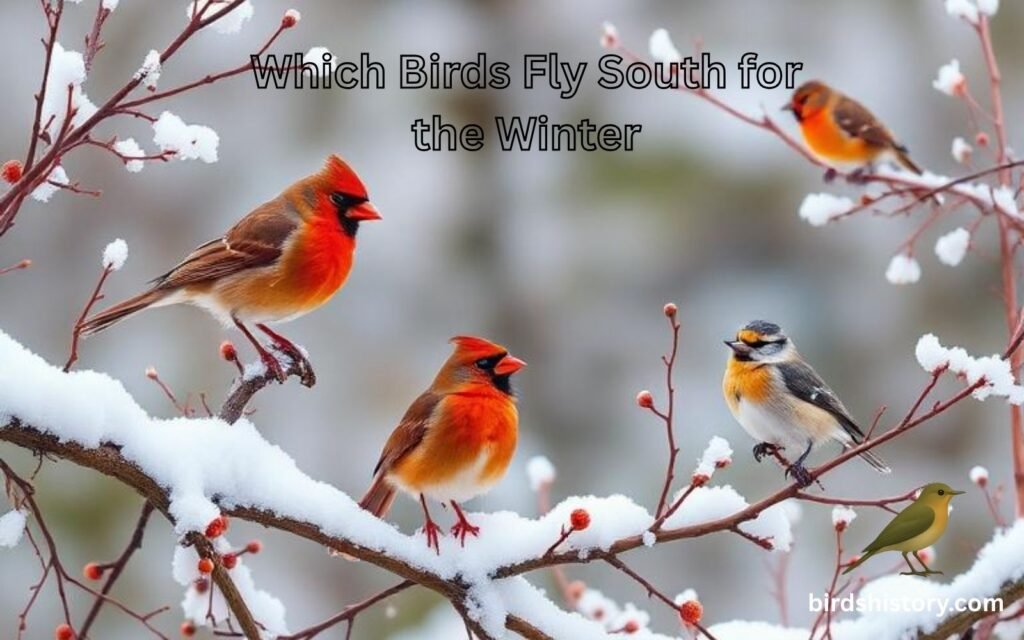
This flexibility explains why the same species may behave differently across regions. Mild winters can reduce movement, while sudden cold snaps trigger short migrations that still count as winter bird migration.
When Movement Depends on Conditions
Short-distance migrants move just far enough to survive. These choices balance energy use and risk, proving migration isn’t always about distance but about timing and opportunity.
Birds That Do Not Fly South for the Winter (Year-Round Residents)
Some species resist the urge to leave. These birds that don’t migrate rely on clever survival tactics. Non-migratory birds like cardinals, chickadees, and turkeys use winter food sources such as seeds and nuts unavailable to insect eaters.
Physical traits help too. Feather insulation, regulated hypothermia, and sheltered roosting behavior allow year-round residents to endure freezing nights. These birds staying year-round show that migration isn’t the only path to survival.
How Birds Survive Without Migrating
Tree cavities shelter birds from wind, while group roosting conserves heat. These cold-weather adaptations answer common questions about how birds survive winter when snow blankets the ground.
Where Do Birds Go When They Migrate South?
People often ask where do birds go in winter, and the answer spans continents. Many North American species winter in the southern United States, Mexico, and Central America. Coastal wetlands, forests, and grasslands provide stable wintering grounds of birds.
Others travel farther into South America. These destinations support survival until spring signals a return north. Migration connects ecosystems thousands of miles apart through seasonal bird movement.

Major Bird Migration Flyways Around the World
Migration follows invisible highways known as bird flyways. In North America, the Atlantic Flyway, Mississippi Flyway, and Pacific Flyway guide millions of birds annually. These routes follow coastlines, rivers, and mountain ranges.
Flyways reduce risk by offering predictable food and rest. Protecting them safeguards the future of winter bird migration across generations.
Major North American Flyways
| Flyway Name | Main Regions Covered |
|---|---|
| Atlantic Flyway | Eastern U.S. coastline, wetlands, and marshes |
| Mississippi Flyway | Central U.S. river systems and interior wetlands |
| Pacific Flyway | Western U.S. coast, valleys, and inland lakes |
Challenges Birds Face During Migration
Migration is dangerous. Harsh weather conditions can ground flocks, while predators during migration target exhausted birds. Human structures create new threats, including wind turbines and buildings and glass collisions.
Loss of habitat worsens risks. Habitat loss reduces safe resting places, leading to food scarcity. Without healthy stopover sites bird banding data shows survival rates drop sharply.
How Climate Change Is Affecting Bird Migration Patterns
Rising temperatures disrupt timing. Climate change effects alter fall migration and spring migration, sometimes leaving birds out of sync with food peaks. Some species shorten routes, others delay departure, and a few stop migrating altogether.
Researchers using satellite tracking, geolocators, and radar migration tracking from institutions like the Cornell Lab of Ornithology document these shifts. These findings reshape ornithology studies worldwide.
FAQs About Which Birds Fly South for the Winter
Which UK birds fly south for the winter?
Many UK birds that fly south for the winter include swallows, house martins, swifts, cuckoos, and willow warblers. These migratory birds leave during autumn as food availability drops and return during spring migration.
Do all crows fly south for the winter?
No, crows are non-migratory birds and usually stay in the UK year-round. They rely on flexible diets, roosting behavior, and strong cold-weather adaptations to survive winter.
What bird flies to a warmer climate in winter?
Swallows are a classic example of birds migrating south to warmer climates. During winter bird migration, they travel from the UK to southern Europe or Africa in search of insects.
Which bird is known to migrate south during autumn in the UK?
The common cuckoo is well known for migrating south in autumn. It leaves the UK early and travels long distances to Africa as part of long-distance bird migration.
Where do birds sleep at night in the winter in the UK?
In winter, birds sleep in tree cavities, dense hedges, ivy, barns, and roof spaces. These sheltered spots reduce heat loss and protect birds from harsh weather conditions and predators.
Which bird is most associated with winter in the UK?
The robin is the bird most associated with winter in the UK. As a winter resident bird, it stays active year-round and is often seen singing and defending territory in cold months.
Do birds sleep in the same place every night?
Some birds return to the same roost each night, especially in winter. Others change sleeping sites often, depending on weather, safety, and food availability.
Conclusion
The question of which birds fly south for the winter opens a window into one of the most fascinating natural processes on Earth. Bird migration in winter reflects instinct, timing, and adaptation working together in remarkable ways. Some birds travel vast distances to reach safe wintering grounds, while others adjust locally or remain as year-round residents. These choices depend on food availability, climate, and each species’ unique abilities. As climates shift and landscapes change, migration patterns continue to evolve, reminding us how sensitive birds are to environmental balance.
Paying attention to winter bird migration deepens appreciation for the birds you see and the ones you temporarily lose each year. Whether watching geese overhead, noticing an empty feeder, or spotting hardy birds in snow, every observation connects you to a larger story of survival. Understanding why birds migrate—and why some don’t—helps protect these travelers and the habitats they depend on, today and for generations to come.