Which Bird Lives the Longest? Exploring Bird Lifespan Records 2026
People have always wondered which bird lives the longest, and the answer is more fascinating than most expect. Birds may look delicate, but many species are built for endurance, surviving harsh climates, long migrations, and decades of environmental change. From tiny backyard visitors to massive seabirds that roam the open ocean, bird lifespans vary widely. Some live only a few short years, while others quietly pass the half-century mark and keep going.
This wide range raises an obvious question: which bird lives the longest, and what allows it to beat the odds? Understanding bird longevity means looking at biology, behavior, habitat, and survival strategies. Scientists have spent decades tracking individual birds to uncover real lifespan data, separating myths from verified records. By exploring proven examples, scientific methods, and surprising comparisons, you’ll gain a clear picture of how long birds can live and why certain species seem almost timeless.
How Long Do Birds Live on Average?
So, how long do birds live on average? The answer stretches across a wide range. Small songbirds may live only a few years, while large seabirds and parrots often survive several decades. The average bird lifespan hides dramatic contrasts between species, habitats, and lifestyles, which is why simple averages can be misleading.
In the wild, bird lifespan in the wild is often shorter than potential maximum age due to accidents, hunger, and predators and disease. Yet once birds reach adulthood, many enjoy stable survival odds for years. This gap between youth mortality and adult endurance explains many bird lifespan records seen today.
Why Some Birds Live Much Longer Than Others
Body size plays a major role in bird longevity, but it isn’t the whole story. Larger birds store more energy and face fewer threats, which lowers their annual survival risk. However, behavior matters just as much. Species that fly long distances or nest in safe locations often enjoy higher survival probability.
Another key factor is the reproductive rate. Birds that live longer usually produce fewer offspring and invest heavily in each chick. These slow breeding species rely on longevity rather than numbers. This strategy explains why seabirds and parrots dominate lists of the longest living bird species.
How Scientists Measure and Verify Bird Lifespans
Understanding how do scientists know bird ages requires patience and precision. Researchers rely on bird banding and bird ringing, where a small, coded band is placed on a bird’s leg. When recovered years later, it provides verified age data. This method powers most bird banding research worldwide.
Organizations like the Patuxent Wildlife Research Center collect decades of data that form the backbone of bird longevity records. Wildlife researchers and ornithologists stress that verified data matters because exaggerations are common. Reliable records separate fact from folklore, especially when claims reach Guinness World Records.
The Oldest Wild Birds Ever Recorded
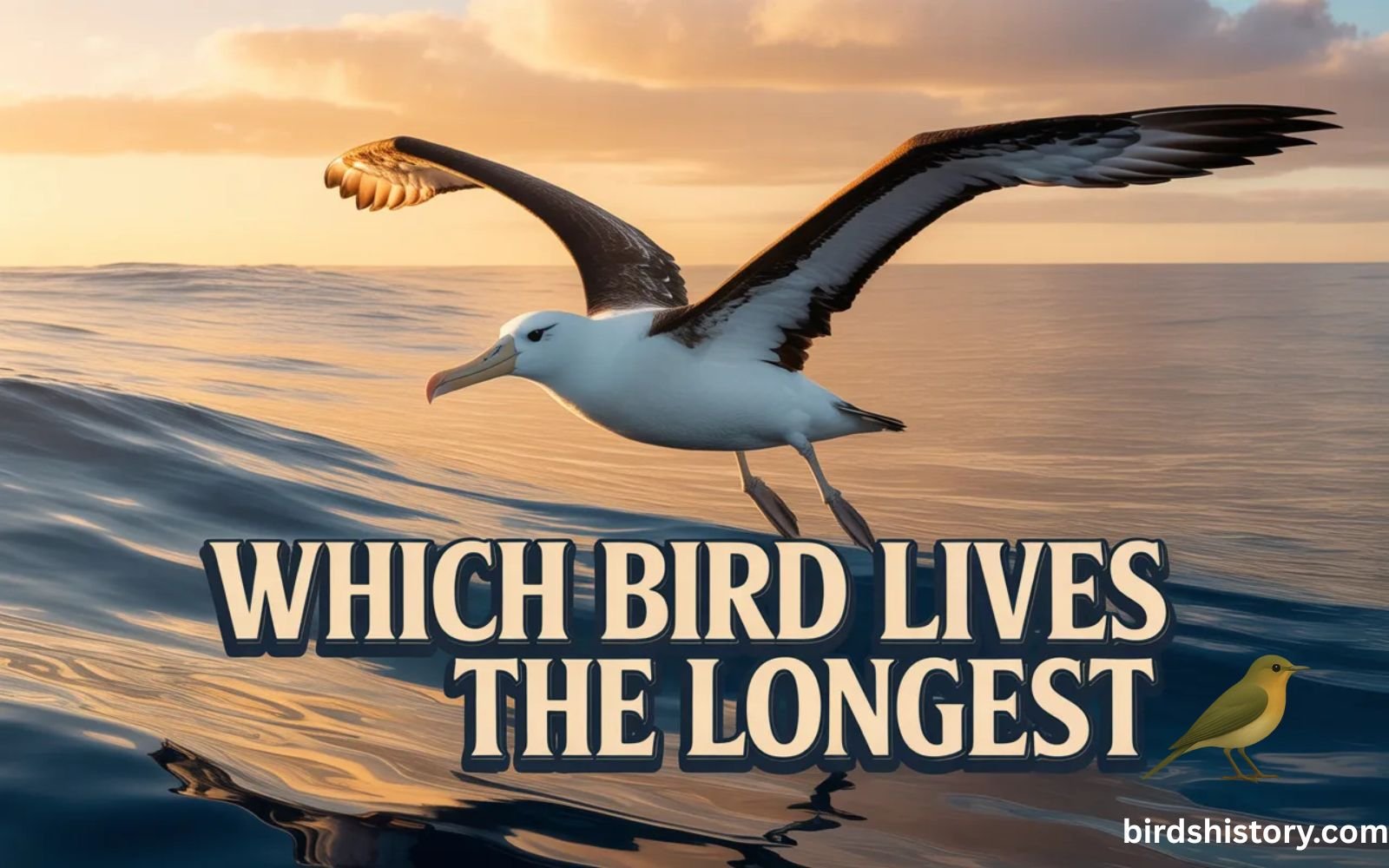
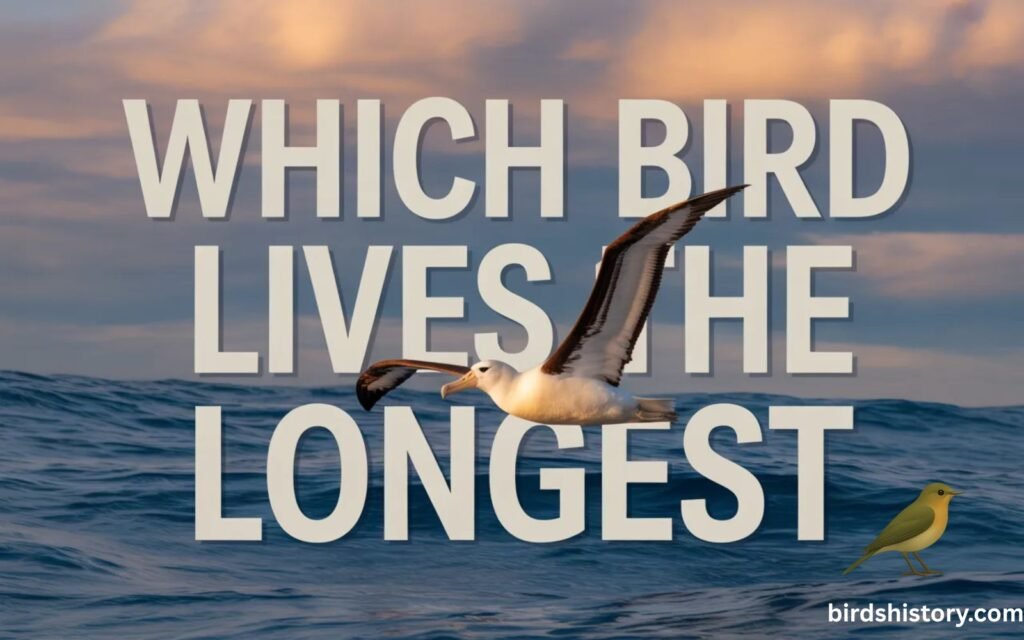
The title of oldest bird in the world belongs to Wisdom the albatross, also known as Laysan Albatross Wisdom. She is the longest lived wild bird, still breeding past age seventy. Her story defines which bird lives the longest in the wild and continues to inspire conservation science.
Seabirds dominate these records because of unique ecological adaptations. Their ocean-based lives reduce land predators, and many are apex predators at sea. This explains why seabirds lifespan far exceeds that of most land birds, even those much larger.
The Longest-Living Birds in Captivity
In controlled environments, bird lifespan in captivity often exceeds wild limits. Regular food, medical care, and safety remove many risks faced outside. This contrast between captive vs wild birds explains why parrots and condors often reach extreme ages under human care.
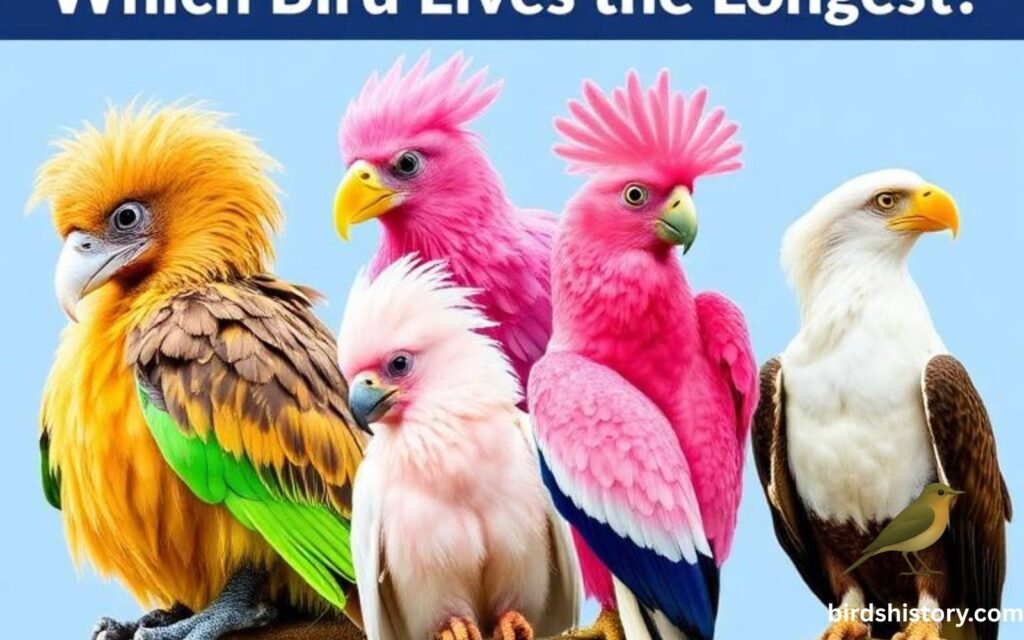
According to Guinness World Records, one of the most famous cases is a cockatoo housed at the Brookfield Zoo, where careful care extended life far beyond wild expectations. Still, captivity doesn’t guarantee longevity for every species, especially those sensitive to stress.
Pet Birds That Live the Longest
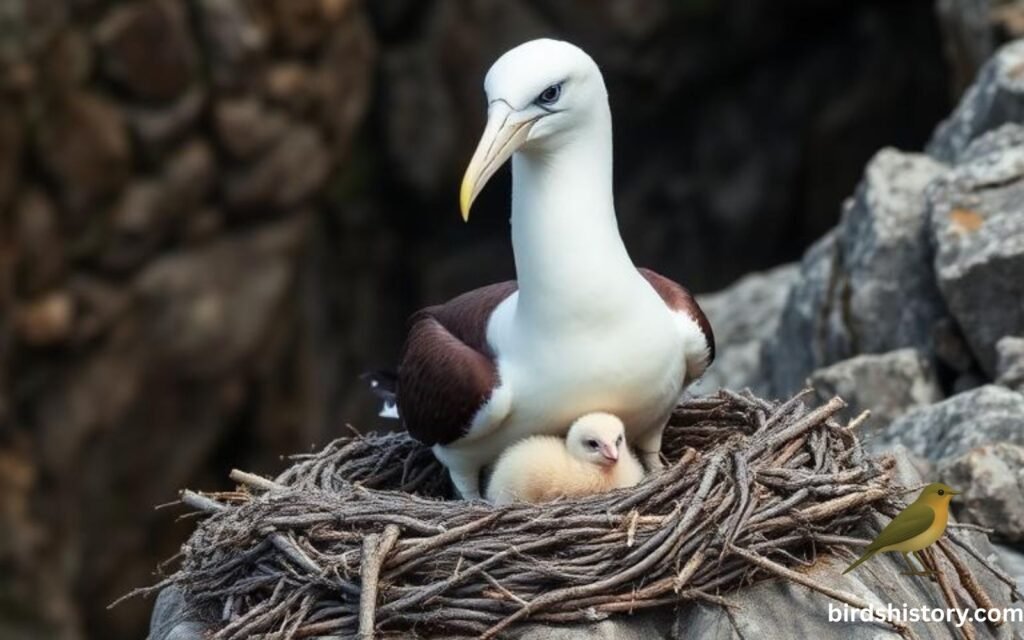
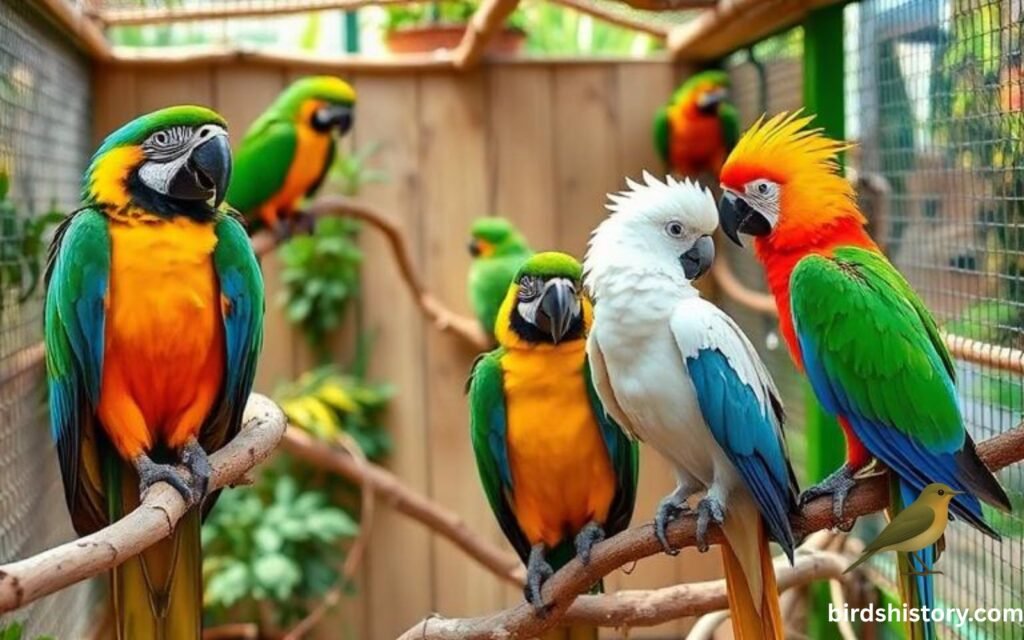
Choosing from the longest living pet birds requires long-term thinking. Many parrots can live longer than dogs, cats, and even humans. Long-lived parrots form deep bonds and require lifelong commitment, which surprises many first-time owners.
Species known for captive parrot longevity include macaws, cockatoos, and African greys. The kakapo parrot stands apart due to its remarkable kakapo lifespan, although it is not a pet species. These birds highlight how intelligence and care shape bird life expectancy.
World’s Longest-Living Bird Species (Verified Records)
Verified data shows clear lifespan extremes vs averages. Some birds live ordinary lives, while a few become outliers that redefine possibility. These verified records help scientists understand the bird aging process and why certain species resist decline.
Below is a simple comparison table showing verified longevity across species, illustrating true bird lifespan by species rather than myths.
Verified Longevity of Selected Bird Species
| Bird Name | Longest Verified Age | Living Condition |
|---|---|---|
| Laysan Albatross | 70+ years | Wild |
| Pink Cockatoo (Major Mitchell’s Cockatoo) | 80+ years | Captivity |
| Andean Condor | 75+ years | Captivity |
| Manx Shearwater | 50+ years | Wild |
| Bald Eagle | 38+ years | Wild |
These examples anchor discussions about what bird lives the longest in proven science rather than rumor.
Longest-Living Birds by Category (Parrots, Seabirds, Raptors)
When comparing birds with the longest lifespan, grouping them by category reveals clear patterns. Parrots dominate captivity records because intelligence and social bonding reduce stress-related decline. Many long-lived parrots show slower cellular aging and lower oxidative stress, allowing bodies to repair damage efficiently over time.
Seabirds lead wild longevity charts due to isolation and flight mastery. Raptors also rank high because they sit atop food chains as apex predators, reducing threats once adulthood begins. This bird lifespan comparison shows survival depends more on ecology than size alone.
Longest-Living British Birds
Looking at British birds lifespan, seabirds again take the lead. The Manx shearwater holds the UK record, surviving over fifty years after being ringed. These birds spend most of life at sea, returning to the same nesting burrows year after year with astonishing precision.
British data reinforces global patterns seen elsewhere. Island breeding, delayed maturity, and strong parental care increase survival to adulthood. These traits explain why seabirds outperform land birds across nearly all bird longevity records in Europe.
Longevity Records of Familiar North American Birds
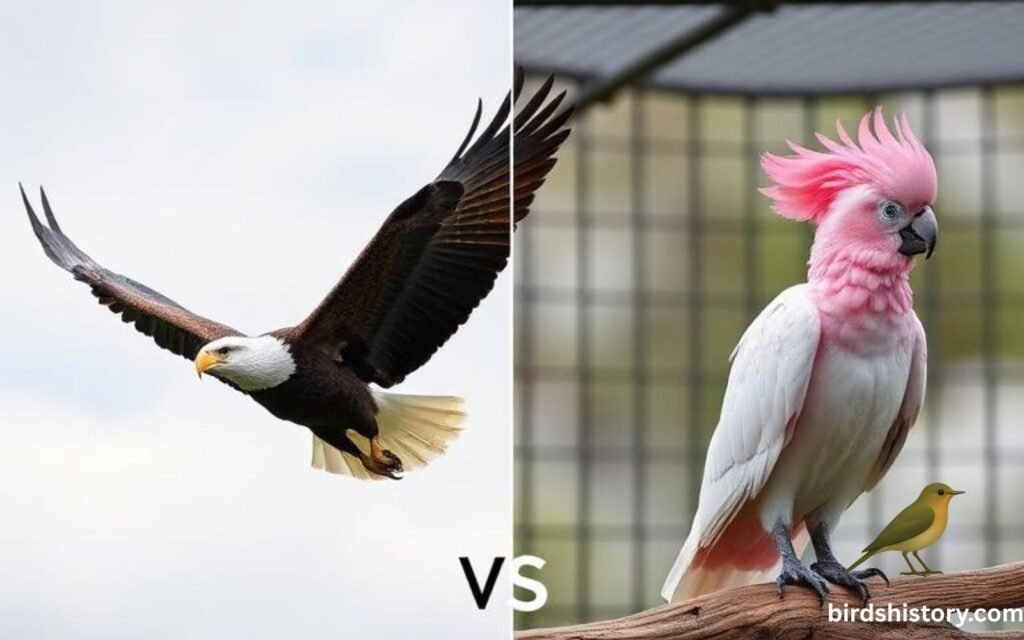
Many people are surprised by North American bird longevity, especially among species seen regularly. Birds like the bald eagle, sandhill crane, and great blue heron live far longer than expected once they pass early danger years. Raptors thrive due to territory dominance and hunting skill.
Even songbirds can surprise you. The common raven has lived nearly seventy years in captivity, while wild records still exceed two decades. Smaller birds like the northern cardinal and ruby-throated hummingbird show shorter songbird lifespan, yet still outperform mammals of similar size.
Longevity Records of Common North American Birds
| Bird Species | Longest Recorded Age | Wild or Captive |
|---|---|---|
| Bald Eagle | 38 years | Wild |
| Sandhill Crane | 37 years | Wild |
| Great Blue Heron | 24 years | Wild |
| Great Horned Owl | 28 years | Wild |
| Common Raven | 69 years | Captive |
Interesting and Surprising Facts About Long-Lived Birds
Birds challenge everything humans assume about aging. The bird aging process lacks visible markers like gray hair or stiffness. Once adult feathers develop, age becomes nearly invisible, which is why verified data matters so much.
Another surprise is mortality timing. Most deaths happen early. After that, mortality rate stabilizes for decades. This pattern explains why birds rarely “die of old age,” answering the common question do birds die of old age with a complicated no.
How Conservation Efforts Impact Bird Longevity
Longevity depends on protection. Habitat loss and climate change shorten lives by reducing food stability and breeding success. Long-lived birds suffer most because they rely on decades of survival to balance low reproduction.
Conservation programs protect nesting grounds, reduce bycatch, and limit poisoning. These actions increase breeding success and stabilize populations. The conservation impact is clear when protected seabird colonies rebound after years of decline.
What Bird Longevity Teaches Us About Aging and Survival
Studying birds reshapes how scientists think about aging. Despite high metabolic rate, birds resist cellular breakdown better than mammals. Their bodies manage oxygen efficiently, reducing damage that normally shortens lifespan.
Researchers study survival probability and fledging age to understand why some species endure. These insights extend beyond birds, offering clues for human aging research and disease prevention.
FAQs About Which Bird Lives the Longest
Can a parrot live for 140 years?
No parrot has been verified to live 140 years. The longest-lived parrots, such as macaws and cockatoos, can reach around 80–100 years in captivity.
What animal can live up to 1000 years?
Some species like certain deep-sea sponges, ocean quahog clams, and Greenland sharks can live for hundreds to nearly 1,000 years, far exceeding typical lifespans of most birds and mammals.
Which bird has the longest average lifespan?
Seabirds like albatrosses, especially the Laysan albatross, have the longest average lifespans among birds, often reaching 30–50 years in the wild.
What is the lifespan of most birds?
Most small birds live between 2 and 10 years, while larger species can live several decades depending on species and environment.
Which bird can live 200 years?
No bird has been scientifically confirmed to live 200 years; most claims are unverified or anecdotal.
Can an elephant live 200 years?
No, elephants typically live 60–70 years; 200 years is beyond their natural lifespan.
Which bird has the lowest lifespan?
Some small songbirds, like the house sparrow or hummingbird, have the shortest lifespans, averaging 2–5 years in the wild.
Can parrots live 40 years?
Yes, many parrot species, including African greys and cockatoos, can easily live 40 years or more in captivity with proper care.
What has the shortest lifespan on Earth?
Some insects, like mayflies, live only a few hours to a day, making them the shortest-lived creatures on Earth.
Conclusion
So, which bird lives the longest ultimately depends on whether the focus is wild or captive life. In the wild, seabirds like the Laysan albatross dominate longevity records, proving that isolation, flight skill, and low predation matter more than size alone. In captivity, parrots and condors often live far beyond their wild counterparts, thanks to consistent care and protection. These examples show that birds rarely die simply from old age. Instead, survival hinges on avoiding threats year after year.
Asking which bird lives the longest also reveals something deeper about nature. Longevity reflects balance, patience, and adaptation rather than strength alone. As habitats change and environmental pressures grow, protecting long-lived species becomes even more important. Their extended lives mean slow population recovery and high vulnerability. Learning how and why birds live so long helps you appreciate not just their age, but the fragile systems that allow such long lives to exist.