What Birds Eat Safflower Seeds? Complete Feeding & Attraction Guide 2026
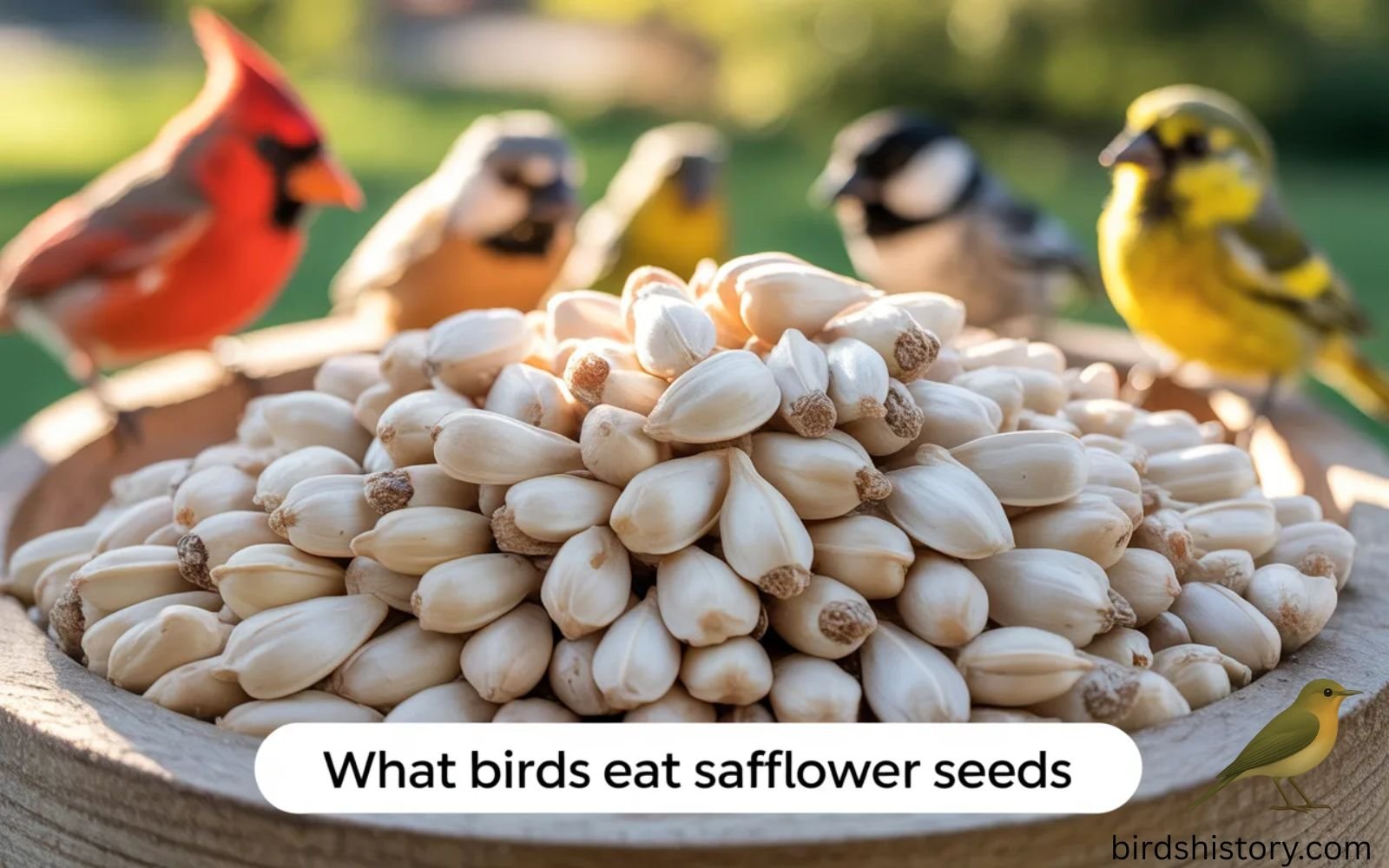
Understanding What Birds Eat Safflower Seeds helps you create a calmer, cleaner, and more rewarding backyard feeding space. Unlike flashy mixes that invite chaos, safflower seeds attract the right guests while quietly discouraging troublemakers. Many backyard birds respond quickly to this high-energy bird food, especially colorful songbirds like Northern cardinals, house finches, and black-capped chickadees. The secret lies in the seed itself. Its hard white shell, plump kernels, and unique bitter taste compound appeal to birds but frustrate pests.
That balance makes safflower a trusted natural pest deterrent and a favorite among birders looking for bird seed squirrels won’t eat. As interest grows in wild bird feeding strategies, safflower stands out for its nutrition, cleanliness, and reliability. This guide explores how safflower works, which birds prefer it, and why it often becomes the smartest long-term choice for peaceful feeding.
What Is Safflower Seed and Why It’s Used for Bird Feeding
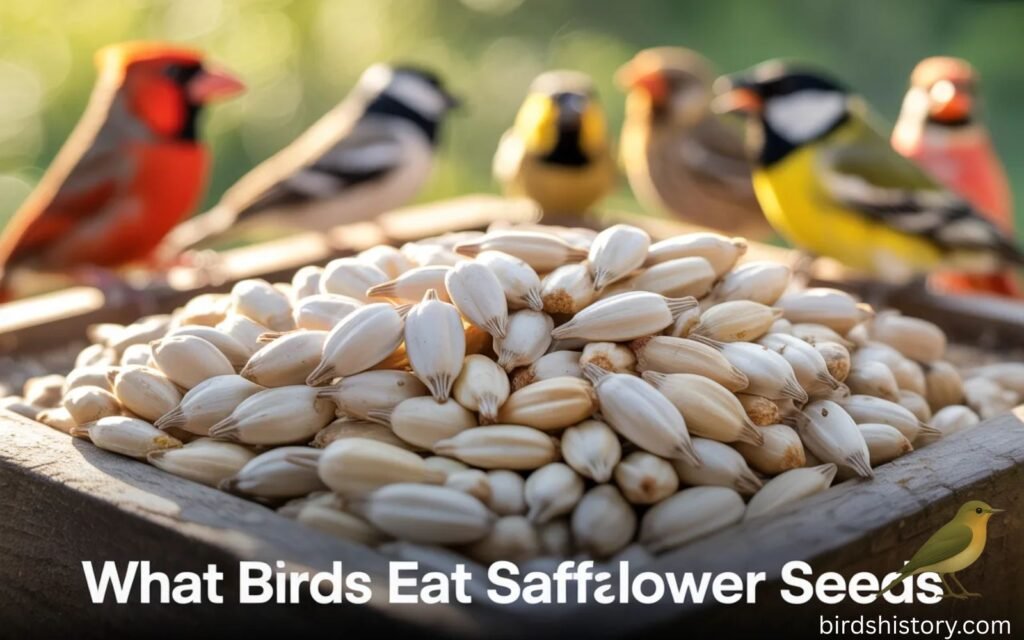
At first glance, safflower seeds look plain. Each seed has a hard white shell, a narrow shape, and creamy white seeds hidden inside. Despite the modest appearance, safflower seed nutrition packs a punch. With natural seed oils and a strong balance of energy and protein, this high-energy bird food supports active birds throughout the year. Many backyard birds rely on these plump kernels during breeding, migration, and colder months.
Another reason safflower seeds for birds remain popular is practicality. Compared to softer seeds, safflower leaves less debris behind. The shells dry quickly and scatter easily, supporting low-waste bird feeding and clean feeding stations. For homeowners who care about neat patios or balconies, this no mess bird seed feels like a quiet upgrade that pays off daily.
Why Safflower Seeds Stand Out in Bird Feeding Strategies
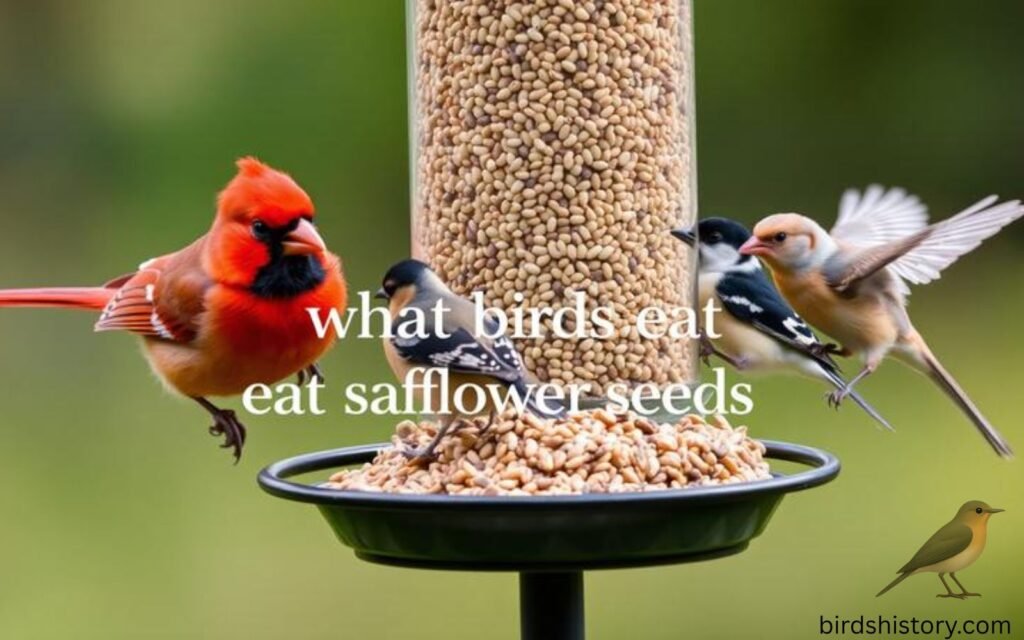
Unlike mixed blends that attract every creature within sight, safflower works with intention. Wild bird feeding strategies often fail because they try to please everyone. Safflower does the opposite. It narrows the audience. That focus leads to fewer feeder raids and calmer visits. Many people searching for squirrel proof bird seed discover that safflower fits naturally into a squirrel-resistant feeding strategy.
Cost matters too. Although safflower vs sunflower seeds often sparks debate, wasted seed tells the real story. When half the feeder ends up eaten by squirrels, savings disappear fast. Safflower becomes the bird seed squirrels won’t eat most days, helping keep squirrels avoiding bird feeders. Over time, that efficiency turns moderate pricing into real value.
The Appeal of Safflower Seeds to Birds
Birds respond to fuel, not marketing. Safflower seed benefits for birds include high fat bird seed content and steady protein delivery. With about 38% fat bird seed levels and solid protein, safflower functions as a protein-rich bird seed that supports feather growth and sustained flight. These nutrients matter most during nesting and cold weather when calories become survival currency.
Taste also plays a role. Safflower contains a bitter taste compound that discourages pests but barely registers for many songbirds. Combined with thin-hulled seeds and firm texture, birds learn quickly how to crack the shell and reach the reward. Once familiar, birds adjusting to new food often return repeatedly without hesitation.
Must Read: https://birdshistory.com/inaccessible-island-rail/
Which Birds Eat Safflower Seeds Most Often
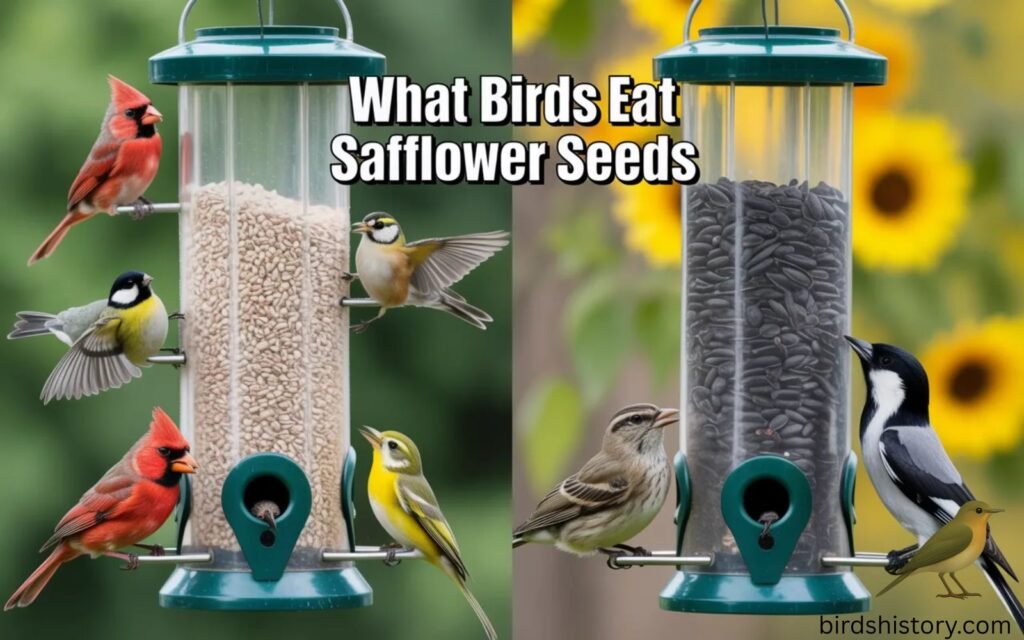
Across North America, several species consistently rely on safflower. Among the most frequent visitors are Northern cardinals, house finches, purple finches, mourning doves, and black-capped chickadees. These birds approach feeders calmly, often feeding in pairs or small groups. Their repeated visits signal trust and comfort.
Best Feeder Types for Safflower Seeds
| Feeder Type | Birds That Use It | Waste Control | Pest Resistance | Overall Effectiveness |
|---|---|---|---|---|
| Tube bird feeders | black-capped chickadees, finches | Excellent | High | Best all-around option |
| Hopper feeders | Northern cardinals, grosbeaks | Good | Moderate | Ideal for larger birds |
| Platform feeders | mourning doves, ground-feeding birds | Moderate | Low | Best for calm backyard spaces |
Seasonal bird feeding patterns show the strongest interest during late winter and early spring. During this period, insects remain scarce, and high-fat seed matters most. Backyard birds that accept safflower tend to stay loyal once habits form, making safflower one of the best bird seed for backyard birds seeking stability.
Cardinals: The Top Safflower Seed Lovers
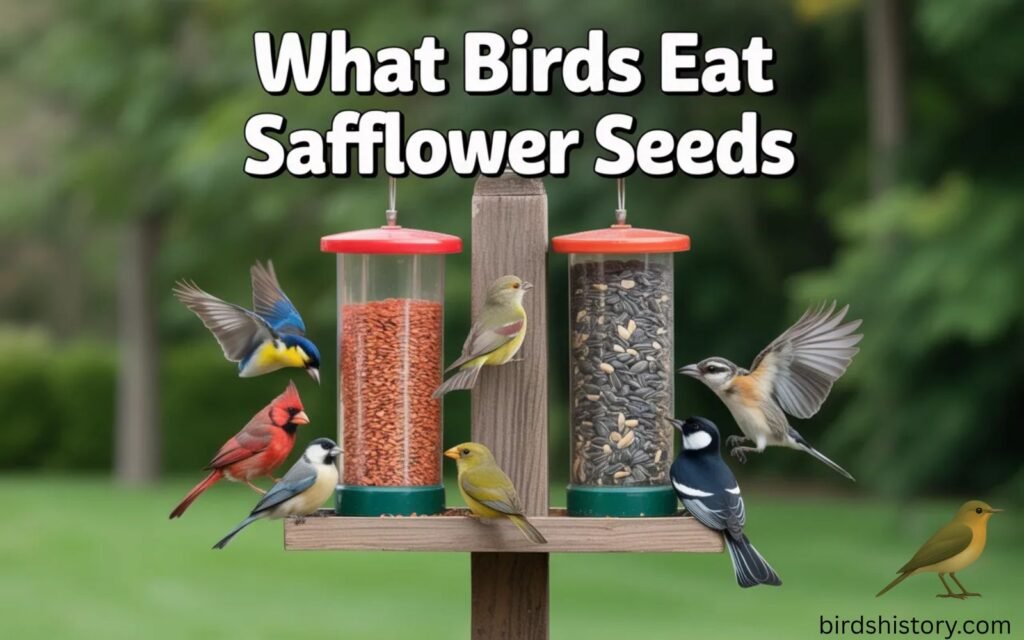
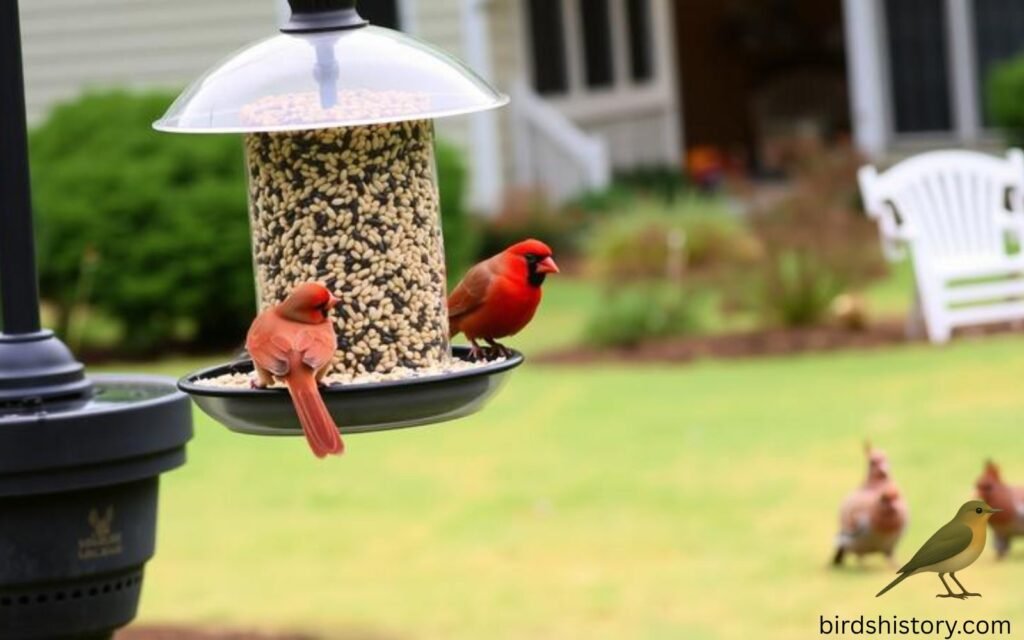
Few birds symbolize backyard beauty like Northern cardinals. Bright color aside, cardinals prefer seeds they can handle easily while perched. Safflower seeds for cardinals meet that need perfectly. The seed size fits their strong beaks, and the steady nutrition supports year-round residency without migration stress.
When learning how to attract cardinals, feeder choice matters. Cardinals favor open space and stable footing, which explains their loyalty to safflower placed in wide feeders. Once established, safflower becomes the best seed for cardinals seeking reliable daily energy without constant competition from bully birds at feeders.
Chickadees, Titmice, and Small Songbirds
Small birds punch above their weight. Black-capped chickadees and tufted titmice approach safflower with curiosity rather than fear. These agile feeders test unfamiliar foods quickly, often grabbing a seed and retreating to nearby branches to open it. That behavior reduces crowding and tension around feeders.
For songbirds that value safety, safflower offers predictability. The hard shell protects the inner seed from moisture and spoilage. Over time, these birds learn that safflower delivers consistent energy without risk. That trust builds daily routines that keep feeders lively but peaceful.
Nuthatches and Woodpeckers That Eat Safflower Seeds
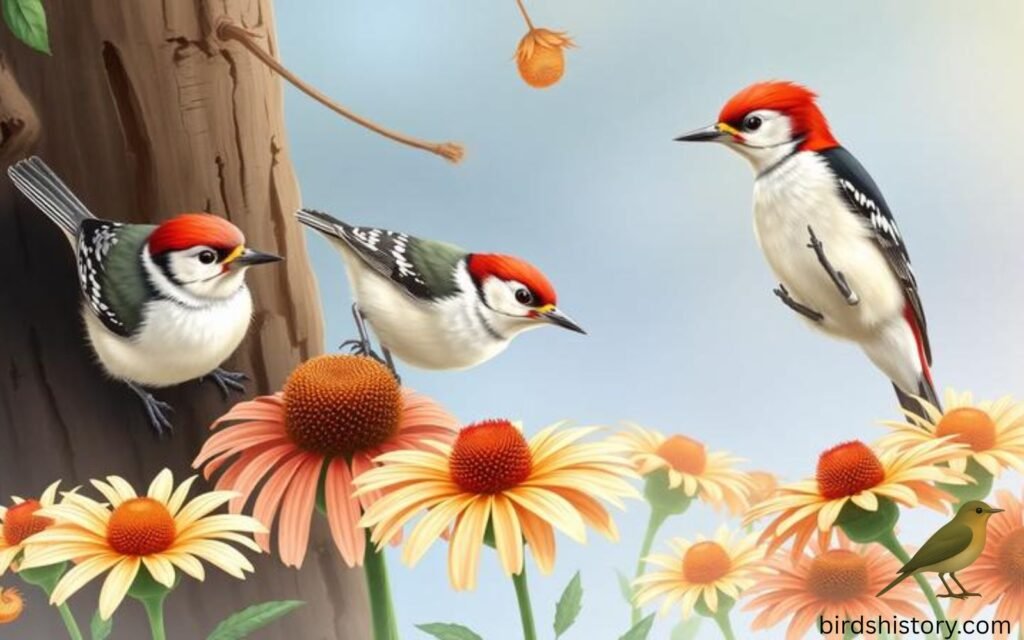
Tree-clinging birds like white-breasted nuthatches and red-bellied woodpeckers treat feeders as seasonal pit stops. During early spring and late winter, insects remain scarce, pushing these birds toward seed-based calories. Safflower seed bird food fills that gap with minimal waste.
Their feeding style differs from finches. Nuthatches often wedge seeds into bark before opening them. Woodpeckers rely on strong bills to split shells cleanly. These behaviors reduce seed loss and improve feeder efficiency, reinforcing safflower as a practical choice for mixed-species yards.
Finches, Grosbeaks, and Buntings
Colorful visitors such as indigo buntings, rose-breasted grosbeaks, house finches, and purple finches add movement and sound to feeders stocked with safflower. While finches often prefer smaller seeds, safflower becomes appealing once familiarity develops. This feeder adaptation period usually lasts a few days to a couple of weeks.
Grosbeaks, with their powerful beaks, handle safflower effortlessly. Their presence often signals healthy habitat nearby. When mixing safflower with sunflower seeds during early transitions, acceptance rises faster without sacrificing long-term control.
Nutritional Comparison of Common Bird Seeds
| Seed Type | Primary Birds Attracted | Pest Interest Level | Shell Mess | Best Use Case |
|---|---|---|---|---|
| Safflower Seeds | Northern cardinals, songbirds, finches | Very low | Minimal | Targeted feeding and squirrel control |
| Black Oil Sunflower | Wide variety of birds | Very high | Heavy hull buildup | Attracting many species quickly |
| Nyjer Seed | Small finches only | Low | Very low | Finch-only feeding |
| Cracked Corn | ground-feeding birds | Extremely high | High spoilage risk | Open rural feeding areas |
Jays, Doves, and Larger Backyard Birds
Larger birds often bring mixed reactions, yet many play an important role in balanced yards. Blue jays / Steller’s jays approach safflower with caution at first. Their intelligence works against them here. They prefer familiar foods and need time to trust something new. Once adapted, they return regularly, especially in fall when caching behavior increases.
Mourning doves behave differently. These calm ground feeders often swallow seeds whole, making safflower ideal for them. The hard shell protects the inner seed during digestion. For yards hosting ground-feeding birds, safflower supports steady feeding without aggressive competition, which helps reduce stress among backyard birds.
Birds That Typically Avoid Safflower Seeds
Not every species embraces safflower. Some birds rely on softer seeds or insects and may ignore safflower entirely. House sparrows and some blackbirds struggle with the bitter taste compound and firm shell. Their absence often feels like a blessing rather than a loss, especially when deterring grackles and starlings becomes a priority.
Understanding when to use safflower seeds matters. If the goal involves attracting every species possible, safflower alone may disappoint. However, for those focused on selective feeding and backyard pest control, this limitation becomes a strength rather than a flaw.
How to Serve Safflower Seed to Birds
Serving method shapes success. A safflower seed feeder works best when matched to bird behavior. Tube bird feeders reduce waste and limit access for larger pests. Hopper feeders allow comfortable feeding for cardinals and finches. Platform feeders support doves and other ground-oriented visitors without crowding.
During transitions, mixing safflower with sunflower seeds helps birds recognize the new food source. This mixing safflower with sunflower seeds approach shortens adjustment time and prevents feeder abandonment. Over time, pure safflower delivers better control and cleaner results.
Best Feeder Placement to Maximize Bird Visits
Safflower seed bird feeder placement influences trust and traffic. Birds prefer feeders near shrubs or trees that offer quick escape routes. Height matters too. Feeders placed five to six feet above ground balance accessibility with safety. Poor placement leads to hesitation, even with quality seed.
Feeder placement tips also reduce conflict. Spacing feeders prevents dominant birds from monopolizing food. Clean feeding stations improve return visits and limit disease. Combined with low-waste bird feeding practices, thoughtful placement creates calm, predictable feeding routines.
Do Safflower Seeds Deter Squirrels and Other Pests?
Many people switch to safflower after watching squirrels empty feeders in minutes. Safflower earns its reputation as bird seed that squirrels hate because squirrels dislike the bitterness and shell texture. While not perfect, it dramatically reduces squirrels avoiding bird feeders over time.
This natural pest deterrent works best when paired with smart feeder design. Baffles, height, and distance from jumping points support keep squirrels out of bird feeders more effectively. Safflower alone discourages most feeder raids, especially when pests have alternative food sources nearby.
Storage, Feeding Tips, and Long-Term Benefits of Safflower Seeds
Proper safflower seed storage protects investment and bird health. Seeds should stay dry, cool, and sealed to prevent seed oxidation. Exposure to heat or moisture leads to rancid bird seed, which birds instinctively avoid. Fresh safflower smells clean and looks bright, not dull or oily.
Safflower seed feeding tips include moderation and consistency. Regular refilling builds trust. Over time, safflower supports stable bird populations, fewer beginner bird feeding mistakes, and healthier ecosystems. Expert bird feeding advice often highlights safflower as a quiet cornerstone of long-term success.
Signs of Fresh vs Spoiled Safflower Seed
| Seed Condition | Appearance | Smell | Bird Response |
|---|---|---|---|
| Fresh | Creamy white seeds | Clean and mild | Regular feeding |
| Oxidized | Yellowing | Slightly oily | Reduced interest |
| Spoiled | Dark or moldy | Sour odor | Complete avoidance |
FAQs About What Birds Eat Safflower Seeds?
Which is better for birds, safflower or sunflower seeds?
Safflower seeds are better for selective feeding because Northern cardinals, songbirds, and black-capped chickadees love them, while squirrels and bully birds at feeders avoid them. Sunflower seeds attract more birds but can create mess and invite pests.
What bird seed attracts the most birds?
Black oil sunflower seeds attract the widest variety of backyard birds, including finches, grosbeaks, and doves. However, they can increase feeder raids by squirrels and grackles.
What is the best bird feeder for safflower seeds?
Tube bird feeders and hopper feeders work best. Tube feeders reduce waste and keep pests away, while hopper feeders allow Northern cardinals and larger ground-feeding birds easy access.
Can pigeons eat safflower seeds?
Yes, pigeons can eat safflower seeds, but they prefer larger quantities of softer seeds. Safflower works well if you want low-waste bird feeding and fewer pests.
What birds won’t eat safflower seeds?
Some species like house sparrows, starlings, and certain blackbirds often ignore safflower due to its bitter taste compound and hard white shell.
Do finches like safflower?
Yes, house finches, purple finches, and some smaller songbirds enjoy safflower once they adapt during the feeder adaptation period. Mixing safflower with sunflower seeds helps.
What is another name for safflower?
Safflower is also known as Carthamus tinctorius, a flowering plant cultivated for seeds and high-energy bird food.
What is the 5 7 9 rule for bird feeders?
This rule suggests placing feeders 5–9 feet above ground and at least 5–7 feet from jumping points to reduce predator access and encourage safe feeding.
Which birds do not like sunflower seeds?
Some ground-feeding birds and smaller songbirds may prefer safflower, millet, or nyjer, avoiding sunflower seeds due to competition and shell size.
Which is better, sunflower or safflower?
For attracting the most birds, sunflower wins. For controlled feeding, bird seed squirrels won’t eat, and clean feeding stations, safflower is superior.
What is a miracle meal for birds?
Safflower seeds are sometimes called a “miracle meal” because they provide high fat bird seed, protein-rich bird seed, and attract a variety of backyard birds while deterring pests naturally.
Conclusion
Once you understand What Birds Eat Safflower Seeds, feeding decisions become simpler and more effective. Safflower offers a rare balance between attraction and control, supporting songbirds while limiting bully birds at feeders and reducing feeder raids. With strong safflower seed nutrition, including protein-rich bird seed benefits and steady fats, birds stay energized through seasonal bird feeding and even demanding winter bird feeding months. Species like Northern cardinals, mourning doves, white-breasted nuthatches, and tufted titmice return consistently when feeders remain clean and predictable.
Proper safflower seed storage and smart placement ensure freshness and safety, preventing issues like seed oxidation or rancid bird seed. Over time, safflower builds healthier routines, fewer messes, and calmer visits. For anyone seeking balance, beauty, and simplicity, safflower proves that thoughtful feeding creates the best bird experiences.