Top 10 Talking Birds: The Ultimate Guide to Birds That Can Speak
Talking birds are fascinating creatures that captivate pet owners with their intelligence and charm. Unlike ordinary pets, birds that talk offer endless entertainment and companionship, often surprising families with their ability to mimic human speech and sounds. From the small and playful Budgerigar / Budgie to the majestic African Grey parrot, the world of parrots that talk is diverse, colorful, and full of personality. These birds are not just entertainers; they are highly social animals with unique bird personalities that respond to attention, care, and consistent training. For anyone considering a feathered companion, understanding the nature of talking birds is the first step toward a rewarding experience.
Owning a talking bird comes with responsibilities, but the rewards are extraordinary. The parrot talking ability of these species allows them to communicate, mimic sounds, and even respond to contextual cues, creating a bond that is unlike any other pet relationship. Families in the USA increasingly look for pet talking birds as alternatives to traditional pets because they offer longevity, social interaction, and the chance to engage with an intelligent animal daily. However, not every bird of a “talkative” species will learn to speak, making it essential to research talking parrot species before bringing one home.
What Are Talking Birds?
Talking birds are species capable of mimicking human speech, sounds, and sometimes complex phrases. Birds like the Myna bird, African Grey parrot, and Yellow-naped Amazon possess exceptional bird mimicry skills, allowing them to replicate words, whistles, and even household sounds. Their ability to speak is tied to parrot intelligence, where brain structures specialized for communication allow them to memorize words, phrases, and contextual responses. Many of these birds rely on bird socialization and repeated exposure to learn, making interaction with humans crucial for development of their bird vocabulary.
The phenomenon of talking birds goes beyond entertainment. Birds produce sounds using a specialized organ called the syrinx, which allows them to control pitch and tone, effectively enabling bird speech training. Unlike humans, birds lack vocal cords but use mimicking human voice to communicate, often developing a repertoire of talking bird phrases unique to their environment. Species such as the Double Yellow Head Amazon and Eclectus Parrot showcase extraordinary mimicry abilities, capable of mimicking conversations and even musical notes. Understanding what makes a bird capable of talking helps potential owners appreciate the intelligence and bird behavior that comes with these exceptional companions.
Why Owning a Talking Bird Is Special
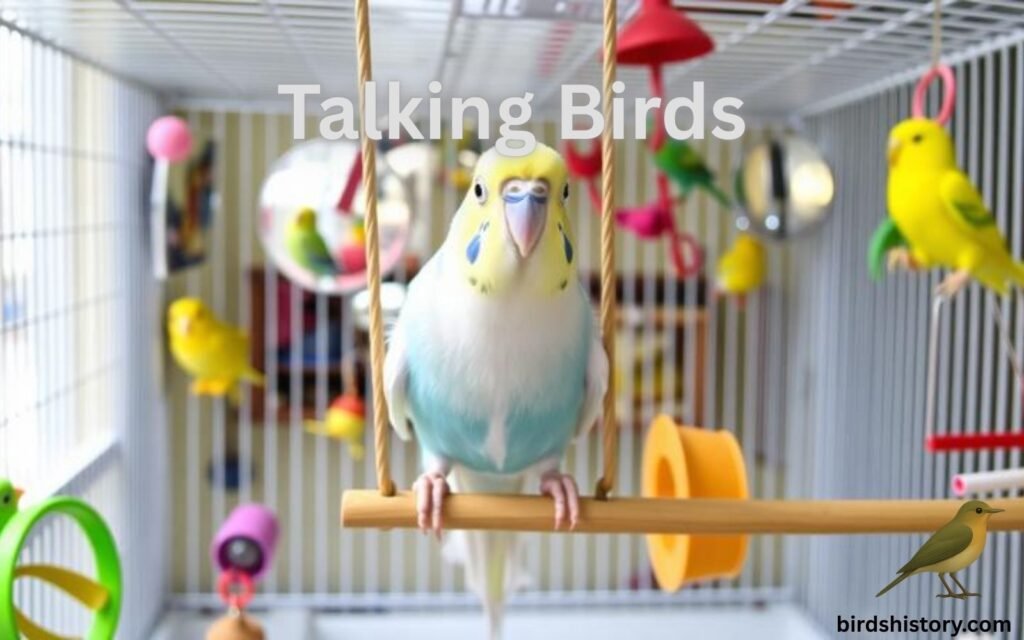
Owning a talking bird is unlike having a traditional pet because it combines intelligence, personality, and social engagement. These birds are not passive animals; they thrive on interaction, requiring bird attention and affection daily. Their capacity for communication fosters unique bonds, turning ordinary interactions into playful, educational, and emotionally fulfilling experiences. From hearing a Budgerigar / Budgie mimic phrases it learned from family members to enjoying the melodic sounds of a Cockatoo, these birds bring a level of companionship that few other pets can match. The joy of seeing a bird learn talking bird phrases through patient pet bird training is unmatched and can be especially rewarding for children and families.
In addition, owning a feathered companion challenges owners to think about bird enrichment and social needs. Unlike dogs or cats, talking birds require out-of-cage time to exercise their wings, practice their speech, and engage in bird social behavior. They respond to tone, repetition, and attention, making each interaction a chance to enhance bird intelligence and learning. A well-cared-for parrot can live for decades, offering long-term companionship and the thrill of ongoing communication. The experience of sharing a home with a talking bird goes beyond amusement; it creates a dynamic, interactive household full of energy and personality.
Best Talking Birds for Beginners
For beginners, certain talking birds are easier to care for and train, making them ideal for first-time owners. Small species like the Budgerigar / Budgie, Cockatiel, and Quaker Parakeet are highly social and relatively low-maintenance while still offering parrot talking ability. Budgies, for example, are celebrated for their incredible bird vocabulary despite their tiny size, often learning long phrases and songs when provided out-of-cage time and consistent interaction. These birds adapt well to cage life adaptation and require moderate attention, making them perfect beginner-friendly birds.
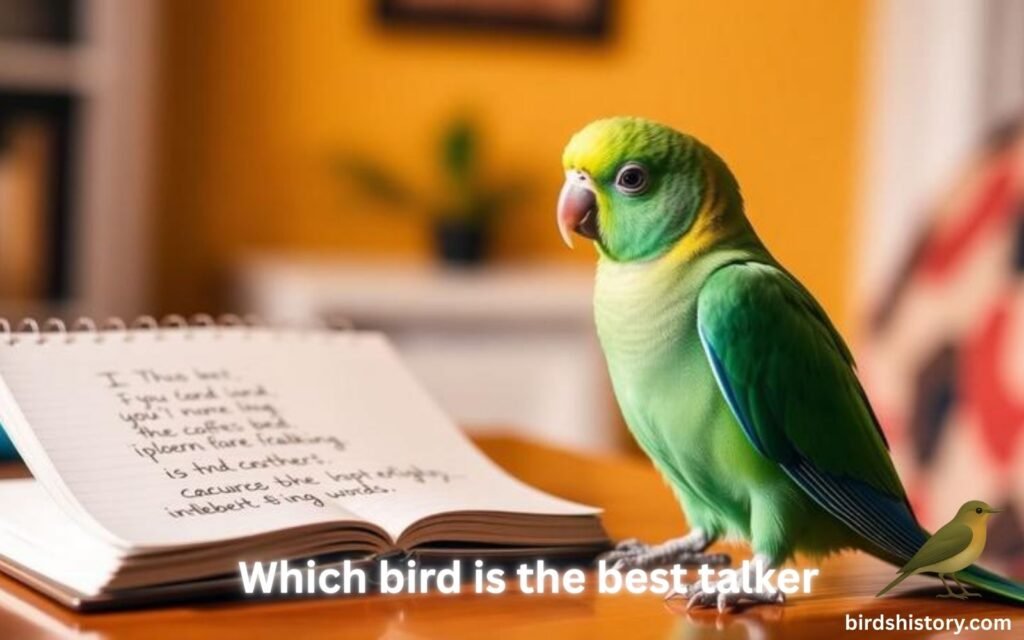
The Ring-necked Parakeet / Indian Ringneck is slightly more challenging due to its intelligence and occasional bird stubbornness / attitude, but it rewards patient owners with a large vocabulary and clear enunciation. Similarly, Cockatiels can learn whistling and phrases while remaining gentle, playful, and affectionate. Beginner owners benefit from investing in pet bird training, focusing on bird socialization, repetition, and positive reinforcement. These species not only teach responsibility but also allow families to experience the unique pleasures of birds for families, from lively interactions to amusing mimicry of household sounds.
Top 10 Most Talkative Bird Species
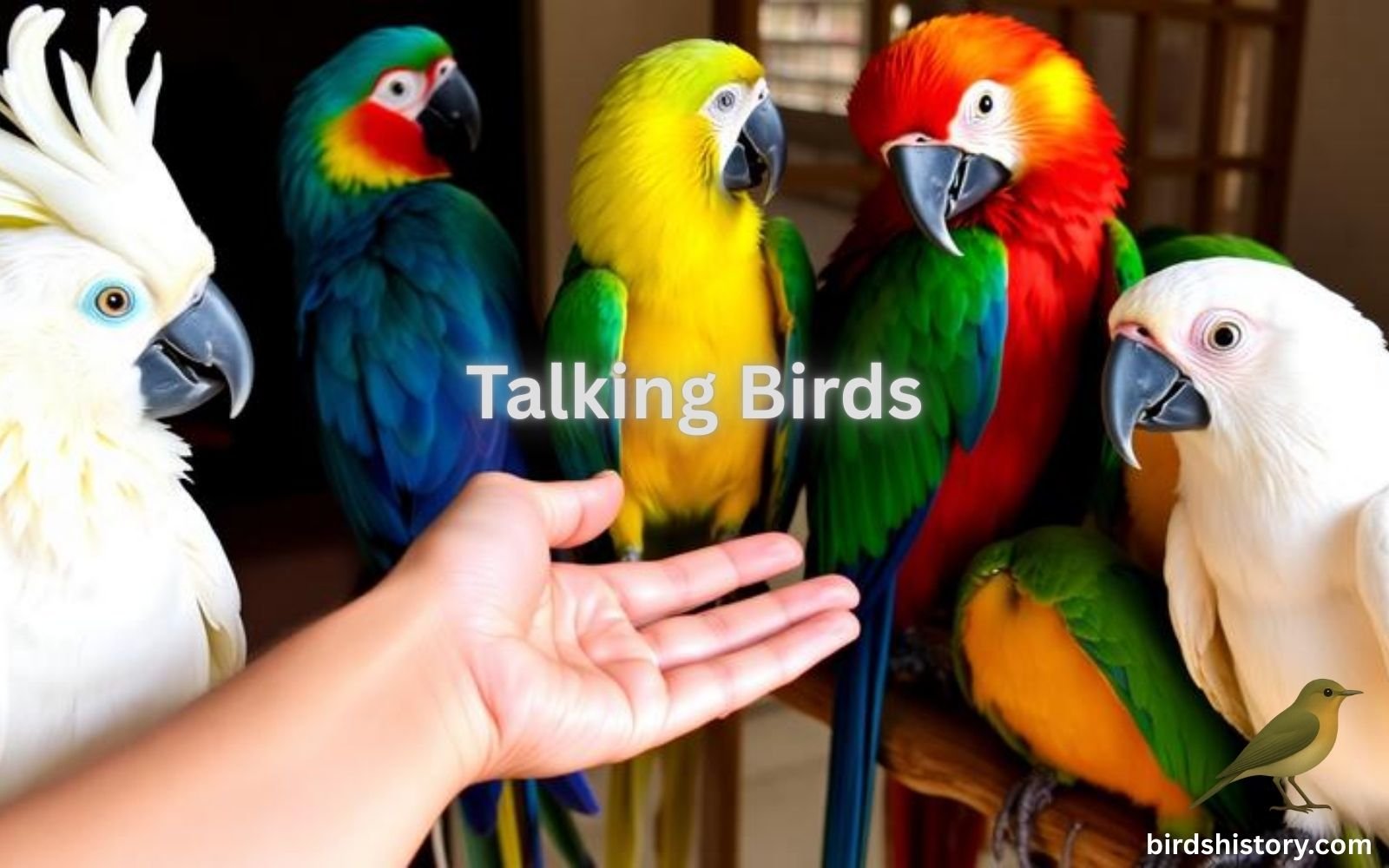
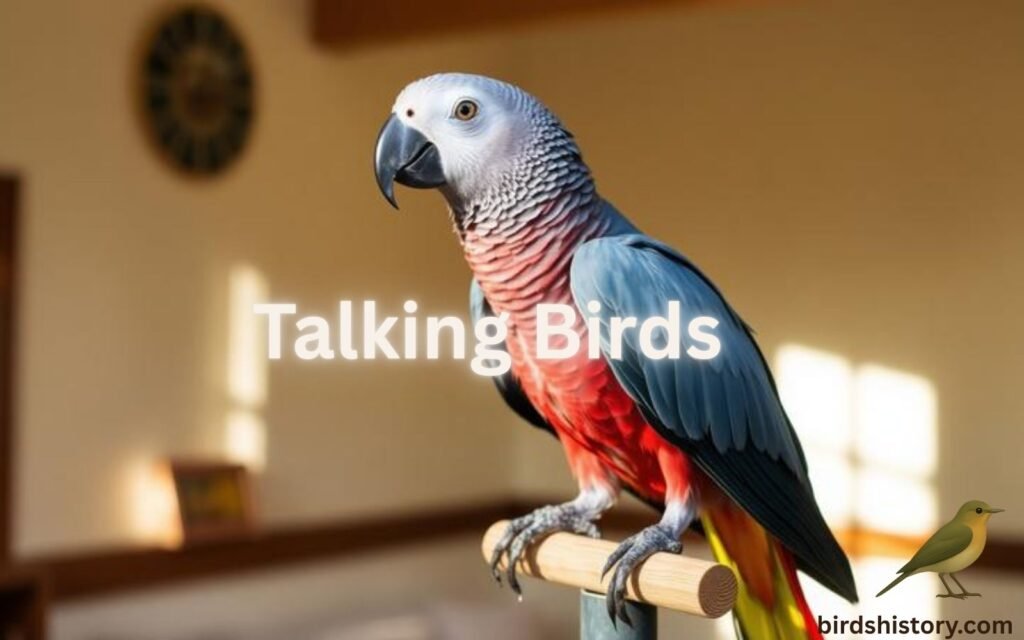
The diversity of parrots that talk makes ranking them a delightful challenge, yet some species are consistently recognized as the best in terms of bird mimicry and parrot intelligence. At the top of the list sits the African Grey parrot, renowned for its ability to learn hundreds of words and contextual speech, often likened to a toddler in cognitive skills. Yellow-naped Amazons and Double Yellow Head Amazons are exceptional for their sentence-like speech and melodic mimicry, while Eclectus Parrots offer a gentle temperament alongside impressive vocal capabilities.
Other standout species include the Budgerigar / Budgie, prized for its vast bird vocabulary, the Cockatoo, loved for social interaction despite lower speech clarity, and the Macaw, whose large personality pairs with moderate talking ability but high demand for bird attention needs. Smaller species like the Quaker Parakeet and Myna bird offer remarkable mimicry and adaptability, making them excellent pet talking birds for those willing to invest in bird training patience. The following table summarizes the top 10 talkative species, their parrot talking ability, average lifespan, and typical personality traits:
| Bird Species | Talking Ability | Lifespan | Personality Traits |
|---|---|---|---|
| African Grey Parrot | Very High | 50–60 years | Intelligent, moody, highly social |
| Yellow-naped Amazon | High | 60–80 years | Vocal, affectionate, sometimes stubborn |
| Double Yellow Head Amazon | High | 50–60 years | Playful, loud, musically inclined |
| Eclectus Parrot | Moderate to High | 30–50 years | Gentle, intelligent, requires attention |
| Budgerigar / Budgie | Moderate | 5–8 years | Social, playful, adaptable |
| Cockatiel | Moderate | 10–14 years | Gentle, affectionate, beginner-friendly |
| Quaker Parakeet | Moderate | 20–30 years | Fast learner, social, clear voice |
| Ring-necked Parakeet / Indian Ringneck | High | 25–30 years | Intelligent, vocal, sometimes stubborn |
| Macaw | Moderate | 50–60 years | Bold, social, requires training |
| Myna Bird | High | 20–25 years | Intelligent, independent, vocal |
Detailed Profiles of Popular Talking Birds
The African Grey Parrot is widely considered the smartest of all talking birds, with the ability to memorize hundreds of words and understand context. Their intelligence requires advanced bird ownership, as they can become bored or destructive if ignored. Proper bird enrichment, consistent parrot training, and out-of-cage time are essential to maintain their mental and emotional health. Their complex bird vocalizations (whistles, screeches, songs) can mimic entire household conversations, providing endless amusement for attentive owners.
The Budgerigar / Budgie may be small, but it boasts an impressive bird vocabulary and adapts well to beginner households. These beginner-friendly birds respond well to repetition for training and gentle pet bird training methods. Cockatiels are gentle, affectionate, and ideal for families, often learning up to 250 words and songs. The Quaker Parakeet is quick to learn talking bird phrases and enjoys bird social interaction, while the Ring-necked Parakeet / Indian Ringneck can mimic full sentences with remarkable clarity. Medium-sized parrots like the Eclectus Parrot, Yellow-naped Amazon, and Double Yellow Head Amazon are more suited to intermediate bird owners, requiring significant attention, socialization, and dedicated training.
How to Choose the Right Talking Bird for You
Selecting the perfect talking bird involves much more than picking the most vocal species. It requires considering your lifestyle, living space, and time commitment. Smaller birds like Budgerigar / Budgie and Cockatiel thrive in apartments and smaller homes, making them ideal birds for apartments. Larger species such as Macaws, Yellow-naped Amazons, and African Grey parrots need expansive cages, regular out-of-cage time, and significant attention, which suits advanced bird ownership and households with dedicated caretakers. Evaluating bird attention needs and potential bird noise levels ensures that both the bird and the family will be happy and stress-free.
Personality also matters. Some birds display bird stubbornness / attitude, requiring patience and persistence in parrot training and pet bird training. Understanding a bird’s bird social behavior helps determine compatibility with children, other pets, or frequent visitors. Birds with high bird intelligence and learning capabilities like Ring-necked Parakeets / Indian Ringneck may become bored without interaction, whereas beginner-friendly species such as Quaker Parakeets or Cockatiels adapt more easily to family routines. Assessing your ability to meet bird attention and affection requirements is critical before deciding which pet talking birds to welcome into your home.
Talking Bird Care Essentials
Caring for talking birds extends beyond food and water. A proper bird diet is vital for their health and vocal development. Species such as the Eclectus Parrot thrive on fresh fruits and vegetables, while Budgerigars / Budgies prefer a balanced mix of seeds and pellets. Larger parrots like the African Grey parrot or Macaw require more varied diets with protein sources to maintain their energy and support bird intelligence and learning. Clean cages, regular bird enrichment, and bird socialization are essential for preventing behavioral issues and fostering bird companionship.
Daily routines should include structured out-of-cage time and interactive play. Bird social behavior is complex; without sufficient interaction, even the most intelligent parrots that talk may develop destructive habits or excessive bird noises. Toys, perches, swings, and mirrors help stimulate the mind and prevent boredom, reinforcing healthy bird behavior. Beginner owners should focus on beginner-friendly birds, gradually introducing more demanding species as they gain experience with intermediate bird owners or advanced bird ownership techniques. A well-planned bird-friendly home environment ensures long-term happiness and encourages the bird to develop its full parrot talking ability.
How to Teach Your Bird to Talk
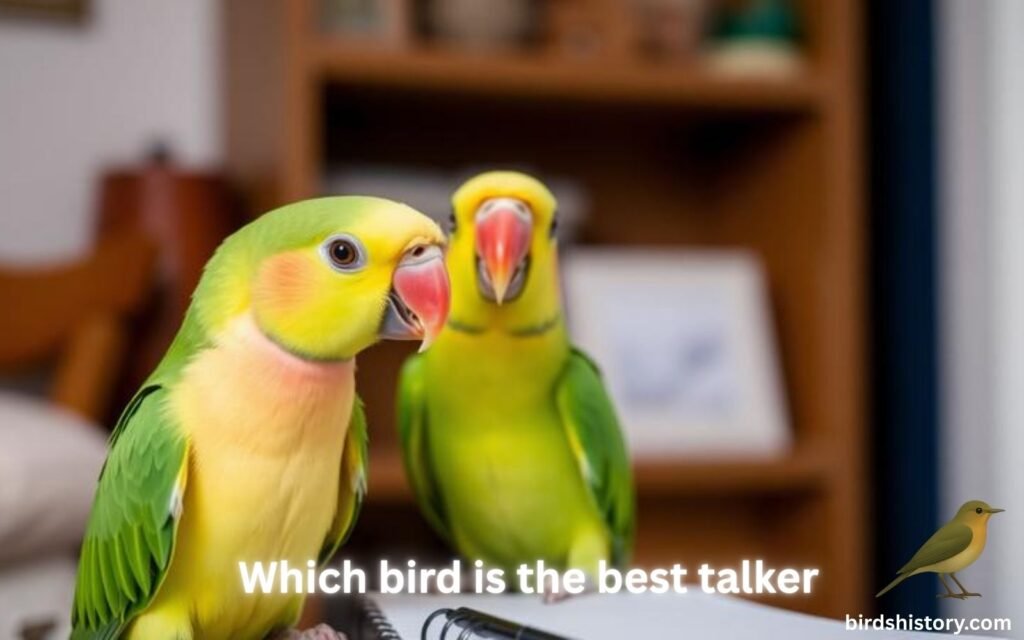
Teaching a talking bird to speak requires patience, consistency, and a calm environment. Bird speech training starts with short, repeated phrases, ideally during out-of-cage time when the bird is attentive and relaxed. Repetition for training is critical, and treats or gentle praise reinforce learning, helping to build a bird’s bird vocabulary. For example, Budgerigars / Budgies can memorize dozens of words when phrases are repeated multiple times daily, while Ring-necked Parakeets / Indian Ringneck may learn full sentences through structured interaction.
Social interaction is key. Birds respond to tone, enthusiasm, and facial expressions, making bird social interaction a vital part of parrot training. Mimicking human speech becomes easier when birds are exposed to bird companionship and consistent cues from their owners. Larger species like the African Grey parrot or Yellow-naped Amazon may take longer to speak, but their intelligence allows them to learn context and even humor. A patient, dedicated owner can cultivate a rich set of talking bird phrases, transforming a feathered pet into a lifelong conversational partner.
Cost of Owning a Talking Bird
Owning pet talking birds involves a significant financial commitment. The cost varies widely by species, age, and origin. Small birds such as Budgerigars / Budgies may cost $20–$150, while Cockatiels range from $100–$300. Medium parrots like Quaker Parakeets, Ring-necked Parakeets / Indian Ringneck, and Eclectus Parrots can cost $300–$1,000. Large, advanced species such as African Grey parrots, Macaws, and Yellow-naped Amazons often cost $1,000–$5,000 or more. Beyond the initial purchase, bird cost and expenses include bird diet, toys, perches, vet care, and bird attention and affection supplies, which can add several hundred dollars annually.
Long-term planning is crucial because many talking birds have extended bird lifespan. For example, African Grey parrots can live up to 60 years, and Yellow-naped Amazons may reach 80 years. This makes them a long-term pet commitment requiring careful budgeting for food, veterinary care, and enrichment. Investing in quality equipment, such as bird cages, perches, and bird enrichment materials, ensures a safe, stimulating environment that supports bird intelligence and learning while minimizing destructive bird behavior.
Health Considerations for Talking Birds
Maintaining a healthy talking bird requires knowledge of species-specific needs and preventive care. Common health issues include respiratory infections, feather plucking, and vitamin deficiencies. Diet directly affects health; Eclectus Parrots need a high-fruit diet, whereas African Grey parrots require balanced protein and calcium for longevity. Regular check-ups with an avian veterinarian help prevent disease and ensure your pet talking birds thrive. Clean cages, fresh water, and bird enrichment reduce stress and promote natural bird behavior.
Some species are prone to stress if their bird socialization needs are unmet. Parrots like Macaws, Cockatoos, and Yellow-naped Amazons require extensive bird attention and affection; failure to provide interaction can lead to excessive bird noises, aggression, or behavioral issues. Smaller, beginner-friendly birds like Budgerigars / Budgies and Cockatiels are more adaptable but still require consistent care. Understanding bird health considerations before adoption ensures that your bird enjoys a long, vibrant life while remaining a happy, communicative feathered companion.
Adoption vs. Buying: Finding Your Talking Bird
When seeking a talking bird, owners face the choice between pet bird adoption and purchasing from breeders. Adoption is a responsible option that provides homes to rescued or surrendered birds, often with established bird socialization and some prior parrot training. Adoption organizations can advise on personality traits, bird behavior, and specific talking parrot species, helping you match your lifestyle to the right bird.
Buying a bird allows access to specific breeds like Ring-necked Parakeets / Indian Ringneck or Double Yellow Head Amazon at a known age and training stage. However, it is critical to ensure ethical sourcing and avoid birds smuggled or sold under poor conditions. Whichever route is chosen, a bird’s bird companionship and long-term pet commitment require preparation, knowledge of bird attention needs, and readiness to meet bird enrichment and socialization requirements.
Common Challenges of Owning a Talking Bird
Owning pet talking birds comes with unique challenges. Noise is a major factor, as many species, especially Macaws, Cockatoos, and Yellow-naped Amazons, produce high bird noise levels. Owners must manage expectations about how loud a bird can be, particularly in apartments or shared housing. Birds may also display bird stubbornness / attitude, requiring patience, bird training patience, and consistent parrot training to encourage desirable bird behavior.
Another challenge is attention. Birds like African Grey parrots and Cockatoos need daily interaction, bird attention and affection, and significant bird social behavior engagement. Neglect can lead to feather plucking, aggression, or excessive bird vocalizations (whistles, screeches, songs). Large parrots also require space for out-of-cage time, climbing, and social interaction. Understanding these challenges ensures owners can create a bird-friendly home environment that supports their bird’s physical and mental well-being.
FAQs About Talking Birds
Which birds are the best talkers?
The African Grey parrot, Yellow-naped Amazon, and Double Yellow Head Amazon consistently rank highest due to their exceptional parrot talking ability and bird intelligence and learning. Smaller species like Budgerigars / Budgies, Cockatiels, and Quaker Parakeets also talk but require patience and frequent bird social interaction.
How long does it take for a bird to speak?
Depending on species, daily interaction, and bird training patience, some birds may learn talking bird phrases in a few months, while highly intelligent birds like Ring-necked Parakeets / Indian Ringneck or African Grey parrots may take years to develop extensive bird vocabulary. Success relies on repetition for training, consistent attention, and engagement in bird companionship activities.
Conclusion
Owning talking birds offers a rewarding combination of companionship, entertainment, and intellectual engagement. From beginner birds like Budgerigars / Budgies to advanced species like African Grey parrots or Macaws, each bird provides unique challenges and joys. Successful ownership requires understanding bird social behavior, providing sufficient bird attention and affection, ensuring a proper bird diet, and dedicating time to parrot training and bird enrichment. When approached responsibly, pet talking birds can become lifelong companions, offering remarkable bird social interaction, rich bird vocalizations (whistles, screeches, songs), and the joy of a truly interactive feathered companion.