The Purple Swamphen: A Vibrant Wetland Wanderer
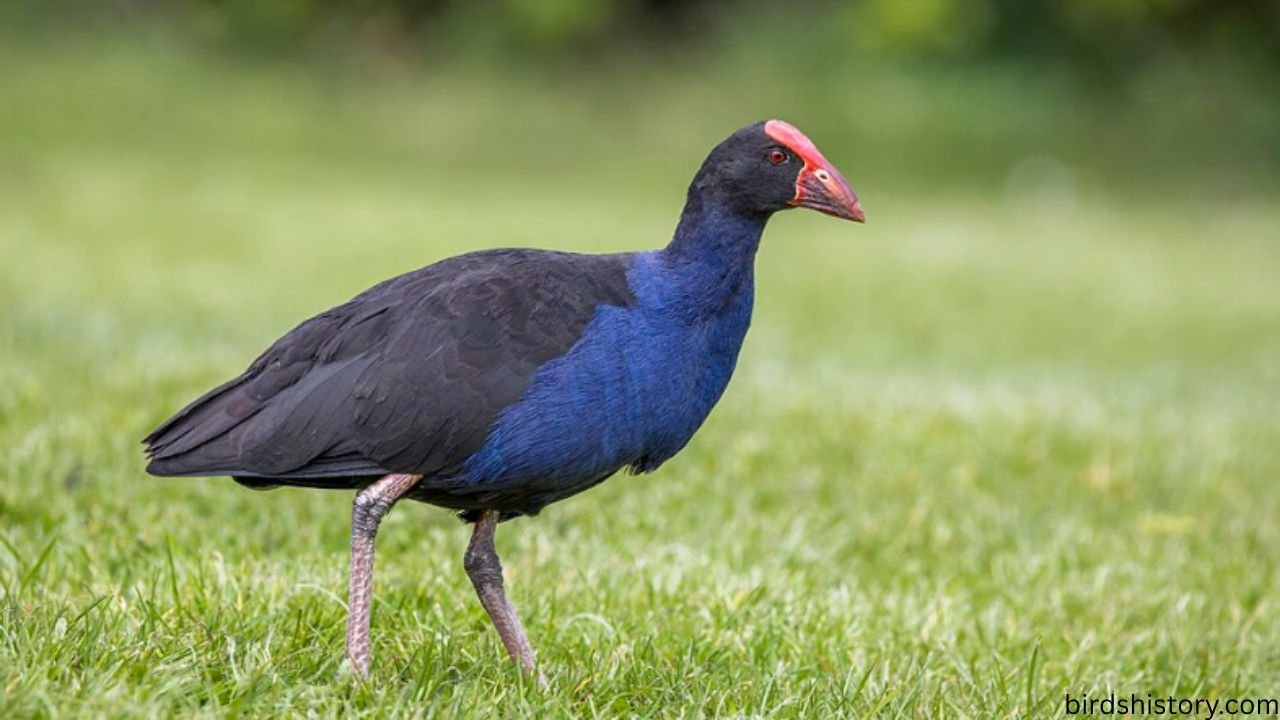
The Purple Swamphen is one of the most colorful and charismatic waterbirds in the world. With its vivid indigo-blue plumage, striking red bill, and long reddish legs, it stands out in any wetland landscape. Found across Europe, Asia, Africa, and Oceania, this bird is not only beautiful but also fascinating in its behavior.
What makes it especially interesting is its bold personality. Unlike many waterbirds that stay hidden, the Purple Swamphen often struts confidently through marshes and reed beds. It is also known for its unusual habit of using its strong toes like hands, holding stems of plants to strip them of seeds. A fun fact? In many cultures, this bird is woven into folklore and even held symbolic value, admired for its striking colors and fearless nature.
Taxonomy / Classification
- Common Name: Purple Swamphen
- Scientific Name: Porphyrio porphyrio
- Family: Rallidae
- Order: Gruiformes
- Class: Aves
Also read: /snowy-egret/
The Purple Swamphen belongs to the rail family, which includes moorhens and coots. Within its species, there are several subspecies spread across different continents, all sharing the same distinctive look but varying slightly in shades of color.
Physical Description
The Purple Swamphen is a medium-to-large bird with unique and easily recognizable features.
- Size: About 45–50 cm (18–20 inches) long.
- Wingspan: 90–100 cm (35–39 inches).
- Weight: 800–1,200 grams (1.7–2.6 pounds).
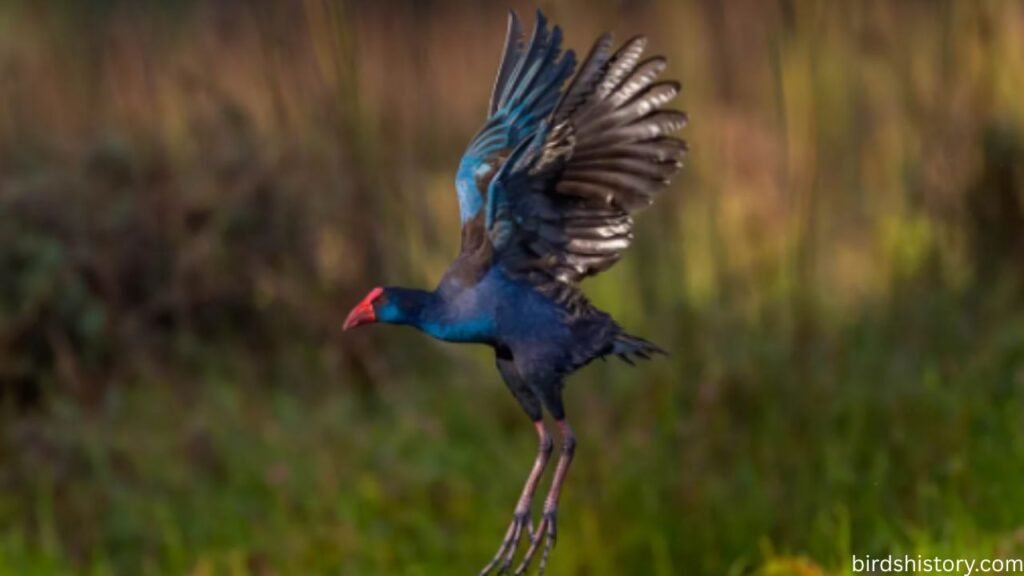
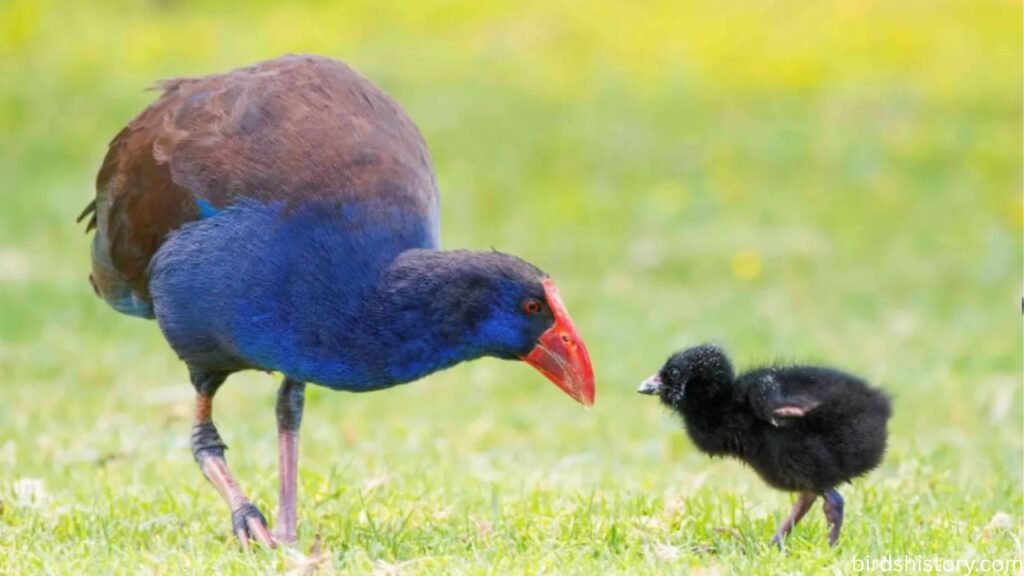
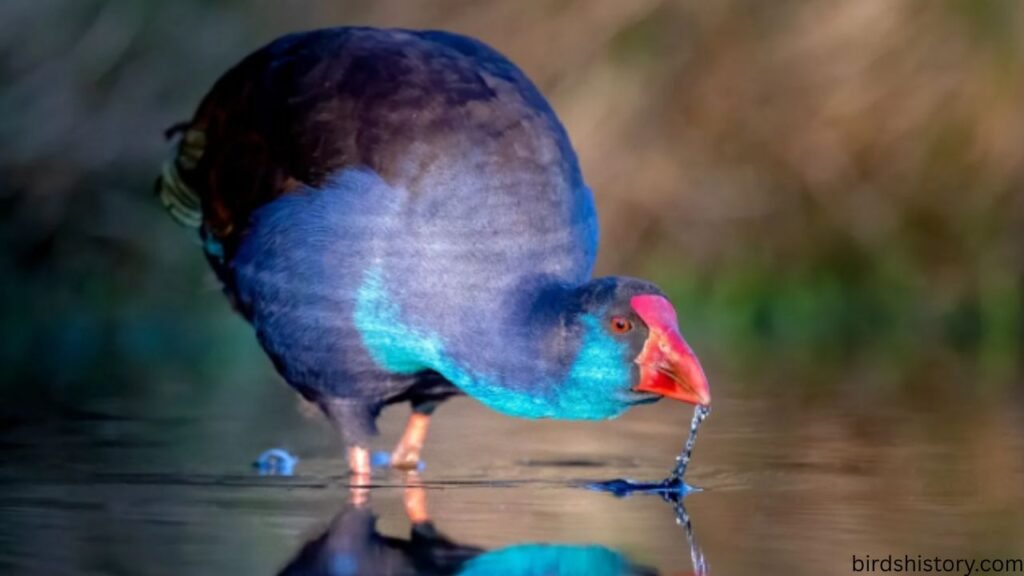
- Plumage: Deep purple-blue body with a glossy sheen, darker on the back and lighter on the breast.
- Beak and Shield: Thick, curved red bill with a bright red frontal shield extending onto the forehead.
- Legs and Feet: Long reddish-pink legs with oversized toes, adapted for walking on floating vegetation.
- Eyes: Reddish-brown, complementing the vivid beak.
- Sexual Dimorphism: Males and females look alike, though males are slightly larger.
- Juveniles: Brownish-gray with duller bills and legs, gradually developing their signature colors.
The combination of electric-blue plumage and striking red bill makes this bird impossible to mistake for anything else.
Habitat and Range
The Purple Swamphen thrives in wetland habitats.
- Geographical Range:
Found in Southern Europe, Asia, Africa, India, Australia, and New Zealand. Subspecies vary slightly depending on the region, with differences in plumage shade. - Preferred Habitat:
- Marshes and swamps
- Lakeshores and ponds with dense reeds
- Rice paddies and wetlands modified by humans
- Occasionally seen in urban lakes and water reservoirs
- Migration:
Generally sedentary, though some populations disperse locally depending on water availability.
Their reliance on wetlands means they are often indicators of healthy aquatic ecosystems.
Diet and Feeding Habits
Purple Swamphens are omnivores with interesting feeding strategies.
- Diet:
- Aquatic plants, reeds, and grasses
- Seeds, grains, and crops (they sometimes raid rice fields)
- Insects, snails, frogs, and small fish
- Occasionally eggs and chicks of other birds
- Feeding Technique:
They use their long toes like hands, grasping plant stems and pulling them up to feed. This human-like way of eating is one of their most remarkable traits. - Unique Behavior:
Bold around people, swamphens are often seen in open areas, unlike many other rails that hide in dense vegetation.
Behavior and Lifestyle
The Purple Swamphen leads a lively, social, and sometimes aggressive lifestyle.
- They are frequently observed in small family groups or flocks.
- Flight: Strong but short bursts of flight, usually low over water. They prefer to walk or run.
- Swimming: Though not as adept as ducks, they can swim if needed.
- Vocalizations: Loud, harsh calls including croaks and screeches, especially during territorial disputes.
- Mating Rituals: Courtship involves males presenting nesting materials and performing displays with their bills and shields.
They are bold and curious, often exploring human-modified landscapes without hesitation.
Reproduction and Lifespan
- Breeding Season: Spring and summer, though timing varies by region.
- Nesting: Build large nests of reeds and grasses, usually on floating platforms or in dense vegetation.
- Eggs: 3–6 buff-colored eggs with brown speckles.
- Incubation: Lasts about 23–27 days, shared by both parents.
- The chicks are born with black down and red beaks, and since they are precocial, they can leave the nest soon after they hatch.
- Fledging: Young are cared for by both parents and sometimes older siblings.
- Lifespan: Around 9–12 years in the wild, longer in captivity.
Cooperative breeding—where older offspring help raise younger chicks—has been observed in some populations, making them fascinating subjects for behavioral studies.
Predators and Threats
- Natural Predators:
- Raptors (hawks, eagles)
- Mammals such as foxes and feral cats
- Monitor lizards and snakes (eggs and chicks)
- Environmental Threats:
- Wetland drainage for agriculture and urban expansion
- Pollution and pesticide use
- Climate change affecting water levels
- Human Impact:
In some regions, swamphens raid crops, leading to conflict with farmers. However, they are also admired and protected in many areas due to their beauty.
Conservation Status
- IUCN Red List: Least Concern
- Population Trend: Stable or increasing in many areas due to adaptability.
- Conservation Efforts:
- Wetland protection programs
- Legal protection in many countries
- Public education about their role in ecosystems
Their resilience and adaptability ensure they are not currently at risk, though local populations may face pressure.
Interesting Facts about the Purple Swamphen
- The Purple Swamphen is sometimes called the “sultana bird” because of its regal appearance.
- It is the national bird of New Zealand, where it is known as the pūkeko.
- In Maori mythology, the swamphen is revered and appears in traditional stories.
- Their habit of using feet like hands is rare among birds.
- They often engage in noisy territorial disputes, chasing away rivals with dramatic wing-flapping.
- They are known to form extended family groups, with older siblings helping to rear chicks.
- Swamphens are excellent indicators of wetland health because of their reliance on aquatic vegetation.
- Their frontal shield becomes brighter red during breeding, signaling health and strength.
- Fossil evidence shows swamphens have existed for millions of years.
- Their striking colors and bold behavior make them favorite subjects for photographers.
Conclusion
The Purple Swamphen is more than just a colorful wetland bird. Its vibrant plumage, bold personality, and unusual feeding habits make it one of the most fascinating members of the rail family. Whether it’s walking along the edges of a marsh or delicately feeding with its long toes, every action of this bird shows its adaptability and unique character.
Though not endangered, the species reminds us of the importance of protecting wetlands—habitats that support countless creatures, including humans. Whether you see it in a rice field in Asia, a lagoon in Europe, or a marsh in New Zealand, the Purple Swamphen is sure to catch your eye and spark curiosity.
FAQs
1. What is the scientific name of the Purple Swamphen?
Porphyrio porphyrio.
2. Where can you find Purple Swamphens?
They are widespread across Europe, Asia, Africa, Australia, and New Zealand.
3. Why are they called Purple Swamphens?
Because of their vivid indigo-blue plumage that looks purple in sunlight.
4. What do they eat?
They eat aquatic plants, seeds, insects, frogs, and sometimes eggs of other birds.
5. Are they good swimmers?
Yes, though they prefer walking through wetlands, they can swim when needed.
6. Do they migrate?
Most are resident, but some northern populations disperse seasonally.
7. How many eggs do they lay?
Typically 3–6 eggs per clutch.
8. How long do they live?
On average, 9–12 years in the wild.
9. Are Purple Swamphens endangered?
The IUCN has classified them as a species of “Least Concern.”
10. What makes them unique?
Their vibrant plumage, red bill, bold behavior, and use of feet like hands.