The Opium Bird- How a Viral AI Creature Fooled the Internet in 2023
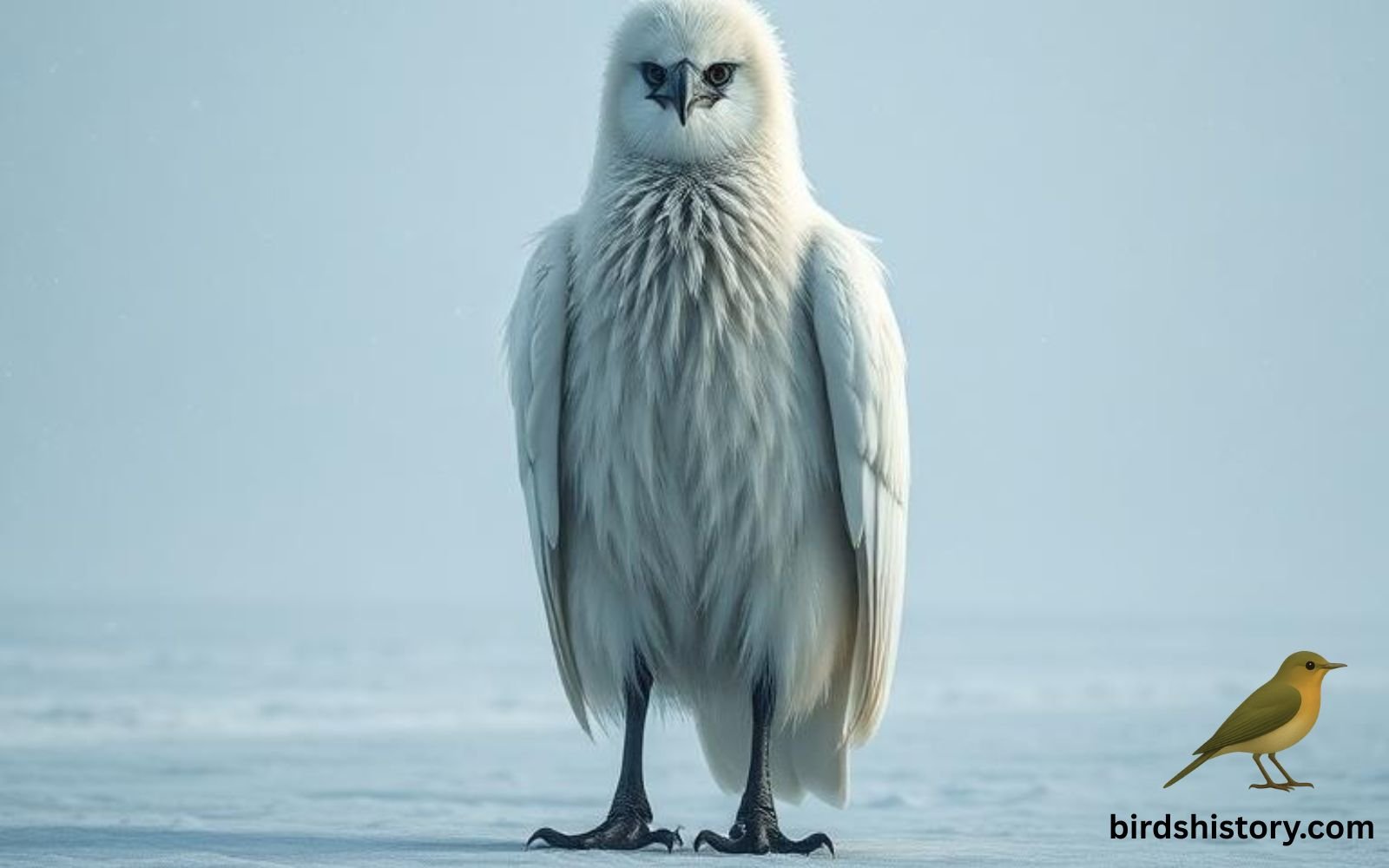
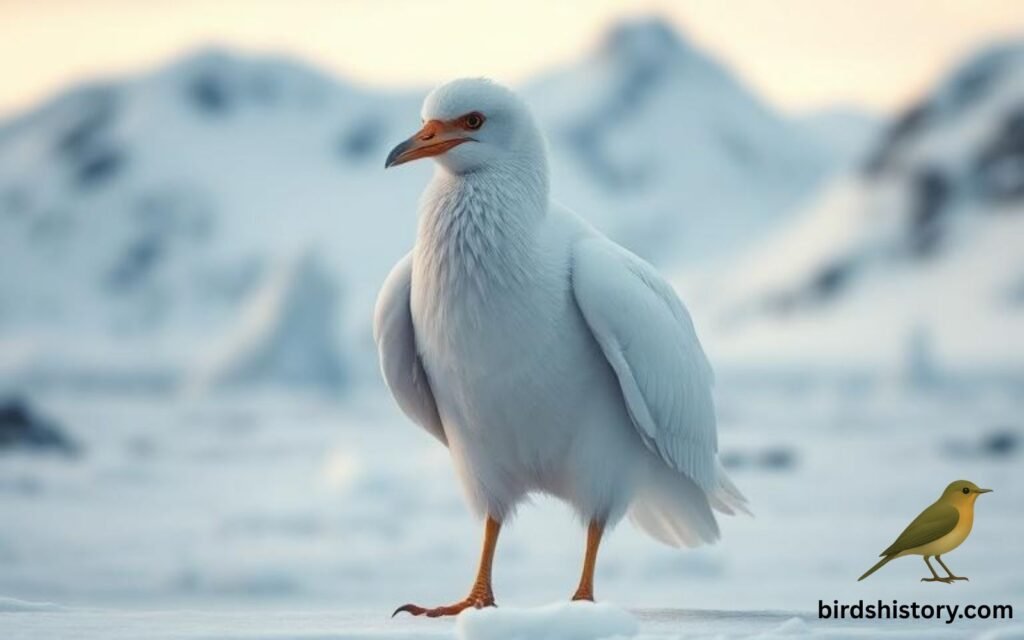
The internet has a strange habit of turning shadows into legends. The Opium Bird is one of those legends. At first glance, it looked like a towering, shaggy white giant walking across Antarctic ice. Within days, this so-called AI-generated bird transformed into a full-blown TikTok viral creature, spreading through feeds faster than anyone expected.
Curiosity fueled the obsession. People kept asking, What is the Opium Bird, and why does it feel so real? The answer lies in a perfect storm of social media virality, clever editing, and human imagination. What started as an AI hoax evolved into a gripping viral myth, blending nature, fear, and digital storytelling.
Introduction
In late 2023, a mysterious clip showed a massive shaggy white bird in Antarctica wandering across endless snow. The framing resembled a wildlife documentary. Many viewers believed they were seeing a newly discovered Antarctic bird hidden in the frozen south. Others sensed something felt slightly off.
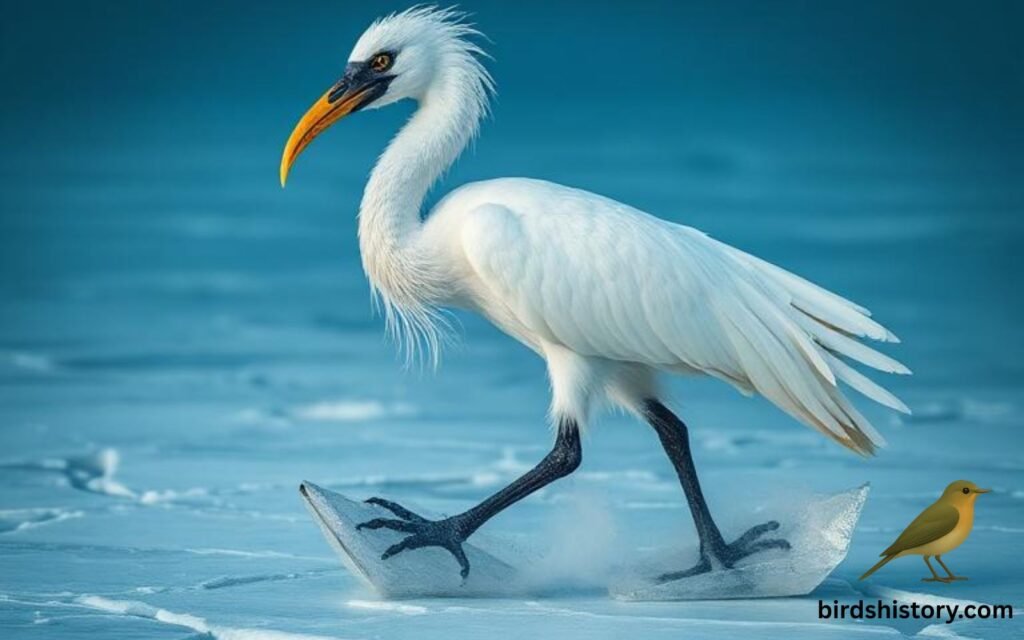
Soon the creature gained two identities: the Erosion Bird and the Opium Bird. The nickname stuck and spread rapidly. Online communities treated it as emerging digital folklore, a fresh chapter of modern mythology shaped entirely by algorithms and imagination.
The Birth of a Modern Myth: AI Meets TikTok
Every legend begins somewhere. In this case, visual artist Dre VFX designed the creature using advanced rendering software and layered sound editing. The now-famous AI-generated Opium Bird TikTok clip combined cinematic snowstorms with a calm narrator voice, giving the illusion of scientific authority.
TikTok’s structure amplified it instantly. Videos labeled under TikTok AI myths often thrive because they blur fact and fiction. The Opium Bird became a textbook example of a viral AI creature engineered for impact. It joined a growing archive of AI-created viral myths that thrive on emotional tension and curiosity.
Anatomy of the Opium Bird: What Makes It Believable
Believability comes from familiarity. The Opium Bird borrowed traits from real wildlife. Its hunched posture strongly resembled the Marabou Stork. Its dramatic feather crown mirrored the Philippine Eagle. Meanwhile its face evoked the haunting stare of the Great Grey Owl and the pale mask of the Barn Owl, often described as a natural hypnotic gaze bird.
Its curved bill reflected the crushing power of the Shoebill Stork beak, especially the famous Shoebill Stork hooked beak design. Claims of vocal mimicry connected it to the Lyrebird and Northern Mockingbird, experts in mimicking birds in nature. Its icy setting echoed the aggressive South Polar Skua Antarctic predator, known for bold South Polar Skua behavior in the harsh Arctic environment.
Real Bird Comparison Table
| Opium Bird Feature | Real Species | Shared Characteristic |
|---|---|---|
| Tall stooped shape | Marabou Stork | Scavenger posture |
| Shaggy crest | Philippine Eagle | Feathered crown |
| Pale circular face | Barn Owl | Facial disk for sound |
| Massive curved bill | Shoebill Stork | Powerful crushing beak |
| Voice imitation | Lyrebird, Northern Mockingbird | Complex bird mimicry |
| Polar hunting ground | South Polar Skua, Snow Petrel | Survival in polar climate |
These comparisons sparked searches like Birds that inspired Opium Bird and phrases such as Opium Bird Marabou Stork resemblance or Philippine Eagle inspiration for myth. The realism worked because nature already contains extraordinary forms.
Opium Bird in Popular Culture
Once the video spread, creativity exploded. The Opium Bird entered meme pages, gaming edits, and parody documentaries. Discussions around the Opium Bird meme and viral trend appeared across Reddit threads and short-form videos. Humor mixed with fear.
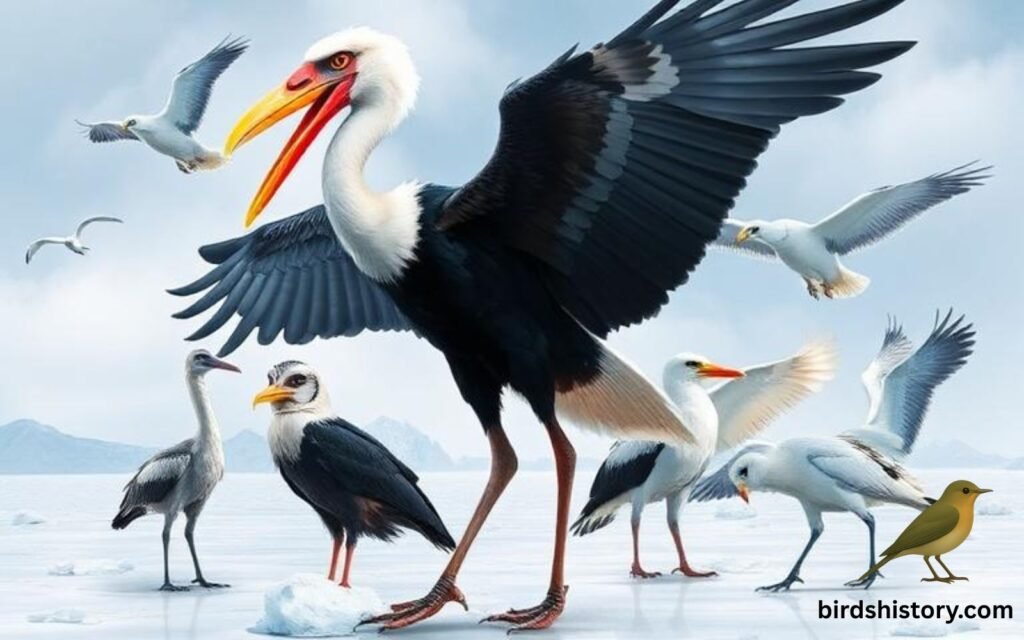
Some creators portrayed it as an Antarctic god bird, weaving elaborate backstories. Others linked it to fictional Birdfolk mythology rooted in themes of Erosion and decay in mythology. This collaborative storytelling turned the creature into shared collaborative digital folklore, strengthening its place in online culture.
Is the Opium Bird Real? Debunking the Hoax
Scientific databases list thousands of avian species. None match the Opium Bird. The Opium Bird hoax explained discussions clarified that the footage was digitally fabricated. Lighting patterns and motion blur revealed artificial rendering techniques common in visual effects work.
Yet the question Why people believed Opium Bird remains fascinating. Real animals already display similar features. When viewers compared it to real birds like Opium Bird, including polar rare birds, the illusion felt credible. Plausibility bridged the gap between skepticism and belief.
Aliases and Internet Identity of the Opium Bird
Names carry symbolic weight. The original title Erosion Bird suggested decay shaped by time and ice. When renamed Opium Bird, the tone shifted toward mystique and surrealism. That rebranding helped it gain personality and momentum.
The expanding Erosion Bird mythology story demonstrated how internet users co-create legends. Each new nickname fueled Opium Bird digital folklore, embedding the creature deeper into evolving modern mythology shaped by social platforms.
Biographical Fun Facts of the Opium Bird (Fictional)
Legends rarely stop at appearance. Online storytellers built an elaborate background for the Opium Bird. In several viral threads, users described its Opium Bird personality as calm yet ancient, a solitary guardian wandering frozen wastelands. Some narratives framed it as the last survivor of a forgotten polar civilization rooted in Birdfolk mythology.
One popular version painted it as an Antarctic god bird devoted to balance and erosion. This imaginative layer tied directly into themes of Erosion and decay in mythology, suggesting that destruction clears space for renewal. Through this storytelling, the Opium Bird shifted from simple AI-generated bird to symbolic figure within expanding collaborative digital folklore.
Fictional Timeline Table
| Fictional Era | Myth Event | Narrative Meaning |
|---|---|---|
| Ancient Polar Age | Birdfolk civilization thrives | Harmony with nature |
| Era of Collapse | Ice storms and extinction | Fragility of life |
| Last Survivor | Opium Bird wanders alone | Memory keeper |
| Modern Sightings | Viral rediscovery online | Digital rebirth |
Physical Description of the Opium Bird (Fictional Traits)
Descriptions of the Opium Bird often highlight exaggerated scale. Posts discussing Opium Bird height and appearance estimate it between eight and fourteen feet tall. Its thick feathers resemble fur more than plumage. That texture reinforces the image of a shaggy white bird in Antarctica built for survival.
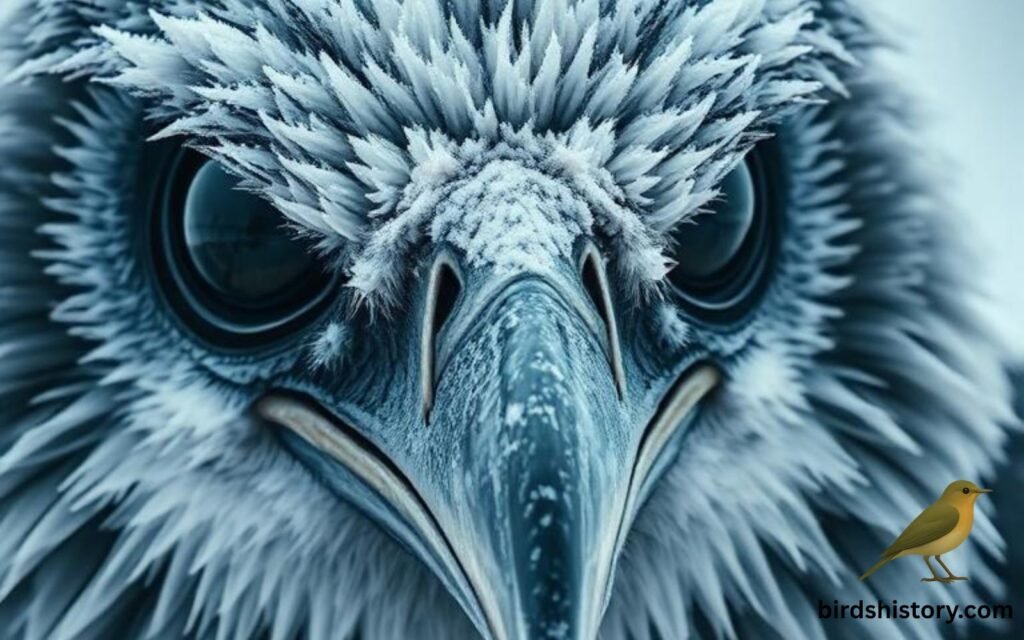
Observers describe its eyes as dark and reflective like those of a Great Grey Owl. Its beak curves downward similar to the massive Shoebill Stork beak. These blended traits strengthen connections to real birds like Opium Bird, particularly the Philippine Eagle endangered population and towering wetland predators.
Trait Breakdown Table
| Trait | Fictional Description | Real Inspiration |
|---|---|---|
| Height | 8–14 feet | Exaggerated raptor scale |
| Feather Texture | Thick shaggy coat | Cold-climate species |
| Eye Structure | Deep black stare | Barn Owl, Great Grey Owl |
| Beak Curve | Heavy hooked shape | Shoebill Stork hooked beak |
| Vocal Ability | Human-like mimicry | Lyrebird mimicry behavior |
Lessons from the Hoax: Media Literacy and AI Awareness
The Opium Bird teaches more than internet humor. It exposes how quickly AI-created viral myths influence perception. When realistic lighting meets confident narration, viewers suspend doubt. The blend of cinematic style and authority can override instinct.
Understanding the mechanics behind this AI hoax encourages stronger media literacy. Audiences must question dramatic wildlife discoveries, especially those tied to emotional storytelling. The rise of TikTok AI myths signals a new era where synthetic media spreads faster than verification. Critical thinking now matters more than ever.
Conservation Insights Inspired by the Opium Bird
Ironically, a fictional creature sparked interest in genuine wildlife. Many people searching Birds that inspired Opium Bird discovered vulnerable species. The Philippine Eagle endangered status highlights ongoing habitat loss in Southeast Asia. Meanwhile, the Shoebill Stork faces pressure from wetland destruction and illegal trade.
Even polar species deserve attention. The South Polar Skua Antarctic predator thrives in extreme conditions yet depends on fragile ecosystems. The delicate Snow Petrel relies on stable ice formations. This viral story can inspire meaningful reflection about wildlife conservation and protection of endangered species worldwide.
Conservation Comparison Table
| Species | Conservation Concern | Key Threat |
|---|---|---|
| Philippine Eagle | Critically endangered | Deforestation |
| Shoebill Stork | Vulnerable | Wetland drainage |
| South Polar Skua | Climate sensitive | Ice ecosystem change |
| Snow Petrel | Polar specialist | Climate warming |
These connections create powerful Endangered birds conservation lessons. A myth may fade, yet real ecosystems remain at risk.
The Opium Bird Meme Phenomenon
Humor kept the legend alive. The Opium Bird meme and viral trend ranged from horror edits to playful parody. Some creators imagined it applying for jobs. Others staged dramatic “sightings” in suburban neighborhoods. Each remix expanded the narrative web.
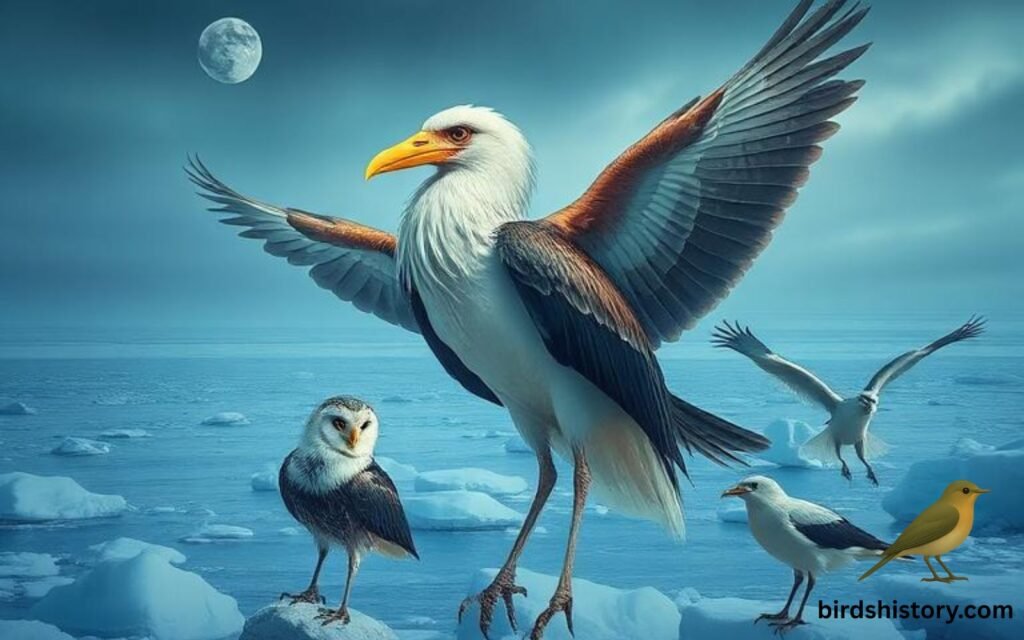
This playful reinvention demonstrates how social media virality reshapes storytelling. What began as an AI-generated Opium Bird TikTok evolved into lasting Opium Bird digital folklore. Through repetition and exaggeration, a fictional mythical bird achieved cultural permanence.
FAQs About the Opium Bird
What is Opium Bird 2027?
“Opium Bird 2027” refers to a viral internet rumor predicting future sightings of the fictional Opium Bird. It grew from TikTok edits and speculative storytelling. There is no scientific evidence behind it.
What does an Opium Bird symbolize?
The Opium Bird often symbolizes mystery, decay, and rebirth in digital folklore. Some fans connect it to themes of isolation and nature’s power. Its meaning changes depending on the story being told.
What is the 2027 bird meme?
The 2027 bird meme is an online joke suggesting the Opium Bird will appear or return in 2027. It blends humor, fake prophecy, and horror-style editing. The meme thrives on suspense and exaggeration.
How much do Opium Birds cost?
Opium Birds do not cost anything because they are fictional. They are digital creations made through video editing and AI tools. No real species is sold under this name.
Is the Opium Bird still alive?
The Opium Bird was never alive in the real world. It is an AI-generated concept that exists only in videos and memes. There are no biological records of such a bird.
What is opium famous for?
Opium is famous as a powerful narcotic derived from the poppy plant. It has been used historically for pain relief and medicine. However, it is also known for addiction and illegal drug trade issues.
What does this 🕊 emoji mean?
The 🕊 emoji represents a dove. It usually symbolizes peace, hope, love, or spiritual freedom. People often use it in messages about harmony or remembrance.
What is a bird 🐦?
A bird 🐦 is a warm-blooded animal with feathers, wings, and a beak. Most birds can fly, though some cannot. They lay eggs and belong to the class Aves.
Which bird is the most spiritual?
Many cultures consider the dove the most spiritual bird because it represents peace and divine presence. In other traditions, the eagle symbolizes strength and higher vision. Spiritual meaning often depends on cultural beliefs.
Final Thoughts
The Opium Bird stands as a case study in digital imagination. It merges wildlife fascination with advanced editing tools. Through clever design, it blurred boundaries between science and fiction. That tension fueled debate and wonder.
Ultimately, this viral myth reveals something profound. Humans crave mystery. We look for giants in the snow. Yet while chasing legends, we must not overlook real rare birds struggling in fragile habitats. Sometimes the truth is just as astonishing as fiction.