The Eurasian Coot: A Feisty Waterbird with Character
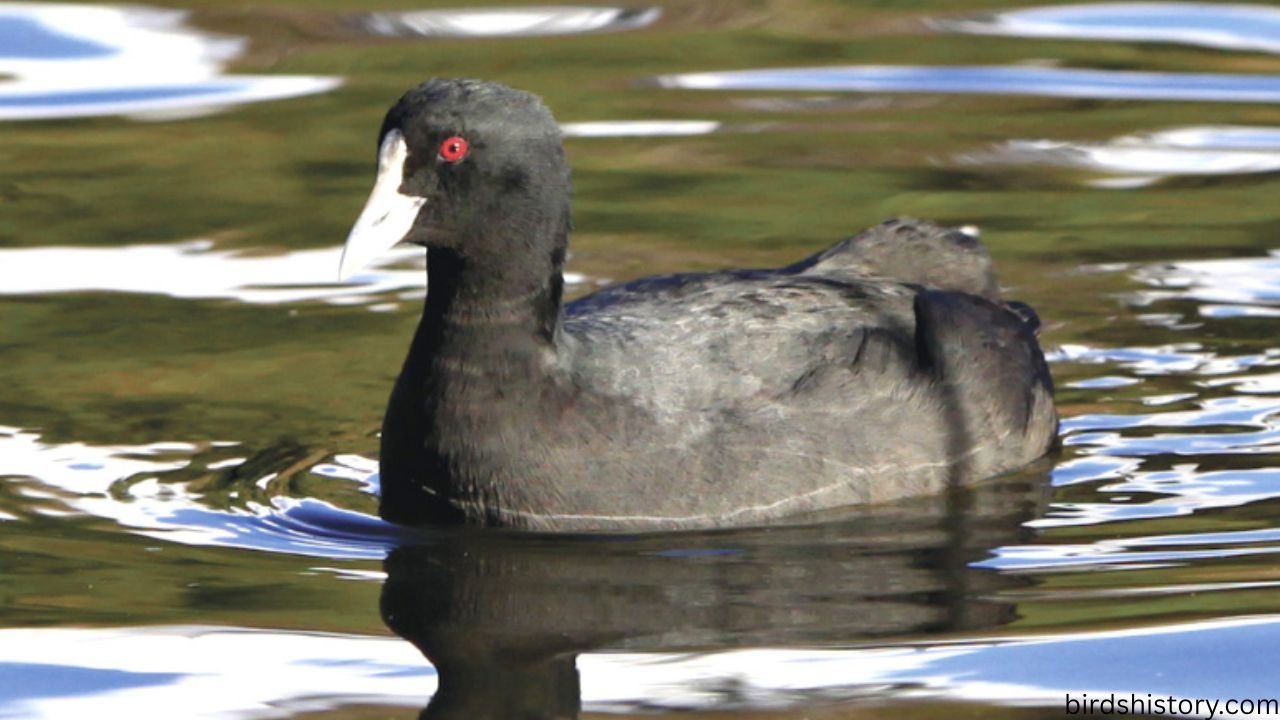
The Eurasian Coot is one of those birds you can’t miss once you know it. Sleek black body, stark white bill, and a bold personality—it’s a waterbird that brings drama and charm to ponds, lakes, and wetlands across Europe, Asia, Africa, and Australia.
What makes the Eurasian Coot interesting is not just its looks but its behavior. These birds are fiercely territorial and have no problem picking fights with neighbors, even birds larger than themselves. At the same time, they are excellent swimmers and divers, often disappearing underwater in search of food. A fun fact? Their feet are not webbed like a duck’s but instead have lobed toes, giving them extra speed and maneuverability in the water.
Eurasian Coot Taxonomy / Classification
- Common Name: Eurasian Coot
- Scientific Name: Fulica atra
- Family: Rallidae
- Order: Gruiformes
- Class: Aves
Also read: /snowy-egret/
This classification places the Eurasian Coot in the rail family, which includes moorhens and other secretive waterbirds. Unlike many of its shy relatives, however, the coot is bold, noisy, and often seen in plain sight.
Eurasian Coot Physical Description
The Purple Swamphen is a medium-to-large bird that has distinctive and easily identifiable characteristics.
- Size: 36–42 cm (14–16.5 inches) in length.
- Wingspan: 70–80 cm (28–31 inches).
- Weight: 585–1,200 grams (1.3–2.6 pounds).
- Plumage: Mostly dark gray to black.
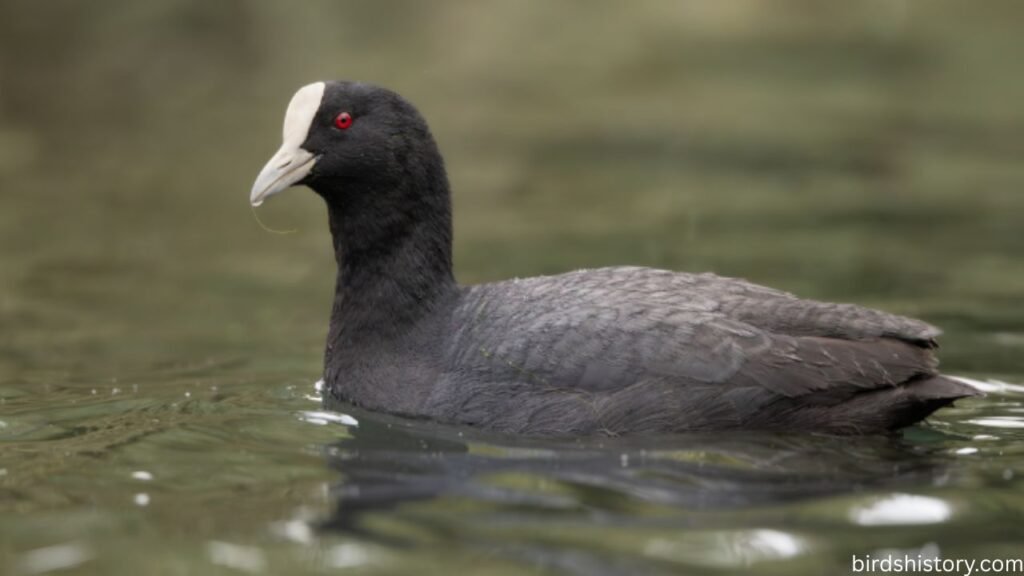
- Beak and Shield: White bill with an extension up the forehead called a frontal shield, a trademark feature.
- Legs and Feet: Gray-green legs with distinctive lobed toes, not webbed like ducks.
- Eyes: Bright red eyes that stand out against the dark feathers.
- Male vs. Female: Both sexes look similar, though males are slightly larger.
- Juveniles: Grayish with pale underparts and a duller bill.
During breeding season, the frontal shield becomes larger and more pronounced, especially in males, giving them a more aggressive look.
Habitat And Range Of Eurasian Coot
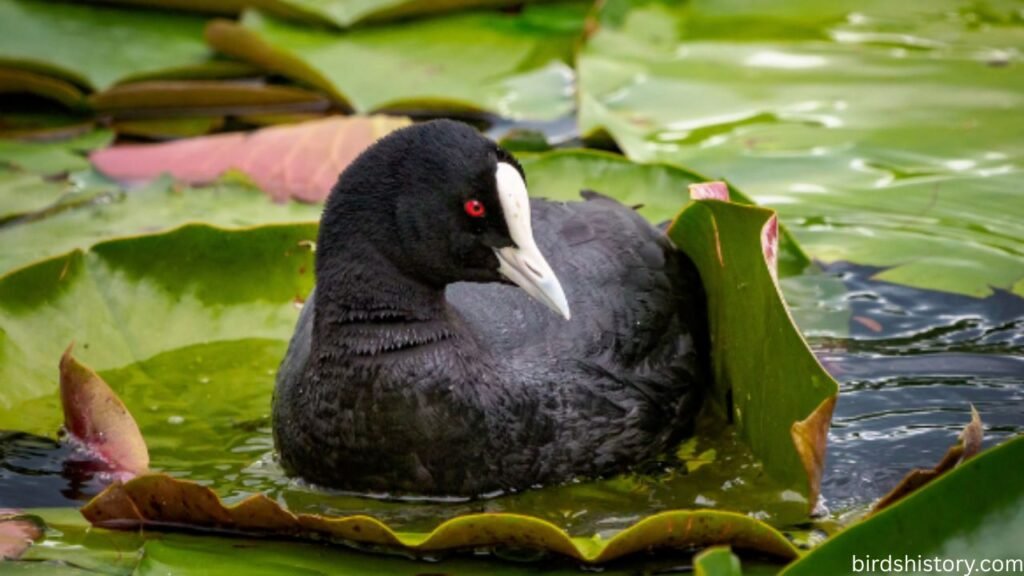
The Eurasian Coot is a true cosmopolitan bird, found in diverse environments across multiple continents.
- Geographical Range:
- Europe and Asia (from the UK to Japan)
- North Africa and the Middle East
- Australia and New Zealand
- Preferred Habitat:
- Freshwater lakes, ponds, reservoirs, and rivers
- Marshes and slow-moving wetlands
- Occasionally brackish waters in coastal regions
- Migration:
Northern populations migrate south in winter, while others in temperate climates are resident year-round.
Their ability to adapt to both natural and man-made habitats (like urban lakes and reservoirs) makes them a common sight for birdwatchers.
Diet and Feeding Habits
Eurasian Coots are opportunistic feeders with a wide-ranging diet.
- Diet:
- Aquatic plants and algae
- Small fish
- Invertebrates (insects, mollusks, worms)
- Eggs of other birds (occasionally)
- Feeding Technique:
They dive underwater for vegetation and small prey, often staying submerged for up to 15 seconds. They also graze on land, picking at grasses. - Unique Behavior:
They are notorious food thieves, often stealing plants or prey caught by ducks, swans, or other waterbirds.
This flexible diet helps them thrive in varied environments.
Eurasian Coot Behavior and Lifestyle
If one word describes the Eurasian Coot, it’s bold.
- Social Behavior:
They are generally gregarious outside breeding season, forming flocks in winter, but fiercely territorial during nesting. - Aggression:
Known for dramatic fights, splashing across the water and striking each other with feet and wings. - Flight:
They need a running start across the water to take off but can fly long distances during migration. - Calls:
Loud, sharp, and repetitive calls—often described as “kew-kew” or “coot-coot.” - Swimming:
Excellent swimmers thanks to lobed toes. They can dive with ease and resurface smoothly.
Their lively, often combative behavior adds entertainment to any wetland.
Reproduction and Lifespan of Eurasian Coot
- Breeding Season: Spring to early summer.
- They construct floating nests out of reeds and grasses, anchoring them in shallow water.
- Eggs: 6–10 eggs, pale buff with dark speckles.
- Incubation: Around 21–24 days, mainly by the female.
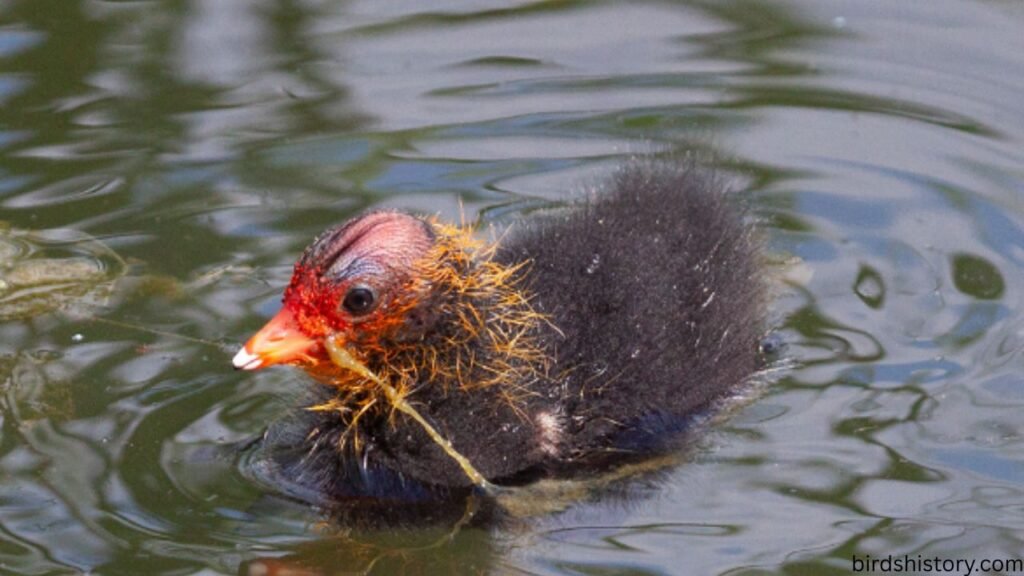
- Chicks: Covered in black down with orange-red heads and bright blue tips on their bills—an unusual and striking appearance.
- Fledging: Young fledge at 6–8 weeks but may remain dependent on parents for longer.
- Lifespan: Typically 9–10 years in the wild.
Interestingly, Eurasian Coots sometimes practice brood reduction, with parents neglecting weaker chicks to ensure stronger ones survive.
Predators and Threats
- Natural Predators:
- Foxes, mink, and raccoons (eggs and chicks)
- Large raptors like eagles and hawks
- Gulls and crows often steal eggs
- Environmental Threats:
- Wetland loss through drainage and urban development
- Pollution affecting water quality and plant growth
- Climate change altering water levels and habitat availability
- Human Impact:
Though adaptable, they sometimes clash with fishermen or are considered pests in certain areas due to overpopulation in artificial lakes.
Eurasian Coot Conservation Status
- IUCN Red List: Least Concern
- Population Trend: Stable and increasing in some regions due to adaptability.
- Conservation Efforts:
- Wetland protection initiatives
- Monitoring populations in areas of rapid urbanization
- Education programs highlighting their ecological role
Their resilience and adaptability mean they are not currently at risk, though local threats exist.
Interesting Facts About The Eurasian Coot
- The expression “bald as a coot” comes from the coot’s white frontal shield, not actual baldness.
- Coots are excellent divers, capable of reaching depths of up to 7 meters.
- They are one of the most aggressive waterbirds, often chasing swans and geese.
- Their chicks’ bright orange heads are thought to stimulate feeding from parents.
- In some countries, coots were historically hunted for food.
- They are known to kill or abandon weaker chicks in large broods.
- Unlike ducks, coots have lobed toes instead of fully webbed feet.
- They often form large winter flocks, sometimes numbering in the thousands.
- Their global range makes them one of the most familiar waterbirds worldwide.
- They are related to moorhens but behave much more aggressively.
Conclusion
The Eurasian Coot is a bird that’s notable for its boldness, adaptability, and distinct look. With its black plumage, white bill, red eyes, and feisty behavior, it’s hard to ignore. From confronting swans to plunging deep for food, this bird demonstrates amazing resilience and character.
Its adaptability has allowed it to thrive across continents, making it one of the most widespread waterbirds in the world. By protecting wetlands and understanding their ecological role, we ensure that these fascinating birds continue to bring life and drama to lakes and rivers everywhere.
So, next time you spot a black bird with a white bill paddling on the water, stop and watch—you might witness the feisty Eurasian Coot in action.
FAQs About Eurasian Coot
1. What is the scientific name of the Eurasian Coot?
Fulica atra.
2. Where can you find Eurasian Coot?
Found in freshwater lakes and wetlands throughout Europe, Asia, Africa, and Australia.
3. Why do they have white bills?
The bill and frontal shield are natural features used for display and aggression.
4. What do Eurasian Coots eat?
Aquatic plants, insects, small fish, and invertebrates.
5. Are they aggressive?
Yes, particularly during the breeding season, when they aggressively defend their territories.
6. How many eggs do they lay?
Typically 6–10 speckled eggs.
7. How long do Eurasian Coot live?
On average 9–10 years in the wild.
8. Do Eurasian Coot migrate?
Northern populations migrate south in winter, while others remain resident.
9. Are they endangered?
According to the IUCN, the species is classified as being of Least Concern.
10. What makes Eurasian Coot feet special?
They have lobed toes, not webbed feet, which make them powerful swimmers and divers.