
The Complete Guide to Conure Birds- Care, Diet, and Personality 2026
Conure birds are among the most popular small parrots in the United States, loved for their bright colors, playful energy, and affectionate personalities. A conure bird is known for forming strong bonds with its owner, often acting more like a tiny feathered companion than a typical pet. Their curious nature, expressive eyes, and entertaining antics make them a favorite choice for families, singles, and apartment dwellers alike.
However, owning a conure is more than just enjoying their beauty. These intelligent companion parrots require daily interaction, proper nutrition, mental stimulation, and long-term commitment. With a lifespan of up to 30 years, bringing home a conure means planning for decades of care and responsibility. Understanding their personality, noise level, diet, housing needs, and training requirements is essential before adoption. This guide will help you decide whether a conure bird is the right fit for your home and lifestyle.
What Is a Conure?
A conure bird is a small to medium-sized parrot species belonging to the Arinae subfamily of New World parrots. These birds are known for their long tails, curved beaks, vibrant plumage, and expressive personalities. The word “conure” is commonly used in the U.S. pet trade to describe various species of small South American parrots.
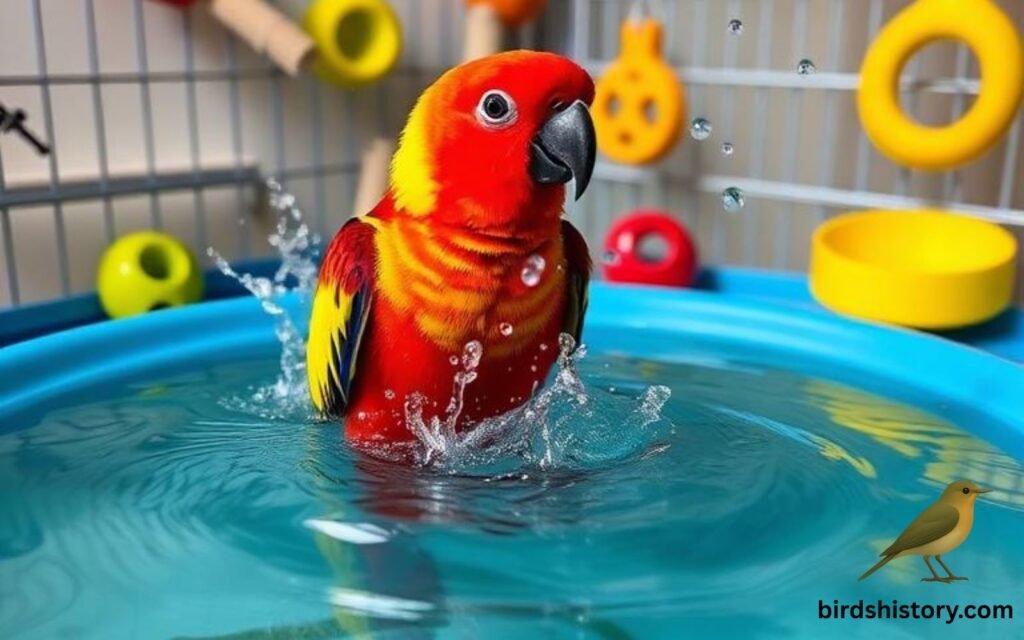
Unlike larger parrots such as macaws or African greys, pet conures are more compact but still highly intelligent. They thrive on social interaction, mental stimulation, and consistent daily attention from their owners.
Native Region and Natural Habitat
In the wild, conure birds are native to Central America and South America, including countries like Brazil, Argentina, Peru, and Venezuela. They live in tropical forests, savannas, woodlands, and even urban areas.
Wild conure populations are highly social and often travel in flocks. Their natural environment includes trees for nesting, open skies for flight, and access to fruits, seeds, nuts, and vegetation. Understanding their natural habitat helps American bird owners replicate a more enriching indoor environment.
Types of Conures (Species Overview)
There are dozens of conure species, but a few are especially popular in the United States. Each type of conure birds has its own personality traits, noise levels, and care requirements.
Green-cheeked Conure
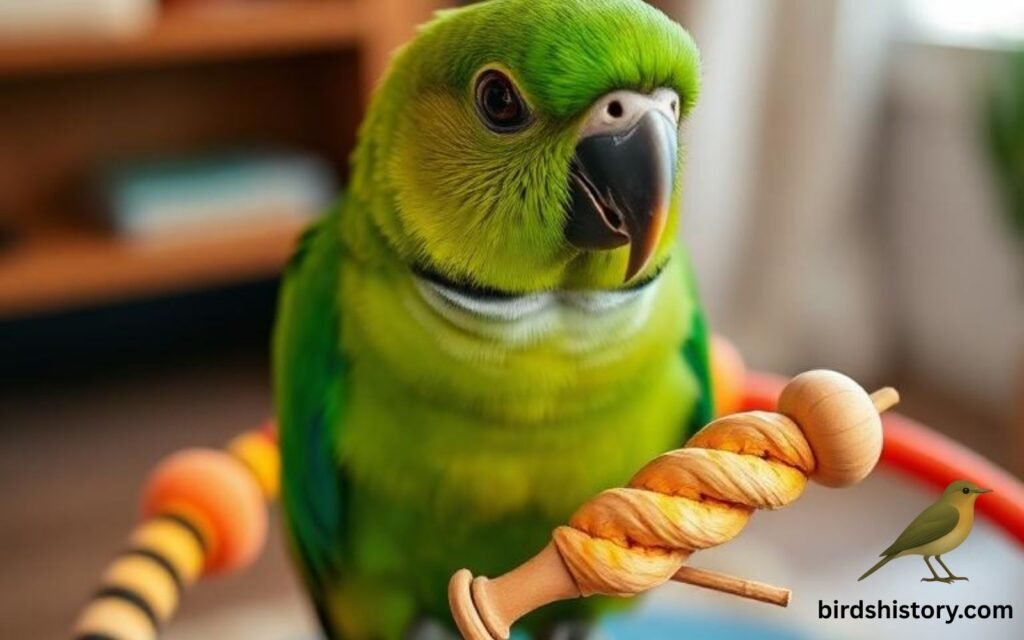
The Green-cheeked Conure is one of the most popular pet conure birds in the U.S. due to its smaller size and relatively quieter nature. These birds are affectionate, playful, and known for their clown-like behavior. They adapt well to apartment living compared to louder species.
Sun Conure
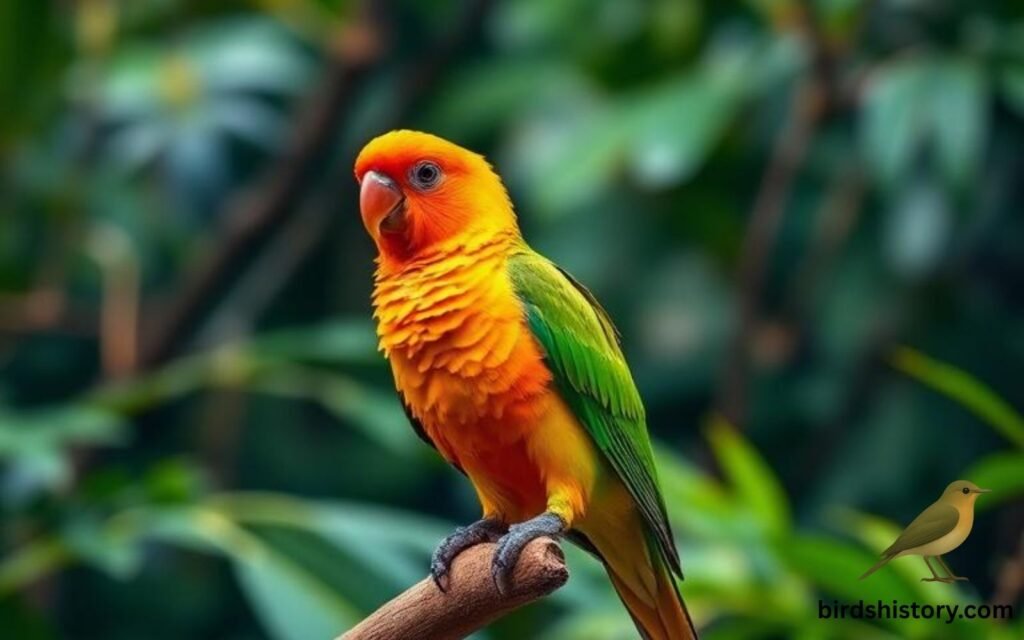
The Sun Conure is famous for its bright yellow, orange, and green feathers. However, they are among the loudest conure species. Sun conures are highly social and thrive in homes where they receive plenty of daily attention.
Jenday Conure
Closely related to the sun conure, the Jenday Conure features vivid orange faces and green wings. They are energetic, affectionate, and very vocal.
Blue-crowned Conure
The Blue-crowned Conure gained popularity in the U.S. after appearing in movies and media. They are intelligent, capable of learning words, and generally slightly calmer than sun conures.
Nanday Conure
The Nanday Conure has a distinctive black face mask and bright green body. They are hardy birds but can be quite loud, making them better suited for houses rather than apartments.
Comparison of Popular Conure Species
| Species | Average Size | Noise Level | Lifespan | Best For |
|---|---|---|---|---|
| Green-cheeked Conure | 10 inches | Moderate | 20–30 years | Apartments, beginners |
| Sun Conure | 12 inches | Very Loud | 20–30 years | Experienced owners |
| Jenday Conure | 12 inches | Loud | 25–30 years | Active households |
| Blue-crowned Conure | 14–15 inches | Moderate | 25–30 years | Families |
| Nanday Conure | 11–12 inches | Loud | 20–30 years | Homes with space |
Lifespan and Long-Term Commitment
A healthy conure bird can live between 20 to 30 years in captivity with proper care. Some even live longer with excellent avian veterinary care and balanced nutrition.
Owning a conure is not a short-term decision. For U.S. families, this means planning for decades of responsibility, including veterinary expenses, proper diet, daily interaction, and enrichment. A conure is often compared to adopting a toddler with wings — energetic, emotional, and deeply attached to its human flock.
Personality and Behavior
Conure birds are known for their bold, affectionate, and playful personalities. Many owners describe them as “big birds in small bodies.” They form strong bonds and often become very attached to one person.
However, without proper behavior training and socialization, conures can develop issues like screaming, biting, or feather plucking. Consistent routines, positive reinforcement, and daily mental stimulation are critical in maintaining good behavior.
Speech and Noise Level
Not all conures are strong talkers, but some species, particularly the Blue-crowned Conure, can learn several words and phrases. Their voices are high-pitched but expressive.
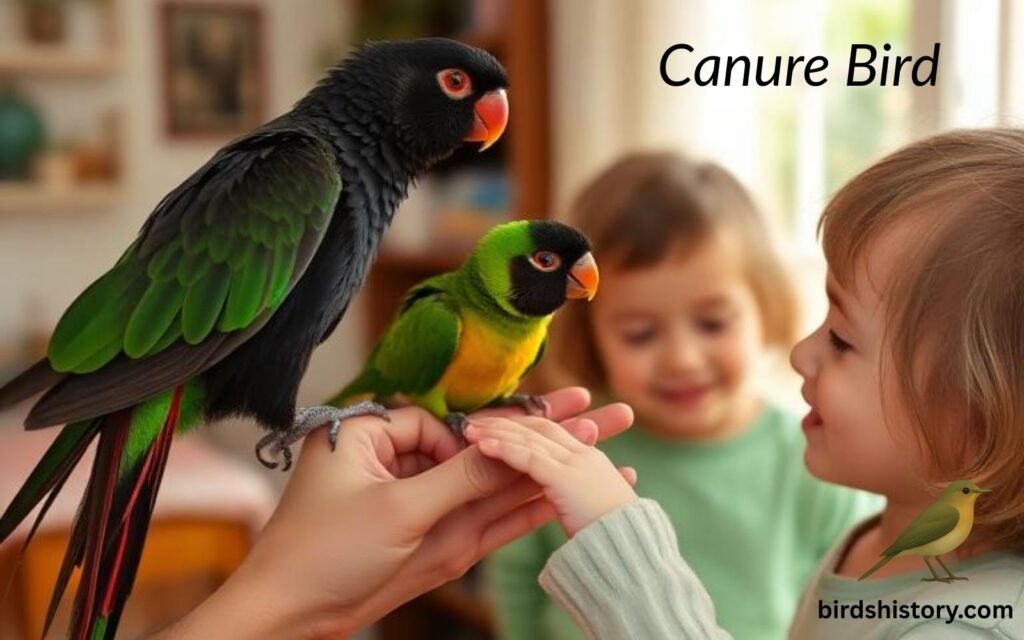
Noise level is an important consideration for American apartment dwellers. Sun and Nanday conures are extremely loud, while Green-cheeked conures are typically quieter. If you live in close quarters, selecting a quieter species is essential for maintaining neighbor-friendly conditions.
Diet and Nutrition Basics
A proper conure diet is essential for long-term health. In the U.S., avian veterinarians recommend a balanced diet consisting of:
• High-quality pelleted bird food (60–70%)
• Fresh vegetables (dark leafy greens, carrots, bell peppers)
• Limited fruits (due to sugar content)
• Occasional seeds and nuts as treats
Seed-only diets are outdated and can lead to obesity, fatty liver disease, and nutritional deficiencies.
Recommended Conure Diet Breakdown
| Food Type | Percentage of Diet | Examples |
|---|---|---|
| Pellets | 60–70% | Harrison’s, Roudybush |
| Vegetables | 20–25% | Kale, broccoli, carrots |
| Fruits | 5–10% | Apples, berries, mango |
| Treats | Occasional | Almonds, sunflower seeds |
How to Transition to a Pelleted Diet
Many pet conure birds in the United States are raised on seed diets. Transitioning to pelleted nutrition should be gradual.
Start by mixing pellets with their usual seeds. Slowly increase the pellet ratio over several weeks. Monitor weight carefully during the transition. Consulting an avian veterinarian ensures the process is safe and stress-free.
Patience is critical. Some conures take weeks to accept new food textures and flavors.
Housing Requirements and Cage Setup
A proper conure cage setup is essential for both physical and psychological health. The minimum recommended cage size for a small conure is 24” x 24” x 30”, though bigger is always better.
Bar spacing should be between ½ to ¾ inch to prevent injury. Stainless steel cages are preferred due to durability and safety. The cage should include multiple perches, toys, food bowls, and space for movement.
Position the cage in a well-lit room where the bird can see family activity but avoid kitchens (due to fumes) and direct drafts.
Enrichment, Perches, and Exercise
Conures are extremely active and intelligent birds. Without proper mental stimulation, they can become destructive or depressed.
Provide a variety of:
• Natural wood perches
• Rope perches
• Foraging toys
• Puzzle feeders
• Chewable toys
Daily out-of-cage time is crucial. In the U.S., many owners allow 2–4 hours of supervised flight or playtime daily. Exercise helps prevent obesity and strengthens the bond between bird and owner.
Socialization and Training
Proper conure socialization begins the moment your bird comes home. Conure birds are highly intelligent companion parrots that thrive on attention and interaction. In American households, where family schedules vary, it is important to create a consistent daily routine so your conure feels secure and mentally engaged.
Positive reinforcement training works best. Using treats, praise, and repetition, you can teach your conure birds to step up, recall, wave, spin, and even perform simple tricks. Early training reduces unwanted behaviors such as nipping or territorial aggression. Clicker training is also widely used in the U.S. bird community and helps strengthen communication between owner and bird.
Handling your conure daily prevents fear-based behavior. Exposure to different people, sounds, and safe environments ensures your pet develops confidence instead of anxiety.
Health and Common Conditions
Like all parrots, conures require routine checkups with an avian veterinarian. Annual wellness exams are strongly recommended in the United States to detect potential issues early.
Some common conure health problems include:
• Feather plucking due to stress or boredom
• Psittacosis (a bacterial infection)
• Beak and feather disease
• Obesity from poor diet
• Respiratory infections from household toxins
Non-stick cookware fumes (Teflon), aerosol sprays, candles, and smoke can be deadly to parrots. American bird owners must ensure their homes are bird-safe.
Early signs of illness include fluffed feathers, lethargy, loss of appetite, or changes in droppings. Because birds hide illness well, immediate veterinary care is critical when symptoms appear.
Common Health Concerns in Conure Birds
| Condition | Cause | Prevention | Treatment |
|---|---|---|---|
| Feather Plucking | Stress, boredom | Enrichment, interaction | Behavioral therapy |
| Psittacosis | Bacterial infection | Clean cage hygiene | Antibiotics |
| Obesity | Seed-heavy diet | Balanced pelleted diet | Diet adjustment |
| Respiratory Issues | Fumes, smoke | Bird-safe home | Veterinary care |
Conure Populations in the Wild & Conservation Status
While conures are common in the pet trade, several species face challenges in the wild due to habitat destruction and illegal trapping. Deforestation in South America has reduced nesting areas for many wild conure populations.
For example, the Sun Conure is classified as endangered in parts of its native range. Conservation efforts focus on habitat protection and regulating the pet trade.
In the United States, responsible bird ownership includes purchasing from ethical breeders or adopting from rescues rather than supporting illegal wildlife trafficking. Supporting conservation organizations helps protect native ecosystems and future generations of these vibrant parrots.
Where to Adopt or Buy a Conure
If you’re searching for a conure birds for sale in the USA, you have two primary options: adoption or purchasing from a breeder.
Adopting from a parrot rescue is highly recommended. Many conures are surrendered due to owners underestimating their lifespan and care requirements. Bird rescues often ensure the conure is health-checked and socialized before adoption.
If purchasing from a breeder, look for:
• Clean breeding facilities
• Proper weaning practices
• DNA sexing records
• Veterinary documentation
Avoid pet stores that cannot provide health history. Ethical sourcing ensures you are bringing home a healthy and well-adjusted bird.
Adoption vs. Breeder Comparison
| Option | Pros | Cons | Best For |
|---|---|---|---|
| Adoption | Lower cost, saves a life | May have behavioral history | Experienced owners |
| Breeder | Known age and background | Higher cost | First-time owners |
| Pet Store | Immediate availability | Limited history | Not recommended |
Frequently Asked Questions (FAQs)
Is a conure a good pet?
Yes, a conure bird makes a great pet for owners who can provide daily interaction and attention. They are affectionate, playful, and intelligent but require time and commitment.
Can a conure birds talk?
Some conures can learn a few words and phrases, especially the Blue-crowned Conure. However, they are better known for their expressive sounds than clear speech.
What is the price of conure?
In the USA, a conure bird price typically ranges from $300 to $800 depending on species, breeder reputation, and location.
Is a conure bird a parrot?
Yes, a conure is a type of small to medium-sized parrot species belonging to the New World parrot family.
Does a conure bite hurt?
Yes, a conure bite can hurt because they have strong, curved beaks. Proper training and socialization reduce biting behavior.
How expensive is a conure bird?
Beyond the purchase price, yearly expenses (food, toys, vet care) can range from $500 to $1,000, making them a moderate long-term financial commitment.
How long will a conure live?
With proper care, a healthy conure bird can live 20 to 30 years in captivity.
Which bird is very costly?
Some large parrots like hyacinth macaws are among the most expensive pet birds, sometimes costing over $10,000 in the USA.
Can conures be left alone?
Conures can be left alone for short periods but need daily social interaction. Long hours alone may lead to screaming or feather plucking.
What is the cheapest pet bird?
Budgies (parakeets) are usually the cheapest pet birds in the USA, often costing between $20 and $50.
Conclusion
A conure bird is a vibrant, intelligent, and deeply affectionate companion that can bring decades of joy to the right home. However, conure ownership is a serious long-term commitment requiring proper nutrition, consistent training, daily enrichment, and access to qualified avian veterinary care.
For families across the United States, choosing the right species — whether a quieter Green-cheeked or a colorful Sun Conure — depends on lifestyle, housing situation, and experience level. With the right preparation and responsible sourcing, a conure can become a loyal and entertaining member of your household for 20 to 30 years.
If you are ready for a lively, feathered companion that thrives on interaction and love, a conure bird may be the perfect addition to your family.