Suet Bird Food for Backyard Birds: Benefits, Types, and Smart Feeding Tips
Suet bird food is one of the most popular choices for backyard bird feeding in the USA. It provides a rich source of high-fat bird food that gives birds the energy they need, especially during winter bird food shortages. When feeding suet to birds, you support their growth, feather health, and overall bird nutrition, helping them stay strong and active.
Many backyard birds, including chickadees, woodpeckers, and nuthatches, rely on suet for quick energy and supplemental protein. With a proper feeding setup, suet bird food attracts a diverse mix of species while keeping feeding stations clean and effective.
What Is Suet and Why It’s Important for Wild Birds?
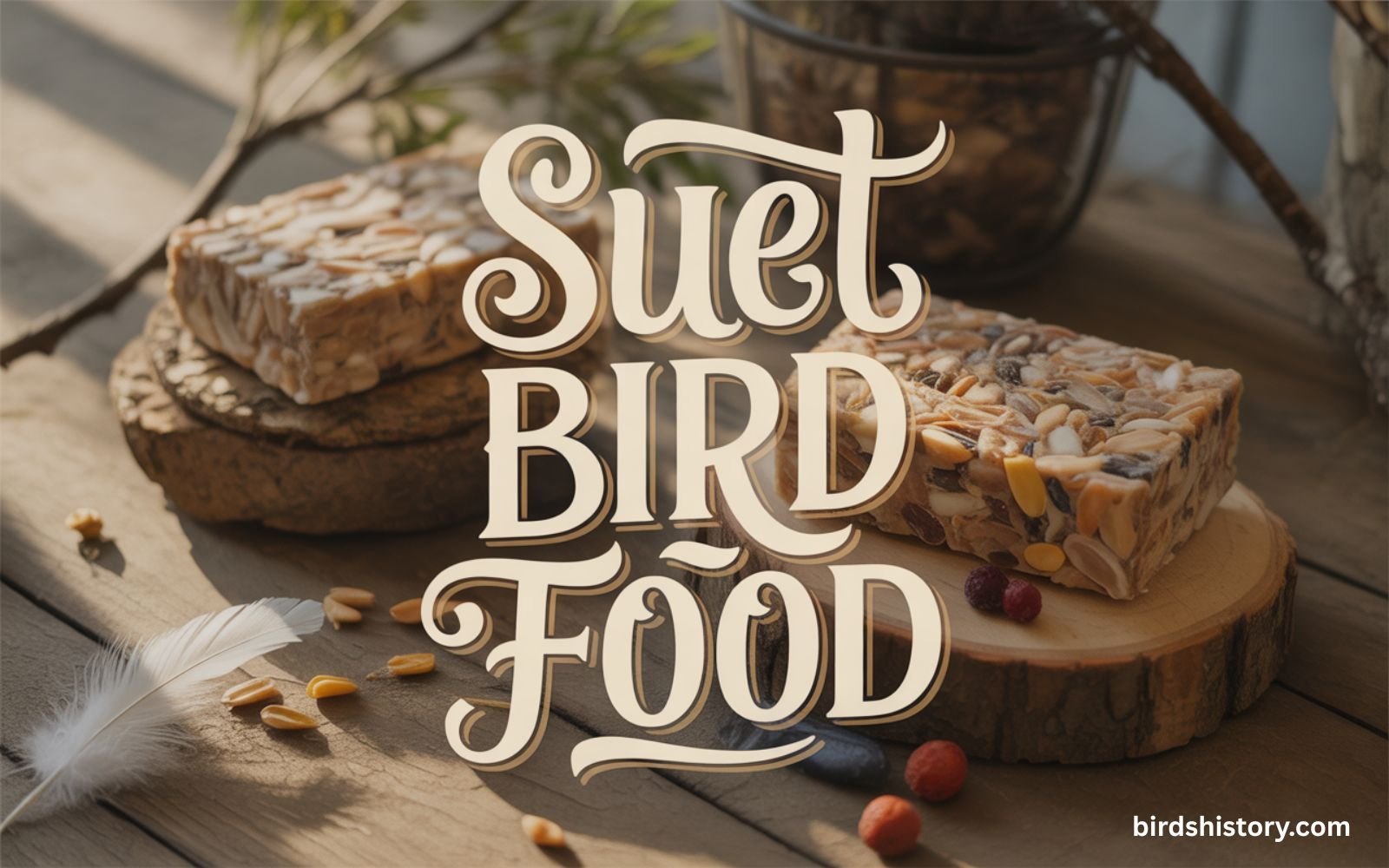
Suet bird food is made from rendered beef fat, often taken from kidney fat, then slowly melted and cleaned to remove impurities. This process creates refined suet, which is safe and nourishing for birds. Many suet blends also include seeds, nuts, or insects to improve bird nutrition and attract more species.
Suet for wild birds matters because it mimics natural fat sources birds find in the wild. During insects scarcity, suet bird food fills nutritional gaps. It works as no-waste bird food, meaning birds consume nearly all of it, keeping feeding areas tidy and efficient.
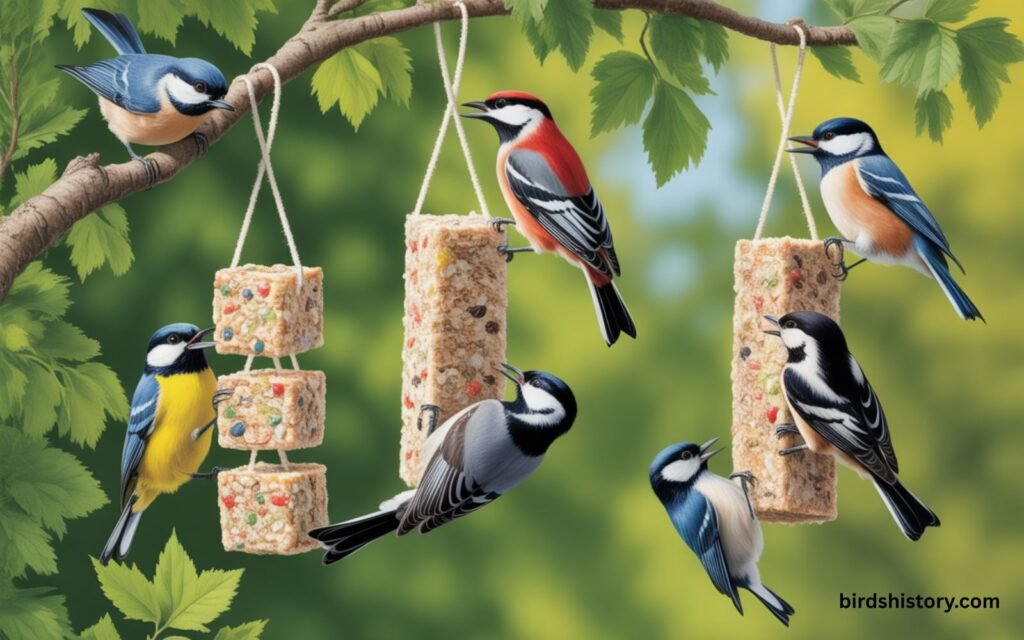
Nutritional Benefits of Suet for Birds
Suet bird food acts as a high-calorie food that fuels birds quickly. Because it contains digestible fat, birds convert it into energy for birds with little effort. This supports bird metabolism, especially during cold weather or heavy activity.
Another key advantage involves protein for birds. Many suet blends offer supplemental protein, supporting feather growth and breeding season nutrition. These bird suet benefits explain why suet bird food remains essential for resident birds across North America.
| Nutrient Role | Benefit for Birds |
|---|---|
| Fat | Fast energy source |
| Protein | Muscle and feather strength |
| Calories | Concentrated calories |
Birds That Love Eating Suet
Many familiar species rely on suet bird food. Woodpeckers, chickadees, nuthatches, and titmice visit feeders daily. Wrens, bushtits, and bluebirds also enjoy suet, especially during colder months.
Larger backyard birds like robins, cardinals, thrashers, and jays benefit too. By offering suet bird food, you support a healthy mix of backyard birds, turning a simple feeder into a lively gathering place.
Suet vs. Birdseed: Which Is Better?
The debate over suet vs birdseed often misses the bigger picture. Birdseed supplies carbohydrates, while suet bird food delivers fats and protein. Each serves a different role in backyard bird feeding.
Suet bird food excels when birds need warmth and stamina. Birdseed works well for general feeding. Combining both creates balanced bird feeding stations that support birds year-round without nutritional gaps.
Different Types of Suet for Bird Feeding
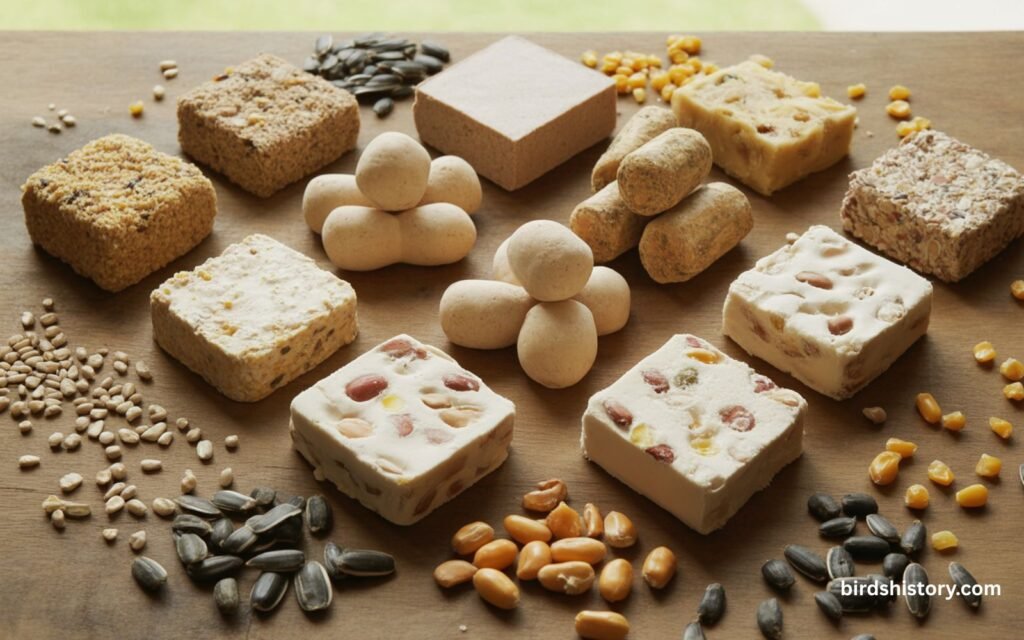
Suet bird food comes in a variety of forms to suit different bird behaviors and feeder types. Common options include suet cakes, suet balls, suet plugs, suet nuggets, suet shreds, and suet spread, each offering unique feeding advantages. Some birders prefer no-melt suet, which stays firm during hot weather, while others use traditional suet scraps shaped into blocks. Choosing the right type ensures better bird feeder versatility and increases the success of backyard bird feeding.
| Suet Type | Best For Birds | Key Advantage |
|---|---|---|
| Suet Cakes | Chickadees, titmice | Easy to place in cage feeders |
| Suet Balls | Woodpeckers, jays | Ideal for hanging or mesh feeders |
| Suet Plugs | Nuthatches, wrens | Fits into log or tube feeders |
| Suet Nuggets | Bluebirds, robins | Perfect for smaller birds |
| Suet Shreds | Bushtits, thrashers | Encourages natural pecking |
| Suet Spread | Mixed species | Can be spread on tree bark or platforms |
Best Suet Ingredients to Attract Specific Birds
Ingredient choices matter. Peanut-rich suet attracts woodpeckers and jays, while fruit blends appeal to bluebirds and robins. Insect-based suet supports insect-eating birds during lean seasons.
Suet bird food mixed with mealworms acts as insect-eating birds food, boosting energy when insects vanish. Matching ingredients to species improves visits and strengthens your backyard flock.
Homemade vs. Store-Bought Suet
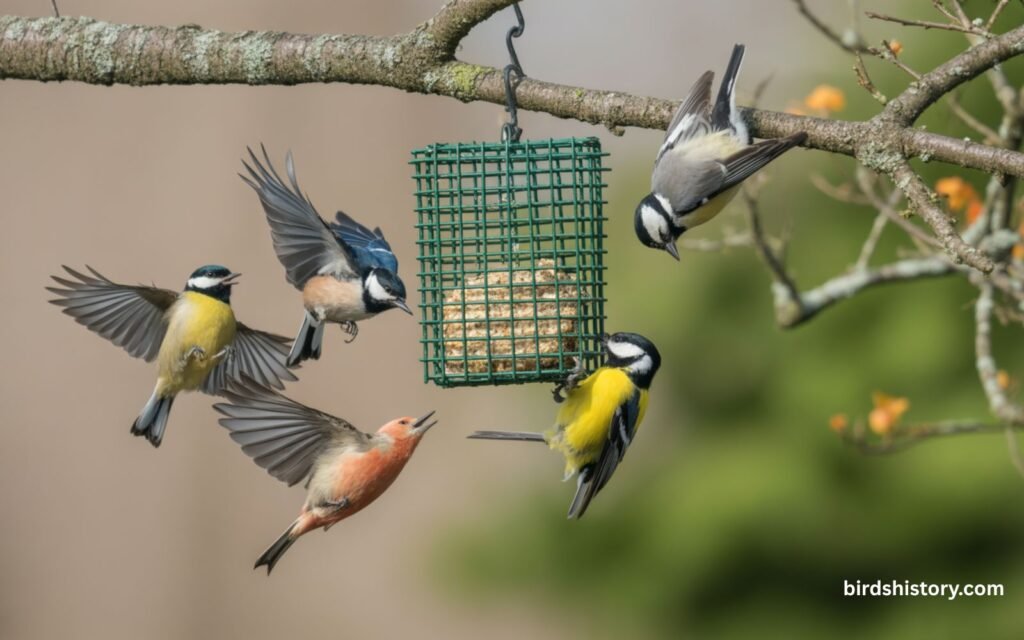
Many birders enjoy making homemade suet for birds using clean fat and simple add-ins. Homemade suet allows control over ingredients and supports affordable bird feeding.
Store-bought suet bird food offers consistency and safety. Commercial blends often include vitamins and tested ratios. Both options work well when freshness and hygiene remain priorities.
Can You Feed Suet to Birds in Summer?
Yes, summer suet feeding works when done carefully. Heat can soften fat, so no-melt suet remains the safest option during warm months.
Suet bird food supports nesting parents and growing chicks by offering energy for birds without long foraging trips. Proper placement prevents spoilage and keeps birds safe.
Best Time of Year to Offer Suet to Birds
Suet bird food shines during winter feeding, when cold drains energy quickly. Birds rely on fat-rich food to survive freezing nights.
During fall bird feeding, suet helps birds prepare for migration or winter. Many birders now practice year-round bird feeding because suet adapts well to seasonal needs.
Where to Place a Suet Feeder for Best Results
Placement affects success. Suet feeders should hang five to six feet above ground, near cover but away from predators. This setup encourages confidence and frequent visits.
Keeping feeders visible supports feeding station maintenance and helps maintain a clean feeding area. Proper placement also reduces waste and unwanted pests.
Types of Suet Feeders and How to Choose One
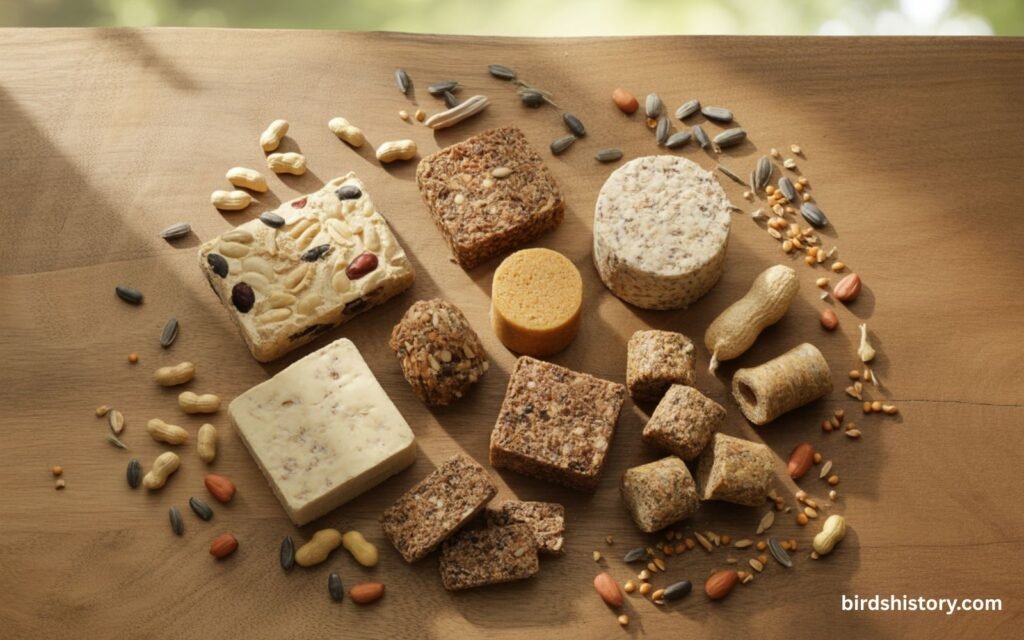
Suet feeders come in several designs, including cage feeders, tail-prop feeders, and log feeders, each suited to different bird sizes and feeding behaviors. Choosing the right feeder depends on durability, ease of cleaning, and how well it fits your backyard space. Selecting a strong, long-lasting feeder not only ensures safe feeding for birds but also supports bird feeding on a budget by reducing frequent replacements.
| Feeder Type | Best For Birds | Key Benefit |
|---|---|---|
| Cage Feeder | Chickadees, titmice | Protects suet from larger birds |
| Tail-Prop Feeder | Woodpeckers, nuthatches | Allows birds to cling naturally |
| Log Feeder | Wrens, bushtits | Fits natural perching habits |
Common Mistakes to Avoid When Feeding Suet
Offering spoiled suet bird food risks bird health. Always remove rancid fat and clean feeders regularly.
Another mistake involves ignoring weather. Melting suet can trap feathers. Using seasonal options protects birds and preserves trust at feeders.
How to Keep Suet Fresh and Safe for Birds
Store suet bird food in cool, dry places. Refrigeration extends freshness and prevents mold growth.
Routine cleaning supports feeding station maintenance and protects birds from disease. Fresh suet means safer feeding and happier visitors.
Creating a Diverse Bird Feeding Station
A strong station combines suet bird food, seed, nectar, and water. This mix supports hydration, energy, and nutrition.
Birders who diversify feeding options often attract more species and enjoy richer backyard experiences. Balanced stations support birds through every season.
Conclusion
Suet bird food is a simple, nutritious, and affordable bird food option that supports backyard bird feeding year-round. By offering high-fat bird food like suet, you help resident birds stay healthy, active, and strong, while attracting a wide variety of species. With proper feeders, placement, and fresh suet, your backyard can become a lively and safe haven for birds, making feeding suet to birds rewarding for both the birds and birders alike.
FAQs About Suet Bird Food
What is suet bird food?
Suet bird food is a high-fat food made for wild birds. It gives energy and protein, especially in cold weather or when insects are scarce.
What exactly is suet made of?
Suet is made from rendered beef fat, usually from kidney fat. It is often mixed with seeds, nuts, fruits, or insects to provide more nutrition for birds.
What is the difference between bird seed and suet?
Bird seed provides mainly carbohydrates, while suet is high in fat and protein. Suet gives concentrated calories for energy and warmth.
How do you make homemade suet?
Melt clean beef fat, mix in seeds, nuts, or dried insects, then shape it into cakes, balls, or nuggets. Let it cool before offering to birds.
Can I use coconut oil instead of suet?
Yes, coconut oil works for small batches, but it melts easily in heat. No-melt suet is safer for feeding birds year-round.
Is suet safe for all birds?
Most birds benefit from suet, including chickadees, woodpeckers, and nuthatches, but avoid suet with chocolate or excess sugar.
What is the healthiest thing to feed birds?
A mix of suet bird food, seeds, fruits, and insects gives balanced nutrition, supporting energy, growth, and healthy feathers.
Which suet attracts most birds?
Peanut-based suet and insect-rich blends attract the widest variety of birds, including woodpeckers, titmice, and bushtits.
What does a bird need in the rain?
Birds need sheltered feeding stations, fresh water, and high-calorie foods like suet to maintain energy during wet weather.
What is the best substitute for suet?
No-melt suet, lard, or homemade suet with seeds can replace traditional suet safely. Avoid chocolate or processed fats.
How do you make suet for birds?
Melt clean kidney fat, add seeds, nuts, or insects, pour into molds, let it cool, and offer it fresh at your feeding station.