Society Finch: The Gentle Songbird of Companionship
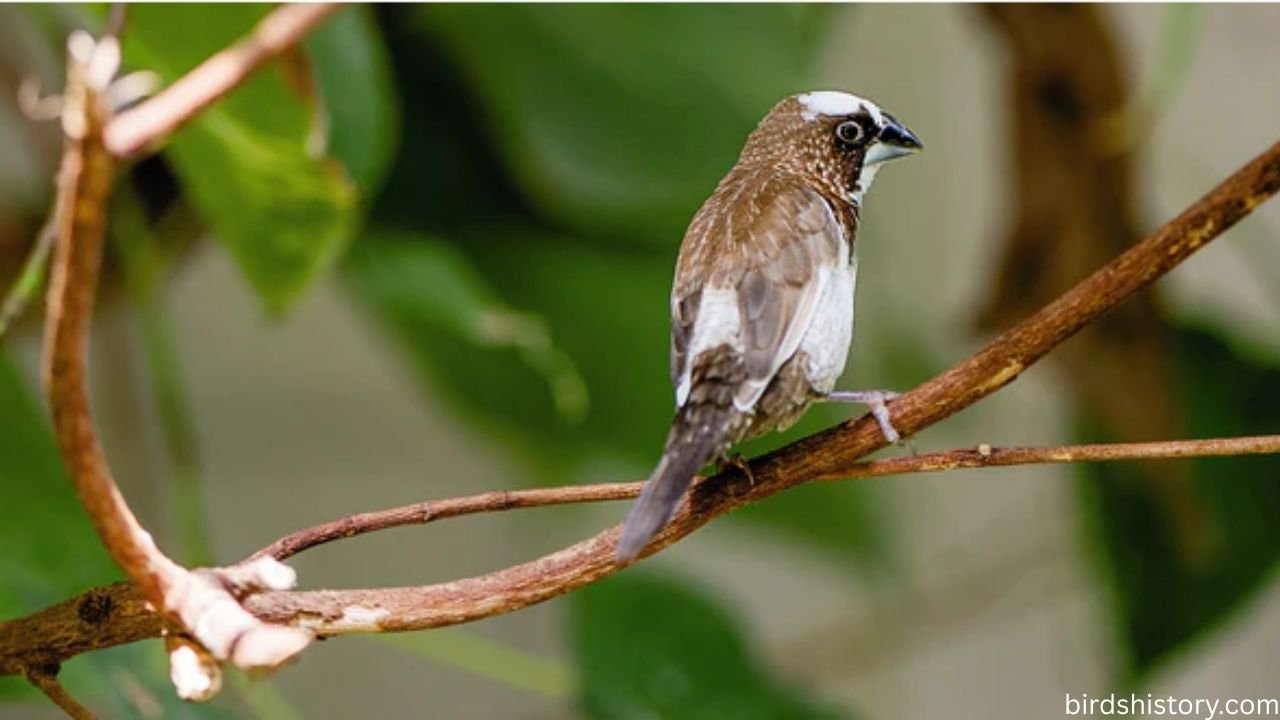
The Society Finch, also known as the Bengalese Finch, is a small and charming bird loved by pet owners and aviculturists around the world. What makes it fascinating is that unlike many other bird species, the Society Finch does not exist in the wild—it is entirely a domesticated bird. Bred for centuries, mainly in Asia, this little songbird has become a symbol of companionship, harmony, and care.
One fun fact is that Society Finches are known for their excellent parenting skills. They will even adopt and raise chicks from other bird species, making them invaluable in aviculture.
Society Finch Taxonomy / Classification
- Common Name: Society Finch (also known as Bengalese Finch)
- Scientific Name: Lonchura striata domestica
- Family: Estrildidae
- Order: Passeriformes
- Class: Aves
Also read: /andean-cock-of-the-rock/
The Society Finch is believed to be a domesticated form of the White-rumped Munia (Lonchura striata), bred over generations into the bird we know today.
Physical Description of Society Finch
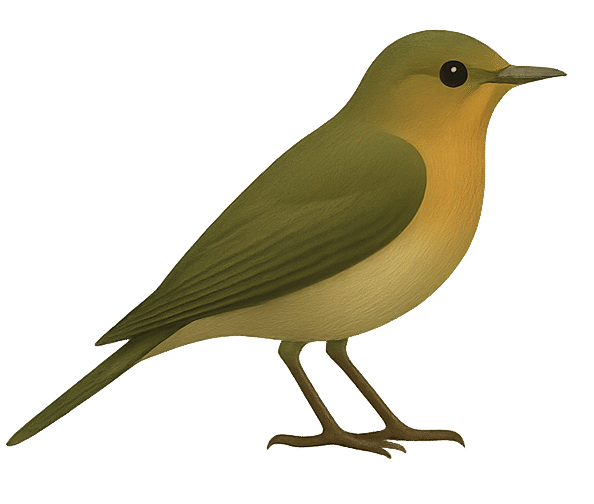
The Society Finch is small, typically measuring 4 to 5 inches (10–12 cm) in length. Its delicate frame and soft plumage give it a gentle appearance that perfectly matches its temperament.
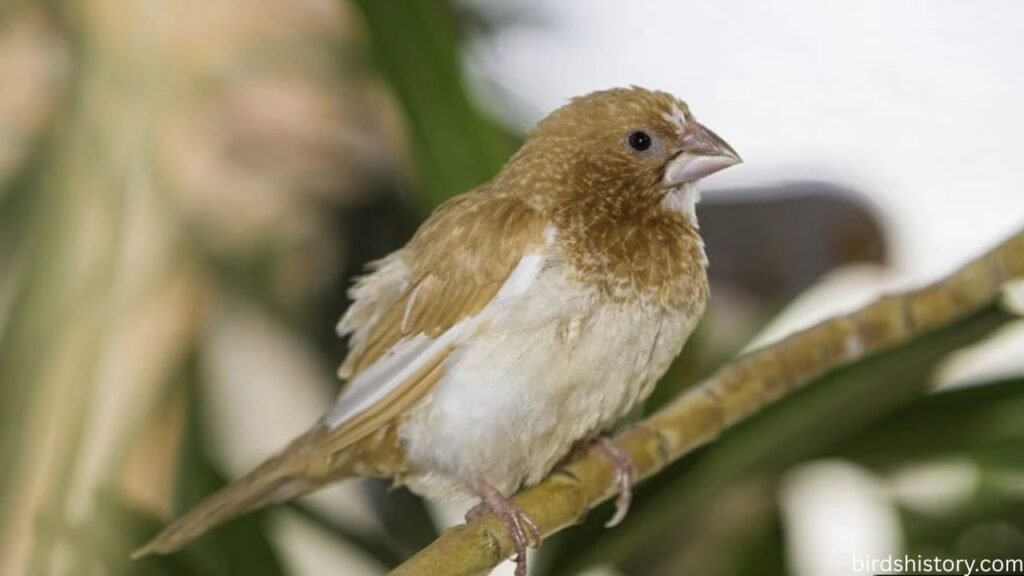
- Color Variations: Society Finches come in a wide range of colors due to selective breeding. The most common varieties include brown and white, chocolate, pied, fawn, and even more exotic mutations.
- Beak: Small, conical, and perfect for cracking seeds.
- Wings and Tail: Rounded wings and a short tail, suited for quick, fluttery flight.
- Male vs. Female: Males and females look almost identical, making it hard to tell them apart by appearance alone. The best way to distinguish them is by their song—males sing, while females do not.
- Unique Traits: Their soft, fluffy look and calm demeanor set them apart from many other small finches that can be more restless or territorial.
Society Finch Habitat and Range
Interestingly, the Society Finch has no natural wild habitat, as it was developed entirely through domestication. It originated in Asia, particularly Japan and China, where breeders selectively raised them for desirable traits like temperament, parenting ability, and song.
Today, they are kept worldwide as companion birds and are often used in aviaries to foster eggs and chicks of other finches and small bird species.
- Preferred Environments: Aviaries, cages, and bird rooms. They thrive in environments where they have space to fly, socialize, and build nests.
- Migration Patterns: None, since they do not exist in the wild.
Diet and Feeding Habits of Society Finch
The Society Finch has a simple diet but enjoys variety.
- Primary Diet: Seeds such as millet, canary seed, and specialty finch seed mixes.
- Supplements: Fresh vegetables, spinach, kale, and fruits like apple slices add nutrition.
- Protein Needs: Boiled egg, cuttlebone, and mealworms can provide protein, especially during breeding.
- Feeding Behavior: They eat socially, often in groups, and are not aggressive at feeding stations, unlike many finches.
One interesting fact is that their calm nature makes them excellent role models for more nervous bird species when housed together.
Society Finch Behavior and Lifestyle
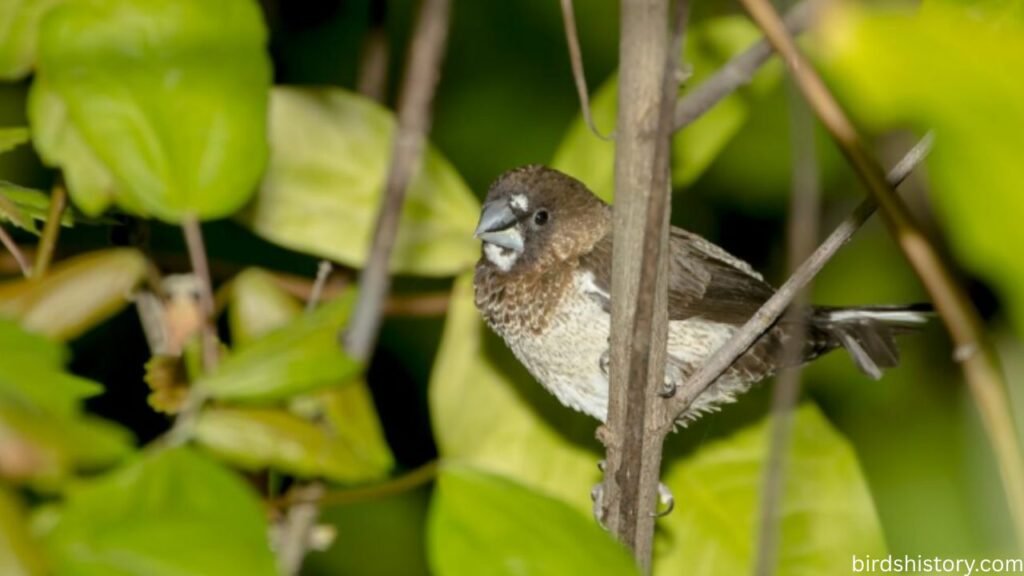
The Society Finch gets its name from its highly social and cooperative behavior. Unlike some finches that can be territorial, Society Finches thrive in groups and live peacefully with one another.
- Social Nature: They prefer company and do best when kept in pairs or flocks. Isolation can lead to stress.
- Flight Style: Quick, fluttery, and usually confined to short distances in aviary or cage settings.
- Nesting Habits: They build intricate, dome-shaped nests using grass, coconut fiber, or soft materials provided by their caretakers.
- Vocalizations: Males sing to attract females and establish pair bonds. Their song is soft, pleasant, and not too loud, making them ideal pets for homes.
- Mating Rituals: Courtship involves singing, bowing, and sometimes offering nesting materials.
Society Finch Reproduction and Lifespan
Society Finches are exceptional breeders, known for their nurturing instincts.
- Breeding Season: They can breed year-round in captivity with the right conditions.
- Nesting: Pairs work together to construct a dome-shaped nest, often in nest boxes provided in aviaries.
- Eggs: A typical clutch contains 4 to 8 eggs. The eggs are white and small.
- Incubation: Both parents share incubation duties, which last about 13 to 15 days.
- Chick Rearing: Both parents feed the chicks through regurgitation. Remarkably, Society Finches will often foster eggs and chicks of other finch species, such as the Zebra Finch.
- Lifespan: On average, Society Finches live 7 to 10 years in captivity, though some can reach 12 years with excellent care.
Predators and Threats
Since Society Finches do not exist in the wild, they face no natural predators. However, in captivity, they can be vulnerable to certain threats:
- Environmental Stress: Poor housing conditions, overcrowding, or exposure to drafts can weaken their health.
- Diseases: Mites, respiratory infections, and nutritional deficiencies are common risks if not properly cared for.
- Human Impact: Overbreeding or neglect can harm their quality of life. Responsible ownership is essential.
Society Finch Conservation Status
The Society Finch is not listed by the IUCN because it does not have a wild population. Instead, its survival depends entirely on captive breeding. Thankfully, due to its popularity and strong breeding success, the species is in no danger of decline.
Conservation efforts focus more on ensuring responsible breeding practices and maintaining genetic diversity within captive populations.
Interesting Facts About Society Finches
- They are one of the few domesticated birds with no wild counterpart.
- Males sing, while females remain quiet, which helps identify gender.
- They are often called “foster parents of the finch world” because they readily raise the chicks of other species.
- Their name, Society Finch, reflects their highly social behavior and preference for living in groups.
- Despite being small, they are among the most peaceful pet birds, rarely fighting with cage mates.
Conclusion
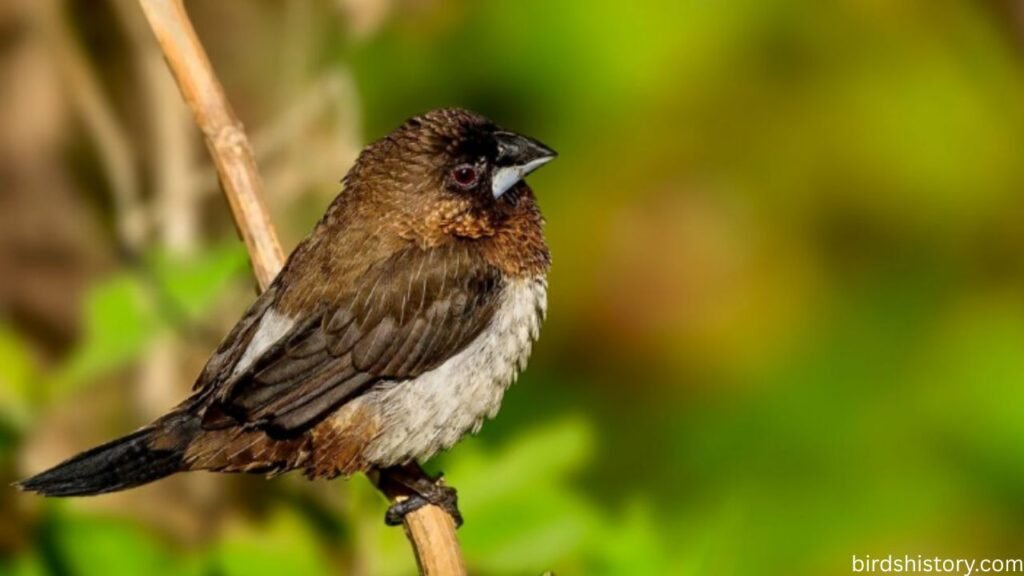
The Society Finch is more than just a small bird; it’s a living symbol of harmony and care. With its gentle nature, cooperative instincts, and remarkable parenting abilities, it stands out as one of the most rewarding companion birds for both beginners and experienced bird enthusiasts.
Because it does not exist in the wild, its story is entirely shaped by human companionship and care. This makes it a unique example of how domestication can create not only a thriving species but also a beloved partner for people worldwide.
If you’re looking for a bird that combines beauty, song, and an affectionate social spirit, the Society Finch deserves your attention.
FAQs About Society Finch
1. What is a Society Finch?
The Society Finch is a small, domesticated songbird bred from the White-rumped Munia. It has no wild population and is kept worldwide as a pet and aviary bird.
2. Why is it called a Society Finch?
The name comes from its social and peaceful nature. Society Finches thrive in groups and rarely show aggression.
3. Can male and female Society Finches be distinguished?
Visually, they look the same. The easiest way is through song—only males sing.
4. How long do Society Finches live?
They typically live 7 to 10 years, but with proper care, some can live up to 12 years.
5. What do Society Finches eat?
Their diet includes finch seed mixes, millet, fresh vegetables, fruits, and protein supplements like boiled eggs.
6. Do Society Finches make good pets?
Yes, they are gentle, low-maintenance, and great for beginners. Their quiet song makes them suitable for homes.
7. Are Society Finches good parents?
Absolutely. They are excellent at raising their own chicks and will foster chicks from other species.
8. Do Society Finches need companions?
Yes, they are highly social and should always be kept in pairs or groups to prevent stress.
9. Can Society Finches talk like parrots?
No, they cannot mimic human speech. Their charm lies in their soft songs and friendly behavior.
10. Are Society Finches endangered?
No. They are not found in the wild, but captive populations are abundant and stable worldwide.