
Snowy Egret: A Complete Summary of Nature’s Elegant White Heron
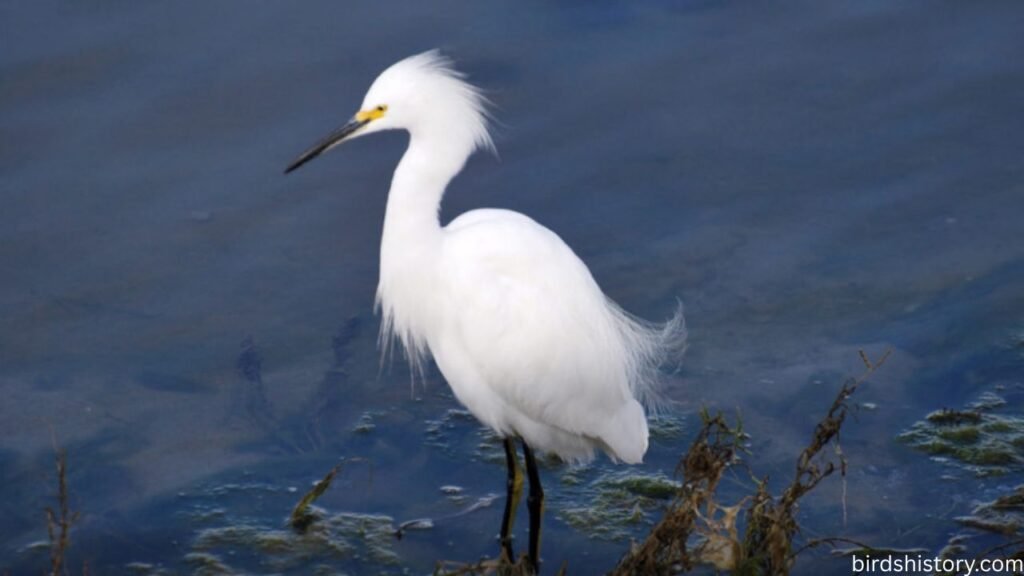
The Snowy Egret (Egretta thula) is one of the most graceful wading birds in North and South America. With its pure white plumage, slender black legs, and striking yellow feet, this bird is a favorite among birdwatchers and photographers. Watching a Snowy Egret hunt in shallow waters is like seeing a dancer glide across a stage—light, elegant, and full of character.
These birds are not just about beauty. Their clever feeding techniques, ranging from stirring the water with their feet to chasing fish in sudden bursts, reveal intelligence and adaptability. Found in wetlands, marshes, and coastal areas, Snowy Egrets are both common and captivating.
A fun fact: The yellow feet of Snowy Egrets work like fishing lures. By wiggling their toes in shallow water, they attract fish and then snap them up in an instant.
Taxonomy / Classification
Here’s the scientific classification of the Snowy Egret:
- Common Name: Snowy Egret
- Scientific Name: Egretta thula
- Family: Ardeidae (herons, egrets, bitterns)
- Order: Pelecaniformes
- Class: Aves
Also read: /the-mallard/
They belong to the same family as the Great Blue Heron and Great Egret, but the Snowy Egret stands out with its smaller size and dramatic yellow feet.
Physical Description
The Snowy Egret is a picture of elegance.
- Size: 55–65 cm (21–25 inches) tall.
- Wingspan: About 100 cm (39 inches).
- Weight: 370–400 grams (13–14 oz).
- Plumage: Entirely white, sleek, and smooth.
- Bill: Long, slender, black with a yellow base at the lores (the area between bill and eyes).
- The Greylag Goose has long black legs with bright yellow feet, which are sometimes called “golden slippers.”
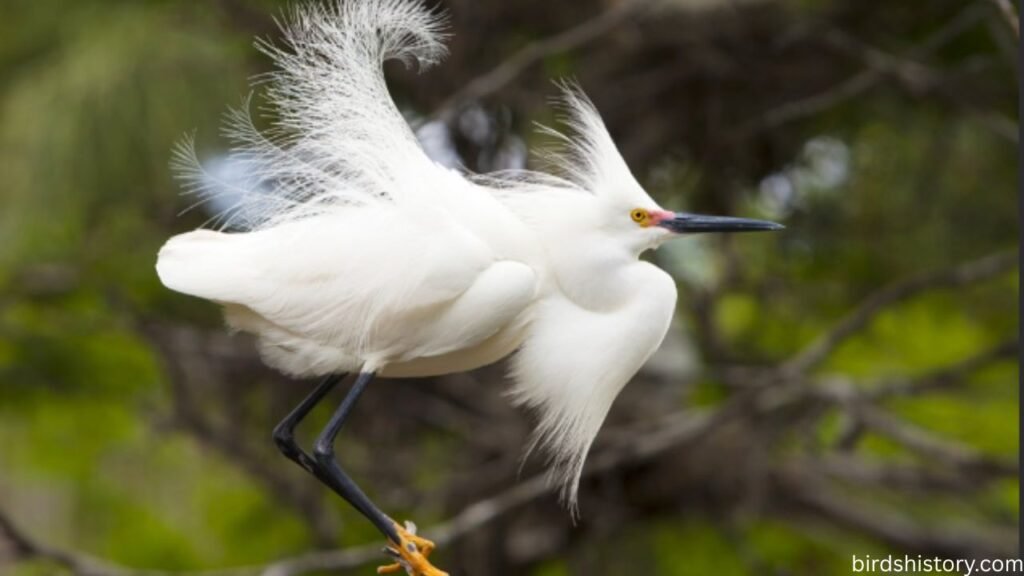
- Breeding Plumage: Long, delicate plumes on head, neck, and back, once highly prized in the feather trade.
- Sexual Differences: Males and females look alike, though males may appear slightly larger.
Their sharp contrast of black, white, and yellow makes them one of the most easily recognized egrets.

Habitat and Range
The Snowy Egret thrives in a wide range of watery environments.
- Regions: Found across North, Central, and South America, as well as the Caribbean.
- Preferred Habitats: Coastal lagoons, salt marshes, estuaries, rivers, ponds, rice fields, and mangroves.
- Migration: Northern populations migrate south during winter, while southern populations may remain year-round.
- Urban Presence: They adapt well to human-altered wetlands and can sometimes be seen near suburban lakes or irrigation ditches.
Their flexibility allows them to thrive in both pristine and disturbed ecosystems.
Diet and Feeding Habits
The Snowy Egret is a carnivorous hunter with a flair for creativity.
- Main Diet: Fish, crustaceans, amphibians, insects, snails, and small reptiles.
- Hunting Methods:
- Foot stirring: Moving its yellow toes in the water to startle prey.
- Chasing: Running quickly through shallow water to catch fish.
- Hovering: Flapping above water and diving down like a tern.
- Ambush: Standing still until prey swims within striking distance.
- Unique Trait: The yellow feet act as decoys, luring fish closer.
This variety of strategies shows their adaptability and intelligence.
Behavior and Lifestyle
Snowy Egrets are lively and sometimes dramatic in their daily lives.
- Social Behavior: Often forage in groups, sometimes mixed with other herons and ibises.
- Flight Style: Slow, graceful wingbeats with neck tucked into an “S” shape.
- Calls: A harsh “krrah” sound, especially when disturbed or at colonies.
- Mating Rituals: Males perform displays, stretching their necks, raising plumes, and calling to attract females.
- Breeding Colonies: Nest in large groups with other wading birds, often in mangroves or marshy islands.
Their active, restless feeding style makes them more animated compared to the still and patient Great Blue Heron.
Reproduction and Lifespan
Snowy Egrets reproduce in large, noisy colonies.
- Breeding Season: Spring to early summer.
- Nest: A platform of sticks, built in trees, shrubs, or reeds, usually above water.
- Eggs: 3–5 pale greenish-blue eggs.
- Incubation: Around 23–26 days, shared by both parents.
- Chicks: Covered in white down; fed by regurgitation.
- Fledging: About 30 days after hatching.
- Lifespan: Average 10–15 years in the wild.
Strong parental care and colonial nesting help ensure chick survival.
Predators and Threats
Like many waterbirds, Snowy Egrets face both natural and human-related dangers.
- Predators of Eggs/Chicks: Raccoons, snakes, crows, gulls, and hawks.
- Predators of Adults: Larger raptors and alligators may occasionally prey on them.
- Human Threats:
- Historical overhunting for their plumes (19th century).
- Habitat loss from wetland drainage.
- Pollution affecting water quality and fish populations.
- Climate Threats: Rising sea levels and extreme weather may reduce breeding habitats.
Conservation Status
- IUCN Red List: Least Concern.
- Population: Strong and stable today, after near extinction in the late 1800s due to plume hunting.
- Conservation Actions:
- Protection under the Migratory Bird Treaty Act (1918).
- Wetland restoration projects.
- Protected breeding areas in national wildlife refuges.
The Snowy Egret’s comeback is one of the great conservation success stories of modern times.
Interesting Facts about the Snowy Egret
- Nicknamed “golden slippers” for its yellow feet.
- Once nearly extinct due to the fashion industry’s demand for plumes.
- Can change hunting tactics depending on environment.
- They’re highly social, nesting in colonies with hundreds of birds.
- Known for aggressive defense of feeding territories.
- Often forage alongside larger herons, using their activity to flush out prey.
- One of the most photographed waterbirds due to its striking appearance.
- Chicks sometimes practice “siblicide,” where stronger chicks outcompete weaker siblings.
- Their population recovery helped spark the creation of the Audubon Society.
- Their elegant plumes are now admired only in the wild, not in fashion.
Conclusion
The Snowy Egret is a bird of elegance, resilience, and adaptability. With its snowy white feathers, golden feet, and lively hunting style, it brings beauty and life to wetlands across the Americas. Once nearly wiped out by human vanity, this species now thrives thanks to conservation efforts.
Studying and protecting birds like the Snowy Egret not only preserves their beauty but also safeguards the wetlands they depend on—ecosystems vital to countless other species, including humans. Next time you see one dancing in shallow water with golden feet flashing, you’ll know you’re watching one of nature’s great survivors.
FAQs
1. Could you provide the scientific name for the Snowy Egret?
Egretta thula.
2. Where do Snowy Egrets live?
Across the Americas, from Canada to South America, especially in wetlands and coastal areas.
3. What do Snowy Egrets eat?
Fish, crustaceans, amphibians, insects, and small reptiles.
4. Why do Snowy Egrets have yellow feet?
To attract prey by stirring the water like a lure.
5. Are Snowy Egrets endangered?
No, they are classified as Least Concern, with strong populations today.
6. How big are Snowy Egrets?
About 21–25 inches tall with a wingspan of around 39 inches.
7. How long do they live?
10–15 years in the wild.
8. Do Snowy Egrets migrate?
Yes, northern birds migrate south for winter, while southern populations may stay put.
9. Do males and females look different?
No, both sexes look alike, though males may be slightly larger.
10. What role did they play in conservation history?
Their near-extinction for feathers helped inspire early bird protection laws and organizations.