Redhead Bird: A Complete History of Nature’s Diving Duck
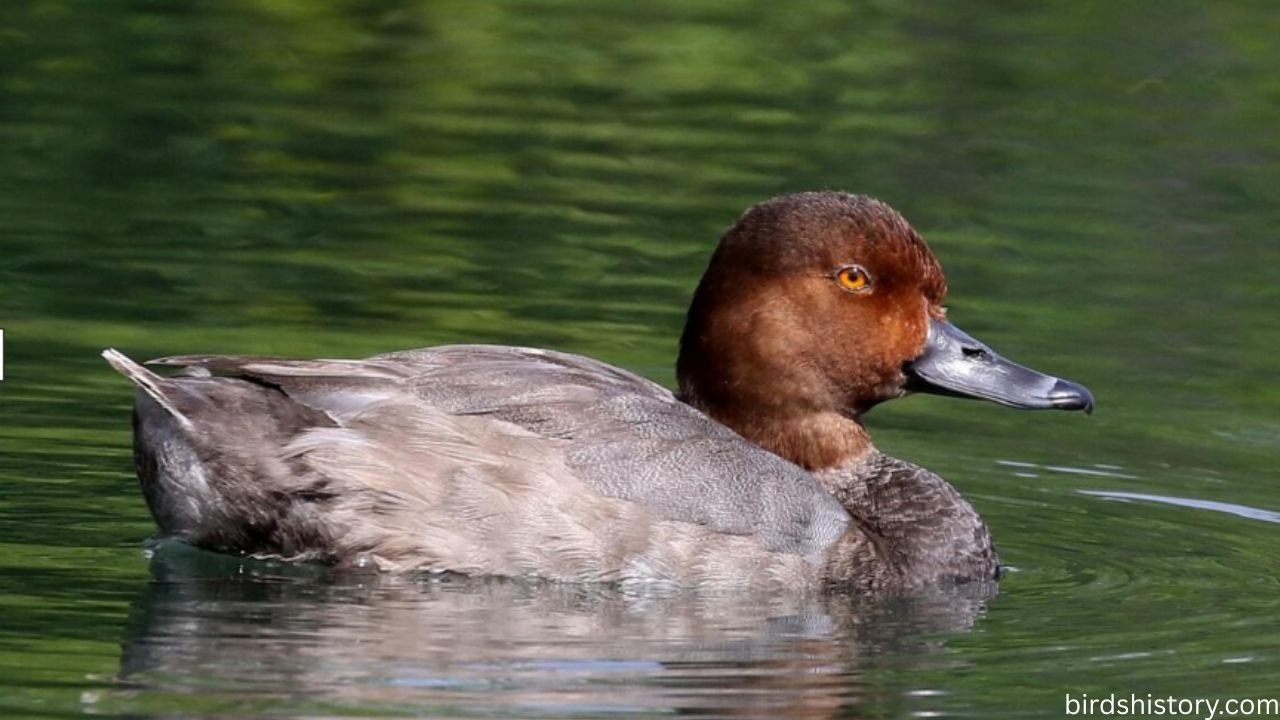
The Redhead bird (Aythya americana) is a striking North American diving duck admired by birdwatchers, hunters, and wildlife enthusiasts alike. With its bright cinnamon-red head and bold yellow eyes, the male Redhead is one of the most easily recognized ducks on lakes and wetlands.
This bird isn’t just beautiful—it’s also fascinating in its behavior. Redheads are notable for their unique nesting behavior, which includes laying eggs in the nests of other duck species. They are widespread across North America, especially during migration, and form massive flocks that can number in the tens of thousands.
Fun fact: Unlike dabbling ducks, Redheads dive underwater to feed, propelling themselves with strong legs and webbed feet to search for plants and invertebrates below the surface.
Redhead Bird Taxonomy / Classification
Redhead Bird how the Redhead bird is classified in the scientific hierarchy:
- Common Name: Redhead
- Scientific Name: Aythya americana
- Family: Anatidae (ducks, geese, and swans)
- Order: Anseriformes
- Class: Aves
Also read: /the-mallard/
This classification places the Redhead among diving ducks, closely related to species like Canvasbacks, Ring-necked Ducks, and Scaups.
Redhead Bird Physical Description
The Redhead’s appearance is both bold and elegant.
- Size: Medium-sized duck, measuring 37–57 cm (15–22 inches) in length.
- Wingspan: 70–84 cm (28–33 inches).
- Weight: 800–1,600 grams (1.8–3.5 lbs).
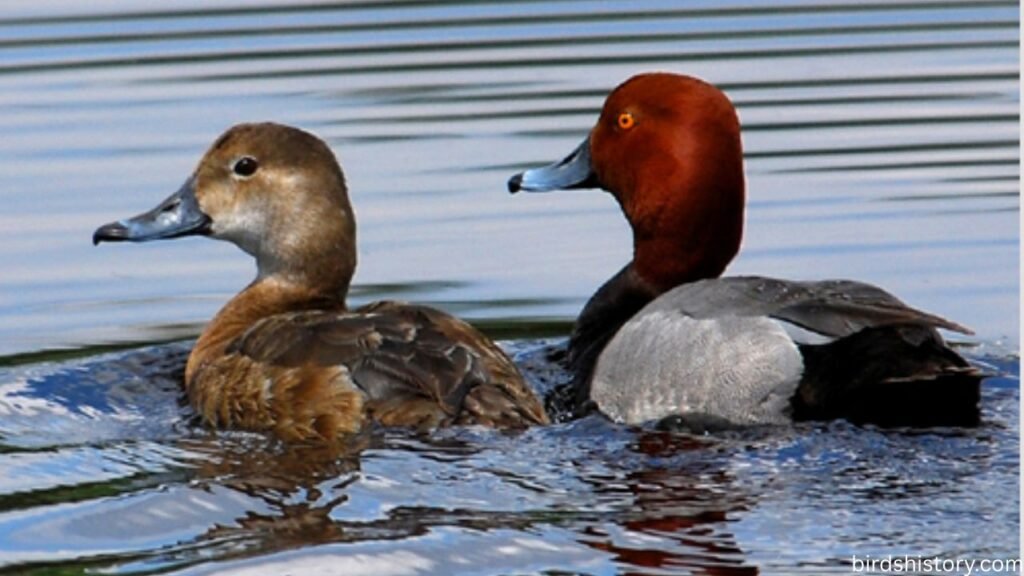
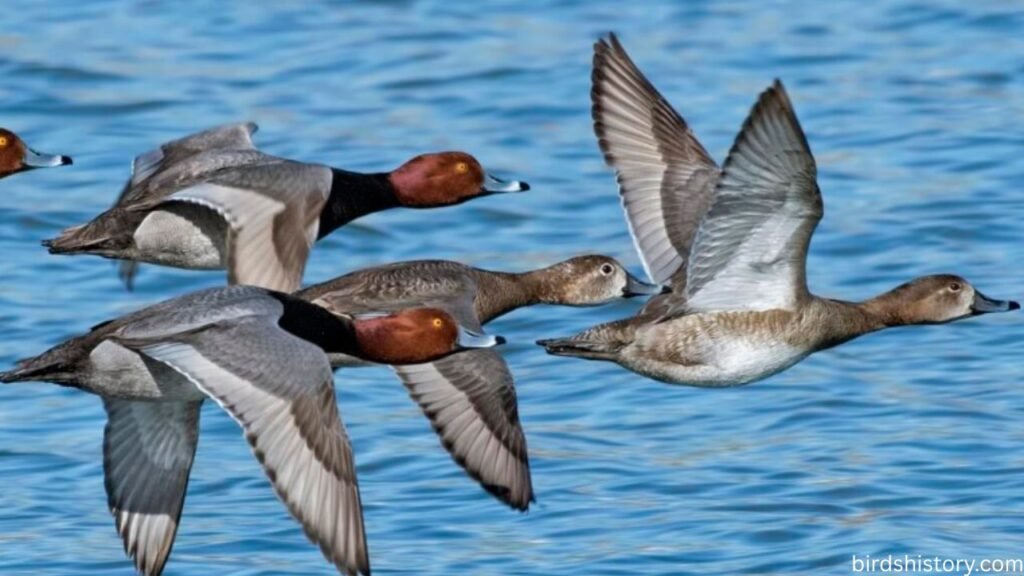
- Male (Drake): Bright reddish-brown head, black breast, grey body, and striking golden-yellow eyes.
- Female (Hen): Mottled brown plumage with a pale face and dark bill tip—less flashy than males but perfectly camouflaged.
- Bill: Distinctive bluish-gray with a black tip.
- Tail: Short and dark, adapted for diving.
- Unique Trait: Compact, rounded head and short neck compared to other diving ducks.
Their vivid head color and piercing eyes make males stand out on the water, while females blend into reeds and marshy surroundings.
Habitat and Range of Redhead Bird
The Redhead bird is highly adaptable and travels long distances across North America.
- Breeding Grounds: Prairie potholes and marshes of the northern Great Plains (U.S. and Canada).
- Wintering Areas: Southern U.S., Mexico, Central America, and the Caribbean.
- Preferred Habitats: Shallow lakes, freshwater marshes, estuaries, and coastal lagoons.
- Migration: Strong migrants, often forming flocks of 10,000+ during peak season.
Unlike some diving ducks that stick to deep lakes, Redheads prefer shallow wetlands rich in vegetation. This allows them to dive easily while still having access to floating and submerged plants.
Diet and Feeding Habits
The Redhead is an omnivore with a diet that changes depending on the season.
- Plant Matter: Seeds, tubers, pondweeds, wild celery, and wild rice.
- Animal Food: Aquatic insects, snails, clams, and small crustaceans.
- Feeding Style: True diving duck—dives below the surface using powerful legs to forage.
- Winter Diet: More plant-based, relying on aquatic vegetation.
- Breeding Season Diet: Increased protein intake from insects and invertebrates.
Their ability to switch between plant and animal foods allows them to thrive in diverse environments.
Behavior and Lifestyle
The Redhead bird is as interesting in its habits as it is in appearance.
- Social Structure: Highly social outside of breeding season. Forms large flocks in winter.
- Flight: Strong and fast, often taking off directly from the water without running across the surface like dabbling ducks.
- Calls: Drakes make catlike “meow” calls, while hens produce grunts and quacks.
- Mating Rituals: Males court females with head-throwing displays and whistles.
- Nesting Behavior: Known for brood parasitism—females frequently lay eggs in the nests of other Redheads, Canvasbacks, or even different duck species.
This nesting behavior helps ensure higher survival of their own young, though it often burdens the host duck.
Redhead Bird Reproduction and Lifespan
Redheads follow unique reproductive strategies that set them apart from other ducks.
- Breeding Season: Late spring through early summer.
- Nests: Built in marshy wetlands, usually among cattails or reeds. Some nests float on vegetation mats.
- Eggs: 7–10 eggs per clutch, pale greenish or bluish in color.
- Incubation: About 23–27 days, mostly by the female.
- Goslings: Precocial (able to walk and feed shortly after hatching). They leave the nest within 24 hours.
- Lifespan: Around 7–10 years in the wild, though some may live longer.
Parasitic nesting means many females lay fewer eggs in their own nests and more in those of others, creating a survival advantage.

Predators and Threats
Despite their adaptability, Redheads face many natural and human-caused threats.
- Natural Predators: Raccoons, skunks, foxes, gulls, and crows (eggs and ducklings). Raptors like hawks and eagles prey on adults.
- Environmental Threats: Wetland drainage, pollution, and invasive plants reducing nesting areas.
- Human Impact: Hunting pressure, especially in the past, though regulated today. Collisions with power lines and habitat loss from agriculture are also concerns.
Redhead Bird Conservation Status
- IUCN Status: Least Concern.
- Population: Stable, with millions of individuals across North America.
- Conservation Efforts:
- Wetland protection programs in Canada and the U.S.
- Migratory Bird Treaty Act regulations.
- Conservation by organizations like Ducks Unlimited.
Their numbers once declined due to overhunting and habitat loss, but careful management has helped populations recover.
Interesting Facts About the Redhead Bird
- Redheads often lay eggs in Canvasback nests, causing conflicts between species.
- They form some of the largest wintering flocks of any duck, especially in coastal lagoons of Mexico and Texas.
- Redheads are excellent divers, staying underwater for up to 20–30 seconds.
- Unlike Mallards, they rarely dabble and almost always dive for food.
- Males’ bright red heads inspired their name and make them a favorite for photographers.
- They sometimes hybridize with other diving ducks, producing unusual offspring.
- Redheads are powerful flyers, capable of reaching speeds of up to 60 miles per hour while migrating.
- In North America, they are considered valuable game birds.
- Their nesting parasitism is similar to cuckoos, though less extreme.
- Redheads play a vital role in wetland ecosystems by controlling plant growth and cycling nutrients.
Conclusion
The Redhead bird is more than just a beautiful diving duck—it’s a species with fascinating behavior, impressive migration patterns, and an important role in wetland ecosystems. From its parasitic nesting habits to its large winter flocks, the Redhead continues to intrigue scientists and bird lovers alike.
Protecting wetlands and maintaining conservation efforts ensures that this stunning bird remains a common sight across North America. If you ever spot a flash of reddish-brown head against a backdrop of shimmering water, you’ll know you’ve encountered one of nature’s most remarkable ducks.
FAQs About Redhead Bird
1. What is the scientific classification name for the Redhead duck?
Aythya americana.
2. Where can I find Redhead birds?
Across North America, from Canada during breeding season to Mexico and the Caribbean in winter.
3. Do Redheads migrate?
Yes, they are strong migrants, traveling thousands of kilometers.
4. What do Redheads eat?
Redheads have an omnivorous diet consisting of aquatic plants, seeds, insects, and small crustaceans.
5. How do they differ from Canvasbacks?
While Canvasbacks have sloping foreheads and longer bills, Redheads are distinguished by their rounder heads and bluish bills.
6. Why are they called Redheads?
Males have bright red-brown heads that stand out in breeding plumage.
7. Are Redheads endangered?
No, they are listed as Least Concern by the IUCN (International Union for Conservation of Nature).
8. How long do Redhead birds live?
On average 7–10 years in the wild.
9. Do Redheads nest in trees?
No, they build their nests in marsh plants, frequently on floating mats.
10. Are Redheads hunted?
Yes, but hunting is regulated to maintain stable populations.