Passenger Pigeon History – The Rise and Fall of a Lost Legend
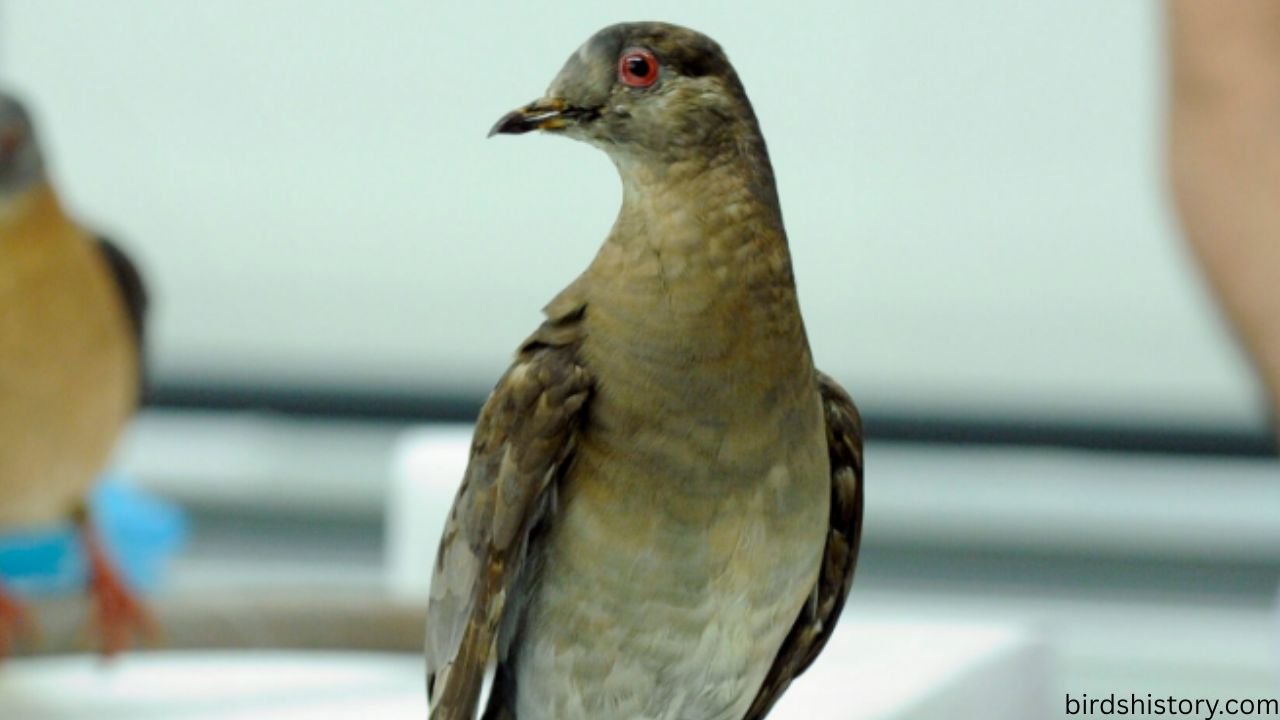
The Passenger Pigeon is one of the most famous extinct birds in history, remembered for its staggering numbers and sudden disappearance. At one time, billions of these birds filled the skies of North America. Early settlers described flocks so vast that they darkened the sun for hours. Yet by the early 20th century, the species was gone forever.
What makes the Passenger Pigeon so interesting is not only its sheer abundance but also the speed of its decline. Within just a few decades, relentless hunting and habitat destruction drove one of nature’s greatest spectacles to extinction. The last known Passenger Pigeon, a female named Martha, died in 1914 at the Cincinnati Zoo.
One surprising fact: scientists estimate that Passenger Pigeons once made up 40% of all birds in North America, an almost unimaginable level of dominance in the natural world.
Passenger Pigeon Taxonomy / Classification
- Common Name: Passenger Pigeon
- Scientific Name: Ectopistes migratorius
- Family: Columbidae (pigeons and doves)
- Order: Columbiformes
- Class: Aves
Also read: /wandering/
The Passenger Pigeon belonged to the same family as modern pigeons and doves, which helps explain its flocking behavior and diet. However, no living species truly replicates its social structure or migratory habits.
Passenger Pigeon Physical Description
Passenger Pigeons were sleek, medium-sized birds, slightly larger than modern mourning doves.
- Size: 15–16 inches (38–41 cm) long
- Wingspan: About 24 inches (61 cm)
- Weight: 12–14 ounces (340–400 g)
Appearance:
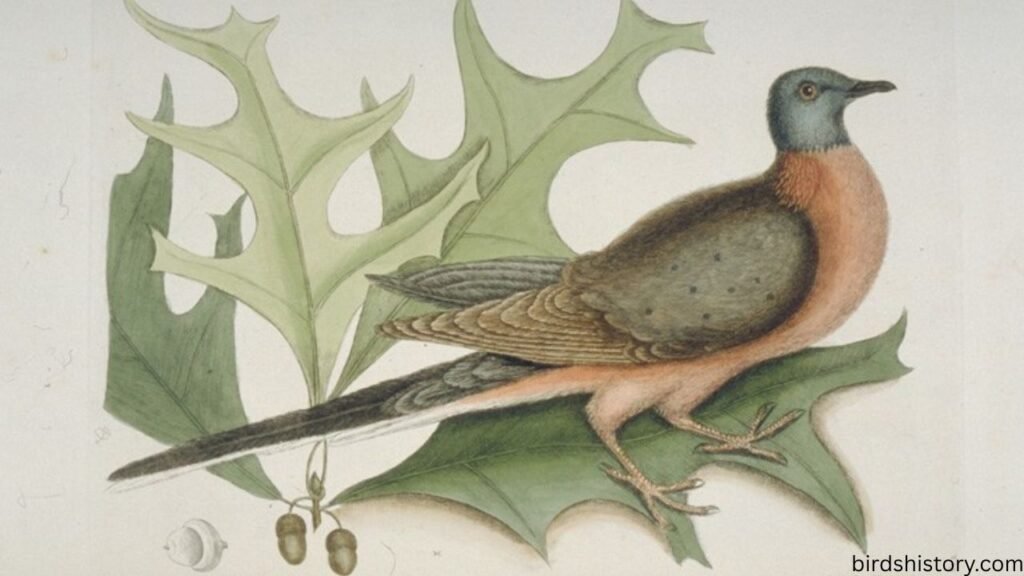
- Males had striking plumage with blue-gray wings, a reddish breast, and iridescent neck feathers that shimmered in sunlight.
- Females were duller in color, with brownish tones, making them more camouflaged.
- The long, pointed wings and tail gave the species a streamlined look, perfect for fast, sustained flight.
Unique Traits:
Passenger Pigeons were built for speed. They could reach up to 60 miles per hour, faster than most modern pigeons. Their bodies were adapted to long migrations and endurance flights across vast distances.

Habitat and Range Of Passenger Pigeon
The Passenger Pigeon was native to North America, ranging from southern Canada through the United States and into northern Mexico.
- Preferred Habitats: Deciduous forests, particularly those with abundant beech, oak, and chestnut trees. These trees provided both food (nuts) and nesting sites.
- Range: Eastern and central United States, especially the Great Lakes region, Ohio Valley, and Appalachian Mountains.
- Migration: Passenger Pigeons were highly migratory, traveling in massive flocks in search of food. They followed seasonal patterns of nut and fruit availability, often covering hundreds of miles at a time.
Their reliance on large forests tied them closely to North America’s ecosystems. Unfortunately, deforestation in the 19th century left them vulnerable.
You Must Read: https://birdshistory.com/dodo-bird-history/
Diet and Feeding Habits
Passenger Pigeons were primarily granivores and frugivores, eating nuts, seeds, fruits, and berries.
- Staple Foods: Acorns, chestnuts, beech nuts, pine seeds, and various fruits.
- Feeding Behavior: They foraged in huge flocks, often stripping entire trees or fields of food in hours. Their sheer numbers overwhelmed ecosystems, but also played an important role in seed dispersal.
- Interesting Behavior: Because of their massive flock size, they competed with each other more than with other species. Birds at the center of a feeding group might starve while those at the edges thrived.
Their diet shifted seasonally, following crop cycles and fruiting times. This constant search for food shaped their migratory lifestyle.
Behavior and Lifestyle Of Passenger Pigeon
Passenger Pigeons were incredibly social birds. Almost everything they did—feeding, roosting, migrating, breeding—was done in massive groups.
- Flocks: Could number in the billions. A single flock might stretch for 300 miles and take days to pass overhead.
- Flight Style: Fast, direct flight with strong wingbeats. Their aerodynamic build allowed long migrations.
- Nesting Habits: Colonies contained millions of nests, often with dozens packed into a single tree. Forests would be blanketed with birds during breeding season.
- Vocalizations: Loud, constant cooing and clattering of wings. Historical accounts describe the noise of flocks as deafening.
- Mating Rituals: Males performed simple displays, bowing and cooing to females. Monogamous pairs formed during breeding season.
This extreme social behavior was both their strength and their downfall. Once flocks were disrupted, reproduction collapsed.

Passenger Pigeon Reproduction and Lifespan
Passenger Pigeons had a relatively simple breeding strategy but relied on safety in numbers.
- Breeding Season: Late spring to early summer, depending on food supply.
- Nests: Built from twigs and leaves, usually 20–50 feet high in trees. Colonies could stretch for miles.
- Eggs: Typically 1 egg per clutch. This low reproductive rate meant the species depended on massive flock survival to maintain numbers.
- Incubation: 12–14 days, with both parents sharing duties.
- Chicks: Fledged in about two weeks and were fed “pigeon milk,” a nutrient-rich secretion from the parents’ crops.
- Lifespan: Estimated 15–20 years in the wild.
Their reproductive system worked well when billions were present, but once their numbers dropped, recovery was impossible.
Predators and Threats
Natural Predators: Hawks, owls, eagles, raccoons, and snakes preyed on eggs, chicks, and adult pigeons. However, the birds’ sheer numbers made predation negligible.
Main Threats:
- Human Hunting: Passenger Pigeons were slaughtered for meat, which was cheap and widely sold in 19th-century cities. Professional hunters used nets, guns, and even fire to kill thousands at once.
- Deforestation: Clearing of forests for farmland destroyed nesting and feeding grounds.
- Market Hunting: With the rise of railroads and telegraphs, hunters tracked and shipped birds nationwide, accelerating their decline.
By the late 1800s, numbers had collapsed from billions to just a few scattered flocks.
Passenger Pigeon Conservation Status
The Passenger Pigeon is officially extinct.
- IUCN Status: Extinct (since 1914).
- Last Individual: A female named Martha, who died in the Cincinnati Zoo on September 1, 1914.
- Conservation Lessons: The extinction of the Passenger Pigeon shocked the public and helped inspire early conservation movements in North America. Laws protecting migratory birds, such as the Migratory Bird Treaty Act of 1918, were partly a response to this tragedy.
Today, the species serves as a warning about overexploitation and the importance of preserving habitats.
Interesting Facts About the Passenger Pigeon
- At their peak, Passenger Pigeons may have numbered 3–5 billion, making them the most abundant bird in North America.
- A single flock could block out the sun for hours, according to eyewitnesses.
- The species name migratorius reflects their constant movement in search of food.
- Despite their abundance, each pair raised only one chick per season, making them vulnerable once populations fell.
- Their extinction inspired scientists to consider the importance of biodiversity long before modern conservation.
- Passenger Pigeons played a major role in Native American diets and culture before European colonization.
- Some scientists are exploring de-extinction projects, using DNA from preserved specimens to potentially recreate the species.
Conclusion
The Passenger Pigeon was once the most abundant bird on the continent, a living river of wings that filled the skies. Its extinction is one of the most dramatic examples of how human activity can destroy even the most numerous species.
From billions to zero in less than a century, the story of the Passenger Pigeon is both heartbreaking and instructive. It teaches us that abundance does not guarantee survival, and that careful stewardship of natural resources is essential.
Though gone forever, the Passenger Pigeon continues to shape conservation efforts and remind us of our responsibility to protect the species that remain.
FAQs About Passenger Pigeon
1. What was the Passenger Pigeon’s scientific name?
Ectopistes migratorius.
2. How many Passenger Pigeons once existed?
Estimates range from 3 to 5 billion, possibly more.
3. Why did the Passenger Pigeon go extinct?
Overhunting, deforestation, and market hunting caused its rapid decline.
4. When did the last Passenger Pigeon die?
In 1914, a female named Martha died at the Cincinnati Zoo.
5. What did Passenger Pigeons eat?
Mainly acorns, chestnuts, beech nuts, and fruits.
6. Where did they live?
Forests of North America, especially the eastern and central United States.
7. How fast could they fly?
Up to 60 miles per hour, making them swift, long-distance migrants.
8. Did they nest in colonies?
Yes, breeding colonies could contain millions of nests.
9. Are scientists trying to bring them back?
Yes, some de-extinction projects are studying preserved DNA, though it remains experimental.
10. What lessons do they teach us?
That even the most abundant species can vanish if humans overexploit them.