The Remarkable Killdeer: Nature’s Clever Ground-Nester
Among North American birds, the Killdeer is one of the most recognizable. Its piercing call, bold markings, and fascinating behaviors make it a favorite among bird enthusiasts and casual observers alike. Unlike many shorebirds, the Killdeer is often spotted far from the water — in fields, lawns, golf courses, and even parking lots.
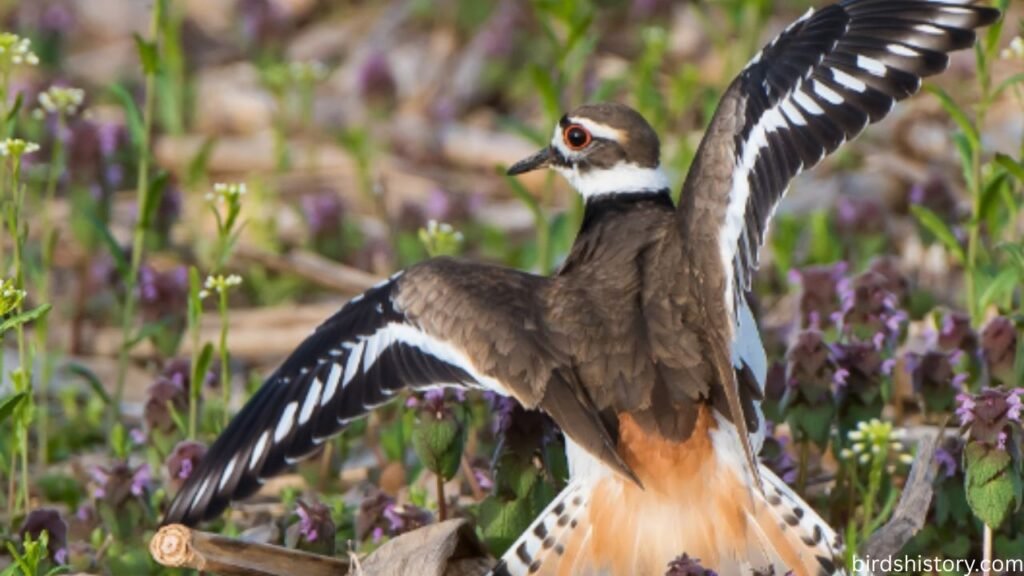
What truly makes this bird interesting is its “broken-wing display.” When a predator approaches its nest, the Killdeer pretends to be injured, flapping on the ground as if helpless, luring the threat away before flying off unharmed. This dramatic act of parental bravery sets it apart from most other birds.
Common across much of North and Central America, the Killdeer is adaptable, resilient, and surprisingly bold. In this article, we’ll explore everything you need to know about this remarkable bird — from its taxonomy and physical features to its lifestyle, threats, and conservation.
Killdeer Taxonomy / Classification
Here’s the scientific breakdown of the Killdeer:
- Common Name: Killdeer
- Scientific Name: Charadrius vociferus
- Family: Charadriidae
- Order: Charadriiformes
- Class: Aves
Also read: /the-purple-swamphen/
The Killdeer belongs to the plover family, which includes small to medium-sized wading birds. Its scientific name, vociferus, reflects its loud, persistent calls, one of its defining traits.
Killdeer Physical Description
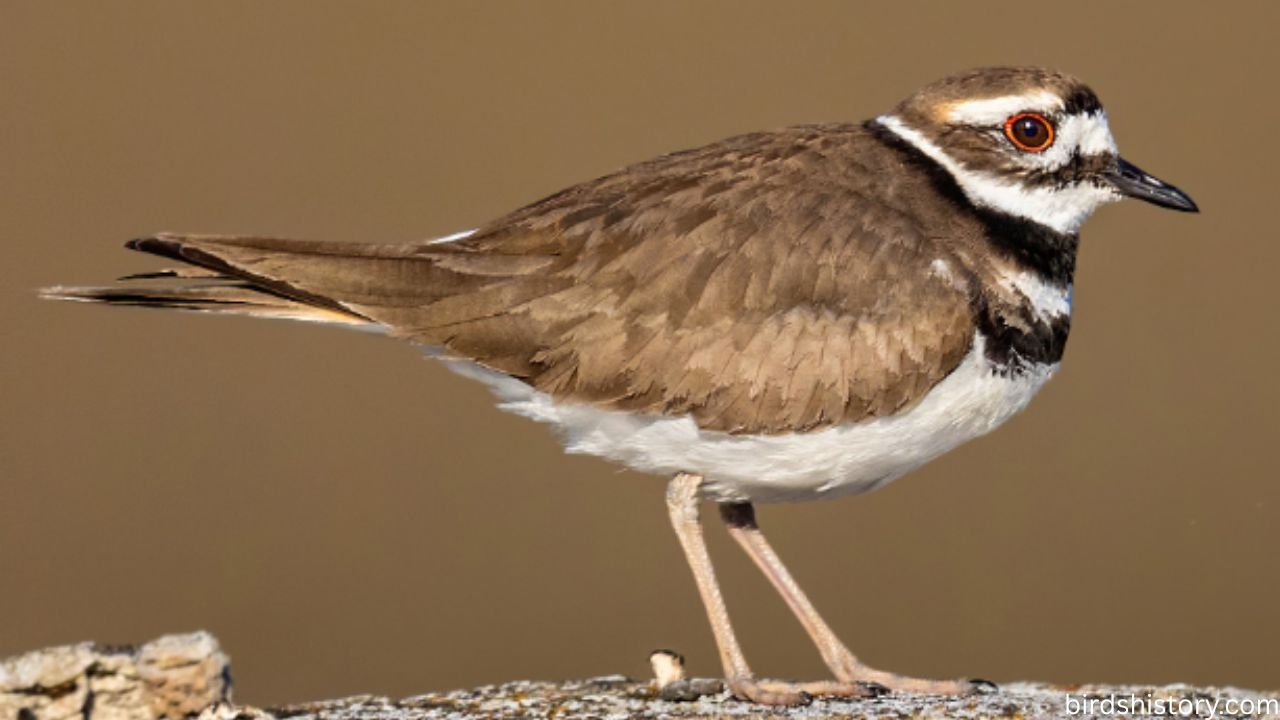
The Killdeer is striking and easy to identify thanks to its bold markings and lively behavior.
- Size: About 8–11 inches (20–28 cm) long.
- Wingspan: 18–24 inches (46–61 cm).
- Weight: Roughly 2.5–4.5 ounces (75–125 grams).
- Plumage: Brown upperparts, white underparts, and two bold black bands across the chest. The head has a white stripe above the eye and a black band across the forehead.
- Bill: Short, straight, and black.
- Legs: Long and slender, usually pale or yellowish.
- Tail: Long with white edges visible in flight.
- Sex Differences: Males and females look alike, though males may be slightly larger.
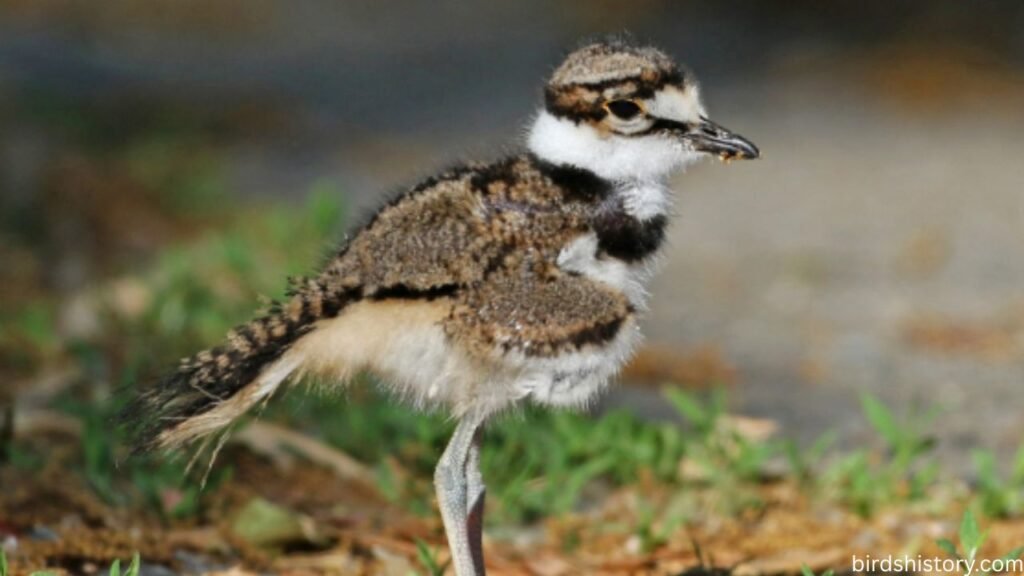
- Juveniles: Similar to adults but with a single chest band instead of two.
Their combination of earthy brown and sharp black-and-white markings provides excellent camouflage in open habitats.
Habitat and Range Of Killdeer
The Killdeer is one of the most adaptable members of the plover family.
Habitats
- Grasslands and meadows
- Agricultural fields
- Gravel roads and parking lots
- Shorelines and mudflats
- Golf courses, airports, and suburban lawns
Unlike many shorebirds that stay near water, Killdeer thrive in open areas, often far inland.
Range
- Breeding Range: Across most of Canada, the United States, Mexico, and Central America.
- Winter Range: Southern U.S., Mexico, Central America, and parts of South America.
- Migration: Northern populations migrate south for winter, while southern populations may remain year-round.
This wide range reflects the Killdeer’s adaptability to both natural and human-modified environments.
Diet and Feeding Habits
Killdeer are opportunistic feeders that consume a variety of small animals.
- Main Diet: Insects, beetles, grasshoppers, caterpillars, spiders, and worms.
- Additional Food: Small crustaceans and seeds.
- Feeding Style: Runs quickly across open ground, pauses, then pecks at prey. This “run-stop-peck” behavior is typical of plovers.
- Specialized Adaptations: Excellent eyesight for spotting small movement on open ground.
Their diet makes them beneficial for agriculture, as they help control insect populations.
Behavior and Lifestyle
The Killdeer is active, vocal, and full of personality.
- Social Behavior: Usually solitary or in pairs during breeding season; small flocks form during migration and in winter.
- Flight: Quick, direct, and agile, often accompanied by loud calling.
- Vocalizations: Named after its loud, repeated “kill-dee, kill-dee” call. Alarmed birds give sharp, piercing cries.
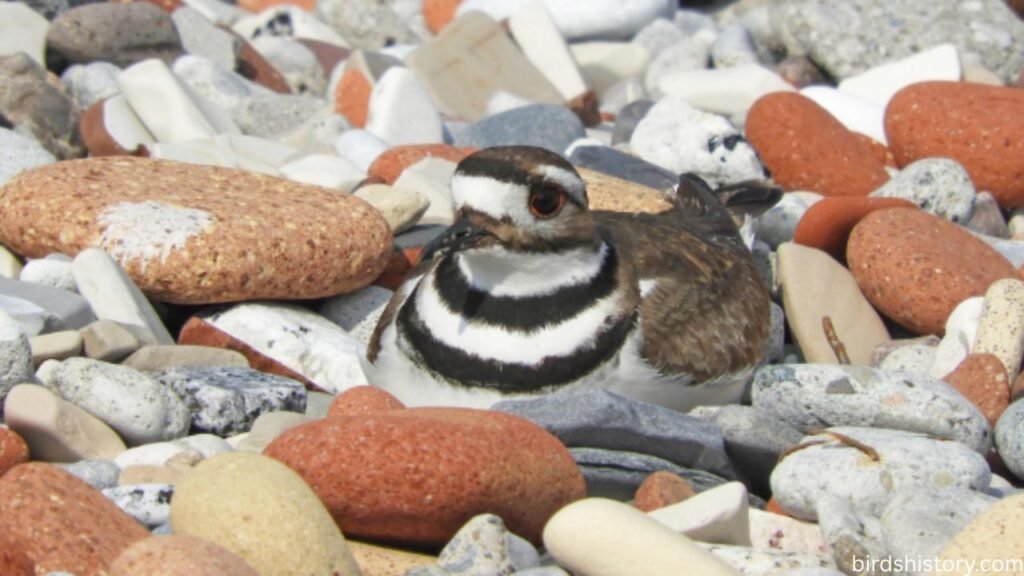
- Nesting Habits: Ground nesters, often in gravel or bare soil with little or no lining. Nests may even appear in driveways or construction sites.
- Mating Rituals: Courtship includes scraping shallow depressions, bowing, and calling.
Perhaps the most famous behavior is the broken-wing display, where parents fake injury to lure predators away from vulnerable eggs and chicks.
Reproduction and Lifespan
- Breeding Season: Early spring through summer, depending on region.
- Nest: Simple scrape on the ground, sometimes lined with pebbles or twigs.
- Eggs: 3–5 speckled eggs, well-camouflaged against the ground.
- Incubation: About 24–28 days, shared by both parents.
- Chicks: Precocial — hatch fully feathered, able to walk and feed themselves within hours. Parents guide and protect them.
- Fledging: Young fly at about 25–31 days.
- Lifespan: Average 3–5 years, though some individuals live longer than 10 years.
Predators and Threats
Natural Predators
- Snakes, raccoons, skunks, and foxes (eggs and chicks).
- Raptors such as hawks and owls (adults and juveniles).
Environmental Threats
- Habitat loss due to urbanization and agriculture.
- Extreme weather, such as flooding, that can destroy nests.
Human Impact
- Vulnerable to vehicles and machinery since they nest on gravel roads, construction sites, and other human areas.
- Pesticide use reduces insect prey availability.
Killdeer Conservation Status
Despite challenges, the Killdeer remains widespread and common.
- IUCN Red List Status: Least Concern
- Population Trend: Stable overall, with local declines in heavily developed areas.
- Conservation Efforts:
- Wetland and grassland protection.
- Public education to avoid disturbing nests.
- Efforts by birding organizations to monitor populations.
The Killdeer’s adaptability has allowed it to thrive where other shorebirds struggle.
Interesting Facts About the Killdeer
- Killdeer eggs blend perfectly into gravel, making them hard to spot.
- Parents perform distraction displays, pretending to be injured to protect their young.
- Despite being a shorebird, they are often found far from water.
- Their name comes from their loud “kill-dee” call.
- Killdeer sometimes soak their belly feathers in water to cool their eggs on hot days.
- They often nest in unexpected places like rooftops, parking lots, and ball fields.
- Young chicks are independent almost immediately after hatching.
- Their wide range and adaptability make them one of the most successful plovers.
- Farmers once considered them good luck because they reduced insect pests.
- They can feign not just injury but also distraction by dragging their tail or puffing up dramatically.
Conclusion
The Killdeer is a bird full of surprises — bold, clever, and resilient. Its dramatic nesting behaviors, adaptability to human landscapes, and role in controlling insects make it an important species in North American ecosystems.
Learning about the Killdeer reminds us that even common birds have extraordinary lives worth protecting. Next time you hear a loud “kill-dee” call echoing across a field or parking lot, take a moment to look around. You might just spot one of nature’s most fascinating ground-nesters.
FAQs About Killdeer
1. Why is the Killdeer called that?
Its name comes from its loud “kill-dee” call.
2. Where do Killdeer live?
They live across North and Central America in open fields, lawns, and even urban areas.
3. Do Killdeer always live near water?
No, unlike most shorebirds, Killdeer are often found far from water.
4. What do Killdeer eat?
Mainly insects, worms, and small invertebrates.
5. How do Killdeer protect their nests?
By performing distraction displays, such as pretending to have a broken wing.
6. Are Killdeer migratory?
Yes, northern populations migrate south in winter, while southern ones stay year-round.
7. How long do Killdeer chicks take to fly?
About 25–31 days after hatching.
8. Are Killdeer endangered?
No, they are listed as Least Concern by the IUCN.
9. How many eggs do Killdeer lay?
Usually 3–5 per clutch.
10. Do Killdeer benefit humans?
Yes, they help control insect populations in agricultural fields.