How to Make Bird Food Cakes: Easy, Affordable, and Effective 2026
Learning how to make bird food cakes turns everyday bird feeding into a rewarding, hands-on experience that benefits both you and your feathered visitors. These simple treats combine seeds and natural binders to create nourishing bird seed treats that attract a wide range of backyard birds throughout the year. Instead of relying on store-bought blocks, homemade options give you control over ingredients, freshness, and texture, which is especially helpful during winter bird feeding when birds need extra energy.
Making your own cakes also supports natural bird feeding, allowing you to avoid fillers and artificial additives that many commercial products contain. Beyond nutrition, bird food cakes add charm to your outdoor space, functioning as DIY bird feeders that can be hung from trees, railings, or garden hooks. Whether you enjoy quiet bird watching or want a creative project to share with family, mastering this process helps create a bird-friendly yard where wildlife thrives naturally.
H2: What Are Bird Seed and Suet Cakes?
At their core, bird seed and suet cakes are compact, nutrient-dense forms of homemade bird food designed for easy hanging and slow feeding. Bird seed treats rely on seeds bound together, often using a gelatin binder, while suet cakes for birds use fat as the primary energy source. Both serve different needs but work best together.
For seed-eating birds, seed cakes offer texture and variety. Suet, on the other hand, supports muscle warmth and stamina. These cakes often replace traditional feeders, acting as DIY bird feeders that hang directly from branches, hooks, or bird feeding stations.
H2: Benefits of Making Homemade Bird Seed Cakes
Making a bird seed cakes recipe at home allows you to avoid fillers found in commercial mixes. You decide the ratio of black oil sunflower seeds, millet and milo, or sunflower kernels, ensuring birds receive clean, digestible fuel. This is especially valuable during winter months when calories matter most.
There’s also a creative side. These cakes double as bird seed gift ideas and seasonal décor. Many people turn them into Christmas bird ornaments or shape them into a bird seed wreath, blending beauty with function. For families, the process becomes a family-friendly activity that encourages outdoor awareness.
H2: Birds That Love Seed and Suet Cakes
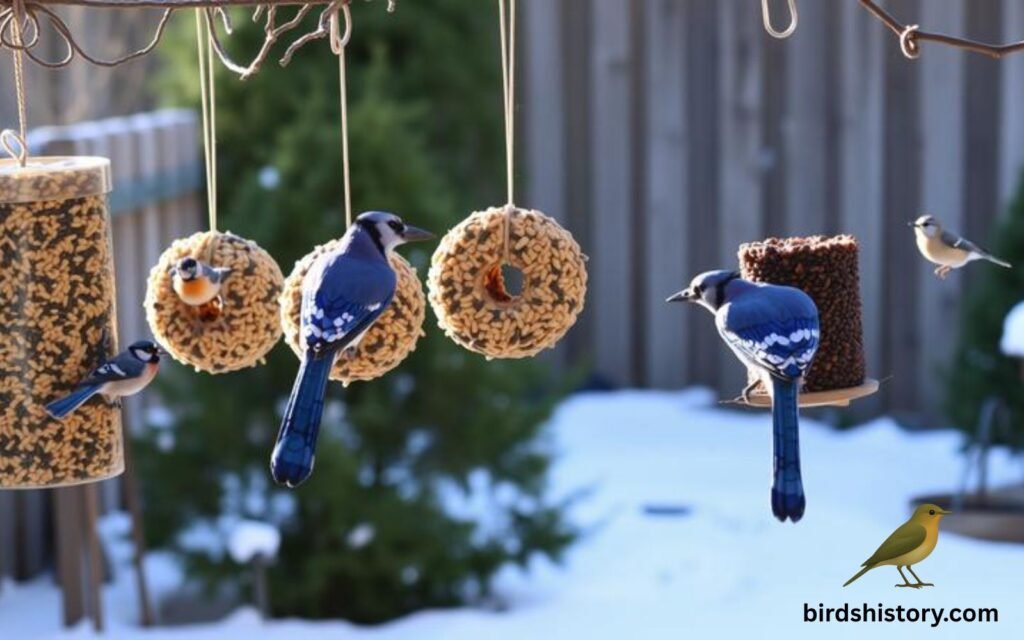
Many backyard birds rely heavily on seed and suet during colder seasons. Black-Capped Chickadees, Mountain Chickadees, House Finches, and Juncos eagerly cling to hanging cakes. Larger visitors like Blue Jays and Doves often clean up fallen bits beneath feeders.
Woodpeckers thrive on suet. Downy Woodpeckers and Northern Flickers need dense fat for endurance. Red-Breasted Nuthatches, White-Breasted Nuthatches, and White-Crowned Sparrow benefit from mixed textures. These treats trigger a true feeding frenzy, especially after storms.
H2: Ingredients Needed for Bird Seed Cakes
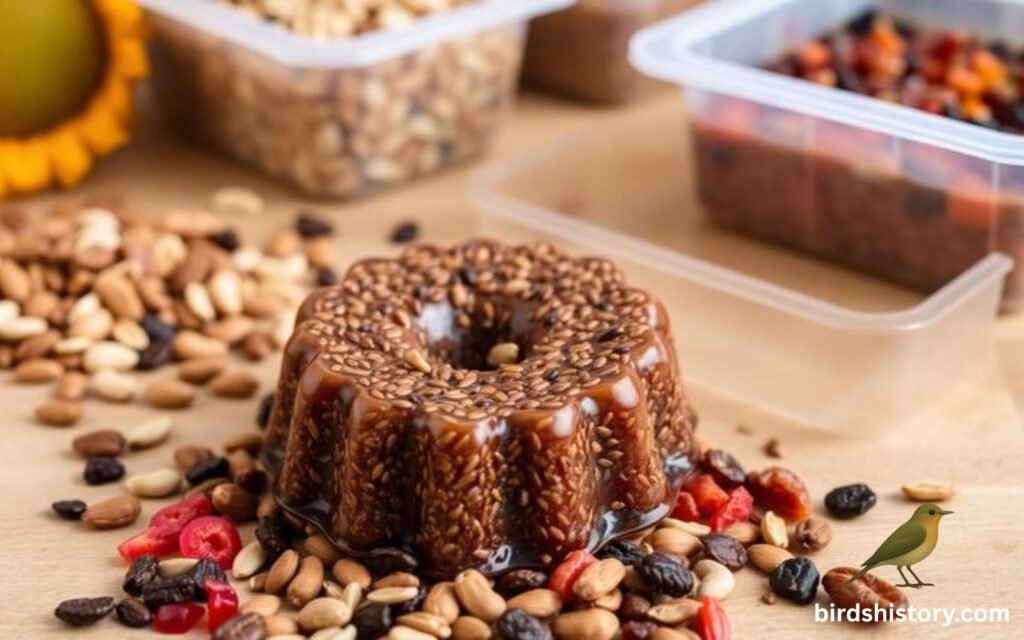
The foundation of effective gelatin bird seed cakes starts with quality seeds. Black oil sunflower seeds remain the gold standard due to thin shells and high oil content. Adding peanuts for birds, sunflower kernels, and small amounts of dried fruit increases appeal without waste.
Binders matter just as much. A proper gelatin binder made from unflavored gelatin, corn syrup, and flour keeps cakes firm while staying bird-safe. Using no-mess bird seed reduces spoilage and discourages pests, making these cakes ideal for suburban yards.
H2: Equipment and Materials You’ll Need
You don’t need special tools to begin how to make bird seed cakes. Common kitchen items work well. Muffin tins, bundt pans, or cookie cutters help shape bird seed cakes easily. For hanging, twine or ribbon turns cakes into hanging bird seed feeders.
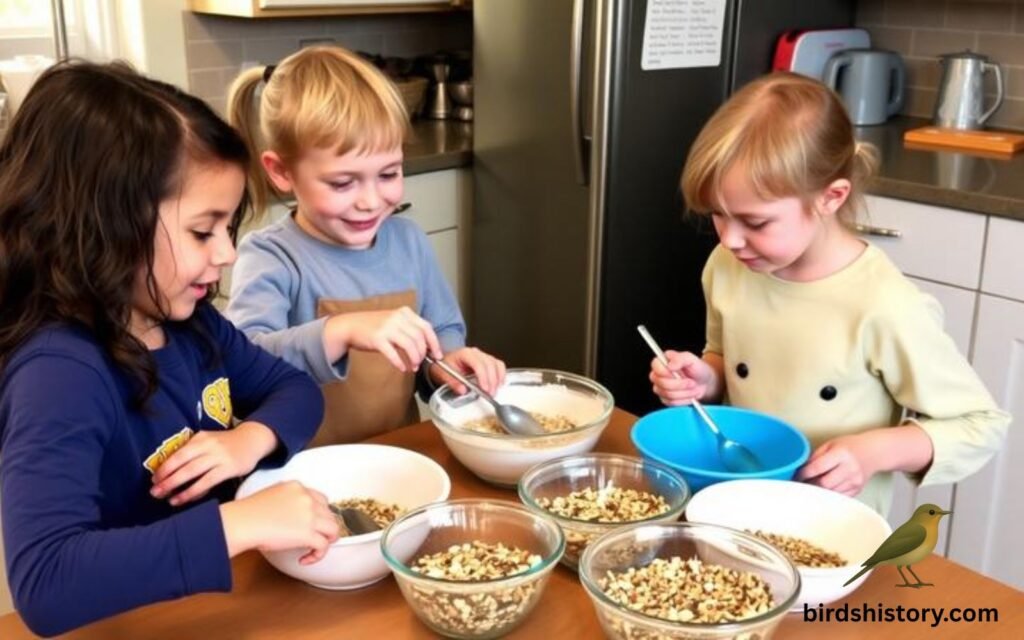
Many people also reuse household items creatively. Yogurt cups, bowls, or even cardboard molds work when lightly greased. This flexibility makes the process accessible and popular for kids bird crafts, blending creativity with learning about garden wildlife.
H2: Best Fats and Binders for Suet Cakes (What Works & Why)
True suet comes from beef fat, but suet or lard works well for homemade suet cakes. These fats stay firm in cold weather and provide long-lasting energy. Mixed with peanut granules, oatmeal, and mealworms, suet becomes a powerful high-fat bird food.
In seed cakes, gelatin replaces fat. A smooth binder allows seeds to lock together and set and harden bird seed properly. This balance prevents crumbling while ensuring birds can peck safely without strain.
H2: Ingredients You Should NOT Include in Bird Seed or Suet Cakes
Not all pantry foods suit birds. Bread, salted snacks, chocolate, and honey can harm songbirds and other wild birds. Ingredients that spoil quickly may grow mold, especially during wet winters.
Stick to bird-safe ingredients only. Avoid artificial sweeteners or heavily processed grains. Clean, dry components preserve health and support outdoor bird care, especially during demanding seasons.
H2: Step-by-Step Instructions to Make Bird Seed Cakes
Understanding the step-by-step bird feeder recipe helps avoid frustration. The process begins by dissolving gelatin in warm water, then blending in syrup and flour. Seeds are added gradually until evenly coated but not soggy.
Once pressed into molds, patience matters. Cakes must dry fully to prevent breakage. This drying stage is essential to store bird seed cakes safely or freeze bird food for later use, ensuring freshness during winter bird feeding.
H2: How to Make Classic Homemade Suet Cakes
Classic homemade suet cakes focus on warmth and endurance, especially during winter months when birds burn energy quickly. Softened suet or lard forms the base, creating dense fuel that supports flight, insulation, and survival. When mixed slowly with dry ingredients, the texture stays firm yet peckable.
For suet cakes for birds, balance matters. Too much fat causes crumbling. Too little reduces calories. A well-made cake fuels seed-eating birds while attracting larger species that prefer clinging feeders. Once chilled, these cakes slide easily into suet bird feeders or rest securely on tree trunks.
Also Read: https://birdshistory.com/pallass-cormorant/
H2: No-Melt Suet Cakes Recipe for Warm Weather
Heat presents challenges for traditional suet. In warmer regions, no-melt recipes prevent dripping and waste. These blends rely on stabilizers like flour and oatmeal, keeping fats solid longer. This approach supports year-round bird feeding, even in southern states.
No-melt options still deliver high-energy bird food without mess. They’re ideal for shaded yards or covered porches. When handled correctly, they maintain structure and remain safe for outdoor bird care, even during unexpected warm spells.
H2: Peanut Butter and Specialty Suet Cake Variations
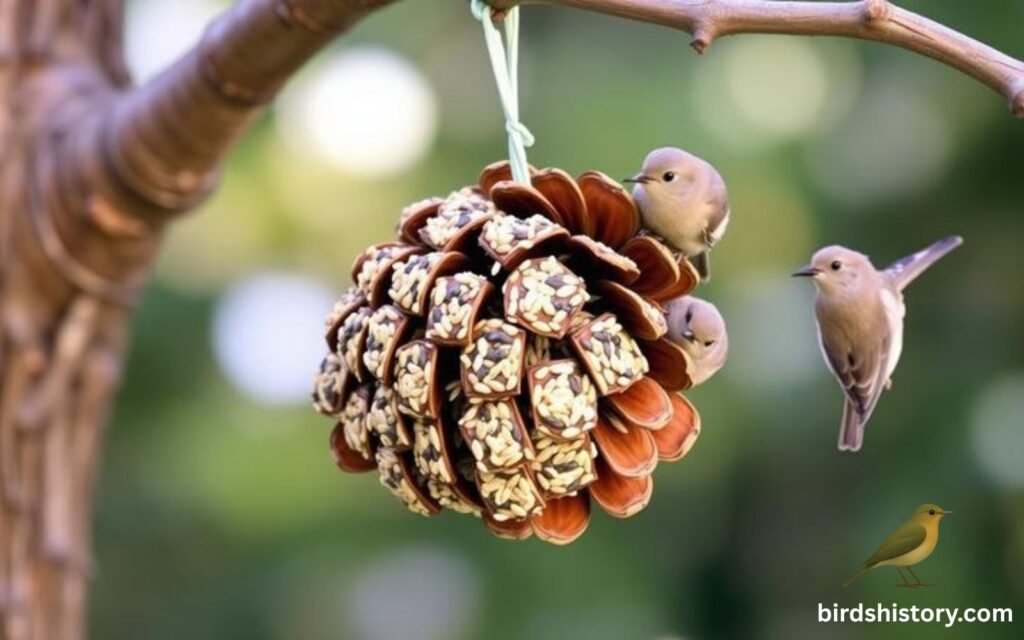
Peanut butter adds aroma and protein, making it irresistible to many backyard birds. Blending natural peanut butter with suet creates richer texture while avoiding additives. Birds like White-Breasted Nuthatches and House Finches respond quickly to these variations.
Specialty blends allow creativity. Adding mealworms boosts protein during nesting season. Dried fruit introduces texture and visual appeal. These variations transform feeding into an engaging ritual for nature lovers while supporting diverse nutritional needs.
H2: How to Shape, Set, and Store Bird Seed Cakes
Shaping affects feeding success. Compact forms encourage longer visits while reducing waste. Whether forming rings, blocks, or ornaments, consistent pressure ensures durability. Proper shaping helps cakes set and harden bird seed evenly.
Storage protects quality. Freezing extends freshness without altering texture. Wrapped tightly, cakes last weeks and remain mold-free. Knowing how to store bird seed cakes allows batch preparation, saving time during peak winter bird feeding ideas.
H2: How to Present and Hang Suet Cakes for Birds
Placement determines success. Birds need nearby perches to eat comfortably. Hanging cakes near branches encourages longer feeding sessions. Proper placement turns your yard into active bird feeding stations that invite repeat visits.
Avoid placing feeders too high or isolated. Birds like stability. When you hang bird seed ornaments near shelter, activity increases quickly. Observing patterns helps refine placement for maximum enjoyment.
H2: Quick-Read Instructions (Printable & Beginner-Friendly)
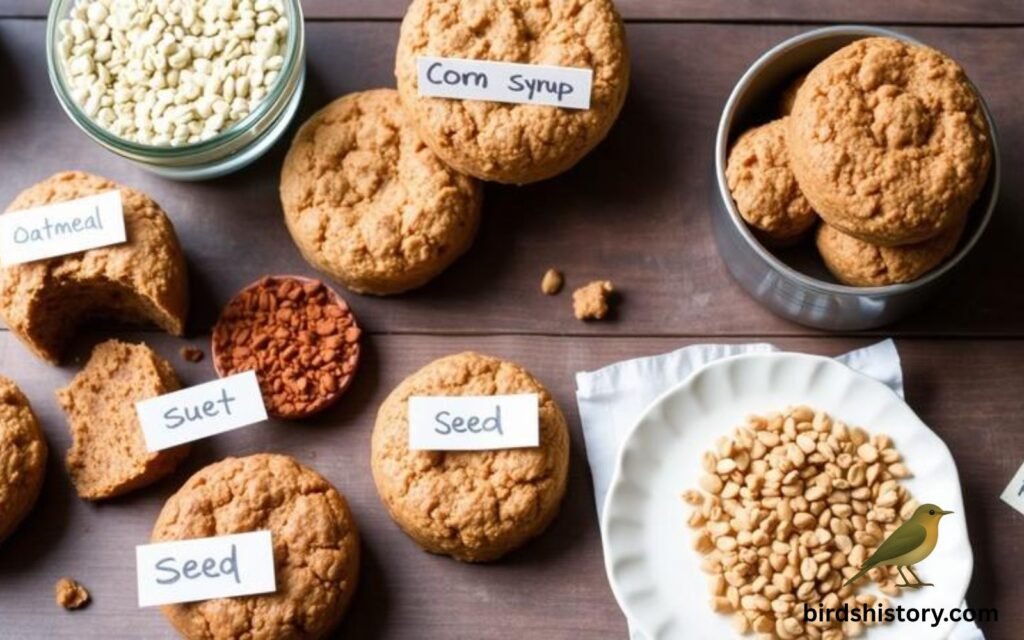
Sometimes simplicity wins. For beginners, combining softened binder, quality seeds, and proper drying creates reliable results. This streamlined approach supports easy bird recipes without sacrificing nutrition.
These condensed steps help first-time feeders succeed. Whether creating pine cone bird feeders, ornaments, or blocks, the same principles apply. With consistency, even simple methods sustain garden wildlife year after year.
FAQs About How to Make Bird Food Cakes
How to make bird food cakes?
Bird food cakes are made by mixing seeds with a binder like gelatin, flour paste, or fat. The mixture is pressed into molds, allowed to dry or set, and then hung outdoors for birds to enjoy.
How to make homemade birdseed?
Homemade birdseed is created by combining seeds such as sunflower seeds, millet, and cracked corn. Mixing different textures attracts more wild birds and reduces waste in backyard feeding.
How do you make bird seed cakes without gelatin?
You can replace gelatin with peanut butter, suet, lard, or a flour-and-water paste. These alternatives bind seeds well and work especially well for winter bird feeding.
How do you make homemade bird snacks?
Homemade bird snacks are made by blending seeds with natural binders and shaping them into small cakes or balls. They’re easy to prepare and provide quick energy for backyard birds.
How do you make homemade bird snacks?
Simple bird snacks use seeds mixed with peanut butter or suet. Once shaped and chilled, they become nutritious treats that birds can peck at safely.
What are the best ingredients for bird seed?
The best bird seed ingredients include black oil sunflower seeds, millet, peanuts, and sunflower kernels. These provide essential nutrients for birds and attract a wide variety of species.
What is the cheapest food to feed wild birds?
Black oil sunflower seeds and cracked corn are among the cheapest bird foods. They’re widely available, filling, and favored by many seed-eating birds.
How to make easy bird seed cakes?
Easy bird seed cakes are made by mixing seeds with a simple binder, pressing them into molds, and letting them dry. No special tools are required, making them beginner-friendly.
What is the 5 7 9 rule for bird feeders?
The 5-7-9 rule refers to feeder placement: hang feeders 5 feet off the ground, 7 feet away from structures, and 9 feet from cover to reduce predators and window strikes.
Final Thoughts
Understanding how to make bird food cakes allows you to support local birds in a simple yet meaningful way. These homemade treats provide steady nourishment, encourage regular visits, and turn your yard into a lively, bird-friendly space. By choosing quality seeds and safe binders, you help birds stay strong during demanding seasons while avoiding unnecessary waste. Making bird food cakes also deepens your connection with nature, as you begin to recognize feeding patterns, favorite ingredients, and visiting species.
Over time, this small effort creates a healthier balance between your garden and wildlife. Whether you hang a single cake or prepare several at once, each one offers comfort and energy to hungry birds. With patience and consistency, your outdoor space becomes more than a garden—it becomes a welcoming habitat where birds feel safe to return again and again.