Heron Bird Guide- From Grey Heron to Great Blue Heron
The heron bird is one of the most fascinating and recognizable waterbirds found in wetlands, lakes, rivers, and coastal estuaries across the world. Known for its long S-shaped neck, stilt-like legs, and sharp pointed bill, the heron bird is a master of patience and precision, often standing motionless for long periods while hunting its prey. Belonging to the Ardeidae family in the Ciconiiformes order, herons include species such as the Grey Heron, Great Blue Heron, and Little Blue Heron, along with nocturnal herons like the Black-crowned Night Heron and Yellow-crowned Night Heron.
These birds exhibit unique behaviors, from stand and wait hunting to bait fishing, and they play a vital role as predators of aquatic animals in freshwater and coastal ecosystems. Their elegant appearance, remarkable hunting skills, and intriguing social habits make the heron bird a symbol of grace and adaptability in nature.
Scientific Classification and Species
The heron bird belongs to the Ardeidae family within the Ciconiiformes order, which also includes storks, ibises, and spoonbills. The family is divided into several genera, including the Ardea genus for larger species like the Great Blue Heron and Grey Heron, and the Egretta genus for smaller, elegant species such as egrets. Additionally, the family contains bitterns, tiger herons, and specialized species like the White-bellied Heron and the Malagasy Pond Heron. This diversity makes the heron bird one of the most versatile wading birds worldwide.
| Feature | Great Blue Heron | Grey Heron | Little Blue Heron | Black-crowned Night Heron | Yellow-crowned Night Heron |
|---|---|---|---|---|---|
| Size | 97–137 cm | 84–102 cm | 56–66 cm | 58–66 cm | 56–66 cm |
| Wingspan | 180–230 cm | 175–195 cm | 88–105 cm | 105–120 cm | 105–120 cm |
| Diet | Fish, amphibians | Fish, crustaceans | Fish, insects | Fish, insects | Fish, amphibians |
| Activity | Diurnal | Diurnal | Diurnal | Nocturnal | Nocturnal |
| Habitat | Wetlands, lakes | Lakes, rivers | Marshes, ponds | Wetlands, rivers | Coastal wetlands |
| Status | Least concern | Least concern | Least concern | Least concern | Least concern |
In North America, the most commonly observed species include the Great Blue Heron, Green Heron, Little Blue Heron, Black-crowned Night Heron, and the Yellow-crowned Night Heron. Some species are diurnal herons, active during the day, while others are nocturnal herons, hunting primarily at night. Each species has adapted to different ecological niches, with unique plumage colors, crested feathers, and S-shaped neck movement for hunting and displaying courtship behaviors. Despite their differences, all heron species share similar hunting techniques and anatomical traits like stilt-like legs, sharp pointed bills, and elastic neck vertebrae, which make them efficient predators in their habitats.
Physical Characteristics
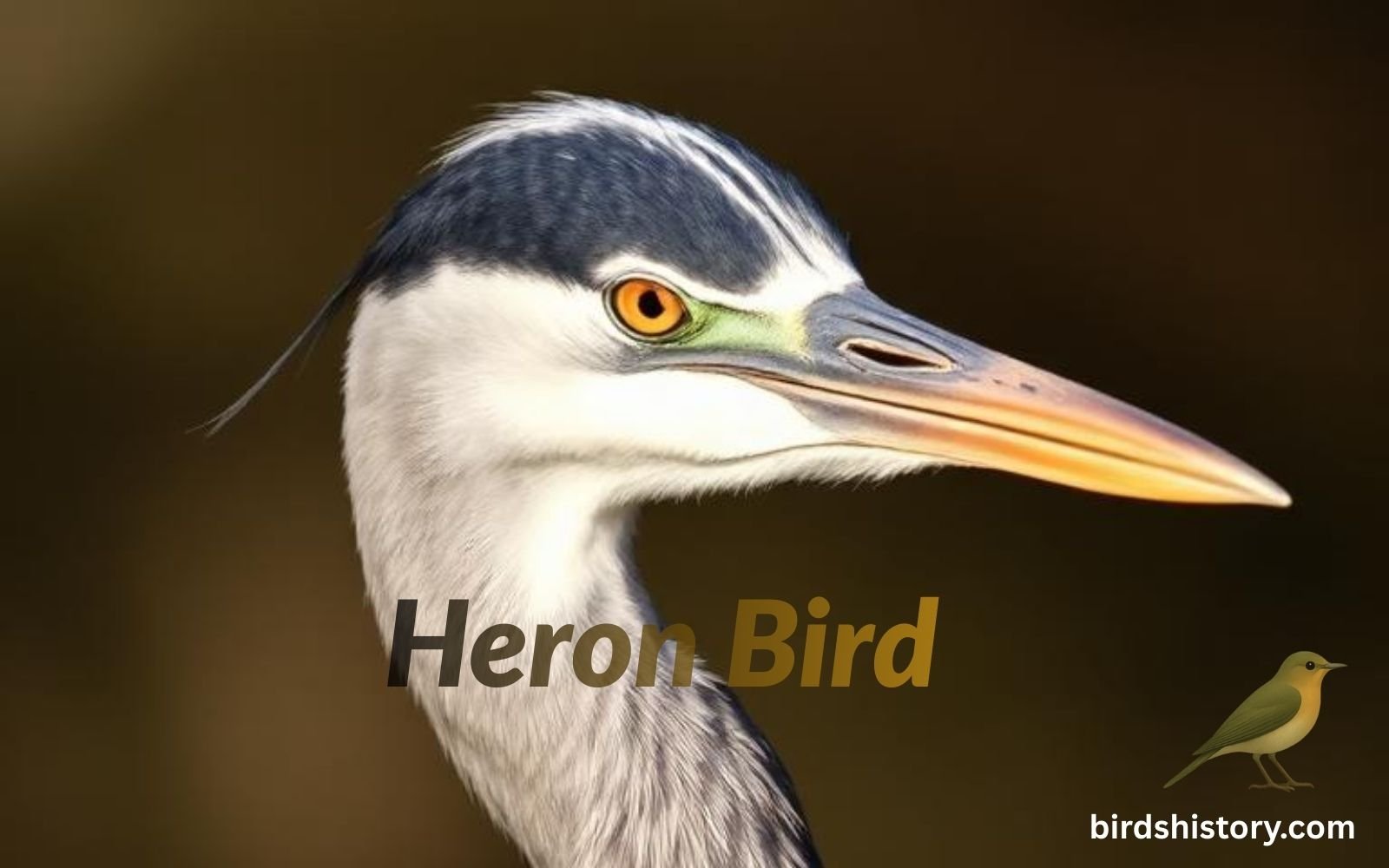
Herons are easily recognized by their long necks, stilt-like legs, and sharp pointed bills, which make them highly efficient predators of aquatic animals. Most herons have a characteristic S-shaped neck, which allows them to strike at prey with incredible speed and precision. Their wingspan varies by species, with the Great Blue Heron reaching up to seven feet across. Their plumage color ranges from grey and blue to white and black, often enhanced by crested feathers during the breeding season to attract mates. The anisodactyl foot and serrated mandibles also play a role in hunting, grooming, and maintaining balance while wading through water.

Herons are generally large prehistoric-looking birds with most species standing between three and five feet tall. Smaller species like the Little Blue Heron may weigh just a few hundred grams, while larger species like the Goliath Heron can exceed 2.5 kilograms. Their elastic neck vertebrae allow them to perform dramatic lunging movements when hunting, and their ability to gulp large prey demonstrates how specialized these birds are. The flight with neck retracted distinguishes herons from cranes, giving them balance and aerodynamics during long-distance flights.
Habitat and Distribution
Herons thrive in freshwater habitats, including wetlands, lakes, ponds, rivers, and coastal estuaries. Their presence is an indicator of healthy aquatic ecosystems, as they rely on abundant prey such as fish, insects, crustaceans, and amphibians. Globally, herons can be found across Africa, Asia, Europe, North America, South America, and Oceania, with certain species confined to tropical regions. In the USA, herons are widespread, from the wetlands of Louisiana and Florida to the marshes of the Great Lakes and the Pacific Northwest.
Herons are highly adaptable and can live in both urban and rural wetlands. Some species are migratory birds, following migration routes from northern breeding grounds to southern wintering habitats to access open water. Others are resident species, staying in the same areas year-round. Their preference for calm waters makes them skilled ambush predators, often standing motionless for hours as they watch for unsuspecting prey. Heronry colonies are often located in remote trees or islands, offering protection from predators and ideal nesting conditions.
Diet and Hunting Techniques
The diet of heron bird is diverse, reflecting their role as opportunistic feeders. They primarily feed on fish, insects, crustaceans, but larger species will also hunt amphibians, reptiles, rodents, and even small birds. Their hunting strategies are sophisticated and varied. The classic “stand and wait” hunting method involves a heron standing perfectly still in shallow water, waiting for prey to come within striking distance. Others use bait fishing, dropping objects onto the water to lure fish, or canopy feeding, where they spread their wings over water to reduce glare and attract prey.
Herons are remarkable solitary hunters, though in abundant feeding grounds, multiple birds may gather. Their tool-assisted hunting and patience make them highly efficient predators, and their S-shaped neck movement allows them to strike with lightning speed. The elastic neck vertebrae combined with a sharp pointed bill ensures they can catch prey of varying sizes, sometimes even swallowing large amphibians whole. This combination of anatomical adaptations and strategic hunting behavior underscores why herons are apex wading birds in their ecosystems.
Behavior and Social Life
Herons exhibit a wide range of behaviors, from solitary foraging to social interaction within breeding colonies. Most herons are solitary hunters, spending hours alone stalking prey, yet during the breeding season, they demonstrate highly social behaviors, including elaborate courtship displays and bill fencing. Male herons often present courtship plumes and engage in territorial fights to secure the best nesting sites. These birds are seasonally monogamous, forming pairs for the duration of the breeding season before seeking new mates the following year.
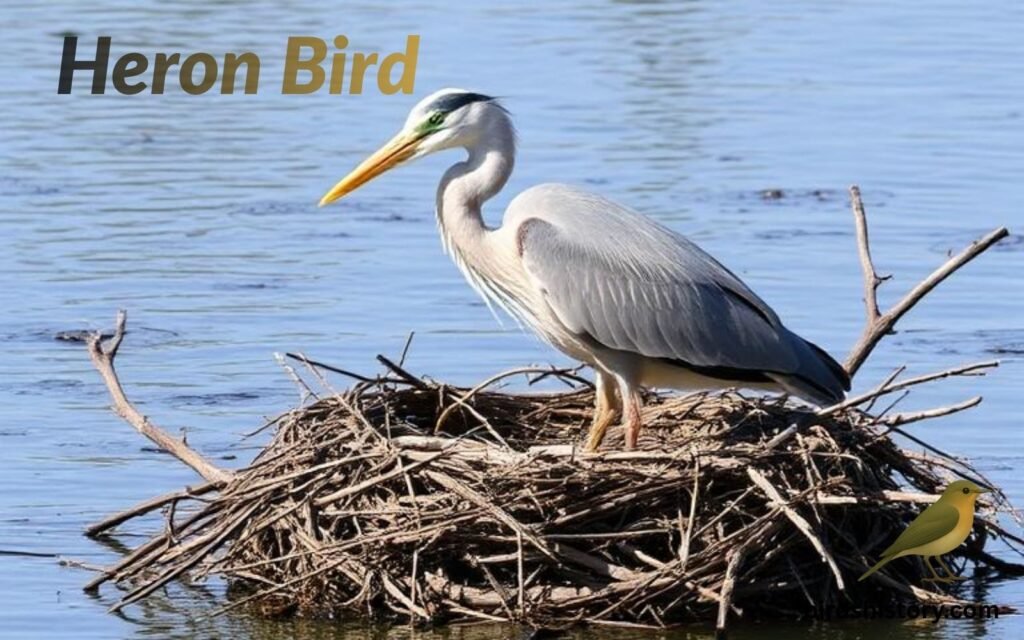
Herons communicate through a variety of vocalizations such as yelp, screech, and boom, which can be heard across large distances. They also rely on visual cues like crested feathers and dramatic S-shaped neck movement to signal aggression or attract mates. While some species are highly social, forming large heronries, others maintain strict solitary behavior, defending their territories from intruding birds. These behavioral patterns are crucial for survival, especially in areas where predators: fox, raccoon, hawk, eagle, crow may threaten eggs, chicks, or even adult birds.
Reproduction and Lifespan
Herons have fascinating reproductive behaviors, largely shaped by their role as predators of aquatic animals and the demands of raising their young in wetlands. During the breeding season, male herons perform dramatic courtship displays, extending their S-shaped necks, showcasing courtship plumes, and engaging in bill fencing to attract females. Once paired, herons often select nesting sites near water, such as bushes, trees, cliffs, or even ground-level reedbeds, and construct nests made of sticks. These nests form part of larger heronries, sometimes containing dozens or hundreds of birds.
The incubation period lasts around a month, during which both parents share responsibilities of warming the eggs and defending the nest from predators. Once hatched, heron chicks are cared for meticulously, with parents feeding them fish, insects, crustaceans, and other prey. The chicks grow quickly, molting their juvenile feathers in two to three months. Herons typically live 15–20 years in the wild, although survival rates for young birds can be low due to predation by fox, raccoon, hawk, eagle, and crow. This combination of careful parental care, high juvenile mortality, and long adult lifespan highlights the delicate balance herons maintain in their ecosystems.
Predators and Threats
Despite their size and adaptations, herons face a range of natural threats. Adult herons, especially larger species like the Great Blue Heron or Grey Heron, have few consistent predators due to their stilt-like legs and sharp pointed bill. However, eggs and young herons are vulnerable to predation from mammals and birds, including fox, raccoon, hawk, eagle, and crow. Human activities also pose serious threats. Habitat destruction through wetland drainage, urbanization, and pollution has caused local declines, while hunting in some regions historically reduced populations.

Some heron bird species are now considered endangered herons, such as the White-bellied Heron in the Himalayas and the Malagasy Pond Heron in Madagascar. Others, like the Goliath Heron or Grey Heron, remain least concern species thanks to widespread distribution. Habitat loss and climate change are ongoing issues, affecting migratory routes and food availability. Protecting wetlands, controlling human disturbance in heronry colonies, and monitoring populations on the IUCN Red List are essential for sustaining these birds across their global range.
Conservation Status
Globally, herons are generally resilient, but conservation varies by species. Many widespread species, like the Great Blue Heron, Little Blue Heron, and Black-crowned Night Heron, are classified as least concern species by the IUCN Red List. Population estimates for these birds in North America alone can reach millions. However, rarer species, such as the White-bellied Heron and some island-specific herons, face extreme pressures from habitat loss and historical exploitation, leading to their classification as endangered herons or even extinct species in some cases.
Conservation efforts focus on protecting freshwater habitats, maintaining nesting colonies, and enforcing wetland protections. Large-scale initiatives include monitoring migration patterns, safeguarding migration routes, and regulating human activities around sensitive breeding colonies. Education and public awareness campaigns also help reduce the risk of habitat disturbance and illegal hunting. For many species, conservation success depends on international cooperation, especially for migratory birds traveling across continents, from North America to Central America and beyond.
Amazing Heron Facts
Herons display a range of extraordinary behaviors and adaptations. Their S-shaped neck movement allows rapid strikes during hunting, making them lethal ambush predators. Species like the Black-crowned Night Heron can hunt in darkness, while the Grey Heron excels in daytime predation. Some herons use tool-assisted hunting, such as dropping feathers or twigs into water (bait fishing) to lure fish. Others employ canopy feeding, spreading their wings over water to create shade and attract prey.

Heron bird also display remarkable social vs solitary behavior. While they are generally solitary hunters, during breeding, heronries can become noisy colonies, with vocalizations including yelps, screeches, and booming sounds to communicate across the colony. Their flight with neck retracted and elongated stilt-like legs make them visually distinct. In addition to their hunting skills, herons are fascinating for their courtship displays, with males showcasing courtship plumes, performing intricate dances, and sometimes engaging in bill fencing competitions to secure mates.
Heron Identification Guide
Identifying herons involves observing size, plumage color, bill shape, and behavior. The Great Blue Heron is easily recognized by its tall stature, blue-grey feathers, and long S-shaped neck. The Little Blue Heron is smaller, with more delicate blue plumage and a sharp, pointed beak. Nocturnal species like the Black-crowned Night Heron and Yellow-crowned Night Heron are more compact with darker coloring and shorter necks, adapted to nighttime hunting.
Unique physical features, such as crested feathers, anisodactyl feet, and serrated mandibles, can also aid identification. Observing hunting style is useful: herons using stand and wait hunting or bait fishing can indicate species type. Flight patterns, particularly the characteristic flight with neck retracted, help distinguish herons from cranes. Combining these visual and behavioral cues provides a reliable method for identifying herons in freshwater habitats and coastal estuaries.
Herons in Culture and Ecosystems
Herons have been symbols of patience, grace, and longevity in many cultures. Native American folklore often depicts herons as wise creatures, while Asian cultures, including Japan and China, associate them with purity and tranquility. Beyond cultural symbolism, herons play a critical role in ecosystems. As predators of aquatic animals, they control populations of fish, insects, crustaceans, and other prey, maintaining the health of wetlands.

Heron bird also influence plant life by nesting in trees and shrubs. Their presence in heronries contributes to nutrient cycling through guano deposition. Ecotourism benefits from heron colonies, where birdwatchers flock to observe their majestic S-shaped neck movement and graceful flight with neck retracted. Protecting herons, therefore, is not just about preserving a species but sustaining entire wetland ecosystems that support countless other forms of life.
Heron Pictures and Visual Guide
Visual observation is essential for appreciating herons. Images of species like the Great Blue Heron, Grey Heron, Little Blue Heron, and Black-crowned Night Heron showcase stilt-like legs, S-shaped necks, crested feathers, and hunting techniques. Close-ups reveal serrated mandibles and sharp pointed bills, while wide shots capture wingspan and flight with neck retracted. Photos also highlight plumage color changes during the breeding season, demonstrating courtship plumes and other sexual displays.
Field guides often include tables comparing species based on size, habitat, diet, and identifying features. Observing these characteristics in images or in the wild aids in recognizing diurnal herons, nocturnal herons, and tropical species like tiger herons and the rare Malagasy Pond Heron. Whether studying anatomy, behavior, or ecology, visual guides are invaluable for both scientists and bird enthusiasts.
FAQs
What is special about heron?
Herons are unique wading birds with long S-shaped necks, stilt-like legs, and sharp pointed bills, making them skilled ambush predators and opportunistic feeders in wetlands.
Are herons rare in the UK?
No, heron bird like the Grey Heron are common in the UK, especially near lakes, rivers, and wetlands, although rarer species like the Little Egret are increasing in numbers.
What do herons symbolize?
Herons symbolize patience, grace, and wisdom, often associated with tranquility, self-reflection, and adaptability across cultures.
Is the heron a crane?
No, herons belong to the Ardeidae family in the Ciconiiformes order, while cranes are a different family (Gruidae) with longer flying necks and different behaviors.
What are herons’ powers?
Herons’ “powers” include exceptional hunting techniques, such as stand and wait hunting, bait fishing, canopy feeding, and precise S-shaped neck movement for striking prey.
What is the superstition about herons?
In folklore, herons are considered messengers of patience and foresight, and seeing one often signals good timing or new opportunities ahead.
Do herons bring good luck?
Yes, in many cultures herons are believed to bring good luck, prosperity, and protection, especially when spotted near water.
Are herons good to have around?
Herons indicate a healthy wetland ecosystem and help control populations of fish, insects, and amphibians, making them beneficial for natural balance.
What is a heron personality?
Herons are mostly solitary hunters, patient, observant, and territorial, but they become social in breeding colonies (heronries) and display intricate courtship behaviors.
Is a heron considered good luck?
Yes, herons are traditionally seen as symbols of good luck, wisdom, and prosperity, often inspiring admiration in birdwatchers and cultures worldwide.
When heron crosses your path?
Seeing a heron cross your path is considered a sign to pause, reflect, and act with patience, as it may symbolize new opportunities or guidance in life.
Conclusion
The heron bird is an extraordinary species, admired for its elegance, remarkable hunting techniques, and vital ecological role. From its long S-shaped neck and stilt-like legs to its precise ambush predator skills, the heron bird exemplifies patience, skill, and adaptability. Found across continents, including North America, Europe, Asia, and Africa, herons thrive in diverse wetlands and freshwater habitats, contributing to healthy ecosystems by controlling populations of fish, insects, amphibians, and crustaceans.
Whether solitary or in large breeding colonies, herons exhibit complex social behaviors, from courtship displays to bill fencing. Appreciated not only for their ecological importance but also for their symbolic representation of wisdom and good fortune, the heron bird continues to captivate birdwatchers, nature enthusiasts, and cultures worldwide, making it a true icon of wetlands and aquatic life.