Cooper’s Hawk – Size, Diet, and Hunting Behavior 2026
The Cooper’s Hawk is a fascinating medium-sized hawk found across much of North America. Often called a bird hawk, it thrives in woodland habitats, where its hunting skills make it an expert predator of both birds and small mammals. Its ability to move maneuverably in dense cover allows it to approach prey silently, making it one of the most skilled stealth hunting raptors in the USA. Birdwatchers often admire its combination of speed, agility, and clever hunting strategies, as it strikes with sudden bursts of speed from perches or during a low glide through the trees.
This North American hawk is not just a predator; it plays a critical role in maintaining the balance of forest ecosystems by controlling populations of prey birds: robins, jays, flickers, starlings and small mammals: chipmunks, squirrels, mice. With a crow-sized body and a wingspan 2’-2’11”, the Cooper’s Hawk is perfectly designed for the forested and suburban landscapes it inhabits. Its growing presence in urban and suburban areas shows its remarkable adaptability, even in environments transformed by humans.
Scientific Classification
The Cooper’s Hawk, scientifically known as Accipiter cooperii, belongs to the family Accipitridae, which includes all true hawks, eagles, and kites. Its genus, Accipiter, is characterized by short, rounded wings and long tails, ideal for navigating through dense woodlands. The species is closely related to the Sharp-shinned Hawk and the Northern Goshawk, yet it stands out because of its larger size and more robust flight silhouette.
The name Cooper’s Hawk honors William Cooper, an early American naturalist, while its scientific designation reflects the taxonomic traditions used for Accipitrine hawks in North America. Over time, this hawk has become a subject of study for ornithologists, especially for its migratory behavior and remarkable hunting abilities. Its presence in the USA, Canada, Mexico, and Belize illustrates its broad ecological adaptability.
At a Glance
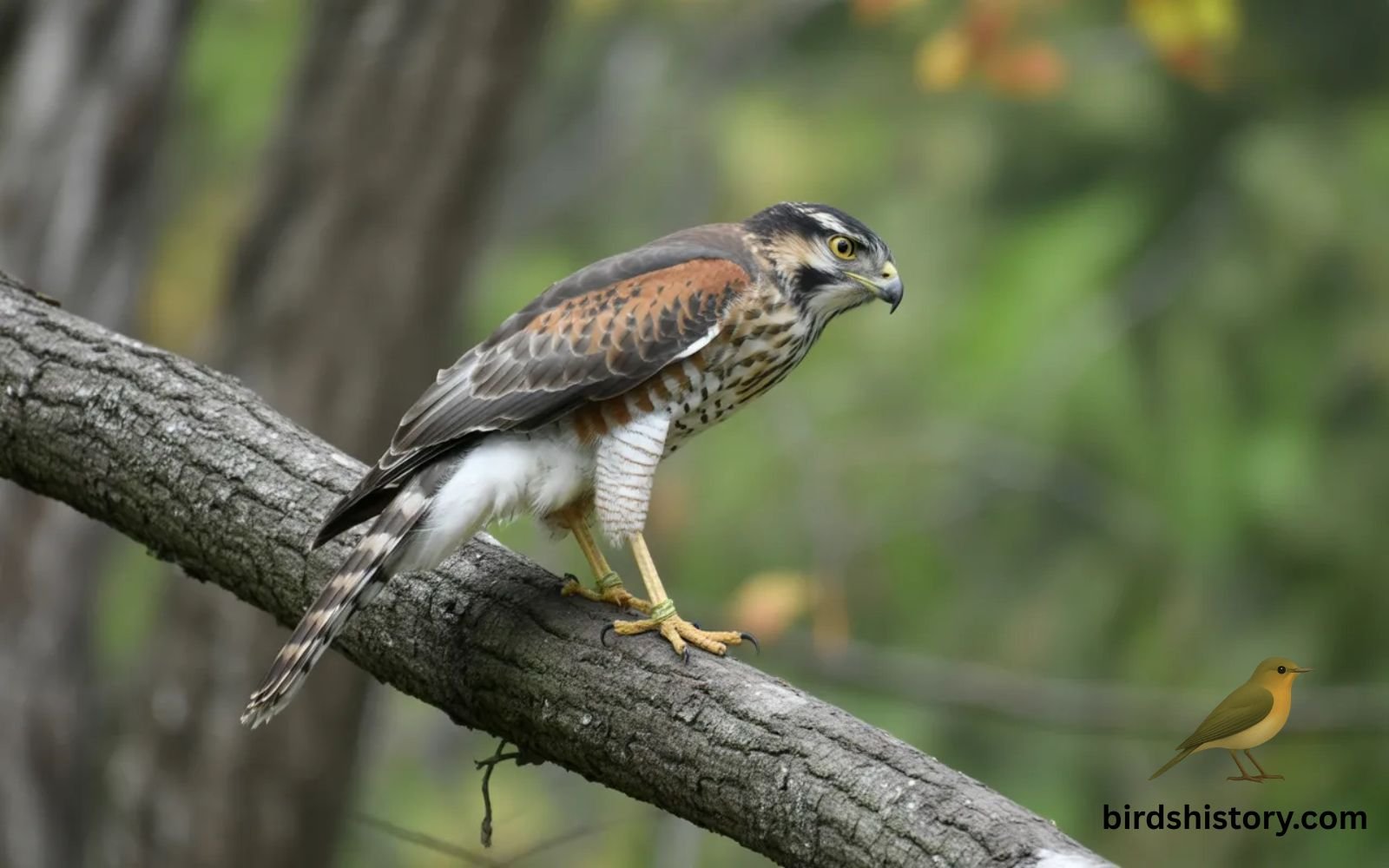
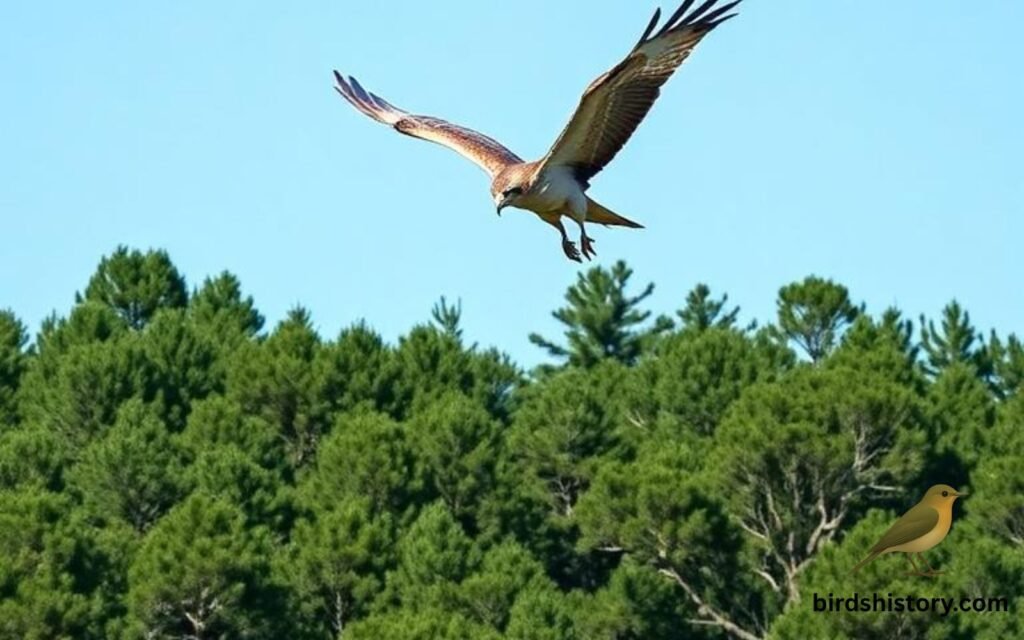
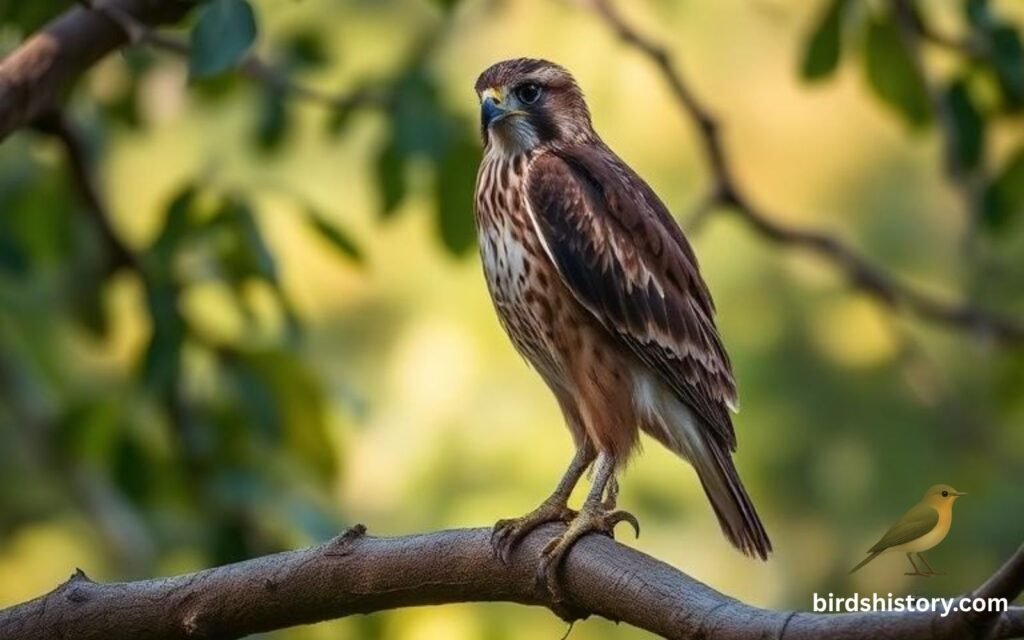
The Cooper’s Hawk is about the size of a crow, with a length 15-18 in and weight 8–24 oz, though sexual dimorphism (female larger than male) is evident. Adults are blue-gray above, reddish below, with a distinctive dark cap, while juveniles are brown, streaked, making field identification straightforward for birdwatchers familiar with plumage patterns. Its broad, rounded wings and rounded tail allow it to maneuver through forests while maintaining flap/glide flight and occasional soaring.
The population in the USA is estimated between 100,000–1,000,000 individuals, and its IUCN status: Least Concern reflects its recovery after the decline caused by DDT and pesticide impacts. The Cooper’s Hawk can be seen in a variety of habitats, from arroyos, canyons, coasts, fields, meadows, forests, woodlands, shrublands, and savannas to urban and suburban habitats, showing remarkable flexibility in choosing hunting and nesting locations.
Identification
Identifying a Cooper’s Hawk requires attention to its body shape and flight silhouette. Adults feature a dark cap contrasting with lighter nape feathers, a rounded tail, and broad, rounded wings. Juveniles have brown, streaked plumage, making them resemble the Sharp-shinned Hawk, yet the Cooper’s Hawk vs Sharp-shinned Hawk differences are clear upon closer observation: Cooper’s Hawks are larger, with longer tails and relatively bigger heads.
In flight, this woodland raptor alternates between flap/glide flight and soaring, often moving silently through the canopy. Birders often look for its stealth hunting posture, when it glides low, eyes focused on prey birds: robins, jays, flickers, starlings and small mammals: chipmunks, squirrels, mice, waiting for the perfect moment to strike. Its flight silhouette is sometimes described as a “flying cross,” emphasizing its broad wings and long tail.
Range and Distribution
The Cooper’s Hawk has a broad range across USA, Canada, Mexico, and Belize, with notable populations in California, Florida, Great Lakes, New England, Mid-Atlantic, Rockies, and Texas. Northern breeders are partial migrants, often moving south during the winter months, while southern populations tend to remain year-round. The species is increasingly observed in urban and suburban habitats, taking advantage of tall trees and open green spaces for hunting and nesting.
Seasonal migration involves daytime movement along natural corridors such as ridges and coastlines, allowing the Cooper’s Hawk to utilize thermals and soaring to save energy. In fall, juveniles migrate earlier in fall, whereas in spring, adults migrate earlier in spring, reflecting the species’ strategic adaptation to food availability and breeding needs. The hawk generally avoids long water crossings, preferring routes that maximize safety and efficiency.
Habitat
The Cooper’s Hawk thrives in forests, woodlands, river groves, edge habitats, and even suburban areas. It often selects tall trees for nesting in deciduous, mixed, or coniferous forests, but urban and suburban nesting is increasingly common due to the availability of cover and prey. Its habitat selection demonstrates flexibility, combining open hunting areas with dense cover for stealth and safety.
Edge habitats, river groves, and even scattered trees in fields or suburban yards allow this woodland raptor to hunt effectively. Seasonal shifts in habitat use occur when northern populations move south in winter, while others adapt to suburban corridors, demonstrating the Cooper’s Hawk’s migratory behavior and adaptability to environmental changes.
Behavior
The Cooper’s Hawk is an agile and secretive woodland raptor. Its courtship flight involves soaring and exaggerated wingbeats, often combined with territorial displays to protect nesting areas. The hawk hunts primarily using perch hunting, silently gliding through vegetation, then striking prey with a sudden burst of speed. Its hunting strategy: ambush, surprise attack, chasing prey on foot allows it to capture both prey birds: robins, jays, flickers, starlings and small mammals: chipmunks, squirrels, mice, occasionally taking reptiles, amphibians, fish, insects.
During feeding, Cooper’s Hawks often use plucking posts to remove feathers from birds before eating and caching food for later use, particularly during breeding season. Its flap/glide flight and maneuverable in dense cover techniques make it one of the most efficient Accipitrine hawks. Vocalizations include loud cack-cack-cack-cack, chatter and scream calls, juvenile squeaky whistles, female harsh notes, and male various calls, making it easier to detect even when visually hidden.
Diet and Feeding Habits
The Cooper’s Hawk is a versatile predator with a diet that reflects its adaptability. It primarily hunts prey birds: robins, jays, flickers, starlings, often using perch hunting to silently survey a patch of forest or woodland. Its hunting strategy: ambush, surprise attack, chasing prey on foot allows it to catch prey both in flight and on the ground. Occasionally, it supplements its diet with small mammals: chipmunks, squirrels, mice and rarely reptiles, amphibians, fish, insects, highlighting its opportunistic feeding habits.
During the breeding season, Cooper’s Hawks demonstrate remarkable foresight, using plucking posts to prepare birds for feeding and caching food nearby to feed growing nestlings. Observers note that the species frequently hunts from dense cover, gliding silently and then launching a sudden burst of speed, a hunting method perfected for maneuverable in dense cover environments. Its feeding behavior also supports local ecosystems by controlling bird and rodent populations.
Breeding and Life Cycle
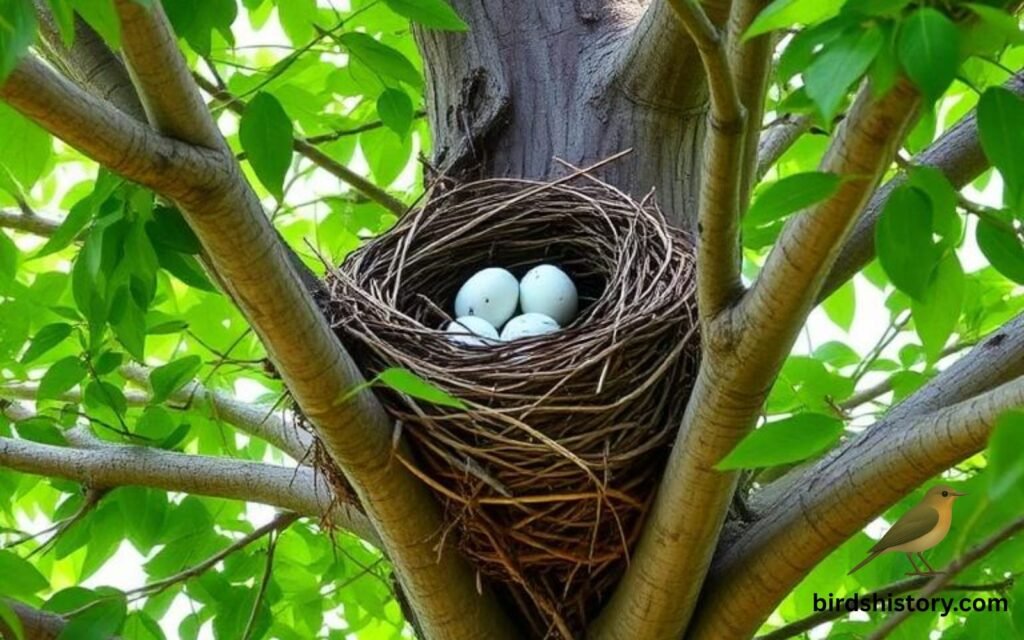
Cooper’s Hawks build nests in deciduous, mixed, or coniferous forests, often selecting sites 25–50 feet above ground. Nest structure: bulky sticks, lined with bark provides stability and camouflage. Courtship involves dramatic courtship flight displays, including soaring and slow, deliberate wingbeats, alongside territorial displays that warn intruders. Male feeds female during incubation, and the female then incubates eggs: 3–5, pale bluish-white for 30–36 days.
Young hatchlings grow rapidly, with fledging: 27–34 days, and juveniles gradually gain independence, learning to hunt through practice and observation. This stage includes exploration near the nest, practicing hunting strategy: ambush, surprise attack, chasing prey on foot, and relying on stored cached food before establishing their own territories. The species’ life cycle reflects a balance of parental care and survival skills honed in USA, Canada, Mexico, Belize, demonstrating resilience in both rural and urban habitats.
Migration of Cooper’s Hawk
The Cooper’s Hawk exhibits partial migrant behavior, with northern breeders moving south during winter while southern populations may remain year-round. Migration occurs during the day, with the species using soaring and flap/glide flight to cover long distances efficiently. Fall migration often sees juveniles migrate earlier in fall, while in spring adults migrate earlier in spring, a pattern thought to optimize access to resources and breeding sites.
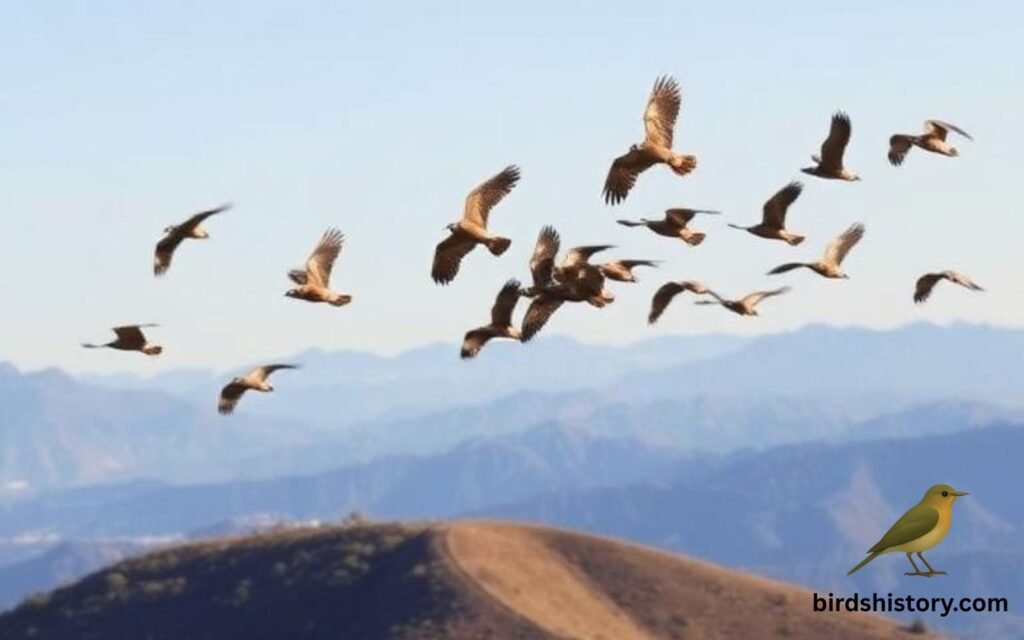
Migratory routes avoid long water crossings, and birds often concentrate along ridges and coastlines in favorable weather conditions. Migration data, collected via community science data (Christmas Bird Count), reveals that the species uses thermals and updrafts to reduce energy expenditure, maintaining hunting skills and physical condition during these long seasonal movements.
Conservation Status
Historically, Cooper’s Hawks suffered declines due to shooting/persecution history and DDT and pesticide impacts, which caused eggshell thinning and population drops. Populations in the eastern USA were particularly affected, with high mortality among first-year birds. Following legal protections and the ban on DDT in 1972, numbers rebounded dramatically. Today, the IUCN status: Least Concern reflects stable populations of 100,000–1,000,000 across North America.
Conservation efforts continue in suburban and urban areas, where urban Cooper’s Hawk sightings help monitor population health. Studies highlight that maintaining edge habitats, forests, and river groves is crucial, while community engagement through bird counts and habitat protection programs ensures ongoing awareness of this North American hawk’s ecological importance.
Climate Change and Threats
The Cooper’s Hawk faces emerging challenges due to climate change effects, habitat loss and urbanization, and warming scenarios. Climate models predict shifts in suitable habitats, potentially altering breeding and hunting ranges. Vulnerability to warming scenarios may affect prey availability, forcing adaptations in hunting strategy: ambush, surprise attack, chasing prey on foot and migration timing.
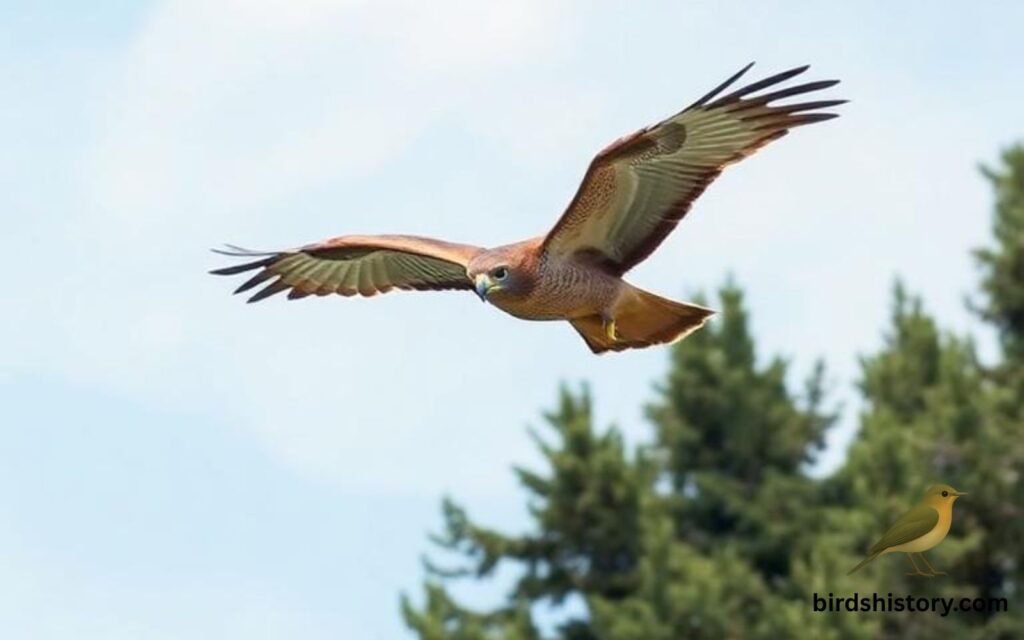
Protecting forests, woodlands, and urban green spaces remains essential. Programs that integrate community science data (Christmas Bird Count) help track population trends under changing climatic conditions. Conservationists emphasize that mitigating climate impacts requires preserving nesting in deciduous, mixed, or coniferous forests, reducing urban threats, and ensuring connectivity between seasonal habitats.
FAQs about Cooper’s Hawk
Is it rare to see a Cooper’s hawk?
No, Cooper’s Hawks are fairly common in USA, Canada, and parts of Mexico, especially in forests, woodlands, and even suburban areas with trees. Sightings may be less frequent in open fields.
What is the Cooper’s hawk known for?
It is known for being a stealthy woodland raptor, hunting prey birds: robins, jays, flickers, starlings and small mammals: chipmunks, squirrels, mice with sudden bursts of speed and expert maneuverability in dense cover.
Are Cooper’s hawks good to have around?
Yes, they help control populations of rodents and pest birds, making them beneficial for maintaining healthy ecosystems in forests and urban environments.
Are Cooper’s hawks afraid of humans?
Generally, they are cautious but not extremely fearful. Cooper’s Hawks may tolerate distance in urban/suburban habitats, often nesting in trees near human activity if undisturbed.
What is hawks’ biggest enemy?
Eggs and juveniles are most vulnerable. Raccoons, Great Horned Owls, and human-related threats like shooting/persecution have historically been major enemies.
What is so special about a hawk?
Hawks are exceptional predators with keen eyesight, agile flight, and sharp talons. Cooper’s Hawk is notable for its flap/glide flight, hunting prey birds and small mammals, and ability to thrive in both forests and urban areas.
Why is it called Cooper’s hawk?
It is named after William Cooper, an early New York naturalist. The species’ scientific name is Accipiter cooperii.
What attracts a Cooper’s hawk?
They are attracted to areas with abundant prey birds and small mammals, edge habitats, river groves, and even urban/suburban trees suitable for nesting and hunting.
Conclusion
The Cooper’s Hawk stands as one of North America’s most adaptable and fascinating woodland raptors. Its skill in stealth hunting, ability to navigate dense forests, and success in urban environments highlight both its ecological importance and its resilience. From USA, Canada, Mexico, Belize, it continues to thrive, contributing to the balance of ecosystems while captivating birdwatchers with its impressive flight silhouette and dramatic hunting displays. Conservation efforts and awareness will ensure that this medium-sized hawk remains a vital part of North America’s natural heritage for generations to come.