Cockatiel: The Charming Companion Bird of Australia
The cockatiel is one of the most beloved pet birds in the world. Known for its curious personality, striking crest, and cheerful whistles, this small parrot has captured the hearts of bird enthusiasts everywhere. Originating from the open landscapes of Australia, cockatiels are admired not only for their looks but also for their intelligence and affectionate nature.
One fun fact is that cockatiels are the smallest members of the cockatoo family, which makes them unique compared to other parrots. Despite their small size, they have big personalities and are often described as playful, loyal, and surprisingly easy to train.
Whether you are a bird lover looking to learn more about them in the wild or a pet owner hoping to better understand your feathered friend, the cockatiel offers endless fascination.
Cockatiel Taxonomy / Classification
- Common Name: Cockatiel
- Scientific Name: Nymphicus hollandicus
- Family: Cacatuidae (Cockatoos)
- Order: Psittaciformes (Parrots)
- Class: Aves
Also read: /california-condor/
Interestingly, the cockatiel is the only species in its genus (Nymphicus), making it quite distinct within the cockatoo family.
Cockatiel Physical Description
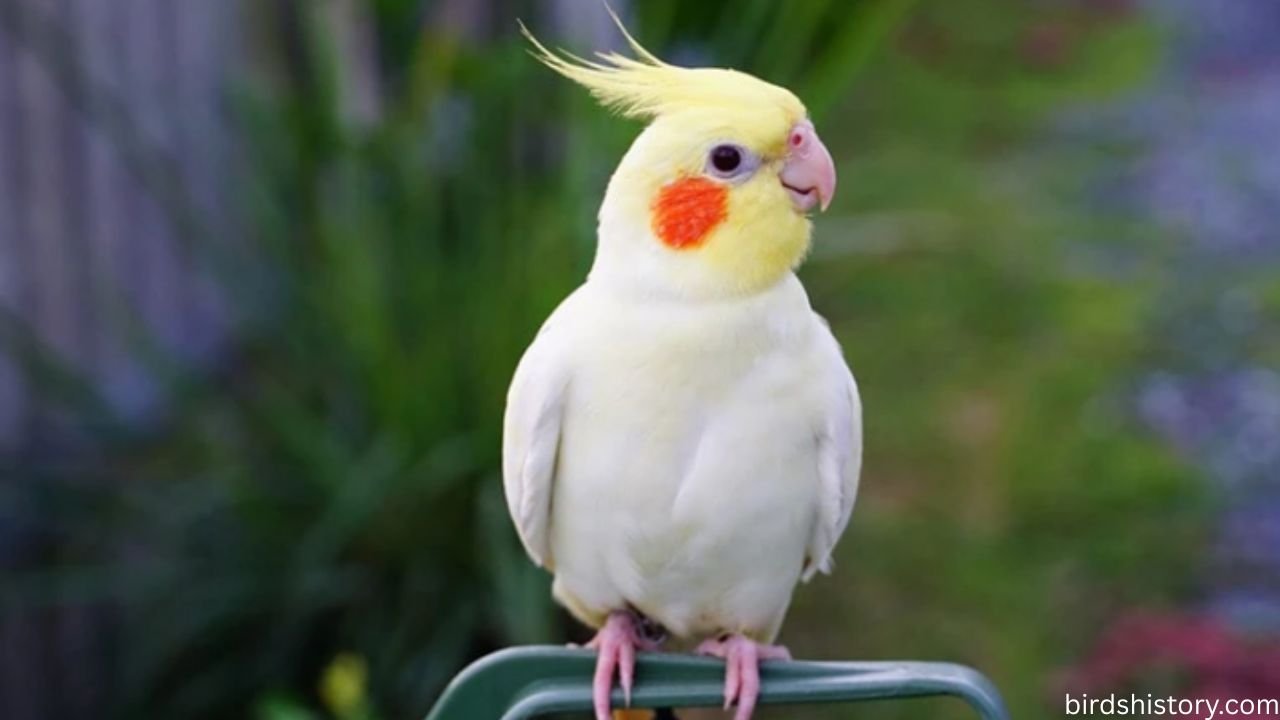
Cockatiels are medium-sized parrots with a slender build and an expressive crest of feathers on their head.
- Size: About 12–13 inches (30–33 cm) long, including the tail.
- Weight: 80–120 grams on average.
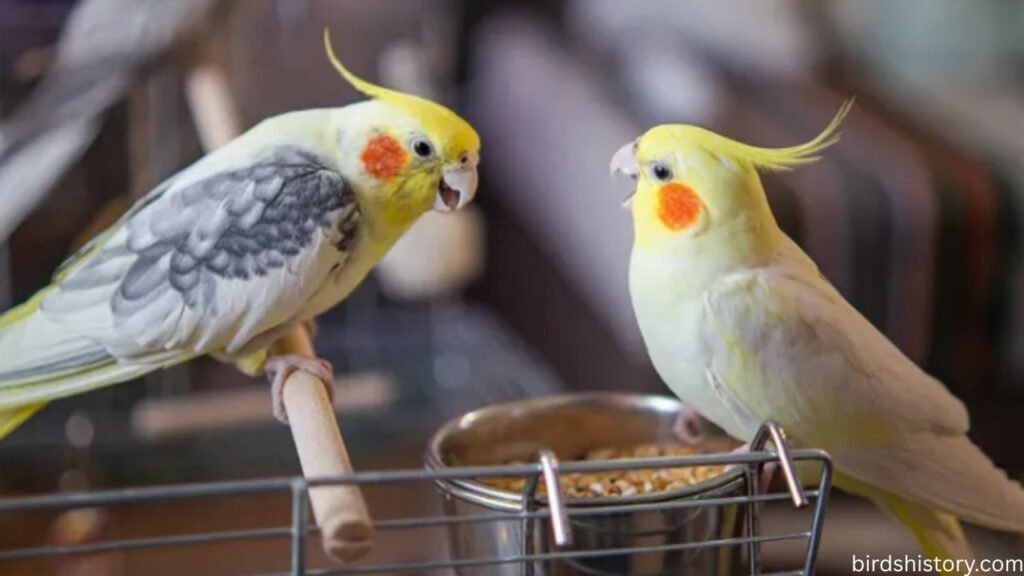
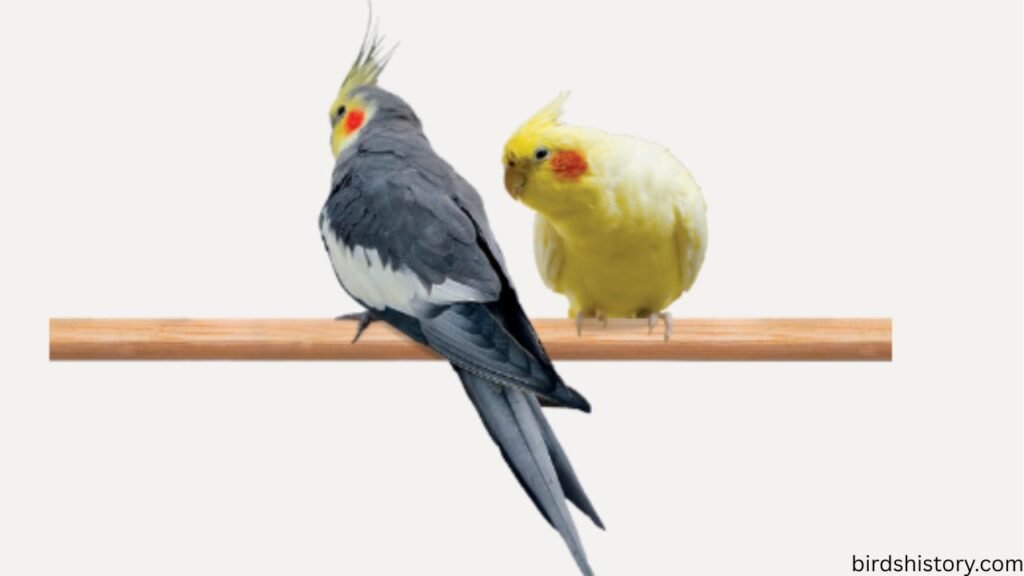
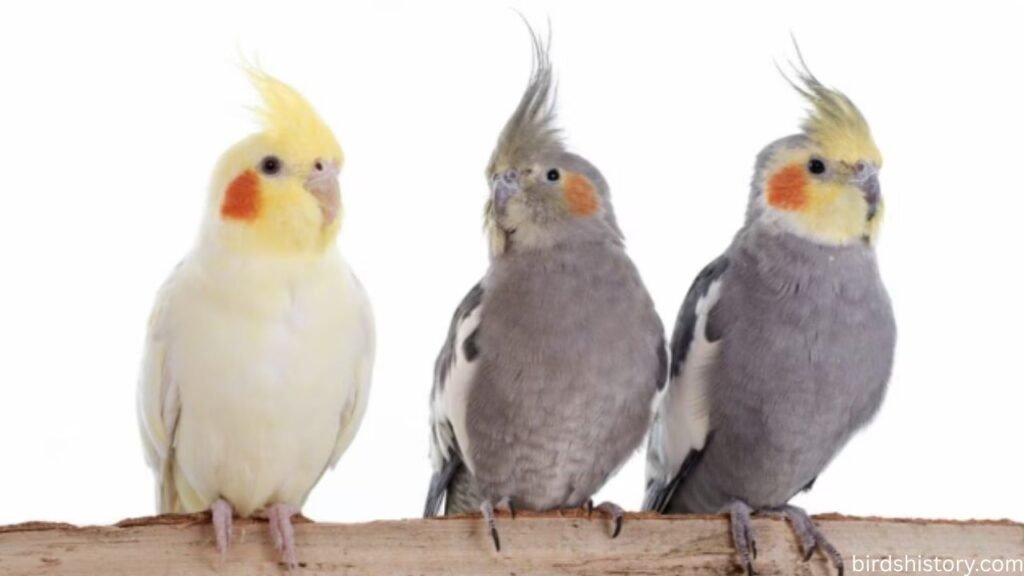
- Coloration: The wild-type cockatiel has gray feathers, white wing patches, a yellow face, and bright orange cheek patches.
- Crest: The crest feathers can move up or down, signaling mood. An upright crest shows alertness, while a flattened crest indicates relaxation.
- Beak and Tail: They have a small curved beak suited for seeds and a long pointed tail.
Sexual dimorphism (differences between males and females):
- Males usually have brighter facial markings (yellow faces and vivid orange cheeks).
- Females often retain a more muted gray coloration with barring under the tail feathers.
Selective breeding in captivity has also produced a variety of color mutations, including lutino (yellow), pied, albino, pearl, cinnamon, and white-faced cockatiels.
Habitat and Range of Cockatiel
- Native Range: Cockatiels are native to mainland Australia.
- Preferred Environments: They thrive in open habitats such as grasslands, savannas, and bushlands, especially near water sources.
- Avoided Habitats: They are rarely seen in dense forests or coastal areas.
- Migration Patterns: Cockatiels are nomadic. They move in flocks depending on food and water availability, especially during droughts or seasonal changes.
Because of their adaptability, cockatiels are found across much of Australia, though they are absent from the farthest coastal regions.
Cockatiel Diet and Feeding Habits
Cockatiels are primarily granivores (seed eaters), but their diet is more diverse in the wild.
- Wild Diet: Seeds from grasses and shrubs, fruits, berries, leaves, and occasionally insects.
- Foraging Behavior: They forage on the ground in flocks, especially after rainfall when seeds are abundant.
- Captive Diet: A healthy diet for pet cockatiels includes a mix of high-quality pellets, fresh vegetables (spinach, carrots, broccoli), fruits (apples, berries, melons), and some seeds as treats.
Fun note: Cockatiels have a playful way of eating and often hold food with their feet, just like other parrots.
Behavior and Lifestyle
Cockatiels are highly social birds with lively personalities.
- Social Nature: They live in flocks in the wild, sometimes numbering in the hundreds. As pets, they crave companionship from either humans or other birds.
- Flight Style: They are strong fliers, moving swiftly and gracefully in flocks across the open sky.
- Nesting Habits: In the wild, cockatiels nest in hollow tree trunks, usually close to water.
- Vocalizations: Cockatiels are talented whistlers. Males often sing to attract mates, while females are usually quieter. Unlike parrots such as African Greys, cockatiels are not strong talkers but can learn simple words and tunes.
- Mating Rituals: Courtship involves males singing, tapping their beaks, and spreading their wings to impress females.
Their friendly temperament makes them wonderful pets, but they require daily social interaction to remain happy and healthy.
Reproduction and Lifespan of Cockatiel
- Breeding Season: Typically after rainfall in Australia, when food is plentiful.
- Nesting Details: They nest in tree hollows lined with wood dust and lay their eggs inside.
- Eggs: 4–7 eggs per clutch, white in color. Both parents incubate the eggs.
- Incubation Period: About 18–21 days.
- Chick Development: Chicks fledge (leave the nest) at about 4–5 weeks of age.
- Lifespan:
- In the wild: around 10–15 years.
- In captivity: with proper care, they can live 20–25 years or longer.
Predators and Threats
In the wild, cockatiels face both natural and human-related threats:
- Natural Predators: Hawks, falcons, snakes, and monitor lizards.
- Environmental Threats: Droughts, habitat loss, and food scarcity.
- Human Impact: Trapping for the pet trade in the past was a problem, though today most pet cockatiels are captive-bred.
Their ability to adapt to changing environments has helped them remain abundant in their natural range.
Cockatiel Conservation Status
- IUCN Status: Least Concern.
- Population: Stable, with millions of cockatiels in the wild.
- Conservation Efforts: Since cockatiels are not endangered, there are no major conservation programs focused on them. However, conservation of Australian habitats benefits them indirectly.
Unlike many parrot species that face extinction, cockatiels are thriving, which is good news for bird lovers.
Interesting Facts About Cockatiel
- Cockatiels are the only small cockatoos, making them unique among their larger relatives.
- They use their crest feathers to express emotions, almost like facial expressions in humans.
- Male cockatiels can mimic household sounds like doorbells, whistles, and even phone ringtones.
- Their orange cheek patches are actually patches of bare skin with carotenoid pigments.
- They were first discovered by European explorers in Australia during the late 18th century.
Conclusion / Summary
The cockatiel is a remarkable bird that combines beauty, charm, and intelligence in a small package. Native to the Australian outback, it has adapted to a wide range of habitats and continues to thrive both in the wild and in homes across the globe.
As pets, cockatiels are affectionate, trainable, and full of personality. In the wild, they display fascinating behaviors such as nomadic flocking and ground foraging. Their expressive crests, bright cheek patches, and cheerful whistles make them a bird worth appreciating.
Whether you admire them as wild birds of Australia or as loyal companions perched on your shoulder, cockatiels are truly one of nature’s little treasures.
FAQs About Cockatiel
1. Are cockatiels good pets for beginners?
Yes. Cockatiels are friendly, social, and relatively easy to care for compared to larger parrots.
2. How long do cockatiels live as pets?
With good care, cockatiels can live 20–25 years, sometimes longer.
3. Do cockatiels talk like parrots?
They are not strong talkers but can mimic simple words, tunes, and whistles.
4. Can cockatiels be kept alone?
They can, but they require daily human interaction. Otherwise, a second cockatiel is recommended for companionship.
5. What should I feed my cockatiel?
A balanced diet of pellets, fresh vegetables, fruits, and occasional seeds.
6. Are male or female cockatiels better pets?
Both make excellent pets. Males are often more vocal and playful, while females are quieter and calmer.
7. Do cockatiels need a large cage?
Yes. They need enough space to stretch their wings, climb, and play. A cage at least 24 x 18 x 24 inches is recommended.
8. How can I tell if my cockatiel is happy?
A happy cockatiel will whistle, play, preen, and interact with you. A raised crest often signals excitement.
9. Do cockatiels breed easily in captivity?
Yes. With the right environment and care, cockatiels breed readily in captivity.
10. Are cockatiels noisy birds?
They are generally quieter than many parrots, though males can be more vocal when whistling or calling.