Cameroon Bird Guide – Top Species and Hotspots 2026
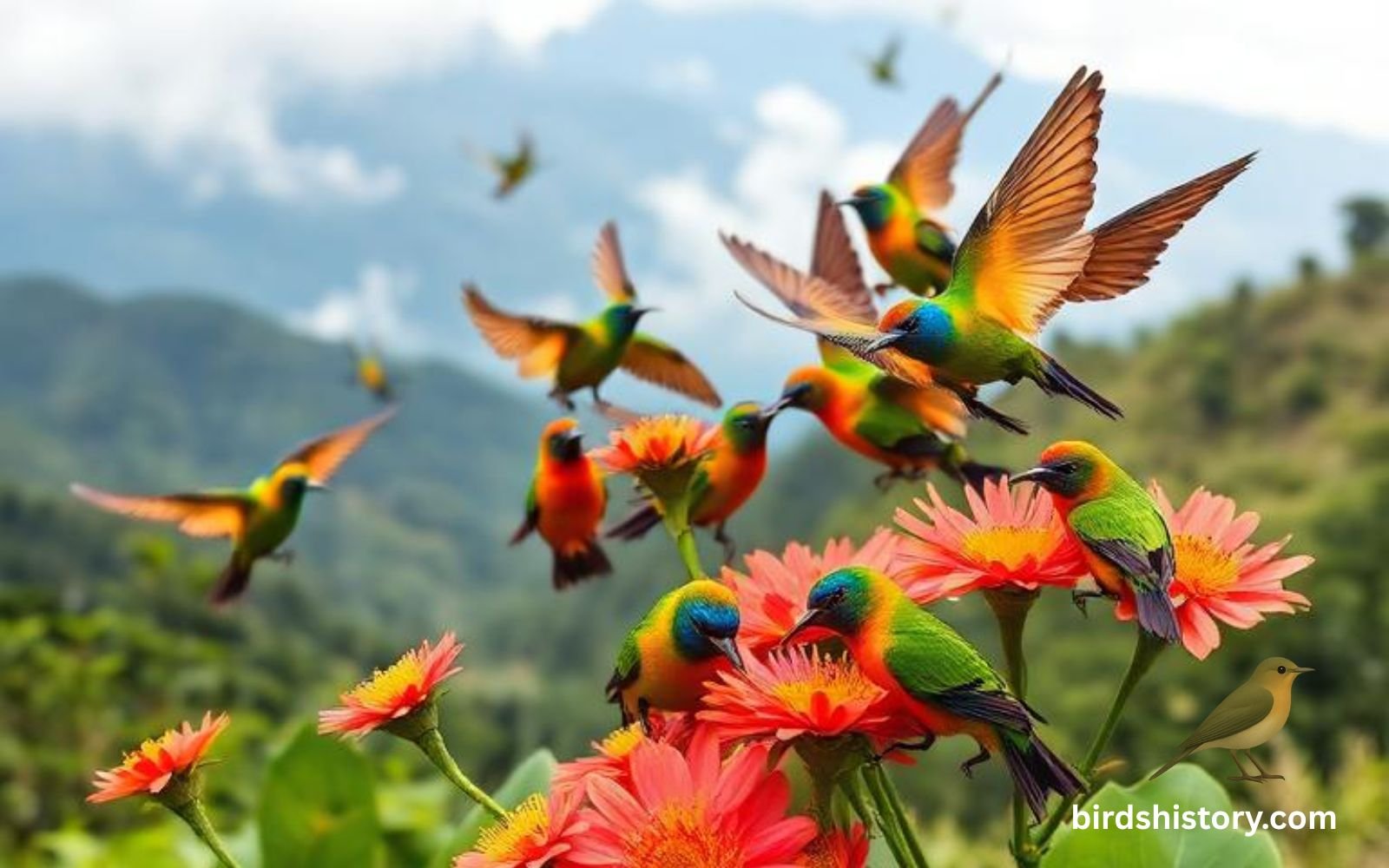
Cameroon, located at the crossroads of West Africa and Central Africa, is often called “Africa in miniature” because it hosts nearly every type of climate and landscape found on the continent. From the hot, humid Gulf of Guinea coastlines to the dry northern regions near Lake Chad, Cameroon provides habitats for an incredible diversity of wildlife. For bird enthusiasts, this country is a treasure trove, supporting 970 bird species Cameroon, including 11 endemic bird species, and many rare and migratory birds from across Africa and Europe. Its forests, savannas, wetlands, and mountains create a perfect stage for birdwatchers seeking both iconic and obscure species.
The sheer diversity of Cameroon bird species is fueled by the country’s geography. The Adamawa Plateau, Cameroon Highlands, and the volcanic peaks of Mount Cameroon create varied altitudes, while the Cross-Sanaga-Bioko coastal forests and Atlantic Equatorial coastal forests offer dense, humid lowlands. Rivers like the Nyong River, Sanaga River, Wouri River, and Logone River sustain wetlands and riparian zones that attract both waterbirds and forest species. With roughly 43% forest cover spanning 20 million hectares forest, Cameroon not only ranks among the richest birding countries in Africa but also holds Africa’s second-highest biodiversity concentration. This natural wealth has prompted the establishment of protected reserves Cameroon and wildlife sanctuaries to conserve its remarkable bird populations.
Bird Classification and Major Families in Cameroon
Cameroon’s avifauna is remarkably diverse, spanning numerous families and ecological niches. The tropical lowlands are dominated by families such as turacos, hornbills, sunbirds, and weavers, while montane forests and highlands host several endemic birds of Mount Cameroon and the Cameroon Mountains Endemic Bird Area. Raptors like the African harrier-hawk and Peregrine Falcon patrol the savannas and open lands, while kingfishers and herons thrive along rivers including the Sanaga River and Wouri River. This complex mix of species has earned Cameroon a reputation as one of the most accessible yet richly rewarding birding destinations in West Africa.
Endemism is especially notable in Cameroon’s highlands and isolated forests. The volcanic slopes of Mount Cameroon, the Bamenda Highlands, Mount Kupé, and Rumpi Hills serve as isolated refuges for species such as the Mount Cameroon Francolin, Bannerman’s Turaco, and Mount Kupé Bushshrike. These birds are restricted to specific elevations and forest types, making them top priorities for international birders. Many of these species are also featured in Important Bird Area (IBA) listings, highlighting their ecological significance. In addition, Cameroon’s diverse river systems and coastal forests support migratory species that travel thousands of kilometers between Europe, Africa, and beyond, offering birders year-round excitement.
Common and Iconic Bird Species of Cameroon
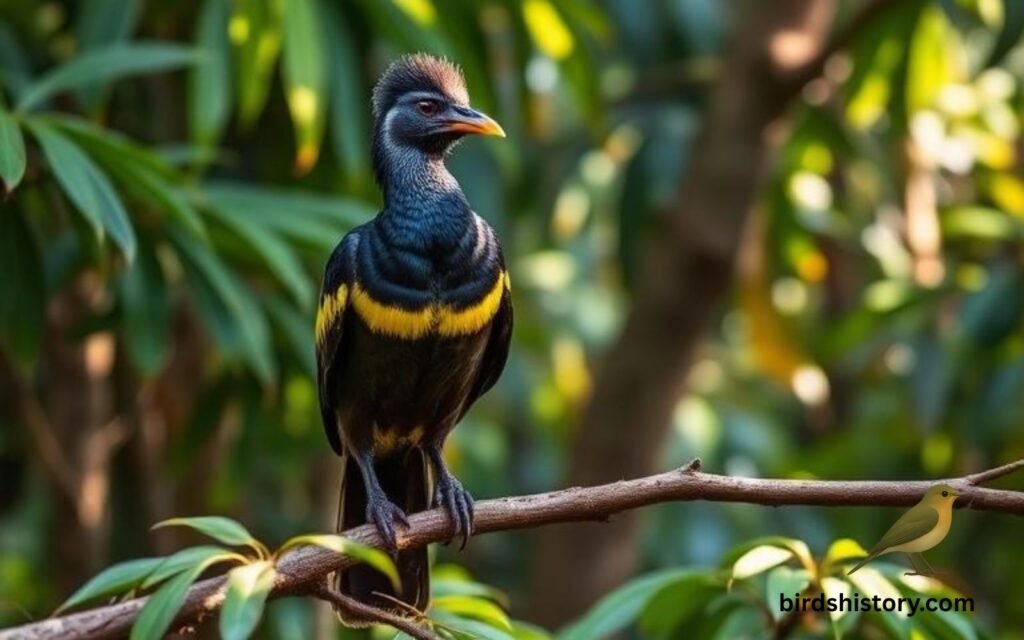
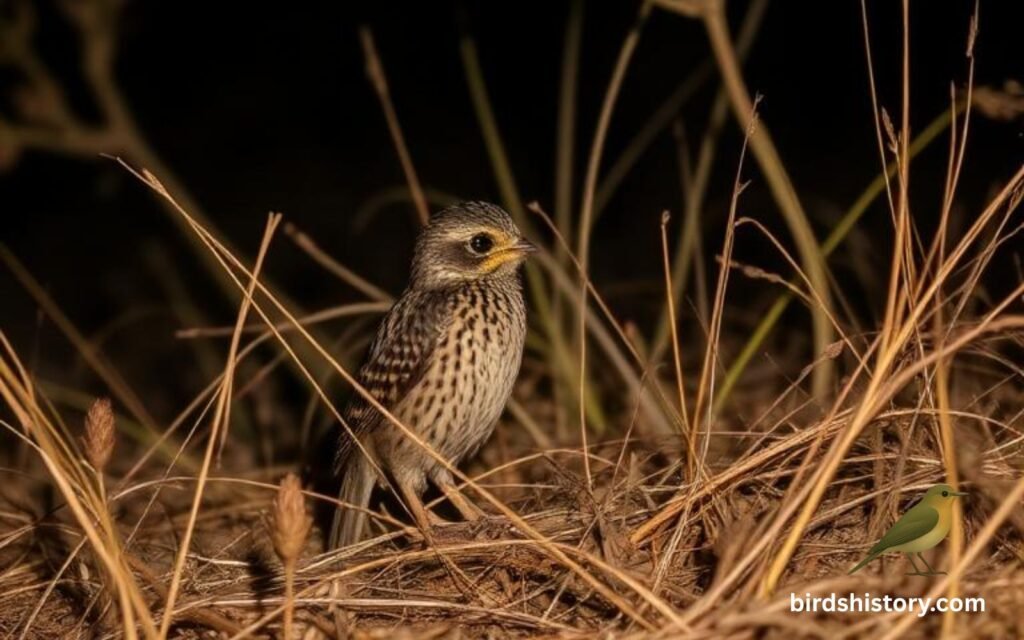
Among the 970 bird species Cameroon, some stand out as true icons for wildlife enthusiasts. The Grey-necked Rockfowl, a highly elusive bird, is often the centerpiece for those exploring the Cameroon and Gabon lowlands (EBA 085), while the Golden Nightjar habitat Cameroon draws attention in the Sahelian regions of the north. Other celebrated species include the Bannerman’s Turaco, Mount Cameroon Francolin, Cameroon Olive Pigeon, and Lyre-tailed Honeyguide. Each species displays unique behaviors, colors, and vocalizations, making them sought-after for both observation and photography. Even widespread species like African Grey Parrots or Western Bluebills can surprise visitors with their intelligence and vibrant plumage.
These birds are not only remarkable for their beauty but also for their ecological roles. The Cameroon Olive Greenbul, for example, contributes to seed dispersal in montane forests, while insectivorous species such as the Mountain Robin-Chat help control pest populations. The distribution of iconic birds varies greatly by region, from the coastal mangroves along the Gulf of Guinea to the dry grasslands of Waza National Park. By targeting specific habitats and seasons, birders can maximize their sightings, whether aiming for Guinea savanna bird species, Sahel biome birds Cameroon, or rare endemics in the Cameroonian Highlands forests.
Birds by Habitat and Elevation
Cameroon’s bird diversity is intimately tied to its complex geography, with each habitat supporting distinctive avifauna. The coastal plains, including the Cross-Sanaga-Bioko coastal forests, are warm, humid, and densely forested, supporting species like the White-thighed Hornbill and Blue-billed Malimbe. Inland, the Atlantic Equatorial coastal forests harbor lowland rainforest birds West Africa, such as Red-sided Broadbills and Grey-headed Nigrofinches. Montane forests of the Cameroon Highlands host 29 restricted-range endemics, including the Mount Kupé Bushshrike and White-throated Mountain Babbler, while the Bamenda Highlands and Rumpi Hills act as refuges for species with very limited ranges.
As elevation increases, habitat changes dramatically, affecting bird presence and behavior. The Adamawa Plateau and northern savannas support Guinea savanna bird species and Sahel biome birds Cameroon, including Arabian Bustard, Sudan Golden Sparrow, and Quail Plover. Wetlands along the Nyong River, Sanaga River, and Logone River attract a mix of waterbirds, including African Pygmy Goose and Little Grebe. A table summarizing species by habitat and elevation can help visitors plan effective birding trips:
| Habitat Type | Elevation | Notable Bird Species | Endemic Status |
|---|---|---|---|
| Coastal forests (Cross-Sanaga-Bioko coastal forests) | 0-200 m | White-thighed Hornbill, Blue-billed Malimbe | Lowland endemics |
| Montane forests (Cameroon Highlands, Mount Kupé) | 600-2,000 m | Mount Cameroon Francolin, Bannerman’s Turaco | Endemics of Mount Cameroon & EBA 086 |
| Savannah & Adamawa Plateau | 300-1,200 m | Sudan Golden Sparrow, Arabian Bustard | Non-endemic |
| Rivers & wetlands (Nyong River, Sanaga River, Logone River) | 0-300 m | African Pygmy Goose, Little Grebe | Migratory & resident |
This diversity of habitats makes Cameroon a unique destination for birders who wish to see everything from lowland rainforest birds to highland endemics and migratory species. The interplay of elevation, climate, and vegetation creates a constantly changing tableau of species across the country, promising memorable birding experiences.
National Parks and Birding Hotspots
Cameroon’s network of protected areas provides unrivaled opportunities for birding in West Africa. Bénoué National Park, a UNESCO Biosphere Reserve, spans vast savannas and floodplains along the Bénoué River, offering sightings of rare species like the Adamawa Turtle-Dove and Egyptian Plover. In the southwest, Korup National Park preserves one of Africa’s richest lowland rainforests, attracting over 425 species of birds, including lowland forest specialists and the elusive Grey-headed Rockfowl. The park’s humid forests and ancient trees make it a living museum of biodiversity.
Highland birding is equally remarkable. Mount Cameroon, rising above the Gulf of Guinea, and the surrounding Cameroon Highlands host endemic birds of Mount Cameroon such as the Mount Cameroon Francolin, Mount Cameroon Speirops, and Cameroon Olive Pigeon. The Bakossi National Park and Mbam Djerem National Park add further protection for montane and lowland forests, ensuring 30% conservation land target goals are met. For birders seeking both convenience and diversity, the Limbe Botanical & Zoological Gardens serve as a gateway to coastal species and a hub for observing species like the Carmelite and Mangrove Sunbirds.
Bird Behavior and Ecology
Birds in Cameroon exhibit fascinating ecological behaviors, reflecting the country’s habitat diversity. Forest birds like turacos, weavers, and sunbirds show intricate social structures and elaborate feeding strategies. For example, the Cameroon Olive Greenbul participates actively in seed dispersal, shaping forest regeneration. Migratory species, such as Palaearctic warblers, arrive seasonally, often nesting in Atlantic Equatorial coastal forests or along riverine habitats, displaying remarkable navigational skills across continents.
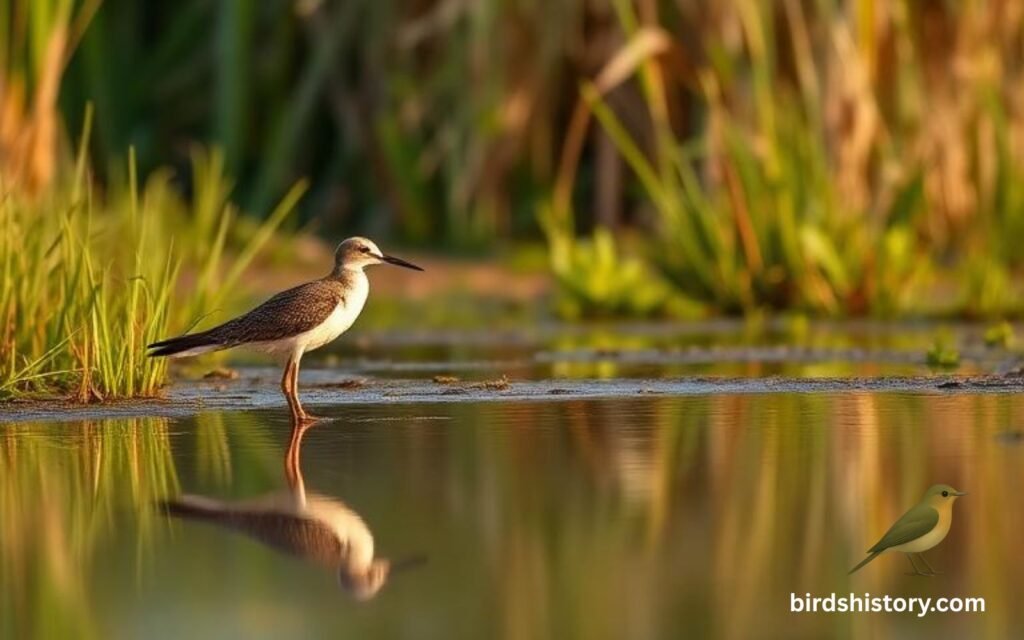
Predation, mating, and territoriality vary by habitat. In the Adamawa Plateau and Sahel biome, species like the Arabian Bustard and Scissor-tailed Kite defend vast territories, while montane endemics like the Bannerman’s Turaco rely on dense canopy cover for nesting. Birds along rivers, including the Nyong River and Sanaga River, exhibit complex foraging behaviors, diving for fish, insects, and crustaceans. Observing these behaviors provides invaluable insight into ecological dynamics and highlights Cameroon as a living laboratory for ornithologists.
Conservation Status and Threats
Despite its natural wealth, Cameroon faces significant threats to its avian populations. Deforestation, agricultural expansion, and logging have reduced forest cover to roughly 43% forest cover, down from historical levels. Coastal wetlands, including areas along the Bight of Biafra, are threatened by urban development, jeopardizing habitat for waterbirds. Endemics in the Cameroon Mountains Endemic Bird Area face heightened vulnerability due to restricted ranges and habitat fragmentation.
Conservation efforts focus on expanding protected reserves Cameroon, enforcing wildlife protection laws, and restoring degraded habitats. The country’s goal of 30% conservation land target emphasizes sustainable management of parks like Takamanda National Park, Kagwene Gorilla Sanctuary, and Waza National Park. International collaborations with organizations such as the African Bird Club and the Wildlife Conservation Society help support ongoing monitoring of species populations, including 11 endemic bird species, 409 mammal species, 250 reptile species, 200 amphibian species, and 8,260 plant species.
Bird Photography in Cameroon
Cameroon offers a paradise for bird photographers, with its combination of diverse habitats, unique species, and accessible terrain. Coastal mangroves along the Gulf of Guinea and Cross-Sanaga-Bioko coastal forests provide dramatic backgrounds for photography, showcasing vibrant sunbirds and glossy starlings. Montane forests in the Bamenda Highlands and Mount Kupé offer opportunities to capture rare species like the Mount Kupé Bushshrike in natural, mist-shrouded settings. Early mornings along rivers like the Sanaga River yield spectacular lighting and sightings of waterbirds such as Grey Pratincole and African Skimmer.
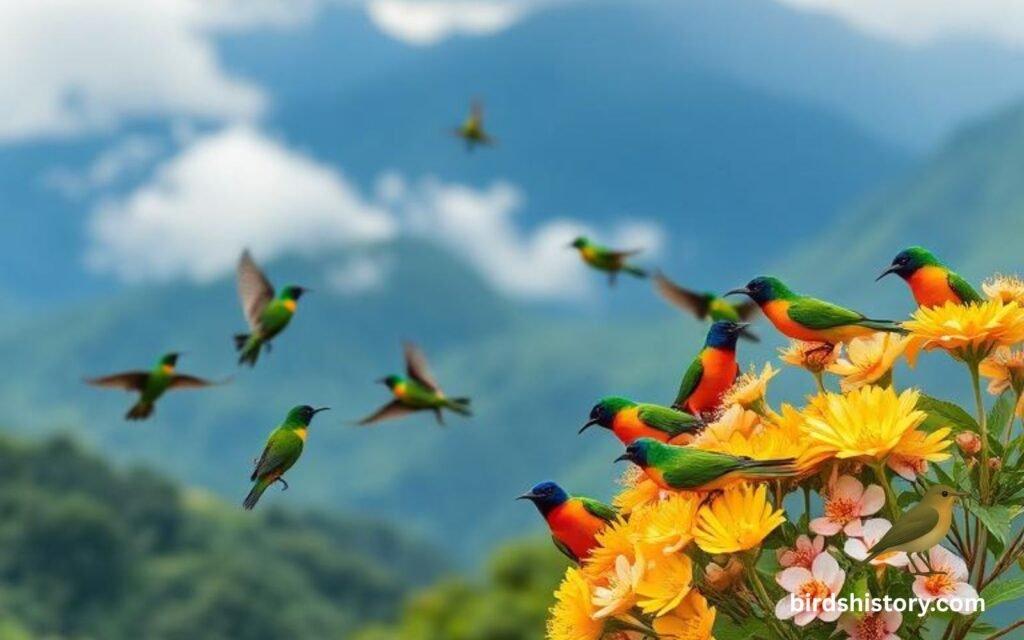
High-speed lenses and patience are essential for capturing elusive endemics. Techniques include stalking along forest trails in Korup National Park or waiting at river sandbanks in Waza National Park. Photographers often track seasonal movements, photographing Palaearctic migrants in wetlands or flocks of Sudan Golden Sparrows in the Sahelian north. Creative compositions, combining landscapes and bird activity, highlight Cameroon as one of the best birding sites in Cameroon for both amateur and professional photographers.
Seasonal Birding and Migration Patterns
Birding in Cameroon is shaped by seasonal changes, with migration influencing species presence across regions. The northern Sahel biome hosts Palaearctic migrants between November and March, while southern lowland forests retain resident species year-round. Peak birding occurs in March and early April, before the heavy rains, when forest birds establish territories and waterbirds congregate along rivers and wetlands. Migratory species include warblers, flycatchers, and raptors that traverse the Guinea-Congo Forests and coastal corridors along the Bight of Biafra.
The dry season in the north concentrates birds around waterholes in Waza National Park and along the Logone River, making observation efficient and rewarding. Conversely, the rainy season enhances foliage density in Atlantic Equatorial coastal forests, complicating access but creating lush habitats for nesting and feeding. Understanding these patterns allows birders to optimize visits, ensuring encounters with both rare endemics and migratory marvels during their Cameroon birding trip reports.
Resources for Bird Enthusiasts
For enthusiasts seeking comprehensive knowledge, several resources enhance the Cameroon birding experience. The Limbe Botanical & Zoological Gardens offers guided tours and educational programs, while publications like Birds of Western Africa and The Birds of Cameroon provide extensive checklists, identification tips, and range maps. Digital platforms such as eBird facilitate data sharing, allowing birders to track sightings and contribute to conservation initiatives.
Membership in organizations such as the Cameroon Ornithological Club or the African Bird Club grants access to newsletters, expert advice, and updates on Important Bird Areas (IBA) and protected habitats. These resources empower birders to plan trips strategically, connect with local guides, and participate in citizen science, supporting Cameroon’s growing efforts to conserve its avian biodiversity and reach the 30% conservation land target.
Fun Facts and Unique Birds
Cameroon boasts extraordinary avian marvels that capture the imagination. The elusive Grey-necked Rockfowl, found in where to see Grey-necked Rockfowl locations, combines rock-dwelling behavior with stunning plumage. The Golden Nightjar, restricted to the Golden Nightjar habitat Cameroon, remains one of Africa’s least-known species. Other unique birds include Lyre-tailed Honeyguide, Bannerman’s Weaver, and Mount Cameroon Speirops, each showcasing specialized adaptations to their habitat.
Interestingly, Cameroon’s diversity extends beyond species counts. The country hosts lowland rainforest birds West Africa, Guinea savanna bird species, and montane endemics within remarkably short distances. Birders can observe migratory and resident species in one week, witnessing interactions between ecological zones, seasonal behaviors, and endemic species. This makes Cameroon an unparalleled destination for both casual and serious birdwatchers.
Conclusion
Cameroon stands out as a premier destination for bird enthusiasts, offering 970 bird species Cameroon across vibrant landscapes, diverse elevations, and protected areas like Bénoué National Park, Korup National Park, and Waza National Park. Its combination of lowland rainforests, savannas, montane highlands, and wetlands supports a rich array of endemics, migrants, and iconic birds. From the coastal mangroves of the Gulf of Guinea to the volcanic slopes of Mount Cameroon and the Adamawa Plateau, birders can experience an unmatched variety of habitats and species.