The Great Auk Summary – Story of the Extinct Sea Bird
The Great Auk was once one of the most fascinating seabirds to inhabit the North Atlantic. Known for its penguin-like appearance and inability to fly, this bird captured the attention of sailors, hunters, and naturalists for centuries. Standing nearly three feet tall, the Great Auk was a powerful swimmer that thrived in cold waters, diving deep to catch fish.
What makes the Great Auk so interesting is not only its biology but also its story of extinction. Once found in the millions along the coasts of Canada, Greenland, Iceland, and Northern Europe, the bird was hunted relentlessly for food, feathers, and oil. By the mid-19th century, the species had vanished, with the last confirmed pair killed in Iceland in 1844.
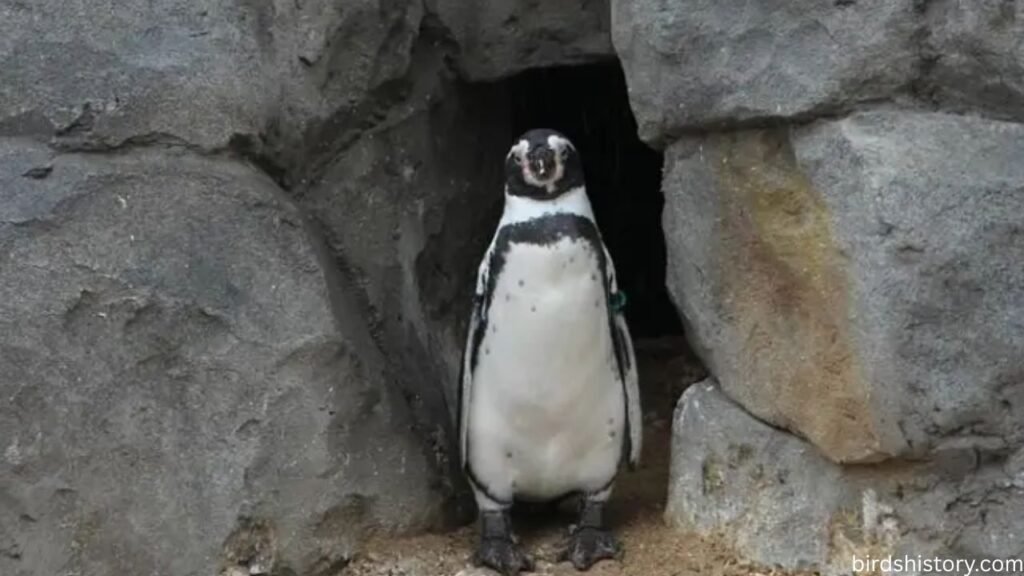
One surprising fact: the Great Auk is the bird that gave penguins their name. Early explorers thought penguins in the Southern Hemisphere resembled the Great Auk and called them by the same term.
Great Auk Taxonomy / Classification
- Common Name: Great Auk
- Scientific Name: Pinguinus impennis
- Family: Alcidae (auks, puffins, murres)
- Order: Charadriiformes
- Class: Aves
Also read: /wandering/
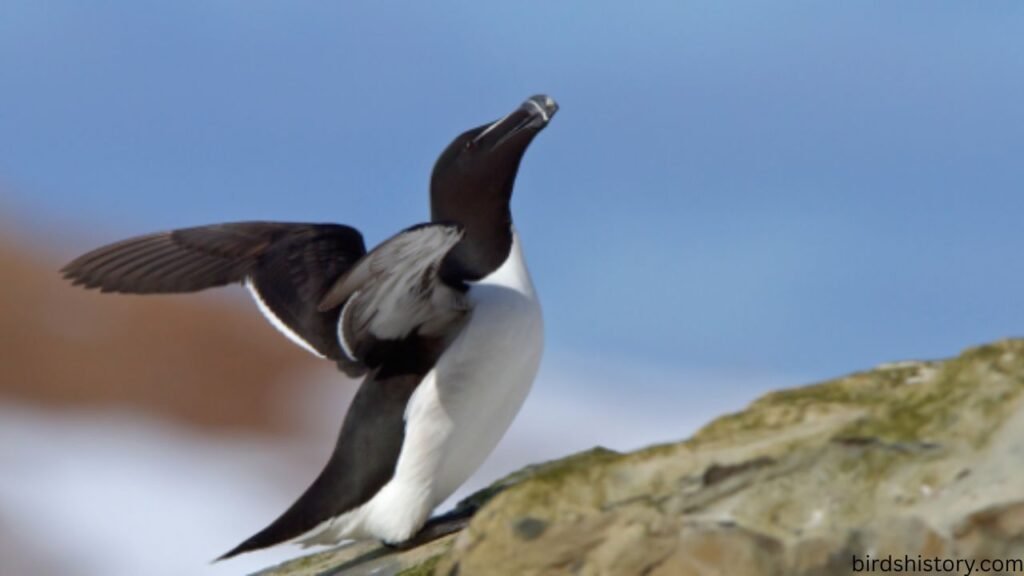
The Great Auk belonged to the auk family, which includes smaller seabirds like puffins and guillemots. Unlike its relatives, the Great Auk was entirely flightless, a trait that made it both unique and vulnerable.
Great Auk Physical Description
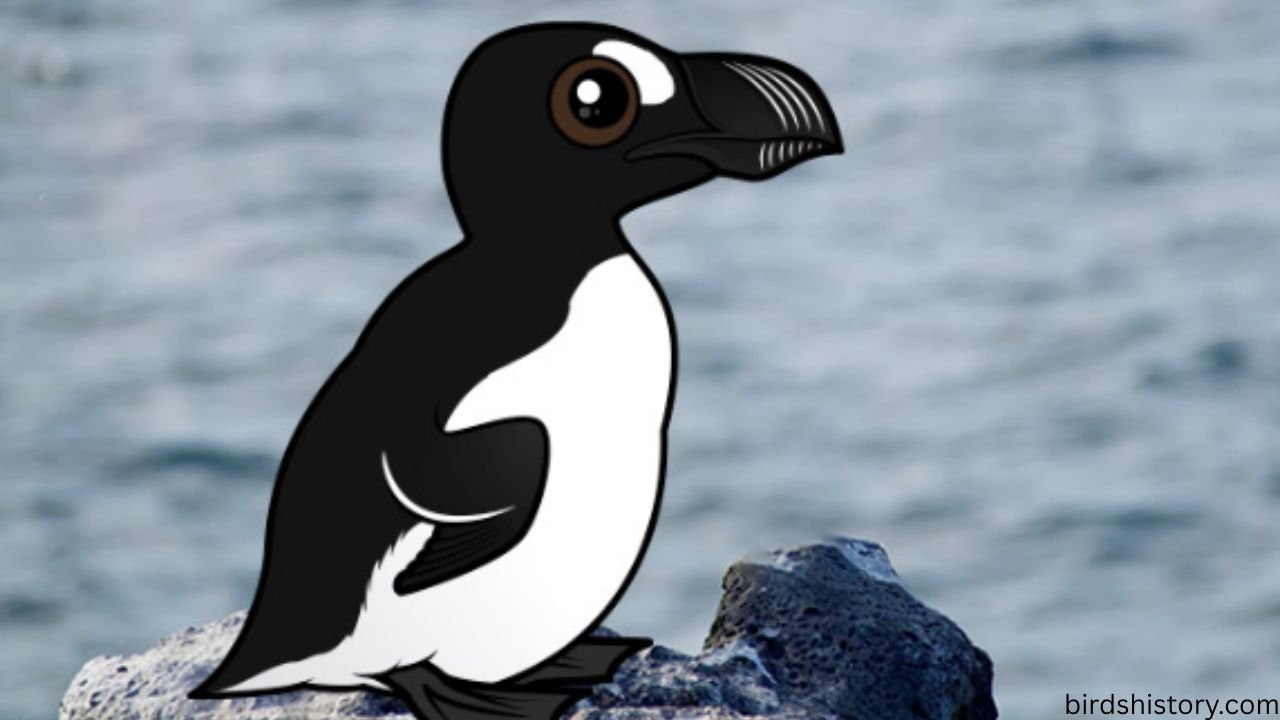
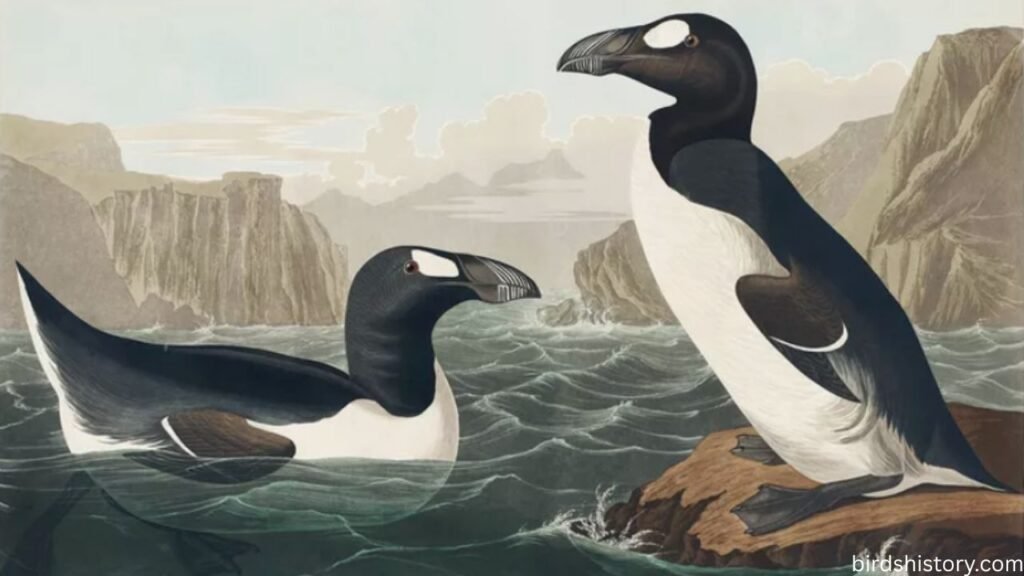
The Great Auk was a large, flightless seabird, distinct in both size and appearance.
- Height: About 75–85 cm (30–33 inches)
- Weight: 5 kg (11 pounds) on average
- Plumage: Black upperparts with a glossy sheen and white underparts. During the breeding season, a white patch appeared between the eye and the beak.
- Beak: Large, black, and hooked with grooves, perfect for catching slippery fish.
- Wings: Very short, about 15 cm (6 inches), adapted for swimming instead of flying.
- Tail: Short and stiff, aiding in underwater propulsion.
- Feet: Webbed and powerful, enabling agile swimming.
Sexual Dimorphism: Males and females looked similar, though males were slightly larger.
The Great Auk’s sleek body and small wings made it a fast underwater hunter, much like modern penguins, though they were not directly related.
Habitat and Range Of Great Auk
The Great Auk was found across the North Atlantic Ocean.
- Breeding Sites: Remote, rocky islands such as Funk Island (Newfoundland), Eldey (Iceland), and St. Kilda (Scotland).
- Range: Eastern North America (Canada, Greenland), Northern Europe (Iceland, Norway, Britain), and as far south as Spain during winter migrations.
- Preferred Environments: Cold ocean waters, rocky coasts, and isolated islands free from land predators.
The bird spent most of its life at sea, coming to land only to breed. Its range was vast, but the species was tied to specific breeding colonies, making it easy for hunters to exploit.
Diet and Feeding Habits
The Great Auk was a carnivorous seabird specializing in marine life.
- Diet: Mainly fish such as cod, capelin, and herring; occasionally crustaceans and mollusks.
- Hunting Method: Pursuit diving, using its wings to propel underwater and its webbed feet for steering.
- Behavior: Could dive to depths of 75 meters (246 feet) and remain submerged for over a minute.
Their efficient hunting supported large colonies, but dependence on abundant fish made them sensitive to overfishing and environmental changes.
Behavior and Lifestyle
The Great Auk was a highly social bird, especially during breeding season.
- Colony Life: Gathered in tens of thousands on rocky islands. Nests were packed tightly together, resembling crowded penguin colonies.
- Flight Style: Flightless, but strong swimmers. They could travel hundreds of miles by sea, riding ocean currents.
- Vocalizations: Described as low grunts and croaks, especially during mating displays.
- Mating Rituals: Courtship involved bowing, mutual preening, and vocal calls. Monogamous pairs often mated for life.
Their reliance on land for nesting and the density of colonies made them easy targets for human exploitation.
Great Auk Reproduction and Lifespan
The reproductive strategy of the Great Auk was simple but fragile.
- Breeding Season: May to early July.
- Nests: Shallow scrapes on rocky ground, with no elaborate structure.
- Eggs: Just one large egg per year. Eggs were oval, up to 13 cm (5 inches) long, with variable markings of brown or black.
- Incubation: Both parents took turns incubating for about 40–45 days.
- Chicks: Hatched covered in down, fledged after 2–3 weeks, and then followed parents to sea.
- Lifespan: Estimated 20–25 years in the wild.
This low reproductive rate meant populations could not recover once adults were hunted in large numbers.
Predators and Threats
Natural Predators
- Gulls and Ravens: Targeted eggs and chicks.
- Polar Bears and Arctic Foxes: Occasionally preyed on adults at nesting sites.
Human Impact (the greatest threat)
- Hunting: Great Auks were slaughtered for food by sailors and settlers. Their meat was salted for long voyages.
- Feathers: Collected in massive numbers for pillows and clothing.
- Oil: Rendered from their fat for lamps.
- Specimen Collecting: In the 19th century, naturalists and museums hunted the last individuals for collections.
By the 1800s, colonies had been destroyed across most of their range. The last confirmed pair was killed in 1844 on Eldey Island, Iceland, for collectors.
Great Auk Conservation Status
- IUCN Red List: Extinct (since mid-19th century).
- Last Sightings:
- Funk Island, Newfoundland (colonies wiped out by 1800s).
- St. Kilda, Scotland (last bird killed in 1840).
- Eldey Island, Iceland (last known pair killed in 1844).
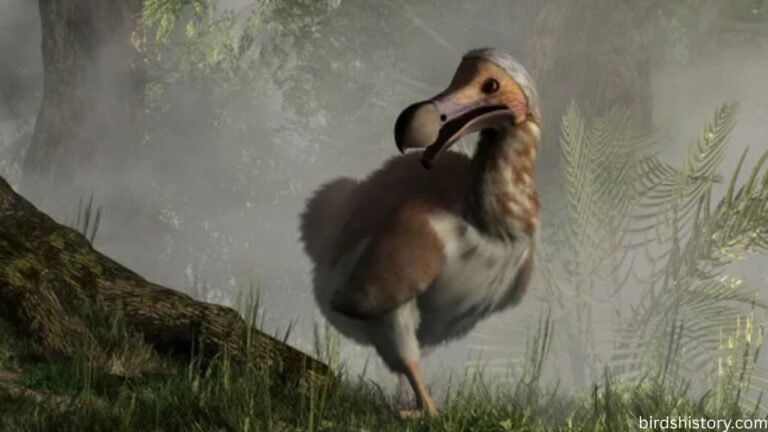
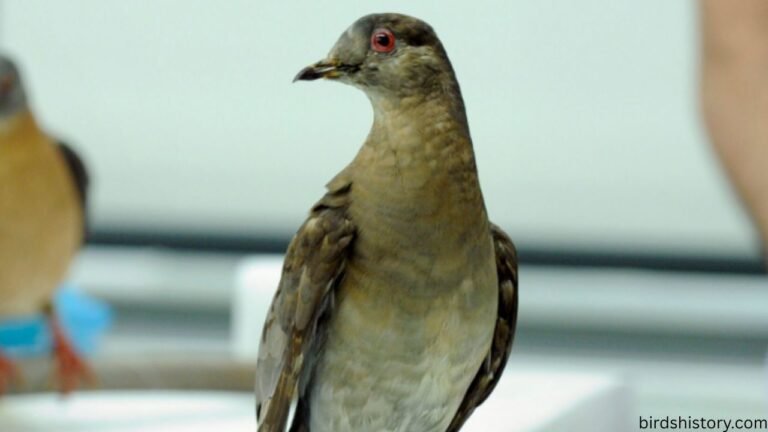
The extinction of the Great Auk shocked the scientific community and became a symbol of human-driven extinction, alongside the dodo and passenger pigeon.
While conservation efforts came too late for the Great Auk, its story helped inspire modern wildlife protection laws.
Interesting Facts About the Great Auk
- The Great Auk inspired the name “penguin,” later applied to unrelated birds in the Southern Hemisphere.
- Their eggs were highly prized by collectors—unique markings made each egg distinctive.
- Great Auks were once so numerous that early explorers described beaches covered with thousands of them.
- The species has been a subject of de-extinction discussions, with preserved DNA studied for potential revival.
- Inuit cultures revered the bird, using its feathers, skin, and bones in tools and clothing.
- Its image appears in folklore and art, symbolizing both abundance and loss.
Conclusion
The Great Auk was a remarkable seabird, perfectly adapted to life in cold North Atlantic waters. Its size, flightlessness, and social nesting made it a unique species that once thrived in the millions. Sadly, its very traits—trust in numbers, lack of fear of humans, and limited breeding colonies—contributed to its downfall.
The extinction of the Great Auk is a sobering reminder of how quickly human exploitation can erase even abundant species. Like the dodo and passenger pigeon, it remains a symbol of lost biodiversity.
Learning about the Great Auk is not just an exercise in history—it’s a lesson in conservation. Protecting today’s seabirds, from puffins to albatrosses, means ensuring the Great Auk’s fate is not repeated.
FAQs About Great Auk
1. What was the Great Auk?
The Great Auk was a large, flightless seabird native to the North Atlantic.
2. What was its scientific name?
Pinguinus impennis.
3. How big was the Great Auk?
Around 30–33 inches tall and weighing about 11 pounds.
4. Could the Great Auk fly?
No, it was entirely flightless, using its small wings to swim.
5. What did the Great Auk eat?
Mainly fish such as cod, herring, and capelin, along with crustaceans.
6. Where did it live?
Across the North Atlantic, from Canada and Greenland to Iceland and Northern Europe.
7. How many eggs did it lay?
Just one large egg per year, making reproduction slow.
8. Why did it go extinct?
Overhunting for food, feathers, oil, and specimens destroyed populations.
9. When was the last Great Auk killed?
In 1844, on Eldey Island in Iceland.
10. Why is the Great Auk important today?
It symbolizes the consequences of human-driven extinction and reminds us of the need for conservation.