Weka Bird: The Curious Flightless Forager of New Zealand
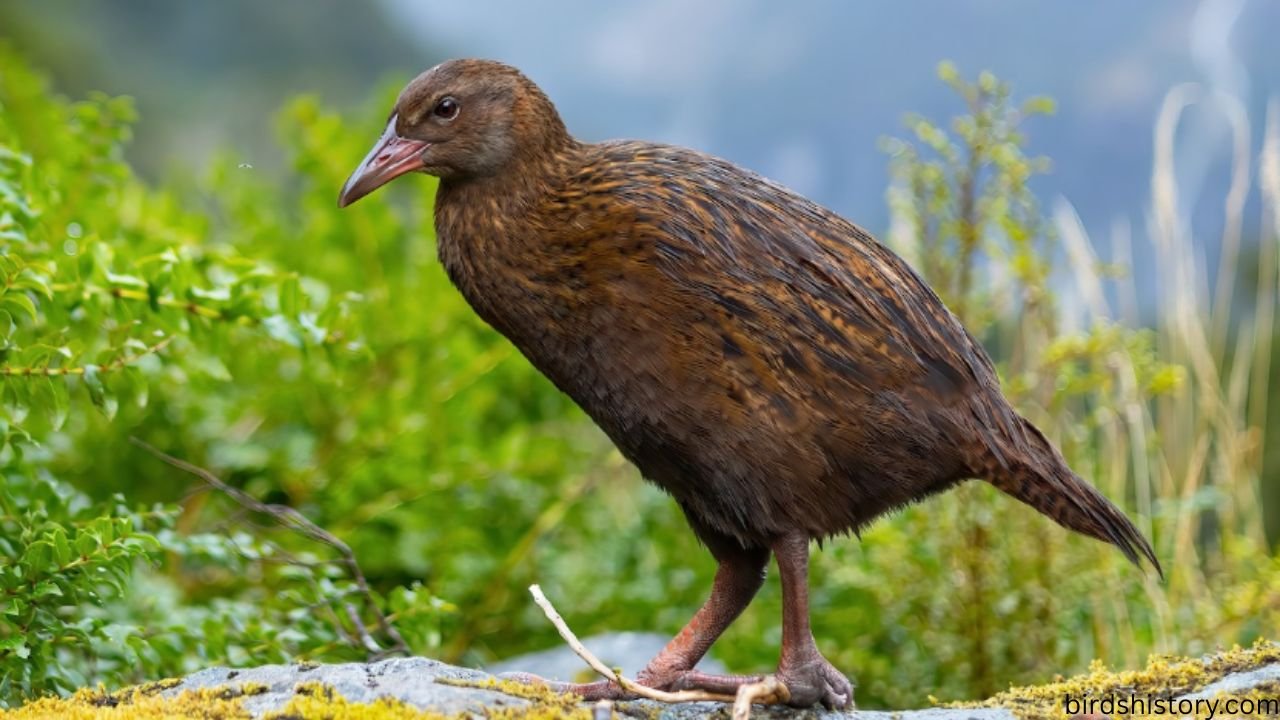
New Zealand is famous for its flightless birds — the kiwi, the kakapo, and the takahe — but one lesser-known native deserves just as much attention: the Weka bird. The Weka (Gallirallus australis) is a large, flightless rail found only in New Zealand. Unlike the shy kiwi, Weka are bold, inquisitive, and often mischievous, known for stealing shiny objects from campsites and sneaking into picnic baskets.
They’re more than just tricksters, though. Weka are crucial to New Zealand’s ecosystems, as they help spread seeds and keep insect populations in check. They’re also deeply embedded in Māori culture, where they were historically valued for food, feathers, and even tools made from their bones.
A fun fact? Weka have been spotted snatching soap, spoons, or even car keys — if it’s shiny, they want it. That curiosity makes them one of the most entertaining native birds you could encounter in the wild.
Weka Bird Taxonomy / Classification
Here’s where the Weka fits into the bird family tree:
- Common Name: Weka
- Scientific Name: Gallirallus australis
- Family: Rallidae (Rails, gallinules, and coots)
- Order: Gruiformes
- Class: Aves
Also read: /guam-rail/
There are four recognized subspecies of Weka, each with slightly different plumage and distribution:
- Western Weka (Gallirallus australis australis)
- Buff Weka (Gallirallus australis hectori)
- North Island Weka (Gallirallus australis greyi)
- Stewart Island Weka (Gallirallus australis scotti)
Weka Bird Physical Description
The Weka is a sturdy, flightless bird with a powerful build and striking features.
- Size: About 50–60 cm (20–24 inches) in length
- Weight: Between 700 g and 1.2 kg (1.5–2.6 lbs)
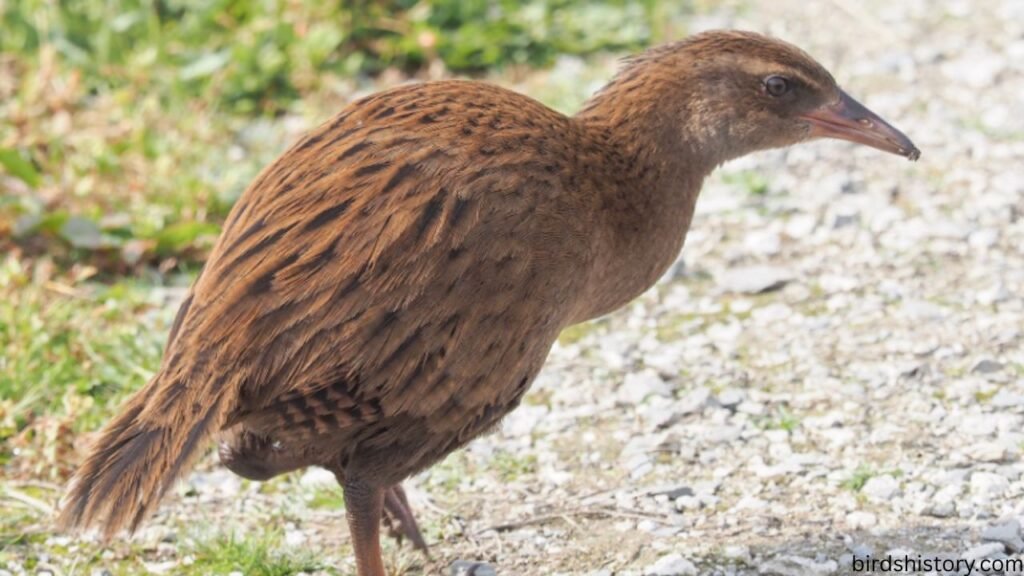
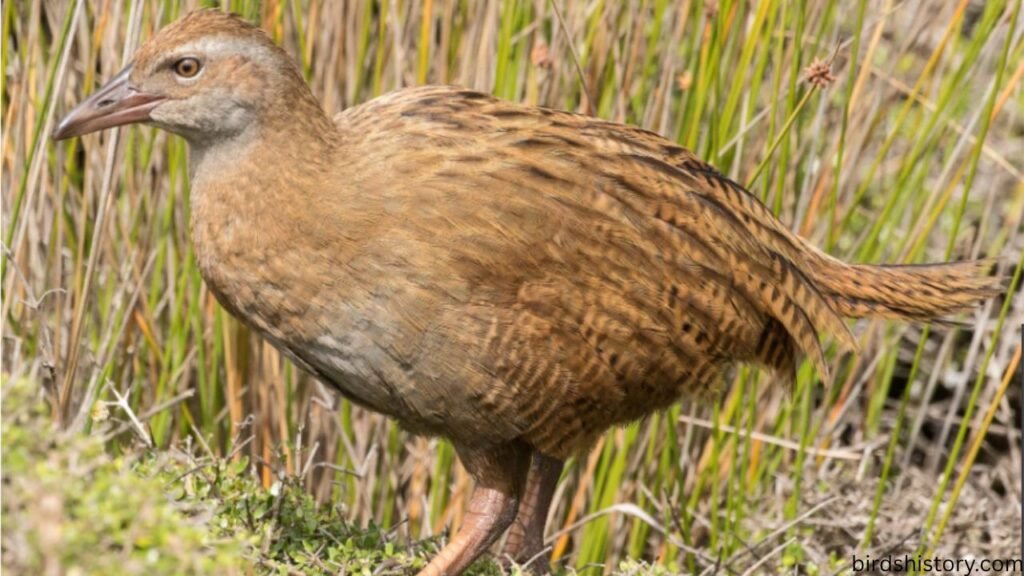
- Plumage: Varies by subspecies, but generally mottled brown, reddish, or chestnut with streaks and bars for camouflage
- The bird’s short and pointed beak is strong, which is ideal for its foraging and digging habits.
- Wings: Small and rounded, making flight impossible
- Tail: Short, often flicked nervously when the bird is alert
- Legs: Long, muscular, and reddish-brown, built for running and scratching the ground
Male vs Female:
- Males are generally larger than females.
- Otherwise, sexes are similar in color and markings.
Unique Traits:
- Unlike kiwis, Weka are active during the day.
- Their curiosity and boldness make them one of New Zealand’s most noticeable native birds.

Habitat and Range
Weka are found only in New Zealand, but their distribution varies by subspecies:
- The North Island Weka lives in small, dispersed groups, mainly in Northland, East Cape, and parts of the Bay of Plenty.
- The Western Weka inhabits the West Coast of the South Island as well as the Marlborough Sounds.
- Buff Weka: Once widespread in the South Island, now largely confined to predator-free islands and sanctuaries.
- Stewart Island Weka: Common across Stewart Island and nearby smaller islands.
Preferred Environments:
- Coastal forests and shrublands
- Farmland edges
- Wetlands and riverbanks
- Grasslands and scrub
Weka don’t migrate, but they are territorial. Each pair maintains a home range, defending it against intruders.
Weka Bird Diet and Feeding Habits
Weka are opportunistic omnivores, eating almost anything they can find:
Diet Includes:
- Insects, worms, snails, and spiders
- Lizards and small vertebrates
- Eggs of ground-nesting birds
- Fallen fruit and berries
- Leaves, roots, and seeds
- Human food scraps (if available)
Feeding Behavior:
- Uses its strong beak to probe soil and leaf litter.
- Scratches with powerful legs to expose insects.
- Often raids campsites for food or steals objects out of curiosity.
Interesting Feeding Note:
Weka play a role in dispersing native seeds, helping regenerate forests. They’ve been observed carrying berries and even spreading seeds via droppings.
Weka Bird Behavior and Lifestyle
Weka are known for their bold, sometimes cheeky personalities.
- Weka are typically observed in pairs or family units. Territorial disputes are common.
- Movement: Flightless but fast runners, often darting into cover.
- Vocalizations: Loud, repetitive duets used by pairs to mark territory. Calls can carry for kilometers.
- Weka are known for their inquisitive nature, often approaching people and rummaging through campsites to swipe shiny or unusual items.
- Daily Activity: Diurnal (active during the day), unlike many other flightless New Zealand birds.
Mating Rituals:
- Weka are monogamous, forming strong pair bonds.
- Weka strengthen their social bonds by calling out together and grooming one another.
Reproduction and Lifespan
Weka can breed for most of the year, particularly when there is a plentiful supply of food.
- Breeding Season: Mainly spring and summer.
- Nests: Built on the ground, hidden under dense vegetation, logs, or roots. Nests are lined with grass and leaves.
- Eggs: 2–4 cream or pale brown eggs with darker speckles.
- Incubation: Shared by both parents, lasting about 25–30 days.
- Chicks:
- Hatch covered in black down.
- Able to leave the nest within hours, but remain dependent on parents for food.
- Both parents care for chicks for several weeks.
- I encountered an error doing what you asked. Could you try again?
Predators and Threats
New Zealand’s flightless birds have always been vulnerable, and the Weka is no exception.
Natural Predators (historically):
- Large birds of prey like the extinct Haast’s eagle.
Current Threats:
- Introduced predators: Stoats, ferrets, cats, and dogs prey on eggs, chicks, and adults.
- Habitat loss: Deforestation and land conversion reduce nesting sites.
- Competition: With other omnivores for food sources.
- Human impact: Roadkill, accidental trapping, and food poisoning from human scraps.
Weka Bird Conservation Status
The conservation status of Weka varies by subspecies:
- Western Weka: Relatively stable, though local declines occur.
- Buff Weka: Extinct on the mainland but survives in predator-free sanctuaries.
- North Island Weka: Classified as vulnerable due to declining populations.
- Stewart Island Weka: Stable and common.
IUCN Status: As a whole, the Weka is classified as Vulnerable, but local populations may vary from stable to endangered.
Conservation Efforts:
- Predator control programs.
- Translocations to predator-free islands.
- Efforts are underway to educate the public on how to safeguard Weka from human interference.
Interesting Facts About Weka Bird
- Weka are sometimes called the “rascals of New Zealand” for their habit of stealing shiny objects.
- Historically, the Māori people utilized the weka for food, clothing, and to create tools from their bones.
- Weka are excellent swimmers, crossing rivers and even short stretches of sea between islands.
- Unlike kiwis, Weka are active during the day and are more visible to humans.
- Their loud duet calls are a familiar sound in parts of rural New Zealand.
- In some areas, Weka help control pests by eating insects and small rodents.
Conclusion
The Weka bird is one of New Zealand’s most fascinating native species — bold, curious, and essential to the ecosystem. While their populations face challenges from predators and habitat loss, conservation efforts continue to protect them.
What sets the Weka apart is its personality. Unlike many shy, elusive birds, Weka often come right up to people, unafraid and full of mischief. They remind us that wildlife isn’t always distant or hidden — sometimes it’s bold, cheeky, and ready to snatch your lunch.
Protecting the Weka isn’t just about saving a bird; it’s about preserving the unique, quirky character of New Zealand’s natural world.
FAQs About Weka Bird
1. What is a Weka bird?
The Weka is a large, flightless rail native to New Zealand, known for its bold behavior and curiosity.
2. Where can you find Weka?
They are found across New Zealand, with populations in North Island, South Island, Stewart Island, and predator-free sanctuaries.
3. What do Weka eat?
Weka eat both plants and animals, and their diet consists of insects, small creatures, fruits, seeds, and even leftover food from humans.
4. Can Weka fly?
No, they are flightless, but they can run fast and swim well.
5. Why are Weka important?
They are important for the ecosystem because they disperse seeds, assist in controlling insect populations, and contribute to the regrowth of forests.
6. Are Weka endangered?
Some subspecies are stable, while others, like the Buff Weka, survive only in sanctuaries.
7. Why are Weka known as mischievous birds?
They have a tendency to take shiny or unique items from campsites and residences.
8. How long do Weka live?
On average, they live 5–7 years in the wild.
9. Do Weka have cultural significance?
Yes, Māori used Weka for food, clothing, and tools and valued their feathers.
10. How do Weka communicate?
They use loud duet calls between pairs to mark territory and strengthen bonds.