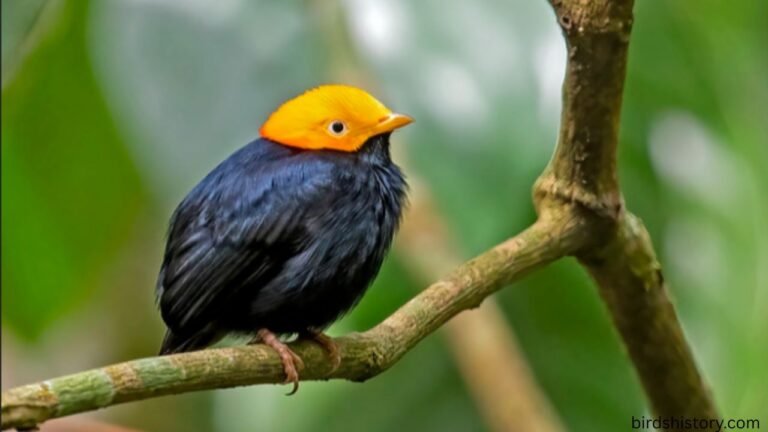
Colorado State Bird – The Lark Bunting (Complete Guide 2026)
The Colorado state bird is the Lark Bunting, a striking prairie songbird that represents the open landscapes of the American West. Many people across the United States ask, What is the state bird of Colorado? The answer is simple yet meaningful. The official state bird of Colorado is the Lark Bunting Colorado, a species deeply connected to the state’s grasslands and agricultural heritage.
This bird was officially chosen in 1931 after a statewide vote. At the time, schoolchildren helped decide which species best symbolized the state. Today, the Colorado state bird name still reflects the spirit of the plains more than the mountains. It stands as a powerful reminder that Colorado is not only peaks and snow, but also vast prairie ecosystems.
The scientific name Calamospiza melanocorys identifies this bird within the sparrow family. It is the only species in its genus, making it unique among North American grassland birds. Its bold breeding colors and wide prairie distribution make it one of the most recognizable birds of the western United States.
Scientific Classification and Taxonomy
Understanding the classification of the Colorado state bird helps explain its place in nature. The Lark Bunting belongs to the Passerellidae sparrow family, a group that includes many New World sparrows. Although its name includes “bunting,” it is more closely related to sparrows than to true buntings found in other parts of the world.
Below is a classification table written clearly in rows and columns format:
| Category | Detail |
|---|---|
| Common Name | Lark Bunting |
| Scientific Name | Calamospiza melanocorys |
| Family | Passerellidae |
| Order | Passeriformes |
| Genus | Calamospiza |
| State Designation | Colorado state bird |
This classification shows that the Colorado state bird is a songbird within the order Passeriformes. Its placement within the sparrow family highlights its adaptation to grassland environments and seed-based diets.
Physical Appearance and Identification
Many birdwatchers ask, What does a Lark Bunting look like? The answer depends on the season. The Colorado state bird shows dramatic seasonal changes.
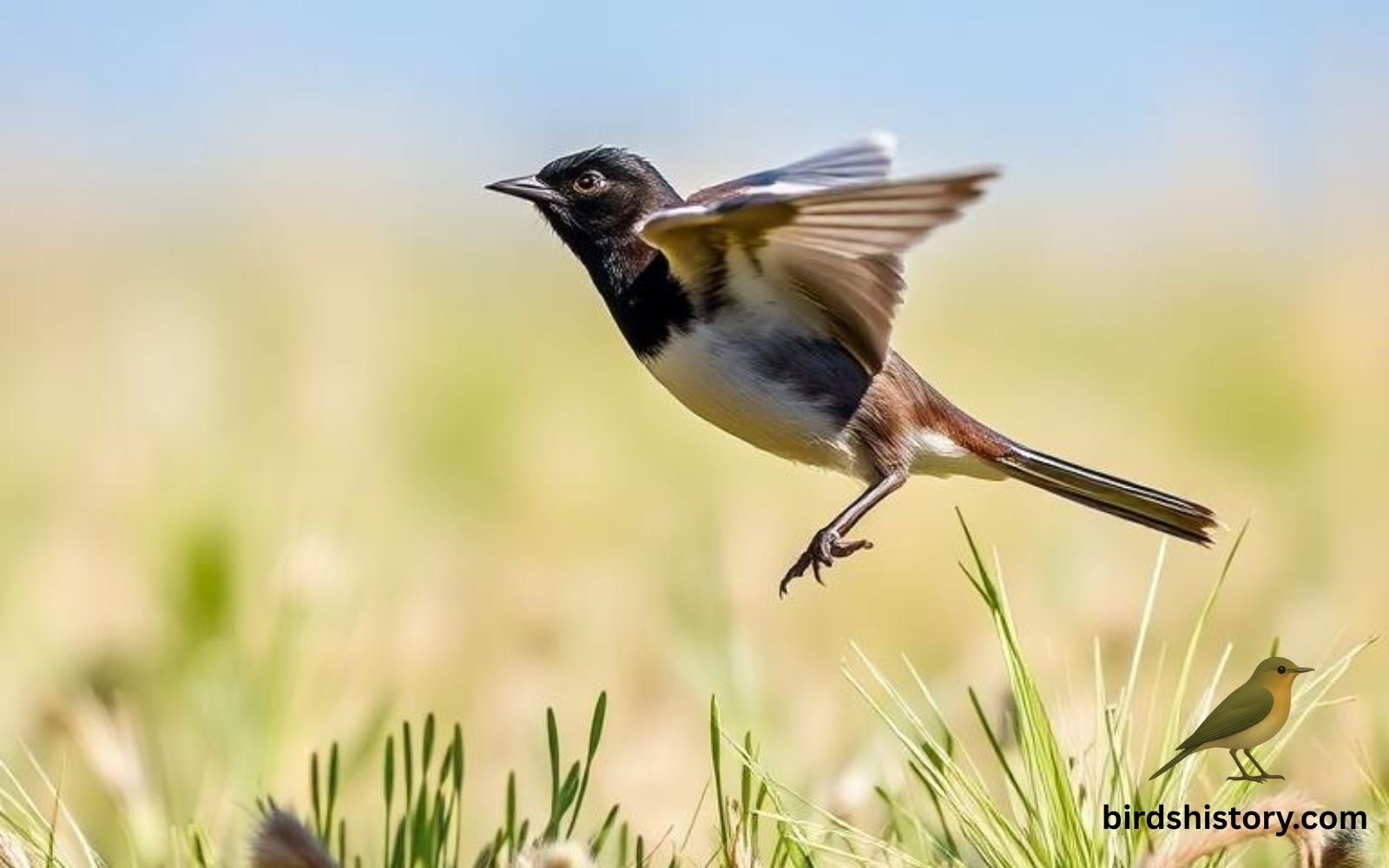
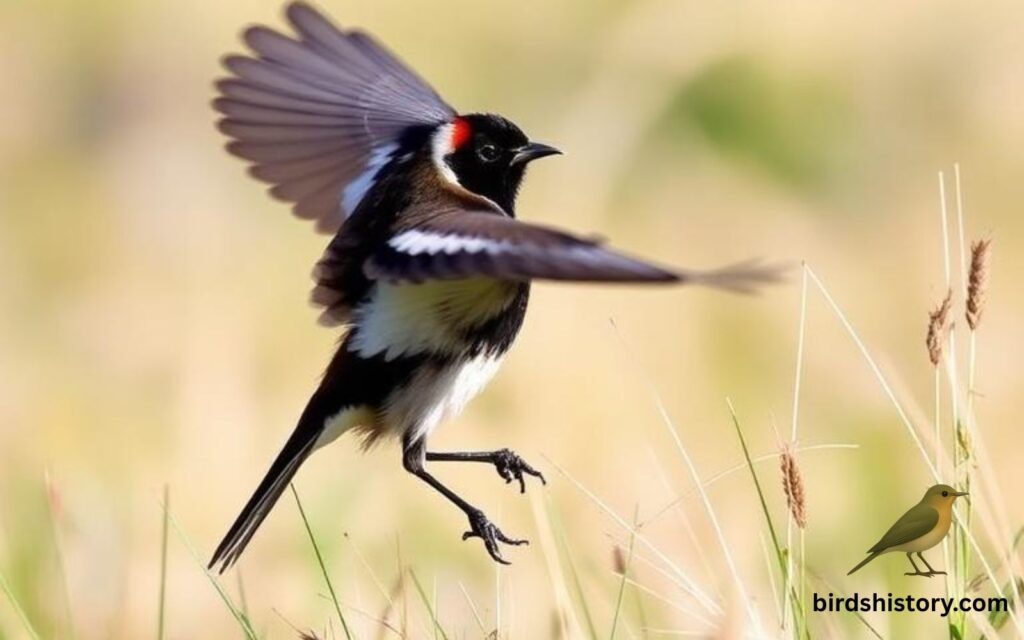
During breeding season, the male displays striking black plumage with a bold white wing patch. This contrast makes him easy to spot in the open prairie. The black feathers shine in sunlight, creating a strong visual signal during courtship displays.
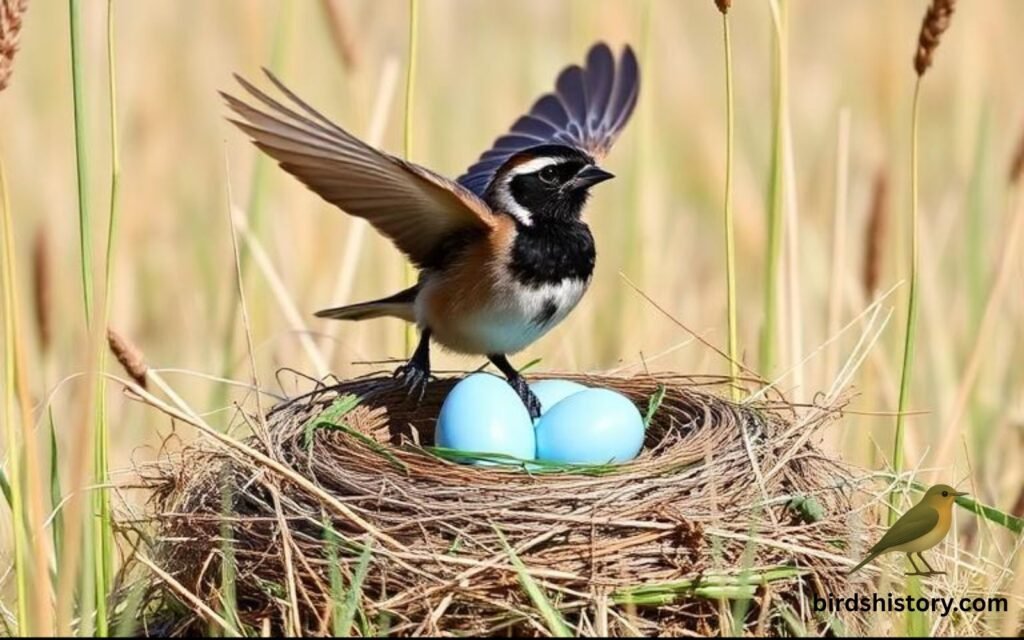
Outside breeding season, the male’s plumage becomes duller and more brown, similar to the female. The female has streaked brown feathers year-round, which provide camouflage in grassy habitats. This coloring helps protect her while nesting.
The Lark Bunting measures about 5 to 7 inches in length. Its body shape resembles a sparrow, but its behavior and flight displays make it stand out. The white wing patch visible during flight is one of the easiest identification features for birdwatchers in Colorado.
Habitat and Geographic Range
The Colorado state bird thrives in wide-open landscapes. It prefers shortgrass prairie ecosystems, sagebrush plains, and open agricultural fields. Unlike forest birds, it avoids dense tree cover.
The Eastern Plains of Colorado serve as its primary breeding habitat. Large populations can be found in areas such as Pawnee National Grasslands. These wide prairies provide nesting cover and abundant insects during summer.
Beyond Colorado, the species ranges across several western states. It breeds in Wyoming, Montana, Nebraska, and the Dakotas. During winter, it migrates south into Texas, Arizona, New Mexico, and Mexico.
Below is a geographic range overview in rows and columns format:
| Season | Location |
|---|---|
| Spring and Summer | Eastern Plains of Colorado |
| Breeding Range | Great Plains region |
| Fall Migration | Southwestern United States |
| Winter Range | Texas, Arizona, Mexico |
This seasonal movement shows that the Colorado state bird depends on healthy grassland systems across multiple states.
History of the Lark Bunting as Colorado’s State Bird
Many residents wonder, When did Colorado choose its state bird? The answer dates back to April 29, 1931. During that time, Colorado lawmakers organized a public campaign to select a bird that best represented the state.
Schoolchildren played a major role in the voting process. The Lark Bunting won over other candidates because of its strong connection to Colorado’s prairie identity. Although Colorado is famous for the Rocky Mountains, much of the state consists of flat grasslands.
There was discussion about selecting birds like the Mountain Bluebird or Western Meadowlark. However, the Lark Bunting was chosen because it symbolized agriculture, open land, and western resilience. This decision emphasized the importance of the plains in Colorado’s history and economy.
Since 1931, the Colorado state bird has remained unchanged. It continues to serve as a living symbol of the state’s natural heritage and rural traditions.
Symbolism and Cultural Importance
The Colorado state bird represents more than wildlife. It stands for independence, adaptation, and the wide-open spaces that define the American West. Its dramatic black-and-white breeding plumage symbolizes boldness and strength.
Because it nests on the ground and survives in challenging climates, the Lark Bunting reflects resilience. Farmers and ranchers often see it as part of everyday prairie life. Its presence signals healthy grassland ecosystems.
The choice of this bird also highlights Colorado’s agricultural roots. While mountain imagery dominates tourism advertising, the plains support farming and livestock industries. The Lark Bunting connects directly to that rural identity.
For many residents, the Colorado state bird represents balance. It reminds people that Colorado includes both mountain peaks and sweeping prairie horizons. Protecting this species means protecting a vital part of the state’s ecological and cultural story.
Migration Patterns and Seasonal Movement
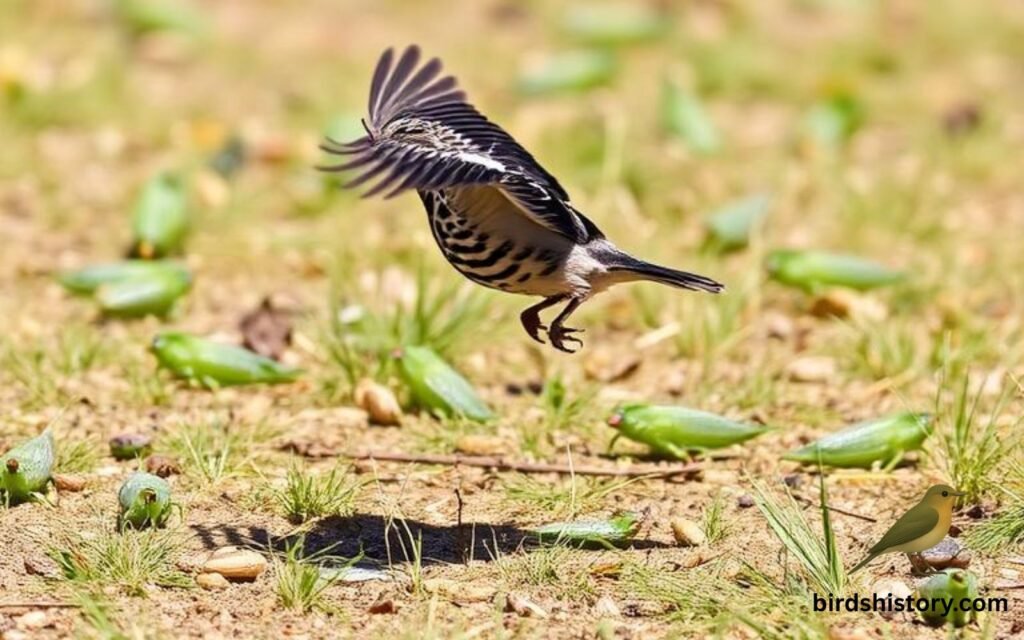
The Colorado state bird is a true traveler. This migratory bird species does not stay year-round. Instead, it arrives as a summer breeding visitor across the plains and departs before winter frost settles. Many people ask, How does the Lark Bunting migrate? The answer lies in its strong flock migration behavior and predictable fall migration patterns.
By late July, birds begin moving south toward wintering grounds in Texas, Arizona winter habitat, and New Mexico migration corridors before continuing into Mexico winter range areas. During migration, the Colorado state bird forms large flocks that sweep low across fields. This seasonal prairie visitor depends on open landscapes for safe travel across its western territory.
To better understand its yearly cycle, see the seasonal table below:
| Season | Location | Behavior |
|---|---|---|
| Spring | Eastern Plains of Colorado | Courtship and territory establishment |
| Summer | Pawnee National Grasslands | Breeding and nesting |
| Fall | Moving south | Flock migration behavior |
| Winter | Texas and Mexico | Feeding in open fields |
Diet and Feeding Behavior
If you’ve ever wondered, What do Lark Buntings eat? the answer reflects their prairie roots. The Colorado state bird is an insectivorous prairie bird during summer. It thrives on a grasshopper diet, along with beetles and true bugs, ants, and flying insects captured through short pursuit flight hunting.
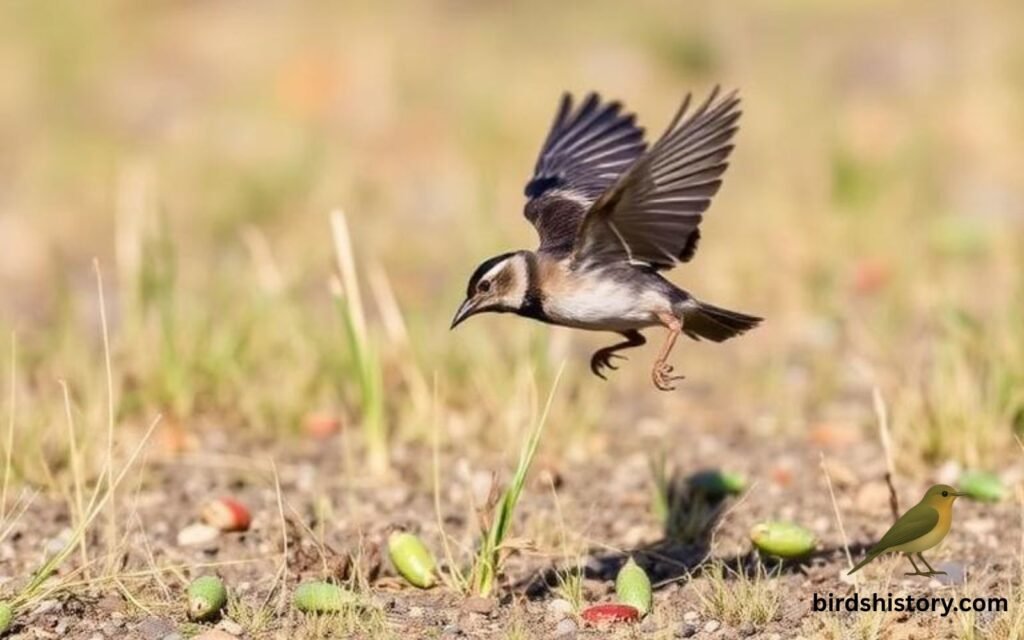
In winter, the species shifts toward weed seeds consumption and agricultural grain feeding. This makes it a seasonal seed-eating bird that practices constant ground foraging behavior. It walks and runs across soil instead of hopping between branches. Farmers often appreciate this feeding pattern because insects removed from crops reduce damage across prairie lands.
Nesting, Eggs, and Reproduction
Breeding season transforms the Colorado state bird into a focused architect. This ground-nesting bird builds a carefully shaped ground cup nest, often hidden beneath grasses. The structure becomes a delicate grass-lined nest tucked into shallow soil depressions. Unlike tree nesters, it relies on camouflage rather than height.
Females typically lay pale blue eggs, with a 4–5 eggs clutch size. Incubation lasts about 11–12 day incubation periods. After hatching, nestlings fed by both parents grow quickly. Most pairs raise 1 brood per year, although good conditions sometimes allow a second attempt. Males usually follow monogamous mating patterns, yet multiple mates breeding may occur during strong seasons to support genetic diversity selection.
Behavior and Unique Traits
Few birds display such dramatic personality. The Colorado state bird performs bold flight song display rituals. Males rise in a 20–30 foot arc before floating downward in a spiral courtship flight. These vocal performances combine sharp whistles and layered notes, creating unforgettable prairie soundscapes.
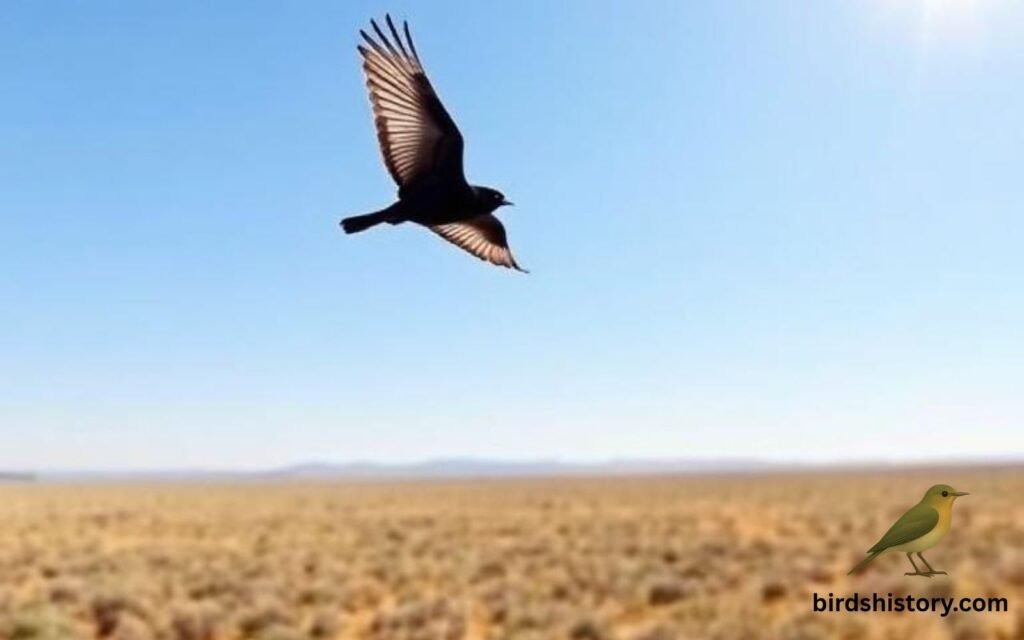
Territory matters deeply. Territorial males guard nesting areas across the shortgrass prairie ecosystem. Social dynamics shift after breeding. Outside mating season, birds gather in flocks and roam agricultural landscapes. Their identity as an underdog state bird continues to fascinate wildlife enthusiasts who value its adaptability.
Best Places and Times to See Lark Buntings in Colorado
Many visitors ask, Where can you see Lark Buntings in Colorado? The best answer is simple. Travel east. The Colorado state bird thrives across the Eastern Plains of Colorado during late May through July. Prime viewing spots include Pawnee National Grasslands and Barr Lake prairie habitat.
Morning hours provide ideal light for spotting the male’s black plumage. Early summer brings strong courtship displays. Photographers often capture images against sagebrush plains and open meadow habitat backdrops. Because it migrates early, late summer sightings become less frequent as flocks begin southern travel.
Conservation Status and Climate Threats
You may wonder, Is the Lark Bunting endangered? Currently, the Colorado state bird carries IUCN Least Concern status. However, science reveals troubling population decline trends. Studies show a 4.8% annual decline over decades and nearly 89% long-term population drop in some monitored regions.
Major causes include grassland habitat loss, prairie conversion to farmland, and growing urbanization impact. Research using Audubon climate models and the Survival By Degrees project predicts serious range loss projections under warming scenarios. Below is a simplified conservation overview:
| Threat Factor | Impact Level |
|---|---|
| Grassland habitat loss | High |
| Urban expansion | Moderate |
| Climate change vulnerability | High |
| Agricultural change | Moderate |
Data from Christmas Bird Count data and Partners in Flight estimate reports emphasize urgent need for conservation awareness. Ranches participating in bird-friendly habitat certification programs now help preserve nesting areas for this prairie species.
Why the Lark Bunting Matters to Colorado
So, Why is the Lark Bunting Colorado’s state bird? The answer goes beyond feathers. The Colorado state bird symbolizes open fields and agricultural pride. It stands as a prairie agricultural symbol and reflects deep representation of Colorado plains values. During the historic Mountain Bluebird debate and Western Meadowlark controversy, lawmakers favored plains identity over mountain imagery.
Today the Colorado state bird remains a proud Centennial State emblem and part of enduring Colorado natural heritage. It reminds residents that the plains matter as much as the peaks. That balance of agricultural heritage representation and bold survival under vast skies keeps its story alive across generations.
FAQs
Why is the Lark Bunting Colorado’s state bird?
The Lark Bunting Colorado was chosen as the official state bird of Colorado because it represents the prairie bird of Colorado and its agricultural heritage, highlighting the plains and open meadows alongside the Rocky Mountains.
When did Colorado choose its state bird?
Colorado officially adopted the Lark Bunting on April 29, 1931, through Senate Bill No. 251, after a state bird adoption process involving schoolchildren voting poll and statewide support.
Where can you see Lark Buntings in Colorado?
The best places to spot the Colorado state bird are the Eastern Plains of Colorado, including Pawnee National Grasslands and Barr Lake prairie habitat, especially during the summer breeding season.
What does a Lark Bunting look like?
Male Lark Buntings have a black body with white wing patches in summer breeding plumage, while females are streaky brown. They are a chunky big-billed sparrow, about 6–7 inches long, with pointed wings and a notched tail.
Is the Lark Bunting endangered?
No, the Lark Bunting Colorado is listed as IUCN Least Concern status, though population decline trends show a 4.8% annual decline due to grassland habitat loss and prairie conversion to farmland.
How many Lark Buntings are left?
Estimates from Partners in Flight suggest over 9 million Lark Buntings, but long-term surveys show an 89% population drop in some regions due to urbanization impact and grassland habitat reduction.
What do Lark Buntings eat?
The Lark Bunting Colorado is an insectivorous prairie bird that eats grasshoppers, beetles, true bugs, and weed seeds. They use ground foraging behavior and sometimes feed in agricultural fields or perform short pursuit flight hunting.
How does the Lark Bunting migrate?
This migratory prairie bird is a summer breeding visitor in Colorado, flying south to wintering grounds in Texas, Arizona, New Mexico, and Mexico. They migrate in flocks following fall migration patterns across the western United States.
Conclusion
The Lark Bunting Colorado stands as a unique symbol of the state, representing not only the prairie bird of Colorado but also the agricultural heritage and open landscapes that define much of the Centennial State. From its ground-nesting behavior in shortgrass prairie ecosystems to its striking black and white prairie bird plumage during the summer breeding season, the bird embodies resilience, adaptability, and natural beauty. Its selection in April 29, 1931 designation through Senate Bill No. 251 highlights the importance of schoolchildren civic engagement and thoughtful deliberation by the Colorado State Legislature.
Although not currently endangered, ongoing grassland habitat loss, urbanization impact, and climate change vulnerability underscore the need for conservation awareness and protection of grassland bird species. Watching this migratory prairie bird in places like Pawnee National Grasslands or Barr Lake prairie habitat offers a glimpse into Colorado’s natural heritage. Preserving the Lark Bunting ensures that future generations can enjoy the bird of the Centennial State in all its seasonal glory.