Andean Cock-of-the-Rock: Nature’s Bright Jungle Jewel
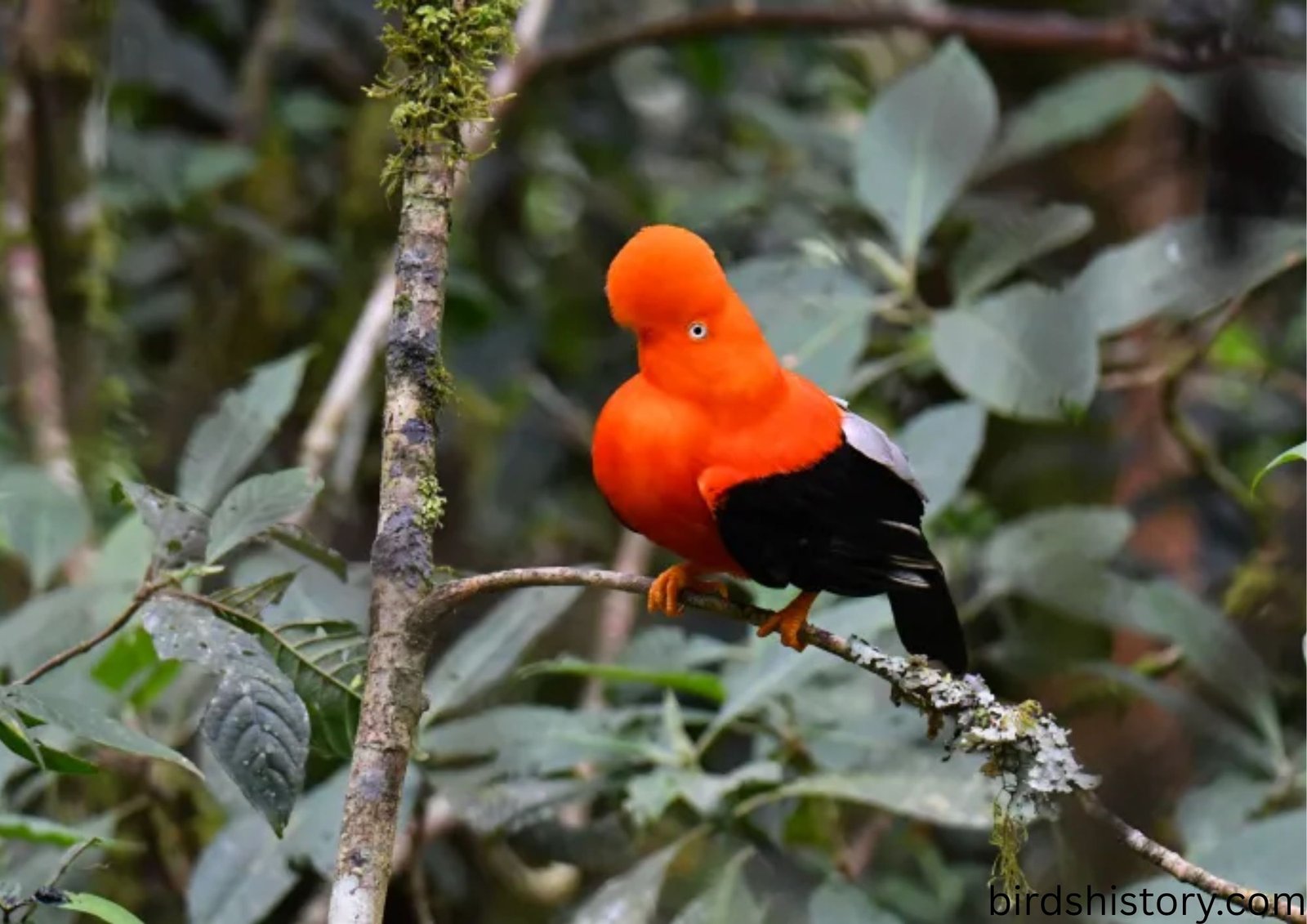
Among all the world’s birds, the Andean Cock-of-the-rock stands out for its unmatched beauty and one-of-a-kind appeal. With its bold orange plumage and fascinating mating rituals, this bird is not just a wonder of nature but also a cultural icon across the Andean regions of South America.
Found deep in the misty cloud forests, this bird is most famous for its elaborate courtship displays, where males gather to perform dances and calls to win over a female. Many birdwatchers travel across the globe just for a glimpse of this extraordinary performance.
Also read: /shoebill/
One surprising fact? Despite its flamboyant looks, the Cock-of-the-rock is surprisingly shy and often hard to spot in the wild, blending back into the dense greenery once the mating show is over.
In this article, we’ll dive deep into every aspect of this amazing bird — from its taxonomy and physical description to its habitat, feeding behavior, conservation status, and the legends that surround it.
Taxonomy / Classification
- Common Name: Andean Cock-of-the-rock
- Scientific Name: Rupicola peruvianus
- Family: Cotingidae
- Order: Passeriformes
- Class: Aves
The name “Cock-of-the-rock” comes from its tendency to build nests on rocky cliffs in cloud forests. Its genus name Rupicola literally means “rock-dweller,” and the species epithet peruvianus honors its Peruvian origins, although the bird is found across several Andean countries.
Physical Description
The Andean Cock-of-the-rock is a true showstopper.
- Size: About 32 cm (12.5 inches) long, with males slightly larger than females.
- Weight: Ranges between 200–300 grams.
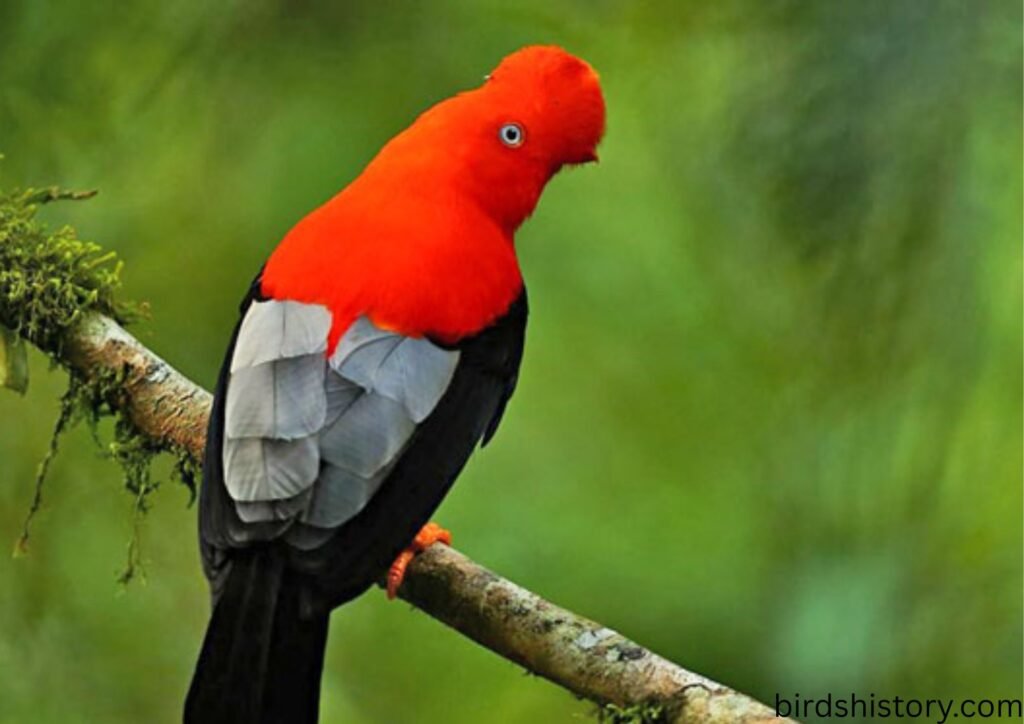
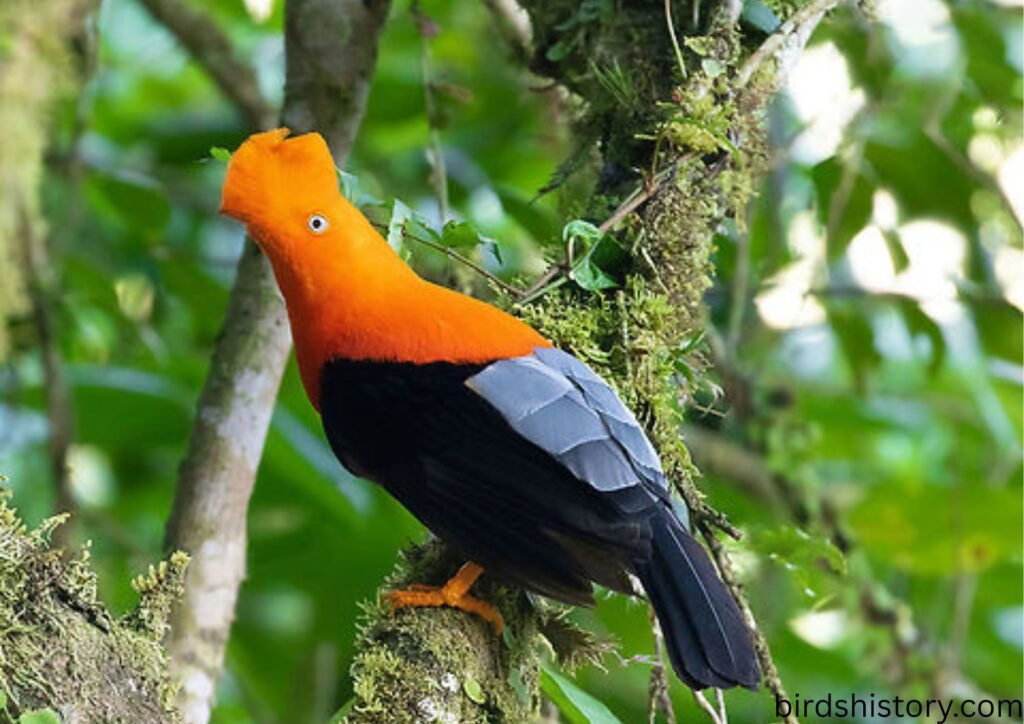
- The male’s plumage is a stunning, vibrant scarlet-orange, so bright it seems otherworldly. The dark wings and tail feathers provide a striking contrast, making their appearance even more dramatic. Their wings and tail feathers are a darker shade, providing a stunning contrast.
- Head Crest: Males have a large, fan-shaped crest that makes them instantly recognizable.
- Females: In contrast, females are duller in color, usually dark brownish-red, which provides camouflage while nesting.
- Beak & Eyes: Their short yellowish beak blends into the feathers, while their eyes appear strikingly pale against their vibrant plumage.
What sets this bird apart is sexual dimorphism — the stark difference between male and female plumage. While males flaunt bright colors to attract mates, females prioritize survival with camouflage, ensuring the safety of their nests and chicks.
Habitat and Range
You will only find the Andean Cock-of-the-rock in the cloud forests of South America.
- This bird’s habitat is primarily located in Peru, Colombia, Ecuador, Venezuela, and Bolivia.
- Altitude Range: Typically between 500 and 2,400 meters (1,600–8,000 ft).
- Preferred Habitat: Moist cloud forests with dense vegetation, cliffs, and rocky ravines.
- Migration: These birds are non-migratory, meaning they stay within their range year-round, although they may move locally depending on food availability.
It’s tough to spot them because they prefer living in thick forests. However, their leks (communal display areas) are often predictable and attract tourists and ornithologists alike.
Diet and Feeding Habits
While its diet is mainly fruit, the Andean Cock-of-the-rock eats other things too.
- Main Food: A wide variety of fruits, especially from trees like figs and laurels.
- Occasional Protein: Insects, small reptiles, and even frogs, especially when feeding chicks.
- Feeding Style: They pluck fruits directly from trees or catch insects mid-air.
Interestingly, their feeding habits play a crucial ecological role. By eating fruits and dispersing seeds, they help maintain the biodiversity of cloud forests.
Behavior and Lifestyle
- Social Behavior: Generally solitary outside the breeding season.
- Flight Style: Quick, darting movements through dense trees. Not long-distance fliers.
- The birds make loud, unpleasant sounds, including harsh squawks, croaks, and grunts, particularly when they’re trying to attract a mate.
- Mating Rituals: Perhaps the most fascinating aspect of their behavior.
The Lekking Display
Male Cocks-of-the-rock gather in communal areas called leks. Here, they compete for female attention by:
- Performing short, jerky dances.
- Displaying their bright crests.
- Emitting loud calls.
- Sometimes engaging in mock fights.
Females watch carefully, choosing the most impressive male. What’s interesting is that males invest all their energy in displays but do not contribute to nesting or chick-rearing.
Reproduction and Lifespan
- Breeding Season: Varies by location but usually coincides with rainy seasons.
- Nesting: Females build nests on rocky cliffs or in caves, usually made of mud and vegetation.
- Eggs: Typically lay 1–2 eggs, which are pale or whitish in color.
- Incubation: Around 25–28 days, handled solely by the female.
- Chick Care: Females also handle all feeding and protection duties.
- Lifespan: In the wild, about 7–14 years. In captivity, they can live slightly longer.
Predators and Threats
- Natural Predators: Hawks, eagles, snakes, and mammals that raid nests.
- Environmental Threats:
- Deforestation from agriculture and logging.
- Mining activities disrupting cloud forests.
- Climate change altering their fragile habitats.
- Human Impact: Hunting (though rare now) and disturbance from uncontrolled tourism.
Conservation Status
The Andean Cock-of-the-rock is currently classified as Least Concern (IUCN).
But that doesn’t mean they’re completely harmless. In some areas, habitat destruction has reduced their numbers significantly. Conservationists stress the importance of:
- Protecting cloud forests.
- Establishing reserves and protected leks for eco-tourism.
- Raising awareness about their ecological role.
In countries like Peru, the bird is celebrated as the national bird, giving it symbolic protection.
Interesting Facts
- National Bird of Peru – The Andean Cock-of-the-rock holds cultural and symbolic value in Peru.
- Seed Dispersers – Their frugivorous diet helps regenerate forests.
- Dramatic Courtship – Their mating dances are considered one of the most spectacular in the bird world.
- Shy but Showy – Despite their flamboyant plumage, they are hard to spot when not displaying.
- Cultural Legends – Indigenous folklore often describes them as messengers between the spirit world and humans.
Conclusion / Summary
The Andean Cock-of-the-rock is more than just a colorful bird. It is a living symbol of the Andean cloud forests, balancing beauty with ecological importance. From its dazzling courtship displays to its role in seed dispersal, it is a species worth protecting.
Learning about this bird reminds us how fragile biodiversity can be and why conservation efforts are crucial. Preserving the Andean Cock-of-the-rock is crucial for keeping the forests healthy, which in turn supports many other species..
FAQs About the Andean Cock-of-the-rock
1. Why is it called the Cock-of-the-rock?
Because it nests on rocky cliffs and ledges in cloud forests.
2. Where can I see this bird in the wild?
Mainly in Peru, Ecuador, Colombia, and Bolivia, especially in cloud forests.
3. What do males do to attract females?
They gather in leks to perform dances, calls, and displays.
4. What does the Andean Cock-of-the-rock mainly eat?
Fruits, supplemented with insects and small animals.
5. Are they endangered?
No, currently listed as Least Concern, but habitat loss is a major threat.
6. How do females care for the young?
They incubate eggs and raise chicks without help from males.
7. How long do they live?
On average 7–14 years in the wild.
8. Why are males more colorful than females?
Bright colors attract mates, while dull colors help females stay camouflaged while nesting.
9. How do they fit into their ecosystem?
They disperse seeds from fruits, helping forest regeneration.
10. Is it Peru’s national bird?
Yes, it is celebrated as a national symbol in Peru.