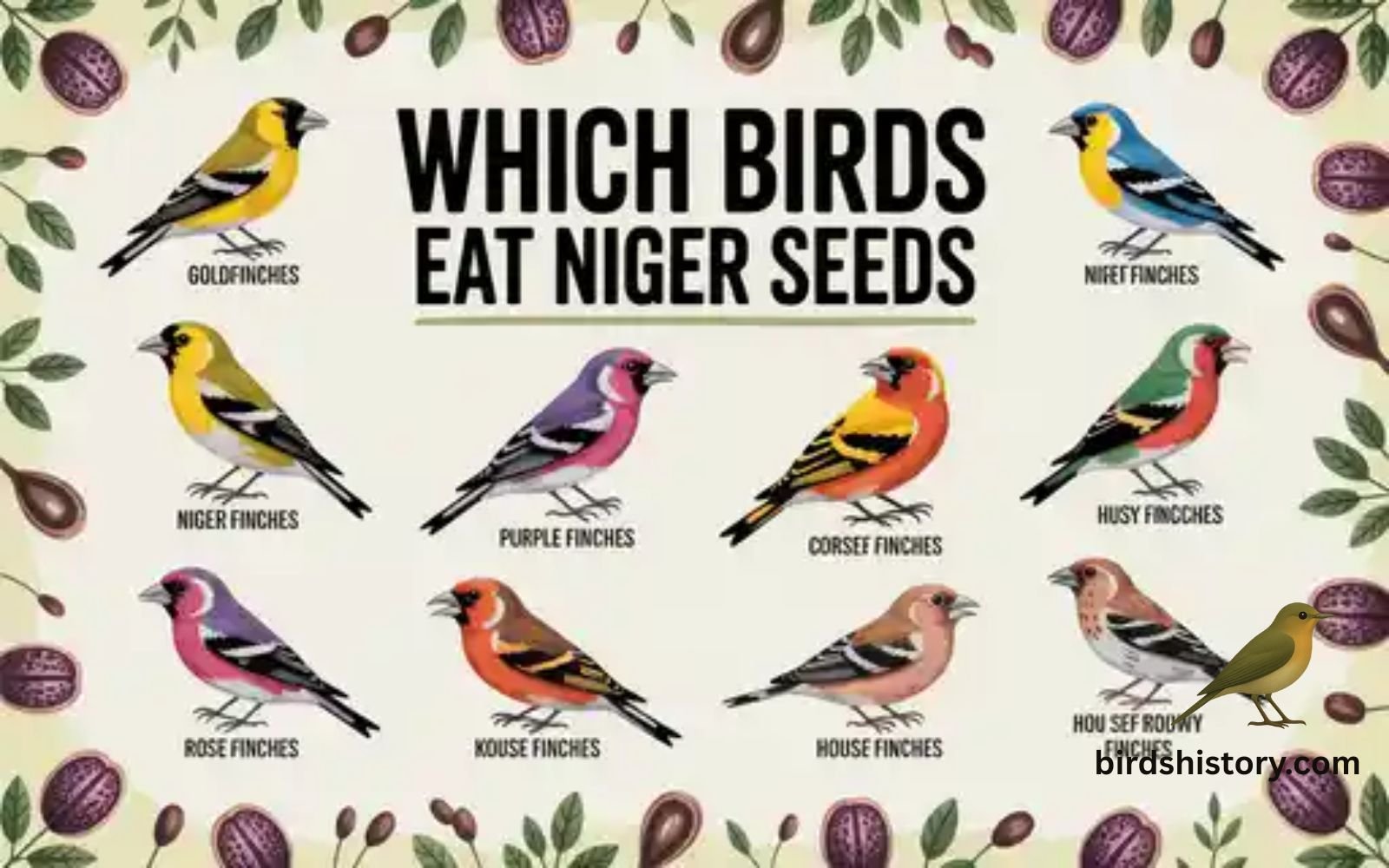
Which Birds Eat Niger Seeds? A Complete USA Guide to Feeding Backyard Birds 2026
Bird feeding brings life, motion, and color into everyday spaces, yet many bird lovers still ask which birds eat niger seeds and why this tiny seed matters so much. Niger seed, often sold as nyjer seed, has become a favorite choice across the United States because it attracts specific birds while discouraging aggressive feeder takeovers. Unlike mixed blends of wild bird seed, it appeals mainly to small-beaked birds that rely on high-energy bird food to survive.
Understanding what birds eat niger seed helps you approach backyard bird feeding with purpose rather than guesswork. When used correctly, this premium bird seed supports natural feeding behavior, improves bird nutrition, and turns an ordinary yard into a welcoming backyard wildlife habitat filled with motion, song, and seasonal visitors.
Niger Seeds as Bird Food:
At first glance, niger seed appears simple. In reality, it plays a specialized role in modern bird feeding across the United States. Often sold as nyjer seed, it delivers concentrated energy while discouraging aggressive birds that dominate feeders. Gardeners who switch to this premium bird seed often notice more color, more song, and less chaos.
The real beauty lies in selectivity. Birds attracted to niger seed usually share similar feeding styles and calm temperaments. This makes feeders easier to manage and more enjoyable to watch. For anyone curious about which birds eat niger seeds, the answer begins with understanding what this seed actually is.

What Are Niger Seeds?
Niger seeds come from the plant Guizotia abyssinica, commonly known as the African yellow daisy. These tiny black seeds are technically oilseeds, packed with fats that birds digest efficiently. Although sometimes called thistle seed (misnomer), niger has no botanical connection to thistle plants. The nickname stuck because finches naturally love thistle in the wild.
Before entering the U.S. market, all niger seed origin shipments undergo sterilization. This process creates heat-treated niger seed, ensuring it becomes non-germinating bird seed. That step protects local ecosystems and makes the seed safe for gardens nationwide. As a result, gardeners get reliable bird feeder seed without invasive plant risks.
Niger vs Nyjer Seed – Is There Any Difference?
Many bird lovers wonder if niger and nyjer seed are separate products. In practice, they are identical. The spelling “nyjer” gained popularity in North America to avoid confusion and pronunciation issues. Regardless of spelling, both labels describe the same oil-rich bird seed with the same nutritional profile.
Stores often market nyjer as specialty finch food, yet the seed itself never changes. Birds don’t recognize spelling. They respond to size, texture, and energy value. When shopping, focus less on names and more on freshness, packaging quality, and storage conditions.

Where Do Niger Seeds Come From?
The journey of niger seed starts in the Ethiopian highlands, where the plant thrives in cool, elevated climates. Farmers in Ethiopia and parts of India harvest the seed for oil production, cooking, and export. This long cultivation history contributes to its stable nutritional value of niger seed.
After harvest, the seeds are cleaned, sterilized, and shipped globally. U.S. regulations require heat treatment to stop sprouting. This careful handling explains why niger seed costs more than many other forms of garden bird food, yet its performance justifies the price.
Why Niger Seeds Are Popular Bird Food
Popularity comes from precision. Niger seed attracts birds with small, pointed beaks while discouraging large seed crushers. This makes it ideal small seed bird feed for controlled feeding stations. Because fewer species compete, birds feed longer and more calmly.
Energy density matters too. The high oil content in niger seed supports active flight, thermoregulation, and endurance. During colder months, it becomes trusted winter bird food for species that burn calories rapidly. Gardeners notice steadier visits and healthier plumage almost immediately.

Nutritional Value of Niger Seeds for Birds
The protein and fat content in niger seed sets it apart from many blends. It delivers approximately 515 calories in niger seed per 100 grams, making it a high-energy bird food. Fat fuels warmth while protein supports feathers and muscle strength.
A closer look shows strong calcium and iron in niger seed, both vital for bone health and oxygen circulation. During moulting season nutrition, birds rely on these minerals to regrow feathers efficiently. This balanced bird nutrition explains why finches return daily once feeders appear.
Nutritional Breakdown of Niger Seed (per 100 grams)
| Nutrient | Amount | Benefit for Birds |
|---|---|---|
| Calories | 515 | Supports high energy needs and body warmth |
| Fat | 39 g | Fuels flight and winter survival |
| Protein | 24 g | Helps muscle strength and feather repair |
| Fibre | 11 g | Aids digestion |
| Calcium | High | Strengthens bones and eggshells |
| Iron | High | Improves oxygen circulation |
This table clearly shows why niger seed works as a reliable energy source. Birds that visit feeders regularly depend on this balance to stay active, warm, and healthy throughout the year.
Which Birds Eat Niger Seeds?
So, what birds eat niger seed in American backyards? The answer centers on lightweight, agile species adapted to tiny seeds. These seed-eating birds share narrow beaks and strong grip strength, allowing acrobatic feeding.
Most visitors fall under the category of finch species in backyard environments. Some arrive year-round while others appear as migratory finches during colder months. Knowing these patterns helps birders anticipate seasonal changes and adjust feeders accordingly.
Common U.S. Birds That Eat Niger Seed
| Bird Species | Feeding Style | Seasonal Presence |
|---|---|---|
| American Goldfinch | Clinging feeder | Year-round in most regions |
| Pine Siskin | Group feeder | Winter and irruptive years |
| Common Redpoll | Light percher | Winter in northern states |
| House Sparrow | Opportunistic | Urban areas, occasional |
| Chickadee | Quick grab-and-go | Year-round |
| Greenfinch | Perch feeder | Seasonal and regional |
Finches and Niger Seeds (Goldfinches, Siskins, Redpolls)
Among all visitors, goldfinches and niger seed form the most iconic pairing. Watching a goldfinch eating niger seed feels almost guaranteed once feeders are installed. Their beaks evolved perfectly for these tiny kernels, making feeding efficient and graceful.
Other frequent guests include pine siskins and redpolls. Understanding pine siskins feeding habits explains why feeders suddenly swarm in winter. These birds travel in flocks, responding quickly to reliable food. Redpolls eating nyjer seed often appear as common redpoll winter visitors, especially in northern U.S. states.

Why Finches Prefer Niger Seeds
Finches thrive on precision. Their beaks extract oil without cracking shells violently. This suits small-beaked birds that conserve energy. The seed’s texture mirrors wild grasses, reinforcing instinctive feeding. This natural compatibility makes niger seed unmatched for winter finch feeding.
Do Sparrows, Doves, and Pigeons Eat Niger Seed?
Beyond finches, curiosity often turns toward larger or more common birds. House sparrows and niger seed form an occasional relationship rather than a preference. Sparrows lack the narrow beaks ideal for extracting these tiny kernels, yet hunger makes them adaptable. In urban and suburban USA settings, sparrows sometimes visit niger feeders, especially during food shortages.
Larger birds behave differently. Pigeons and doves eating fallen seed usually occurs beneath feeders rather than at them. These ground feeders practice chaffinch ground feeding behaviors, collecting spilled grains rather than feeding directly. Proper feeder placement limits access and supports seed spillage prevention, keeping niger seed reserved for intended visitors.
Best Feeders for Niger Seeds
Choosing the best feeder for niger seed determines success more than seed quality alone. Because the seeds are tiny and lightweight, ordinary feeders fail quickly. Purpose-built designs allow birds to feed without dumping food onto the ground.
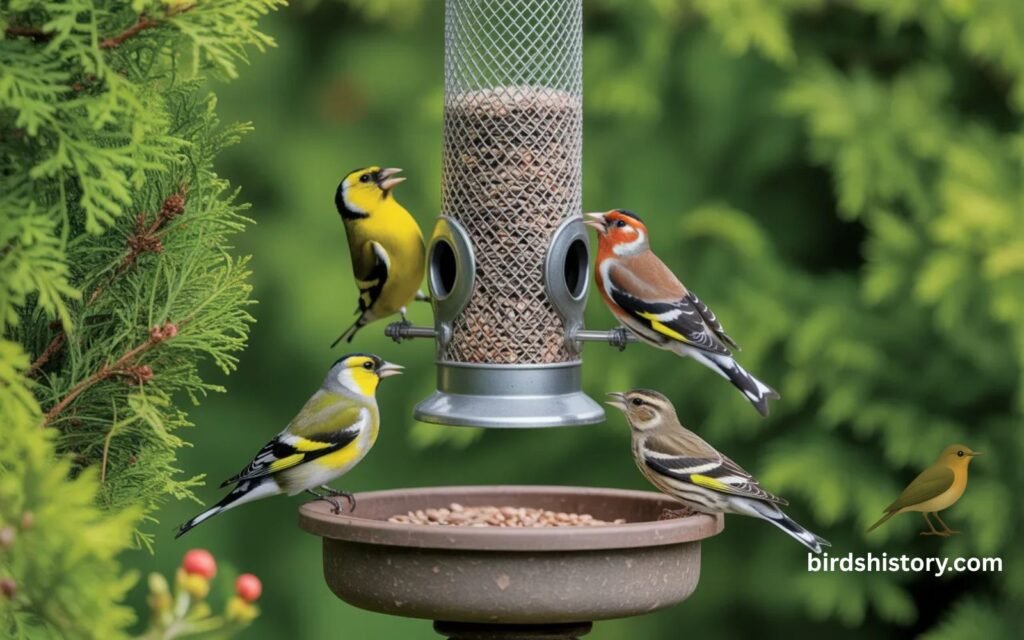
A niger seed sock feeder remains popular due to simplicity. Birds cling directly to the mesh and feed naturally. For durability, many gardeners prefer a tube feeder for nyjer seed, which uses precision ports to control flow. Both options fall under specialized niger seed feeders, designed specifically to reduce waste and spoilage.
Pests complicate feeding, which explains the rising demand for squirrel-proof bird feeders. These feeders close access under weight pressure, discouraging squirrels stealing bird seed while preserving calm feeding conditions.
How to Use Niger Seeds Properly for Backyard Birds
Proper use begins with location. Hanging feeders in open sightlines gives birds time to scan for danger. Sheltered placement near shrubs encourages confidence without inviting predators. This balance improves backyard bird feeding success across all seasons.
Timing matters as well. Early morning and late afternoon remain peak feeding periods. Consistency builds trust, allowing birds to incorporate feeders into daily routines. Combining niger seed with other bird food types nearby can diversify visits while keeping feeders species-specific.
How to Keep Niger Seeds Fresh and Mold-Free
Freshness determines whether birds return or disappear. Because niger seed contains high oil levels, moisture becomes its enemy. Keeping bird seed fresh starts with airtight storage in cool, dry spaces. Humidity accelerates spoilage, especially in southern U.S. climates.
Routine care prevents illness. Bird feeder hygiene includes regular washing with mild soap and thorough drying. Cleaning bird feeders every few weeks reduces bacteria buildup and ensures mold-free bird seed storage. Healthy feeders support healthier birds and longer-lasting seed.
Seasonal Tips for Feeding Birds with Niger Seeds
Seasons shape feeding behavior. During cold months, feeding birds in winter becomes essential for survival. Niger seed’s energy density supports body heat and flight endurance. Snow cover often increases reliance on feeders, drawing in unfamiliar migratory finches.
Warmer seasons bring change. Natural food availability rises, yet feeders remain valuable supplements. Adjust quantities to avoid waste while still offering support. These seasonal bird feeding tips help maintain balance without disrupting natural foraging patterns.
Creating a Bird-Friendly Garden Using Niger Seeds
Feeding works best within a supportive environment. A bird-friendly garden combines feeders, native plants, and water sources. Shrubs offer shelter while flowering plants attract insects, creating a complete backyard wildlife habitat.
Feeder placement should also consider safety. Distance from windows reduces collisions. Elevated placement limits predators. Combined with pest control at bird feeders, such planning encourages repeat visits and long-term settlement.
Gardeners often notice behavioral patterns forming. Greenfinches and bird feeders demonstrate consistent routines, while chickadees feeding on niger seed appear briefly yet frequently. Observing greenfinch feeding behavior reveals how seed choice influences dominance and sharing.
FAQs About Which Birds Eat Niger Seeds
What eats nigella seeds?
Small birds like finches, sparrows, and chickadees may nibble on nigella seeds, but they are not as widely eaten as niger seed. Their tiny size and low oil content make them less attractive for most seed-eating birds.
Why won’t the birds eat the nyjer seed?
Birds may avoid nyjer seed if it is old, wet, or moldy. Proper storage and using fresh niger seed in specialized niger seed feeders encourages small-beaked birds like goldfinches and siskins to feed regularly.
What is Niger seed for birds?
Niger seed is a premium bird seed rich in oil content in niger seed, designed for finches that eat niger seed and other small seed bird feed. It provides energy, protein, and nutrients essential for winter bird food and backyard bird feeding.
Can pigeons eat Niger seeds?
Yes, pigeons and doves eating fallen seed may feed on niger seed, but they usually pick it up from the ground rather than feeding directly at nyjer seed feeders. The seed is better suited for finches and small seed birds.
Do birds eat nigella seeds?
Some small birds may try nigella seeds, but they prefer niger seed because of its high fat and energy. Seed-eating birds return to oil-rich bird seed feeders more consistently.
What bird eats niger seed?
The primary visitors are finches that eat niger seed, including goldfinches and niger seed, pine siskins feeding habits, and redpolls eating nyjer seed. Chickadees and occasional sparrows may also feed from small seed bird feed stations.
Which is better, thistle or nyjer seed?
Both attract finches, but nyjer seed is safer and sterilized (heat-treated niger seed) to prevent germination. Unlike the thistle seed (misnomer), nyjer is designed for backyard bird feeding and reduces waste.
Do squirrels go after nyjer seed?
Squirrels often ignore nyjer seed because it is tiny and hard to handle, making it ideal for squirrel-proof bird feeders. Larger birds and rodents rarely succeed, which supports seed spillage prevention.
What is the healthiest bird seed for birds?
Niger seed ranks as one of the healthiest because it provides high-energy bird food, rich protein and fat content, and essential minerals like calcium and iron. It supports migratory finches, winter finch feeding, and overall bird nutrition.
Conclusion
Knowing which birds eat niger seeds allows you to feed smarter rather than simply feeding more. This oil-rich bird seed plays a critical role in supporting finches that eat niger seed, including goldfinches and niger seed pairings, pine siskins feeding habits, and redpolls eating nyjer seed during colder months.
With the best feeder for niger seed, proper bird feeder hygiene, and attention to keeping bird seed fresh, you reduce waste and support healthier birds. Over time, consistent feeding strengthens trust and encourages repeat visits. By choosing quality bird food, practicing feeding birds in winter, and building a bird-friendly garden, you create a space where birds thrive and nature quietly rewards your care.