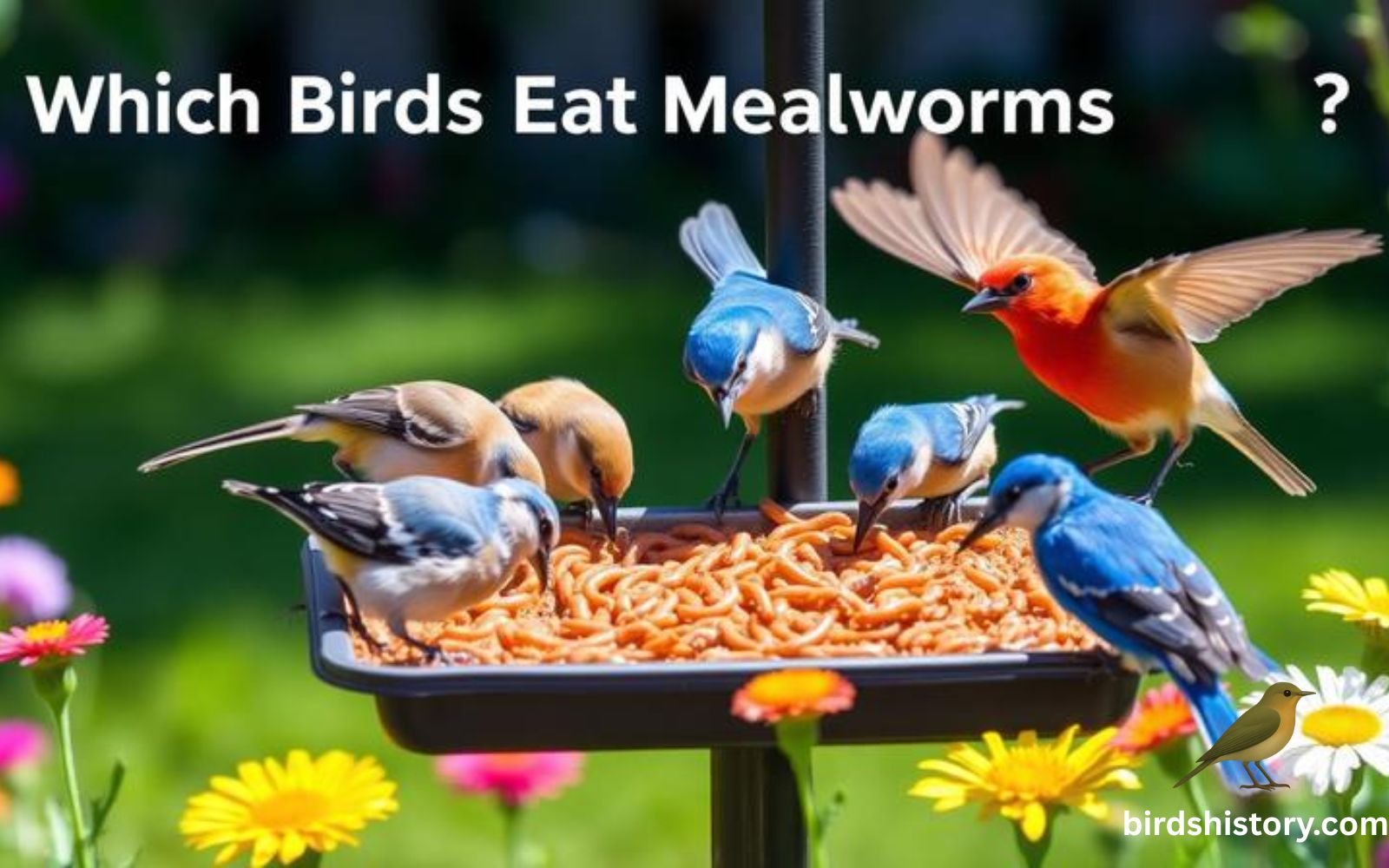
Which Birds Eat Mealworms? A Complete Guide for Garden Birds 2026
If you’re wondering which birds eat mealworms, you’re about to discover a simple way to attract a variety of songbirds, garden birds, and insect-eating birds to your backyard. Mealworms, whether live mealworms or dried mealworms, are a protein-rich food for birds that supports nestlings / baby birds and fledglings during the breeding season. Birds like Chickadees, Nuthatches, Bluebirds, Robins, and Cardinals especially love them, and they can help improve bird nutrition while also encouraging consistent visits to your bird feeding station.
Knowing how to feed mealworms to birds, the proper serving size, and seasonal timing ensures the health and growth of your local wild birds. Using the right mealworm feeder or tray feeder setup also prevents larger birds from dominating the food, making your backyard a thriving, safe haven for multiple bird species that prefer insects.
What Are Mealworms?
Mealworms are the larval stage of the darkling beetle, scientifically known as Tenebrio molitor. Though they look like small worms, they are actually insect-eating birds’ favorite treat. Packed with protein for young birds, fats, and essential minerals, mealworms for fledglings provide the energy needed for growth and survival. In the wild, birds rely on insects, but in urban and suburban gardens, natural sources are often scarce. Offering live mealworms and dried mealworms helps supplement this shortage, ensuring that garden birds like Wrens, Nuthatches, and Chickadees get enough nutrition.
Mealworms for chickadees and other species can be provided using a mealworm feeder, tray feeder, or a simple platform on a bird feeding station. Unlike seeds, mealworm nutrition for birds is high in protein, making it particularly valuable during breeding season and for nestlings / baby birds. Their soft texture allows young birds to consume them easily, and live mealworms encourage natural foraging behavior, enhancing bird observation opportunities for enthusiasts. With their high palatability, mealworms also help attract songbirds that are otherwise reluctant to visit feeders filled only with bird seed.
Live vs. Dried Mealworms: Which Is Best for Birds?
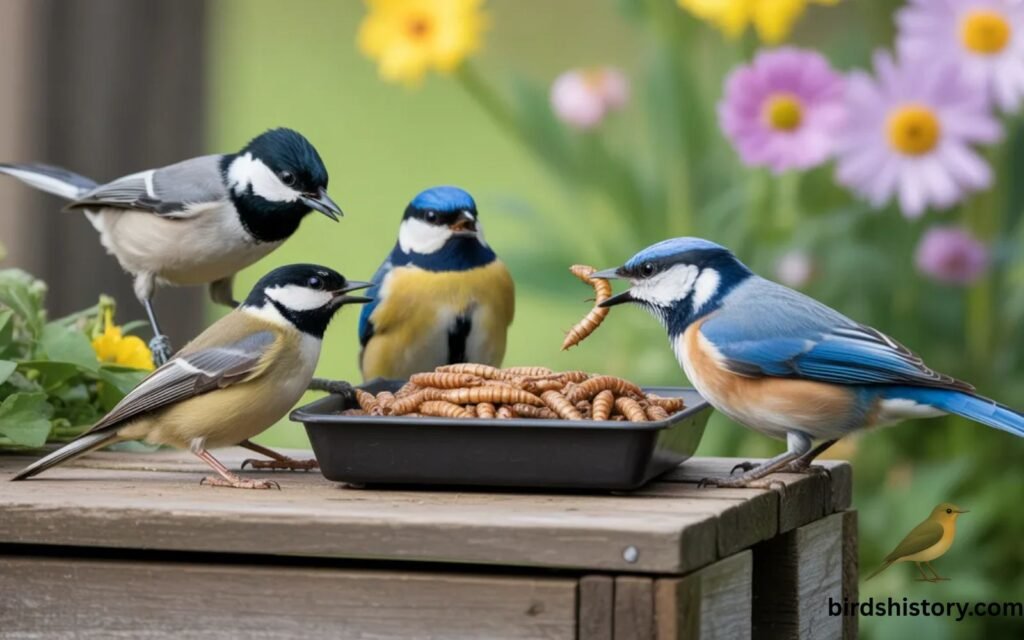
Deciding between live vs dried mealworms for birds depends on your feeding goals and the species you are targeting. Live mealworms provide both bird hydration / moisture content and high energy, which is crucial for young birds and fledglings during the breeding season. Birds such as Robins and Bluebirds prefer live mealworms because they resemble natural prey, encouraging natural hunting behavior. Additionally, feeding live mealworms in spring supports the high energy demands of nestlings / baby birds, ensuring better survival rates and healthy development.
On the other hand, dried mealworms offer convenience, long storage life, and easy integration into bird seed mixes or suet blocks. They are perfect for busy gardeners or for feeding in areas where live mealworms are difficult to store. While are dried mealworms safe for birds is a common question, research confirms that they are nutritious, especially when rehydrated dried mealworms before serving. By combining live mealworms and dried mealworms, feeders can maintain consistent protein-rich diets for wild birds, catering to a broader range of species from Woodpeckers to Cardinals.
What Birds Eat Mealworms?
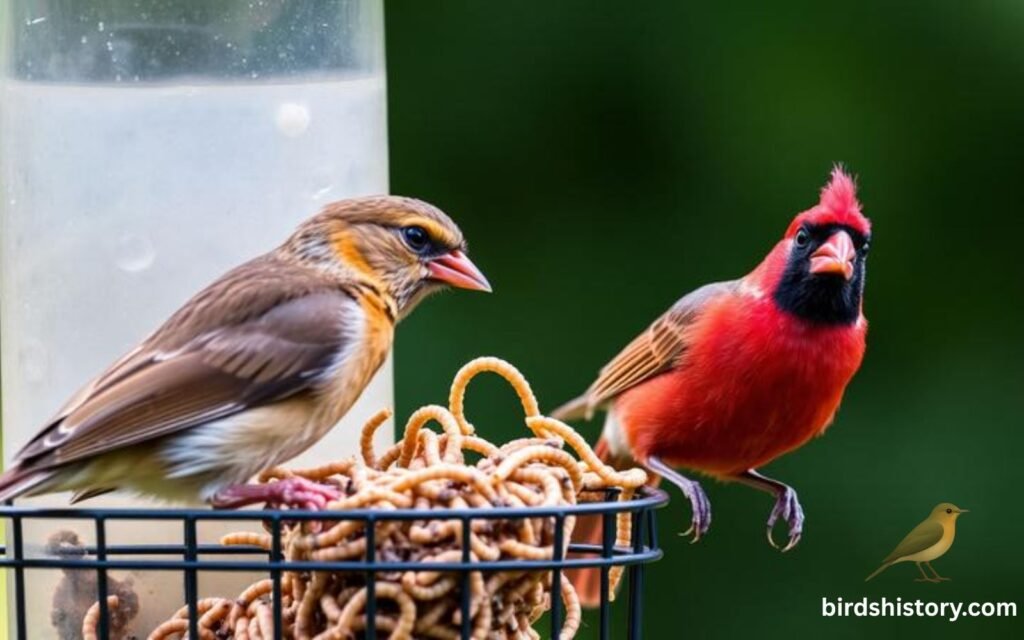
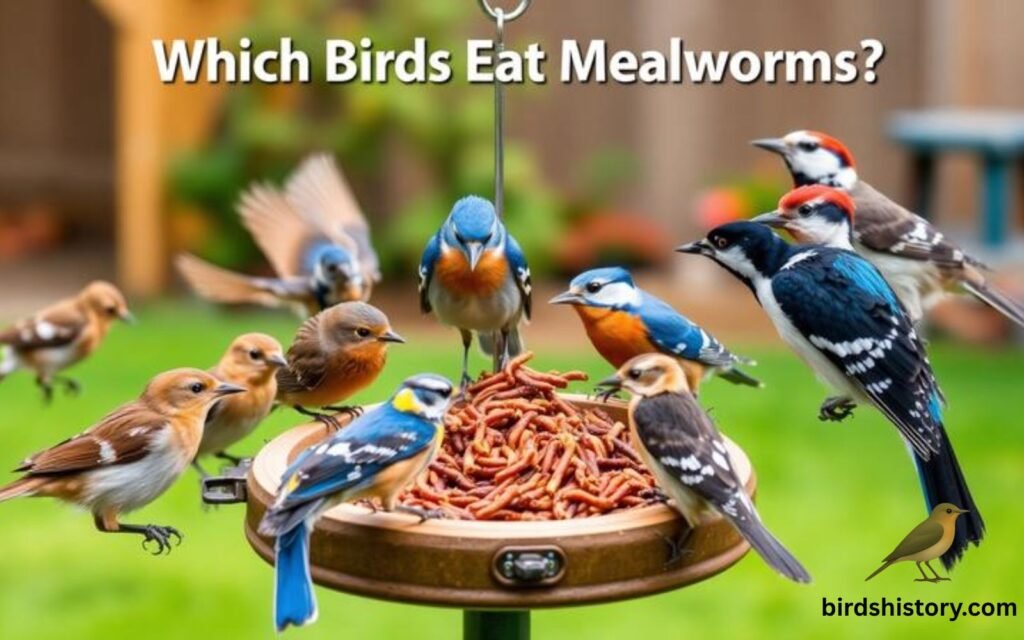
The best birds for mealworms include a wide variety of songbirds, garden birds, and insect-eating birds commonly found in the USA. Chickadees, Nuthatches, Wrens, and Bluebirds frequently visit feeders, while larger species like Robins, Woodpeckers, and Cardinals also consume mealworms. Birds differ in preferences; some favor live mealworms, while others accept dried mealworms. Bird species that prefer insects often avoid standard bird seed, so adding mealworms ensures protein-rich food for birds and attracts more species to your bird feeding station.
The table below shows common backyard birds and their preferred mealworm type:
| Bird Species | Preferred Mealworm Type | Feeding Notes |
|---|---|---|
| Chickadees | Live or dried | Small portions, frequent feeding during breeding season |
| Wrens | Live | Tray feeders near shrubs are ideal |
| Bluebirds | Live | Prefer open feeders, especially during spring |
| Cardinals | Live or rehydrated dried | Combine with suet or sunflower seeds |
| Robins | Live | Ground or tray feeder placement works best |
| Nuthatches | Live or dried | Accessible tray feeders or small caged feeders |
Can Baby Birds (Nestlings) Eat Mealworms?
Yes, can baby birds eat mealworms is an important question, and the answer is yes, especially live mealworms. They are rich in protein for young birds and provide essential bird hydration / moisture content, which seeds and suet lack. Nestlings / baby birds rely entirely on the food provided by parents, and mealworms ensure that both hydration and energy requirements are met. For fledglings, mealworms for fledglings act as an excellent transition from parent-fed meals to self-feeding.
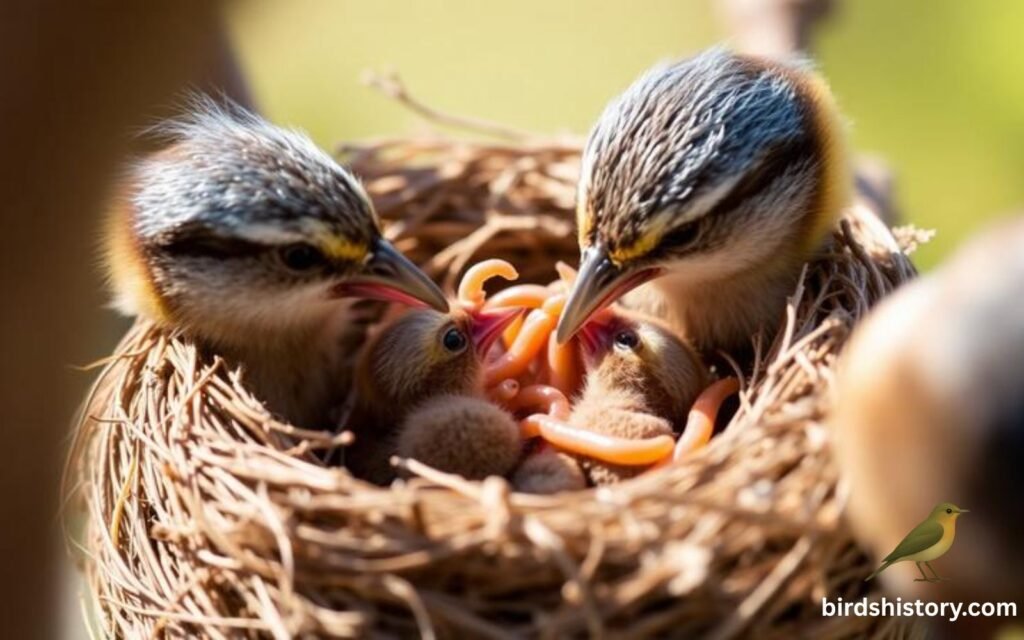
Providing mealworms for chickadees and other small birds during the breeding season can significantly increase survival rates. Benefits of live mealworms for birds are well documented, showing higher growth rates and stronger immune systems in young birds. The combination of protein-rich food for birds and easy digestibility makes mealworms a critical addition to any bird feeding station setup, ensuring the next generation of garden birds thrives in your backyard.
How to Offer Mealworms in Bird Feeders
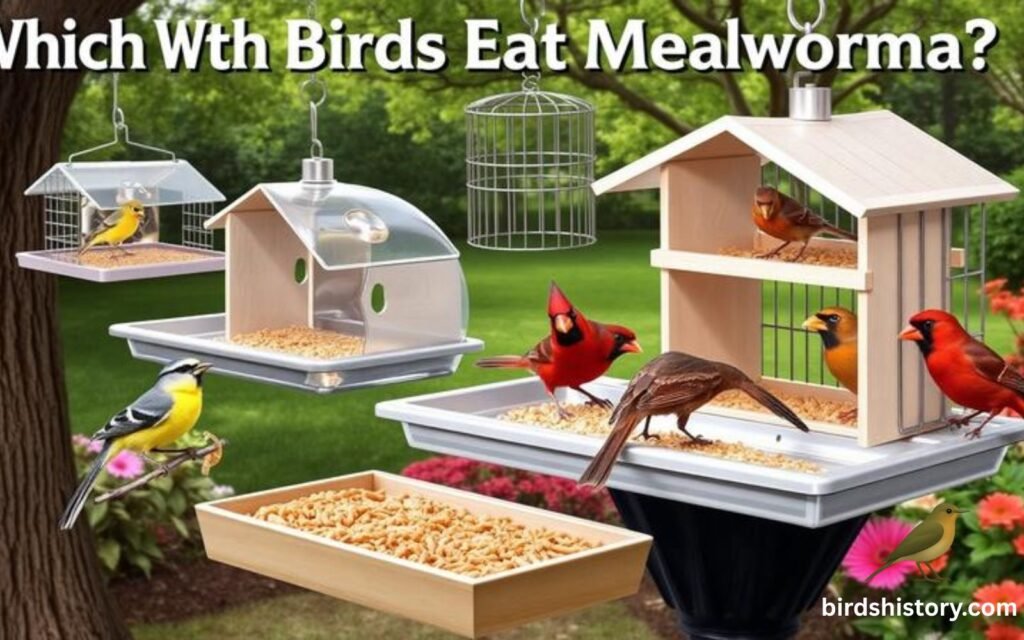
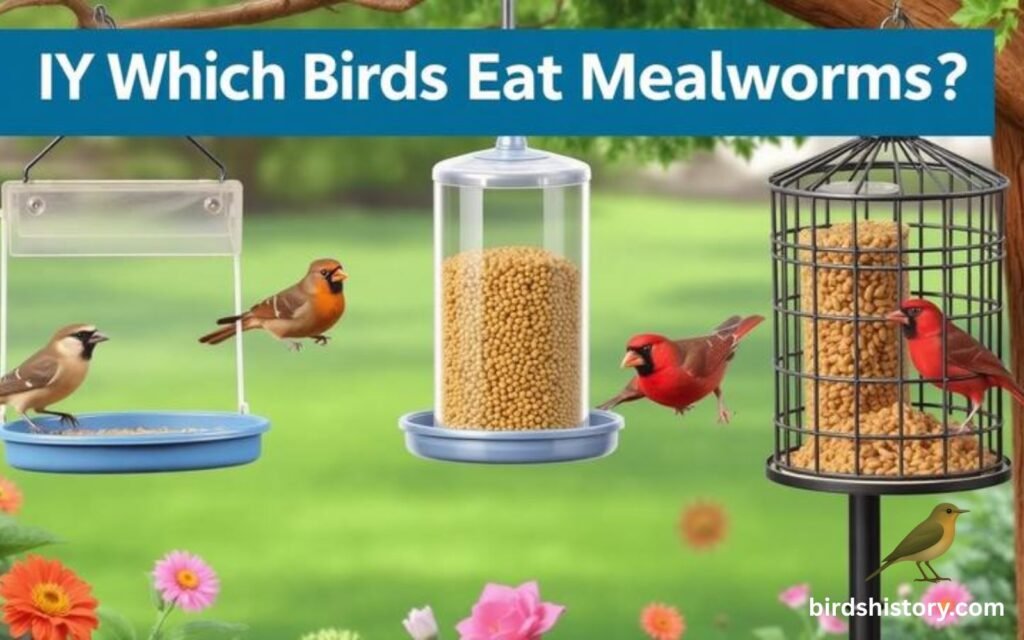
Providing mealworms effectively requires the right feeder and placement. Tray feeders are excellent for offering live mealworms to small garden birds like Chickadees, Wrens, and Nuthatches, while caged feeders can prevent larger birds from dominating the food. How to feed mealworms to birds involves balancing accessibility and protection, ensuring shy or small species can reach the protein-rich food for birds without competition. Hanging feeders near trees or shrubs gives birds cover, making them feel safe while feeding.
Another effective method is combining mealworms with bird seed in tray feeders, allowing a mix that appeals to a broader range of species. Some larger species, like Robins and Bluebirds, prefer open feeding platforms or open feeders where they can grab multiple live mealworms at once. Adjusting feeding frequency is key; frequent small portions prevent mealworms for fledglings and adult birds from spoiling, while also maintaining interest from visiting songbirds. Observing their behavior will guide you in refining bird feeding station setup to maximize both nutrition and bird activity.
Serving Size: How Much to Feed Birds
Determining the correct serving size is crucial for bird health and feeder management. For small birds, a few live mealworms or dried mealworms per day is usually sufficient, while larger birds like Cardinals or Woodpeckers may require 10–15 mealworms. Overfeeding can lead to dependency or waste, so adjust portions based on species, season, and bird activity. A simple table helps illustrate typical serving sizes:
| Bird Species | Typical Daily Serving Size | Preferred Mealworm Type |
|---|---|---|
| Chickadees | 3–5 mealworms | Live or dried |
| Wrens | 4–6 mealworms | Live |
| Bluebirds | 5–10 mealworms | Live |
| Cardinals | 10–15 mealworms | Live or rehydrated dried |
| Robins | 8–12 mealworms | Live |
| Nuthatches | 4–6 mealworms | Live or dried |
Feeding tips for birds emphasize moderation and variety. Mixing mealworms in tray feeder setups with bird seed or suet ensures a balanced protein-rich diet for wild birds, supporting their overall bird nutrition and encouraging them to return consistently.
Timing Is Everything: When to Feed Mealworms
Timing is vital for maximizing the benefits of feeding live mealworms in spring. The breeding season and fledgling period are the most critical times to provide protein-rich food for birds. Nestlings / baby birds rely entirely on high-protein diets, and live mealworms offer both energy and bird hydration / moisture content. Outside these periods, seasonal bird feeding tips suggest continuing to offer mealworms during moulting season or low rainfall feeding times, when natural invertebrate food is scarce.
Birds exhibit different behaviors throughout the year. During spring, songbirds such as Bluebirds, Wrens, and Robins are more active and responsive to feeders. Providing mealworms for fledglings at this time not only supports growth but also increases the chance of survival in the wild. Adjusting the feeding frequency to smaller, repeated portions prevents spoilage, encourages natural foraging behavior, and allows bird species attraction across a variety of garden birds and wild birds in your backyard.
Storing Mealworms Safely
Proper storage ensures mealworm nutrition for birds is preserved, and birds receive fresh, safe food. Live mealworms should be stored in a cool environment around 8–10°C to slow growth and prevent them from turning into beetles. Keeping them in a dark, dry area reduces stress and maintains bird health. Smaller quantities in plastic tubs or containers allow for controlled feeding and help monitor feeding live mealworms in spring without excess waste.
Dried mealworms are simpler to store and can remain viable for months when sealed and kept dry. Avoid exposure to moisture to prevent mold, which could harm nestlings / baby birds and adult visitors. For rehydrating dried mealworms, soak them in water for 30 minutes to restore bird hydration / moisture content before serving. Combining proper storage techniques with a well-planned mealworm feeder ensures consistent protein-rich food for birds while supporting long-term bird population support.
How to Rehydrate and Prepare Dried Mealworms
Rehydrating dried mealworms enhances their nutritional value, making them more appealing to songbirds and garden birds. Soaking in clean water for 30 minutes restores bird hydration / moisture content, while maintaining protein and fat levels. This process ensures that mealworms for fledglings are easy to digest, supporting healthy growth. Mixing rehydrated dried mealworms with bird seed or suet adds variety and attracts more species, including Chickadees, Nuthatches, and Robins.
When preparing dried mealworms, it is important to ensure no contamination occurs. Using a clean mealworm feeder or tray feeder for rehydrated worms reduces the risk of spreading bacteria. Affordable ways to feed birds include buying bulk dried mealworms and storing them properly, allowing for consistent access throughout seasonal bird feeding cycles. The combination of convenience and nutrition makes dried mealworms a reliable alternative to live mealworms, particularly in urban or winter feeding setups.
Cost-Effective Ways to Feed Mealworms
Feeding mealworms does not need to be expensive. Affordable mealworm feeding can be achieved through buying bulk dried mealworms, using DIY bird feeders, and combining mealworms with leftover bird seed. This approach saves money while maintaining high bird nutrition. Seasonal purchases aligned with the breeding season and low rainfall feeding periods maximize impact and prevent spoilage.
Mixing mealworms in tray feeder setups and alternating live mealworms with dried mealworms ensures both convenience and maximum benefit. For those seeking affordable ways to feed birds, local garden stores often offer bulk purchases or seasonal discounts. By planning bird feeding station setup carefully, it is possible to maintain a protein-rich diet for wild birds year-round, attracting multiple songbirds, Wrens, and Bluebirds, while also supporting bird conservation efforts in the community.
Conclusion
Understanding which birds eat mealworms allows you to provide the right nutrition and attract a variety of garden birds to your backyard. Live mealworms offer high protein and moisture for nestlings / baby birds and fledglings, while dried mealworms, when rehydrated, are a convenient alternative for songbirds and larger birds like Robins or Cardinals. Using caged feeders for smaller species and tray feeders for general access ensures a fair distribution and reduces competition, supporting bird health and bird population support.
Feeding mealworms during the breeding season and periods of low rainfall or invertebrate food shortage maximizes benefits for your local wild birds. With proper preparation, storage, and seasonal bird feeding tips, you can turn your backyard into a safe, nutritious, and active hub, boosting bird conservation and providing endless opportunities for bird observation.
FAQs
What Are Mealworms?
Mealworms are the larval stage of the darkling beetle, rich in protein and fat. They provide protein-rich food for birds, especially beneficial for nestlings / baby birds and fledglings during the breeding season. Both live mealworms and dried mealworms can be offered safely in a mealworm feeder or tray feeder.
What Birds Will Eat Dried Mealworms?
Many garden birds and songbirds enjoy dried mealworms, including Chickadees, Nuthatches, Wrens, Bluebirds, and Robins. They are convenient for feeders and attract a wide range of bird species that prefer insects, especially when mixed with bird seed or suet.
Why Are Dried Mealworms Good For Birds?
Dried mealworms are a long-lasting, easy-to-store source of protein for young birds and adult birds alike. They supplement natural insects, especially during low rainfall feeding or invertebrate food shortage, supporting bird health and bird population support.
How Do I Feed Dried Mealworms To My Birds?
You can place dried mealworms in a mealworm feeder, tray feeder, or mix them with bird seed. For young birds, rehydrating them restores bird hydration / moisture content, making them easier to digest and more appealing to songbirds.
Can I Mix Dried Mealworms With Bird Seed?
Yes, mixing dried mealworms with bird seed attracts a wider variety of wild birds. Combining protein from mealworms with energy from seeds supports a protein-rich diet for wild birds and encourages consistent visits to your bird feeding station.
Why Should I Buy Dried Mealworms And Not Live Mealworms?
Dried mealworms are convenient, easy to store, and less messy than live mealworms. They last longer, don’t wriggle away, and are a practical choice when you can’t frequently refill live mealworms in spring, yet still provide protein-rich food for birds.
How Do I Store Mealworms?
Live mealworms should be kept in a cool, dark place (8–10°C) to slow development, while dried mealworms can be stored in a sealed, dry container. Proper storage ensures mealworm nutrition for birds stays intact and prevents spoilage.
What Are the Disadvantages of Mealworms?
Overfeeding can cause dependency or attract unwanted pests like ants. Live mealworms may carry bacteria if not handled properly, and large aggressive birds may dominate feeders, limiting access for smaller species.
Will Pigeons Eat Mealworms?
Yes, pigeons will eat mealworms, especially live mealworms, but they may take large quantities quickly. Using caged feeders can prevent pigeons and other large birds from consuming all the food.
What Diseases Do Mealworms Carry?
If improperly stored, mealworms can carry bacteria like Salmonella. Ensuring clean feeding areas and proper storage of both live and dried mealworms reduces disease risk for wild birds and garden birds.