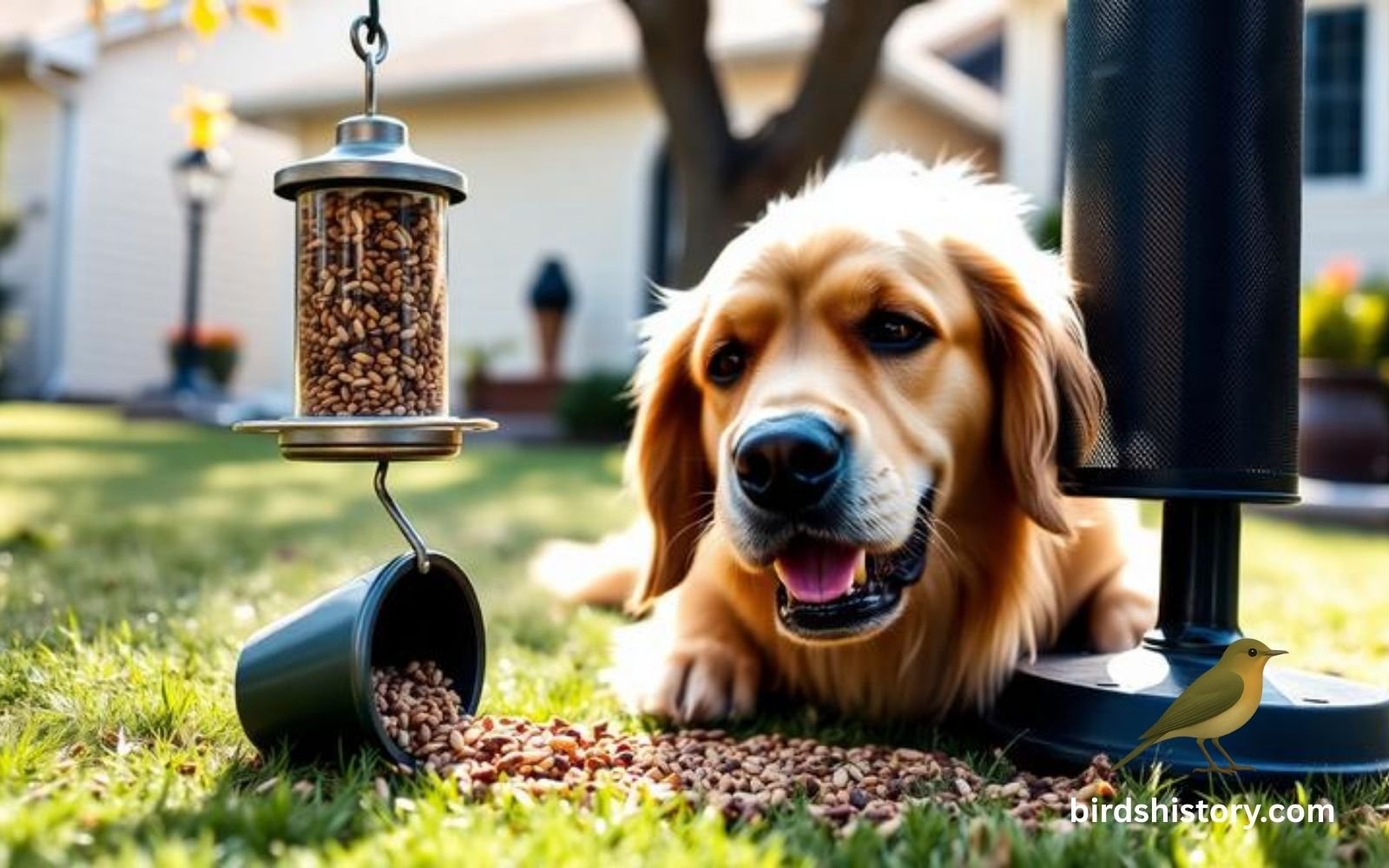
Can Dogs Eat Bird Seed? Complete Guide for Pet Owners 2026
If you’ve ever caught your dog sniffing around the bird feeder or gobbling up fallen seeds, you might be wondering, can Dogs eat bird seed? While a small nibble of fresh birdseed is often harmless, many common ingredients in birdseed for dogs can cause digestive upset, allergic reactions, or even serious toxicity. Seeds like sunflower, millet, and safflower are generally safe in tiny amounts, but mixes that include dried fruits, nuts, or fat-rich items like suet for birds can pose real risks.
Spoiled or damp seeds may harbor aflatoxin in birdseed, a dangerous mold that can lead to liver damage in dogs, while bird droppings and dogs create the perfect environment for harmful bacteria like salmonella or campylobacter. Understanding the ingredients, risks, and safe feeding practices is essential for keeping your dog healthy while still enjoying the beauty of backyard birds.
Understanding Bird Seed and Its Ingredients
Bird seed comes in many forms, from plain mixes to blends filled with nuts, fruits, and fat-rich additions like suet for birds. Common types include sunflower seeds, millet, safflower, and occasionally small amounts of raisins or other dried fruits. While birds thrive on these high-calorie ingredients, a dog’s digestive system is not built for them. Fatty seeds causing upset can lead to gastrointestinal distress in dogs, while sharp seed shells may cause minor abrasions or digestive irritation.
Commercial mixes often contain preservatives or chemicals to prevent spoilage, which are harmless for birds but may be problematic for dogs. Even seemingly safe seeds can become dangerous if they are old or damp. Fresh vs spoiled birdseed can make a huge difference; moldy seed can harbor aflatoxin in birdseed, a toxin produced by Aspergillus molds that can cause serious liver damage and jaundice in dogs. To help pet owners quickly understand the risk, the following table outlines common bird seed types, their benefits for birds, and potential hazards for dogs:
| Bird Seed Type | Nutritional Benefit for Birds | Risk for Dogs | Notes |
|---|---|---|---|
| Sunflower Seeds | High in fat and protein, attracts many birds | Can cause fatty seeds causing upset, pancreatitis, or vomiting | Remove shells if feeding dogs accidentally |
| Millet | Easily digestible, good for small birds | Low risk in small amounts | Safe in minimal accidental ingestion |
| Safflower | Low fat, good energy source for birds | Usually safe, but large amounts can cause gastrointestinal distress in dogs | Often ignored by squirrels and dogs |
| Suet | Provides calories in winter | Pancreatitis from fat, vomiting, diarrhea | Keep out of reach from dogs |
| Raisins/Dried Fruit | Extra nutrients for birds | Raisins harmful to dogs, can cause kidney failure | Avoid in any bird seed mix for dog households |
| Mixed Seeds | Variety for birds | Risk depends on contents; may include toxic bird seed ingredients | Check labels carefully |
This table makes it easy to see which seeds are safe if a dog accidentally nibbles and which ones are more likely to cause pet poisoning from seeds. Understanding the ingredients and risks allows pet owners to maintain safe backyard bird feeding while protecting their dogs.
How Bird Seed Can Affect Dogs
When dogs eat birdseed, the impact varies depending on the type, quantity, and condition of the seed. Small amounts usually pass harmlessly through the digestive system, but larger quantities may trigger vomiting, diarrhea, lethargy, or bloating in dogs. High-fat seeds like sunflower hearts can lead to pancreatitis from fat, causing discomfort, vomiting, and potential long-term complications. Even healthy seeds, if consumed excessively, may result in digestive obstruction from seeds requiring veterinary attention.
Aside from immediate digestive reactions, repeated consumption can disturb a dog’s metabolism or exacerbate preexisting conditions like colitis or pancreatitis. Dogs with smaller stomachs are particularly at risk of gastrointestinal distress in dogs, while larger breeds may still experience discomfort or bloating. Understanding these potential effects helps pet owners gauge the small amount vs large quantity risk and decide how strictly they need to control access to birdseed.
Dangerous Components in Bird Food
Some components in birdseed mixes pose significant hazards to dogs. Ingredients like raisins, chocolate, and even some dried fruits are highly toxic. Raisins harmful to dogs can cause kidney failure even in small amounts, and some seeds may carry hidden molds producing aflatoxin in birdseed. Long-term ingestion or exposure to these substances may result in pet poisoning from seeds or liver damage in dogs, sometimes without immediate visible symptoms.
Moldy bird seed is particularly dangerous because it can produce aflatoxin poisoning symptoms such as loss of appetite, jaundice, or lethargy. Contaminated bird food can also harbor salmonella, campylobacter, and other harmful bacteria in bird droppings, posing infection risks not only to dogs but also to humans in the household. Identifying toxic bird seed ingredients and avoiding spoiled or suspicious birdseed is critical to ensure safety for dogs who share outdoor spaces with birds.
Must Read: https://birdshistory.com/toco-toucan-history/
Quantity Matters – How Much is Too Much?
Determining how much birdseed is safe depends on the dog’s size, age, and health. A few scattered seeds eaten by a small dog may cause nothing more than a mild upset stomach. However, consuming a large handful or multiple meals’ worth of birdseed for dogs increases the risk of gastrointestinal issues dogs, bloating in dogs, and digestive obstruction from seeds. Fatty mixes or seeds with additives can aggravate pancreatitis from fat or create sudden gastrointestinal discomfort.
Case studies show that even healthy adult dogs can develop complications when given unrestricted access to feeders. For instance, a Labrador that consumed a large portion of sunflower hearts and suet experienced vomiting, diarrhea, lethargy, and required veterinary monitoring. The small amount vs large quantity risk is clear: controlling portion exposure is essential, as the same seed that is harmless in one teaspoon can be hazardous in half a cup.
Signs Your Dog Ate Bird Seed
Detecting whether a dog is suffering from bird seed toxicity requires observation. Common signs include vomiting, diarrhea, lethargy, loss of appetite, and unusual fatigue. Subtle changes, like decreased energy or mild bloating, can indicate early gastrointestinal distress in dogs before serious complications occur. Owners should also watch for more severe symptoms such as jaundice, dark urine, or signs of abdominal pain, which may indicate liver damage in dogs or aflatoxin exposure.
Regular monitoring during outdoor play is critical, especially in yards with feeders. Dogs that routinely sample fallen seeds may need stricter control to prevent repeated exposure. Early recognition of these warning signs allows for prompt intervention and vet advice dog birdseed, preventing minor issues from escalating into life-threatening conditions. Training your dog with a training dog “drop it” command can also be highly effective in stopping accidental ingestion before symptoms appear.
Disease Risks from Contaminated Bird Seed
Even if the seed itself is safe, contamination from the environment can pose serious threats. Bird droppings often accumulate under feeders, carrying salmonella, campylobacter, and other harmful bacteria in bird droppings. Dogs that sniff or consume contaminated seed may develop infections, leading to gastrointestinal distress in dogs, vomiting, diarrhea, and dehydration in dogs. These infections can become severe, especially in puppies, senior dogs, or dogs with weakened immune systems.
Mold growth in moldy bird seed adds another layer of danger. Aspergillus molds produce aflatoxin in birdseed, which can accumulate in the liver over time and result in liver damage and jaundice. Proper maintenance of feeders, including keeping bird feeders clean and removing spilled seeds, significantly reduces exposure to contaminated bird food and ensures backyard wildlife safety for both pets and birds.
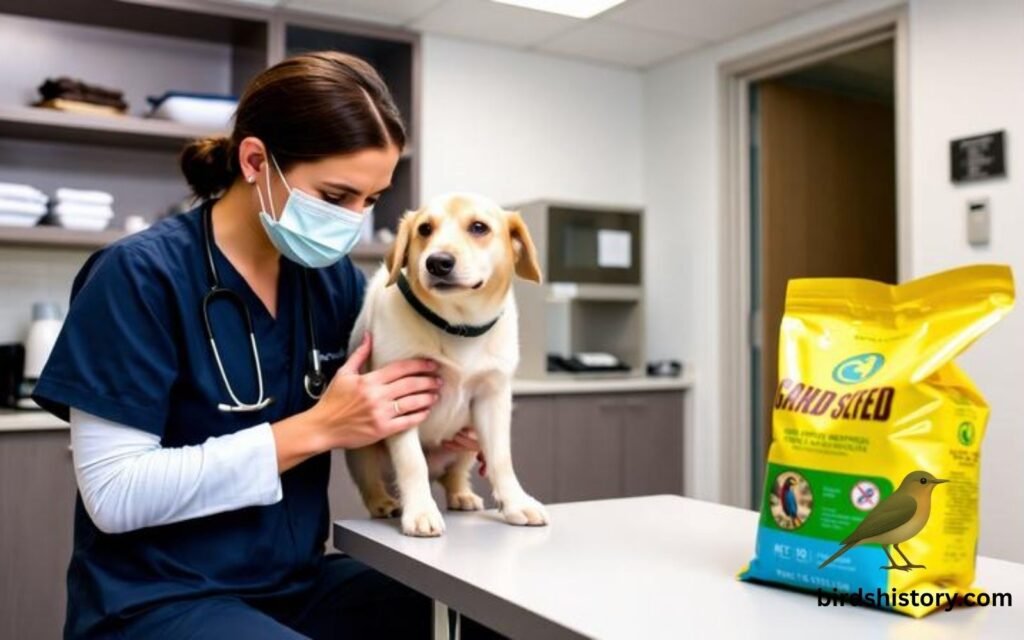
What to Do If Your Dog Eats Bird Seed
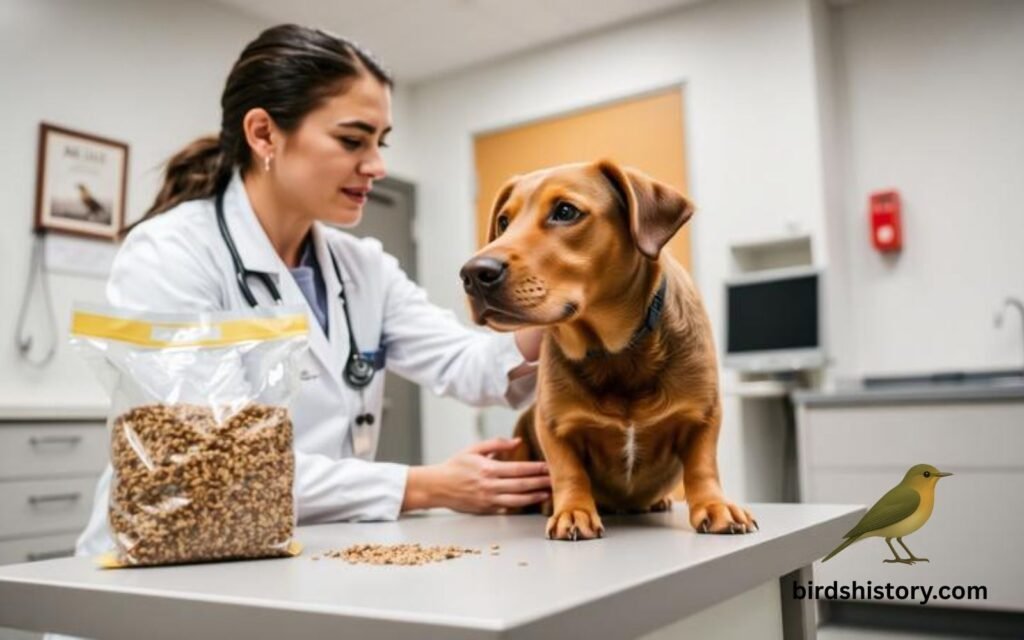
If a dog manages to eat birdseed, the first step is observation. Remove any remaining seeds and monitor your pet closely for vomiting, diarrhea, lethargy, or loss of appetite. Hydration is critical, so ensure fresh water is available at all times. Minor incidents with a small amount vs large quantity risk can often resolve on their own, but vigilance is key. In cases involving large amounts, moldy seed, or ingredients like raisins, immediate vet advice dog birdseed is necessary to prevent severe complications.
Veterinarians may recommend inducing vomiting, providing supportive care, or conducting blood tests to assess liver damage in dogs. In extreme situations, surgical intervention may be required to remove a digestive obstruction from seeds. Maintaining a calm environment and avoiding stress during observation can help prevent further complications. Quick recognition and response can be the difference between a minor upset and pet poisoning from seeds.
Preventing Dogs from Eating Bird Seed
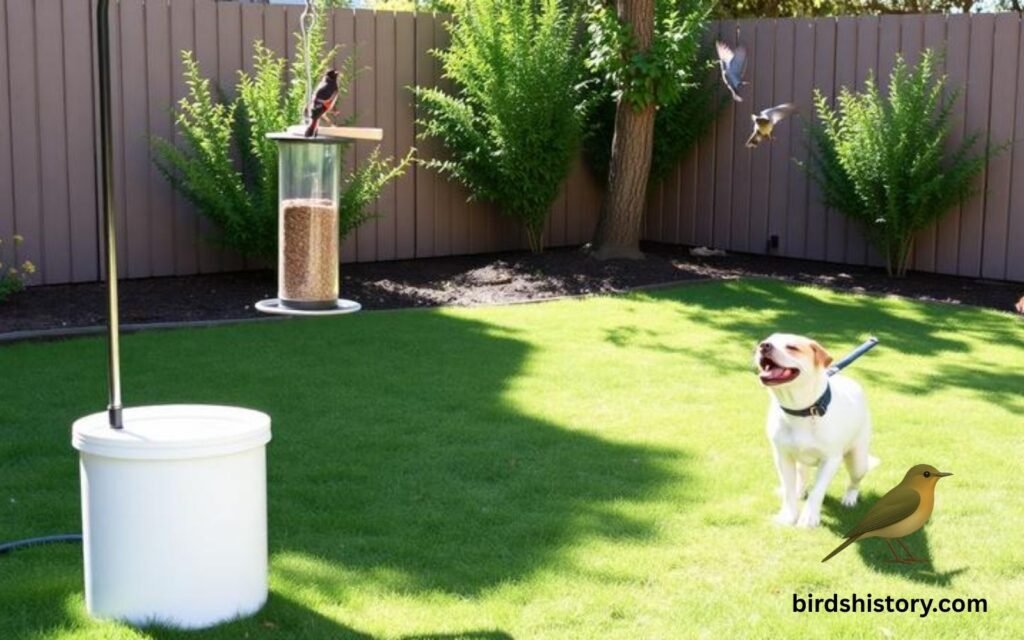
Prevention is far more effective than treatment. Installing dog-friendly bird feeders at heights or locations out of reach can dramatically reduce risk. Strategically placing feeders over flower beds or hanging them in enclosed areas discourages dogs from sniffing or sampling fallen seeds. Maintaining clean feeding stations by keeping bird feeders clean prevents accumulation of moldy bird seed or bird droppings and dogs, reducing the likelihood of infection or contamination.
Training is equally vital. Commands like “leave it” or training dog “drop it” command allow owners to intervene if dogs attempt to eat seeds. Regular supervision during outdoor play, or supervised outdoor time with dog, helps prevent accidents and reinforces positive habits. Combining physical barriers, training, and environmental management ensures that backyard birds and dogs can coexist safely while minimizing exposure to toxic bird seed ingredients.
Alternatives to Bird Seed for Dogs
Providing safe alternatives is an essential part of reducing temptation. Treats such as small pieces of cooked chicken, carrots, or commercially available dog snacks can substitute for the taste and texture that attracts dogs to seeds. High-quality kibble or small, fat-controlled snacks can prevent fatty seeds causing upset, avoiding gastrointestinal distress in dogs.
Some creative options include enrichment toys that mimic foraging, allowing dogs to enjoy a rewarding activity without risking bird seed toxicity. Rotating treats and limiting exposure to the feeding area keeps dogs mentally stimulated while preventing accidental ingestion of contaminated bird food. Safe alternatives protect health and ensure peace of mind for pet owners who enjoy backyard wildlife safety.
Feeding Birds Safely in Your Backyard
Feeding birds can be a joyful activity, but safety precautions are critical. Place feeders at heights inaccessible to dogs, ideally suspended from trees or on poles with protective barriers. Regularly remove spilled seed and clean feeders to prevent the growth of moldy bird seed and accumulation of bird droppings and dogs, which can harbor salmonella, campylobacter, and other harmful bacteria in bird droppings.
Seasonal adjustments are also important. During wet weather, change seed more frequently to avoid dampness and aflatoxin in birdseed formation. Offering species-specific seed blends like safflower or millet reduces the risk of dogs consuming seeds with high fat content, preventing pancreatitis from fat or other digestive upset. Maintaining a safe and hygienic bird feeding environment ensures both wildlife and dogs remain healthy.
Balancing Bird Watching and Dog Safety
Harmonizing birdwatching and dog companionship requires thoughtful planning. Supervision is essential whenever dogs are outdoors in areas with feeders. Establish boundaries, use training commands, and create designated zones where dogs can play safely without interfering with bird feeding stations. Ensuring supervised outdoor time with dog can prevent gastrointestinal distress in dogs caused by dogs eating bird seed while still allowing wildlife observation.
Pet owners can also schedule feeding times when dogs are indoors or distracted, minimizing temptation. Using feeders that reduce seed spill or investing in dog-friendly bird feeders helps create a safe coexistence. Thoughtful management of both pets and backyard birds encourages enjoyment of nature without compromising safe backyard bird feeding or risking dog health risks birdseed.
FAQs About Dogs and Bird Seed
What happens if my dog ate bird seed and is throwing up?
Vomiting after eating bird seed may indicate gastrointestinal distress in dogs. Monitor your dog for lethargy, diarrhea, or loss of appetite and contact your vet if symptoms persist, especially if large quantities or spoiled seed were ingested.
Can a dog get sick from eating bird food?
Yes. Certain ingredients like raisins harmful to dogs, moldy seeds, or fat-rich items like suet for birds can cause pet poisoning from seeds, vomiting, diarrhea, or more serious complications like liver damage.
How long does it take for toxicity to show up in dogs?
Symptoms from aflatoxin in birdseed or toxic ingredients may appear within hours to a few days. Early signs include vomiting, diarrhea, lethargy, or dehydration in dogs.
What is the #1 cause of death in dogs?
Cancer is the leading cause of death in dogs, followed closely by heart disease. Accidental poisoning from toxins, including certain foods, is a preventable risk.
What are the first signs of poisoning in dogs?
Early symptoms often include vomiting, diarrhea, lethargy, excessive drooling, and loss of appetite. Observing subtle behavior changes can help detect exposure quickly.
How do you flush poison out of a dog’s system?
A vet may induce vomiting, administer activated charcoal, or provide IV fluids. Home remedies are risky—vet advice dog birdseed is always recommended.
Can a dog survive poisoning without treatment?
Mild cases may resolve naturally, but serious poisoning from toxic bird seed ingredients or aflatoxin in birdseed can be fatal without prompt veterinary care.
How do I know if my dog has been exposed to toxins?
Watch for gastrointestinal distress in dogs, vomiting, diarrhea, lethargy, jaundice, or unusual behavior. Blood tests at the vet can confirm exposure.
What is the silent killer of dogs?
Heart disease, kidney failure, and liver damage are considered “silent killers” because symptoms may be subtle until severe. Aflatoxin poisoning symptoms also fall into this category.
What’s the worst disease a dog can get?
Severe liver failure, advanced cancer, or chronic heart disease are among the most dangerous. Toxic exposures, like moldy or contaminated bird seed, can also be life-threatening if untreated.
Conclusion
While the sight of a dog sniffing fallen birdseed may seem harmless, understanding the risks is crucial. Even healthy dogs can face pet poisoning from seeds, gastrointestinal issues dogs, or liver damage in dogs when consuming large amounts, moldy seed, or toxic ingredients like raisins. Observing small amount vs large quantity risk ensures proper intervention when needed.
Creating safe environments through dog-friendly bird feeders, regular maintenance, supervision, and training allows dogs and backyard birds to coexist peacefully. Choosing clean, fresh seed and monitoring for aflatoxin in birdseed or contamination from bird droppings and dogs protects both pets and wildlife. With vigilance, preparation, and the right precautions, pet owners can enjoy the beauty of birds while ensuring their dogs remain happy, healthy, and safe.