The Ultimate Love Bird Food List for a Healthy and Happy Pet
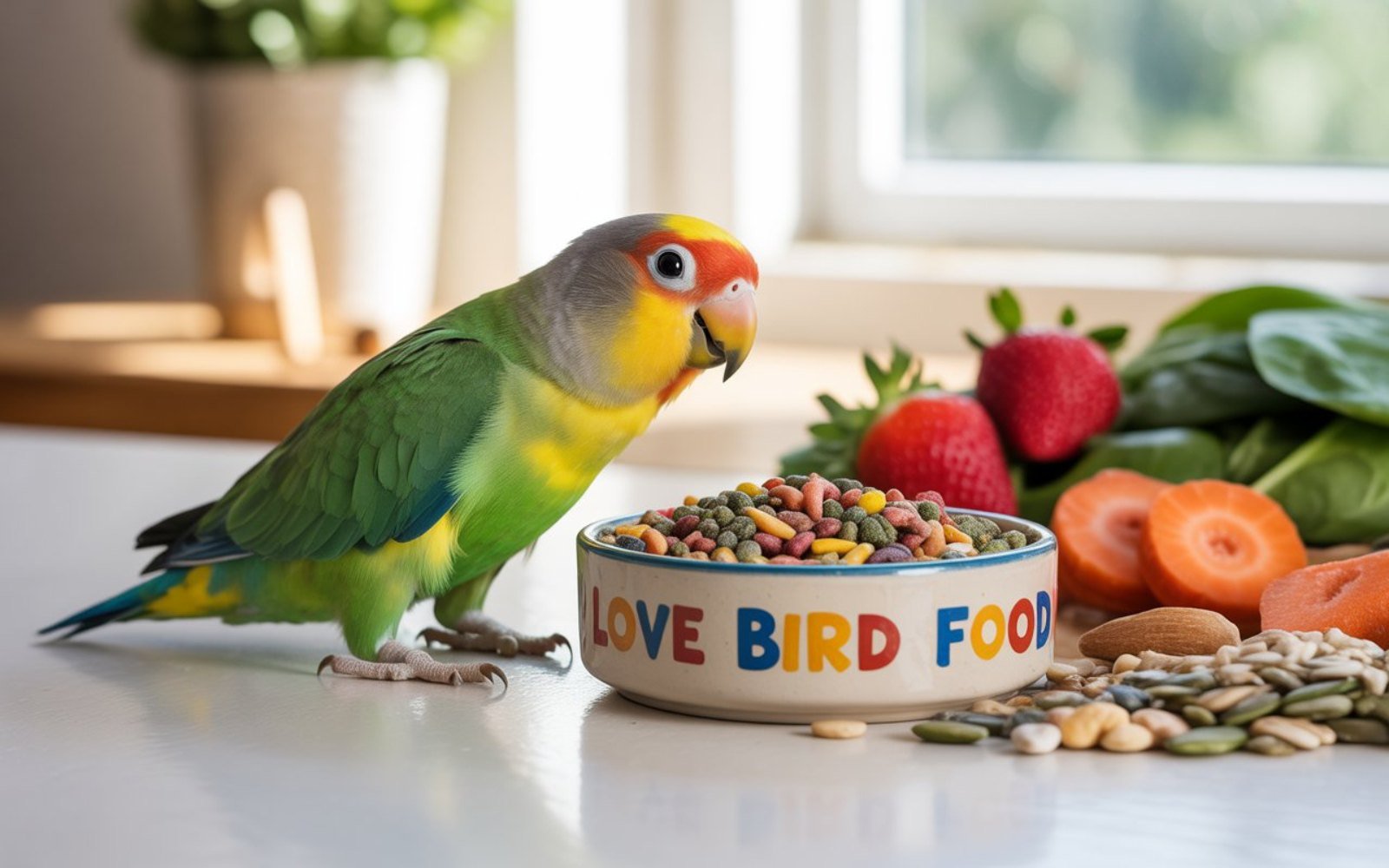
Feeding your lovebird the right way is not just about filling a bowl. It’s about building long-term health, energy, and trust. Choosing proper love bird food helps support digestion, feather quality, and overall happiness. Many owners unknowingly rely too much on seeds, which can lead to problems like obesity in pet birds and weak immunity. A balanced diet that includes safe fruits for lovebirds, fresh vegetables, and quality pellets mirrors what nature intended. When you understand pet bird nutrition, feeding becomes easier and more enjoyable. This guide helps you confidently select foods that nourish your lovebird while avoiding harmful mistakes that shorten lifespan and affect daily behavior.
Understanding the Natural Diet of Lovebirds
In the wild, lovebirds graze through grasslands and woodland edges, sampling seeds, buds, berries, and tender greens. This pattern explains why variety matters so much. A captive diet that mirrors nature supports bird lifespan and diet harmony and reduces boredom-related behaviors. When you understand the wild rhythm, you will make smarter choices for daily food for lovebirds.
At home, your role is to recreate diversity without danger. That means mixing pelleted bird food with fresh produce, modest seeds, and clean water. This approach strengthens bird health & nutrition, ensures steady hydration for pet birds, and supplies essential vitamins for lovebirds that nature once provided freely.

What Is the Favourite Food of Lovebirds?
Most lovebirds rush toward seeds first. They love crunch and familiarity. Favorites often include millet and sunflower, yet preference doesn’t equal nutrition. Overreliance can disrupt protein sources for lovebirds and cause fat gain, which shortens life.
A smarter strategy introduces favorites alongside healthier options. When you pair beloved seeds with fresh fruits for pet birds and greens, lovebirds learn balance. Over time, this improves bird digestive health and keeps excitement alive at mealtime.
Best Staple Foods for Lovebirds (Seeds vs Pellets)
Seeds alone can’t cover all needs. They lack consistent minerals, especially calcium for birds, and may spike fat intake. Quality pellets solve this by delivering balanced nutrition in each bite. The debate of lovebird pellets vs seeds ends when you blend both wisely.
Veterinarians across the USA often suggest pellets as the base. Seeds then become accents. This method supports steady energy, prevents selective eating, and improves bird lifespan and diet outcomes. Choose best bird food brands with clean labels and minimal dyes.
How to Choose the Right Staple Diet
Look for pellets made for small parrots. Avoid heavy coloring. Transition slowly to protect bird digestive health. Mixing old and new food over weeks helps acceptance and reduces stress.
Fruits That Are Safe for Lovebirds to Eat
Fruit adds moisture, fiber, and joy. Safe fruits for lovebirds include apples without seeds, berries, grapes, and melon. These fruits lovebirds can eat safely also boost hydration and natural antioxidants.
Fruit sugar adds up, so moderation matters. Treat fruit like dessert. Rotate choices from a bird-safe fruits list to avoid boredom and excess sweetness. This keeps pet bird nutrition balanced while honoring taste.
Fruit Serving Guide
| Fruit Type | Benefit | Frequency |
|---|---|---|
| Apples | Fiber support | Few times weekly |
| Berries | Antioxidants | Few times weekly |
| Melon | Hydration | Occasionally |
Vegetables Lovebirds Can Eat Daily
Vegetables anchor the diet. Vegetables lovebirds can eat include leafy greens, carrots, squash, and bell peppers. These healthy vegetables for lovebirds provide minerals missing from seeds.
Aim for variety and freshness. Rotate colors to cover nutrients. A bird-safe vegetables list helps avoid mistakes and supports bird health & nutrition daily.
Cooked vs Raw Vegetables
Light steaming can soften tough greens. Balance cooked vs raw vegetables for birds to preserve nutrients while aiding digestion.
Must Read: /toco-toucan-history/
Safe Nuts for Lovebirds (Occasional Treats)
Nuts deliver healthy fats and protein. Nuts lovebirds can eat include almonds and walnuts when raw and unsalted. These healthy nuts for lovebirds support feathers and energy.
Portion control matters. Too many fats can trigger obesity in pet birds. Offer nuts sparingly as bird treats for training to reinforce positive behavior.

Seeds Lovebirds Can Eat in Moderation
Seeds still matter. Seeds for lovebirds like millet provide comfort and enrichment. A balanced lovebird seed mix avoids dominance by one type.
Limit sunflower seeds for lovebirds (moderation) due to fat. Favor safe seeds for pet birds and rotate blends to support bird digestive health.
Seed Comparison Table
| Seed | Benefit | Note |
|---|---|---|
| Millet | Easy energy | Frequent |
| Safflower | Healthy fat | Moderate |
| Sunflower | Palatable | Rare |
Grains That Are Healthy for Lovebirds
Whole grains add fiber and minerals. Grains for lovebirds include brown rice, oats, and quinoa. These whole grains for pet birds support steady energy.
Cook grains plainly. Avoid salt and oil. Small portions enrich meals and strengthen pet bird nutrition.
Flowers That Are Safe for Lovebirds to Eat
Flowers provide enrichment and micronutrients. Edible flowers for birds like hibiscus and dandelion are popular. These safe flowers for lovebirds stimulate curiosity and natural foraging.
Always ensure pesticide-free sources. Flowers act as natural bird treats that enhance mental health and color variety.
Safe Herbs and Spices for Lovebirds
Herbs offer subtle health boosts. Herbs safe for lovebirds include basil and cilantro. Mild spices lovebirds can eat like turmeric can support immunity in tiny amounts.
A simple bird-safe herbs list helps guide choices. Some medicinal herbs for birds may soothe digestion, yet moderation keeps flavors gentle.
What Should Lovebirds Eat Every Day? (Ideal Daily Diet Plan)
Consistency builds trust. A balanced day includes pellets, vegetables, limited fruit, and clean water. This rhythm defines how to feed lovebirds responsibly.
Maintain a steady lovebird feeding schedule. Refresh bowls daily, ensure fresh water for birds, and practice cleaning bird food bowls to prevent bacteria.
Sample Daily Ratio Table
| Food Type | Share |
|---|---|
| Pellets | 60% |
| Vegetables | 25% |
| Fruits | 10% |
| Seeds/Treats | 5% |
Foods to Avoid for Lovebirds (Toxic & Harmful Foods)
Some foods are deadly. Toxic food for lovebirds includes avocado, caffeine, and alcohol. Avocados toxic to birds disrupt the heart. Chocolate dangerous for birds harms the nervous system.
Avoid human foods birds should avoid like salty snacks and fried items. Watch for harmful fruits for birds and unsafe vegetables for lovebirds to protect bird lifespan and diet.

Tips for Maintaining a Healthy Diet for Lovebirds
Rotate foods to prevent pickiness. Use bird food preparation tips to wash produce and cut safe sizes. Encourage play with foraging toys for birds to mimic wild habits.
Adjust diets across life stages. Food for baby lovebirds, diet for mature lovebirds, and lovebirds laying eggs diet all vary. Observe appetite and behavior to refine choices.
Conclusion
Feeding your lovebird a safe and balanced diet is one of the most important steps you can take for its health and happiness. When you choose the right foods, offer variety, and avoid harmful items, your lovebird stays active, bright, and full of life. A thoughtful feeding routine builds trust, supports long-term wellness, and helps your lovebird thrive every day.
Frequently Asked Questions About Lovebird Food
What food is best for lovebirds?
The best food for lovebirds is a balanced mix of quality pellets, fresh vegetables, limited fruits, and small amounts of seeds. This combination supports strong immunity, good digestion, and long-term health.
Do lovebirds eat rice?
Yes, lovebirds can eat rice when it is plain and fully cooked. Brown rice is better than white rice and should be offered occasionally, not every day.
What is homemade lovebird food?
Homemade lovebird food can include chopped vegetables, small portions of fruit, cooked grains, and a few seeds. Everything should be fresh, clean, and free from salt, sugar, or spices.
Can lovebirds eat apples every day?
Lovebirds should not eat apples every day. Apples are safe when seeds are removed, but they should be given only a few times a week due to natural sugar.
What can lovebirds not eat?
Lovebirds should not eat avocado, chocolate, caffeine, alcohol, onion, garlic, or salty and sugary foods. These items are toxic and can be life-threatening.
Which fruit is best for birds?
Berries are among the best fruits for birds because they are low in sugar and rich in antioxidants. Apples, papaya, and melon are also good when given in moderation.
Can lovebirds drink milk?
No, lovebirds should not drink milk. Birds cannot digest lactose, and milk can cause digestive upset and diarrhea.
Can lovebirds eat eggs?
Yes, lovebirds can eat eggs when they are fully cooked and plain. Small amounts provide protein, especially during breeding or molting periods.
How long can lovebirds go without food?
Lovebirds should not go without food for more than 24 hours. Because of their fast metabolism, missing meals can quickly lead to weakness or illness.
How to make simple bird food?
You can make simple bird food by mixing chopped vegetables, cooked grains, and a small number of seeds. Always use fresh ingredients and remove leftovers after a few hours.
How to tell if a lovebird is happy?
A happy lovebird is active, vocal, and curious. Signs include singing, playing with toys, relaxed feathers, and showing interest in food and interaction.