30 of the Most Colorful Birds on Earth
The world of colorful birds is a dazzling spectacle, full of creatures that seem painted by nature itself. From iridescent feathers that shimmer in the sunlight to rainbow tones decorating their wings, these flamboyant feathered friends are a feast for the eyes. Whether you are a seasoned birdwatching enthusiast or a curious observer in your backyard, the diversity of bright plumage found in tropical forests, woodlands, grasslands, and wetlands across North America, Central America, South America, Southeast Asia, and Africa is astonishing. These birds not only captivate with their colors but also display fascinating courtship rituals and behaviors that make their breeding season truly spectacular.
Many of these species are more than just ornamental. They play crucial roles in ecosystems by dispersing seeds, pollinating flowers, and controlling insect populations. Their survival is often threatened by habitat loss, hunting, and the ornamental bird trade, making conservation awareness essential. From the multicolored bill of the Keel-billed toucan (Ramphastos sulfuratus) to the electric-blue hues of the Violet sabrewing (Campylopterus hemileucurus), each bird tells a story of adaptation, survival, and beauty.
Tropical Toucans and Aracaris
The Keel-billed toucan (Ramphastos sulfuratus) is arguably one of the most iconic tropical birds. Native to southern Mexico, northern Colombia, and northwestern Venezuela, this species stands out with its enormous multicolored bill, which, despite its size, remains lightweight thanks to a hollow structure. Its mostly black body is accented by a bright yellow throat and cheeks, with flashes of red feathers under its tail. This striking appearance is not just for show; the bill helps the toucan feed on fruit, insects, small reptiles, tree frogs, and even bird eggs. During breeding season, its ornamental feathers attract mates, making it a true symbol of tropical beauty.
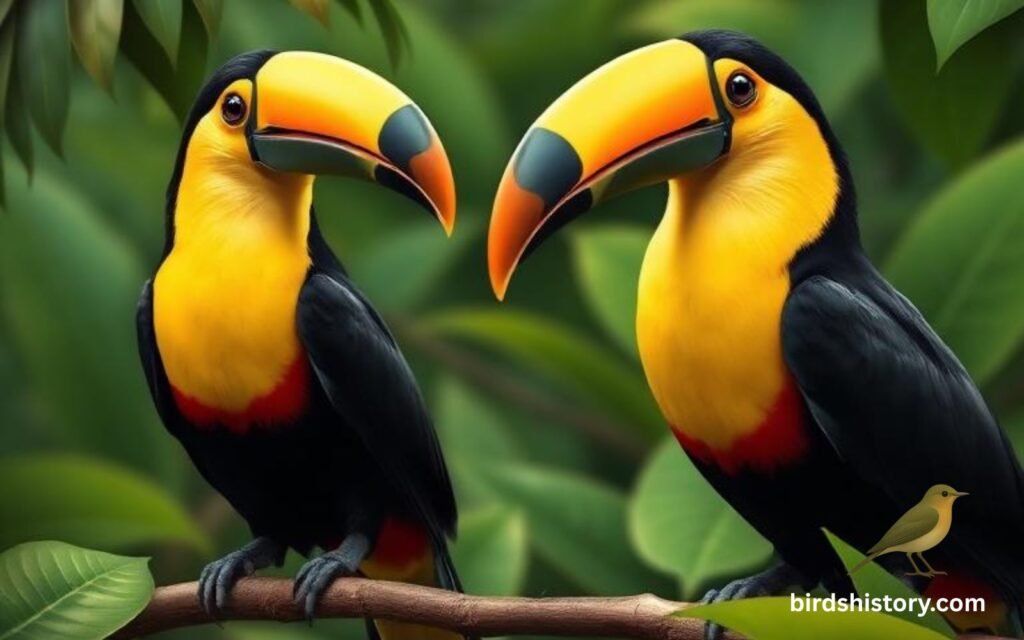
The Curl-crested aracari (Pteroglossus beauharnaesii) inhabits humid tropical forests across Bolivia, Brazil, and Peru. Perching on branches high above the forest floor, this small toucan displays a unique crown of curly feathers and a massive multicolored bill. Unlike its more vocal relatives, the Curl-crested aracari communicates with soft grunts and occasional yelps while foraging for fruit and occasionally raiding other birds’ nests. These flamboyant feathered friends provide an extraordinary spectacle for birdwatchers visiting the Amazon rainforest, blending vibrant coloration with fascinating social behavior.
Brilliant Hummingbirds
Hummingbirds are miniature marvels of nature, and the Fiery-throated hummingbird (Panterpe insignis) is a perfect example. Found in the forested highlands of Costa Rica and western Panama, its 4-inch body glows with iridescent feathers that fade from fiery orange at the throat to shimmering metallic-blue feathers on the crown. This species relies heavily on the nectar of flowers, but it also supplements its diet with tiny insects for protein. During breeding season, males perform dramatic mating displays, hovering in front of females while flashing every rainbow tone in their plumage to capture attention.
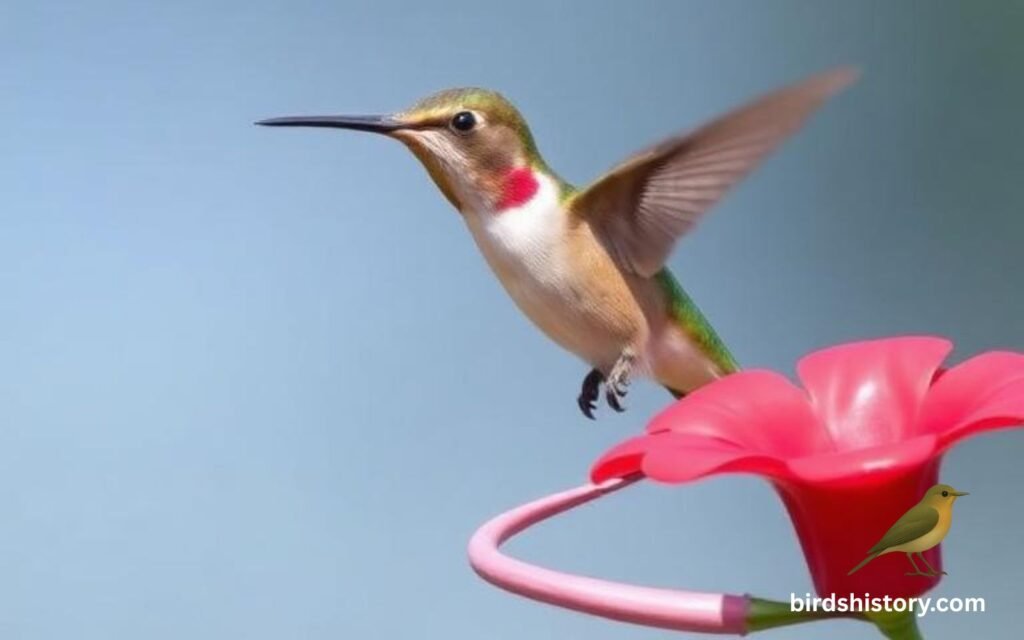
The Violet sabrewing (Campylopterus hemileucurus) is another hummingbird gem, native to Mexico and Central America. It is the largest species of hummingbird in this region, with iridescent feathers that shimmer violet and blue in sunlight. Both males and females feed on nectar of flowers, but males are distinguished by brighter iridescent feathers used in courtship rituals. Observers in the cloud forests of Central America are often mesmerized by their hovering flight and spectacular breeding displays, a perfect illustration of how colorful birds evolve both beauty and survival strategies.
Vibrant Finches and Tanagers
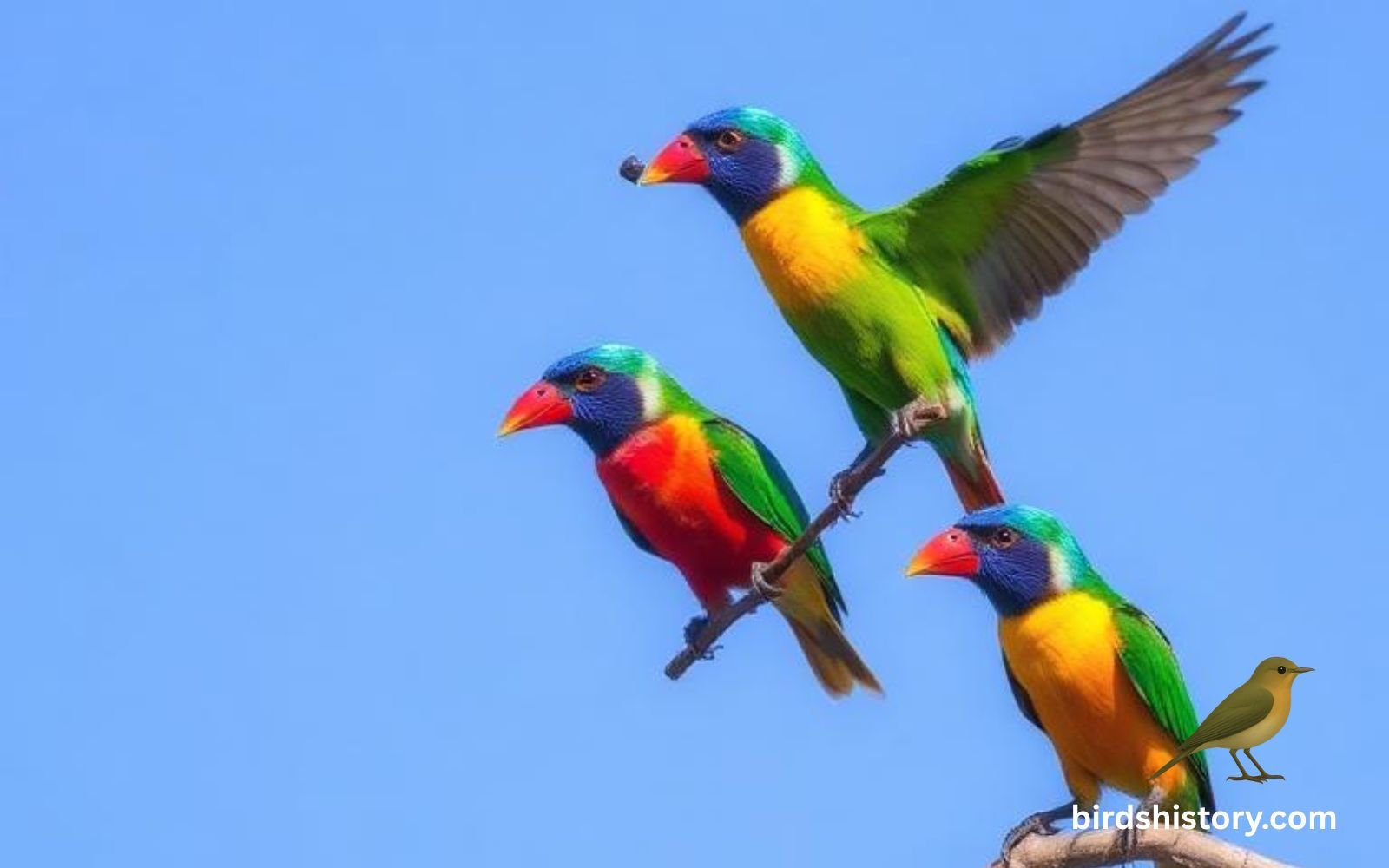
The Gouldian finch (Chloebia gouldiae), also called the rainbow finch, dazzles with a mix of bright green, turquoise, yellow, purple, and red hues. Native to northern Australia, it thrives in savannas, woodlands, and the edges of mangrove forests, often gathering in large flocks around water sources. This social bird feeds on seeds and insects, and males display remarkable ornamental feathers during the breeding season. Sadly, habitat loss and the ornamental bird trade have rendered it an endangered species, with fewer than 2,500 individuals remaining in the wild.
In the Amazon rainforest, the Paradise tanager (Tangara chilensis) stands out with its lime-green head, turquoise breast, and flashes of red or yellow at the tail base. Similarly, the Red-necked tanager (Tangara cyanocephala) inhabits eastern Brazil, Argentina, and Paraguay, displaying a scarlet nape, light purple crown, and green body. Both species feed on fruit and insects, and their vibrant colors play an essential role in courtship behavior, signaling health and vitality to potential mates. Observing these finches and tanagers in the canopy is a mesmerizing experience, highlighting the diversity of colorful birds in tropical forests.
Stunning Pheasants and Peafowl
The Indian peafowl (Pavo cristatus) is perhaps the most recognizable of all peafowl. Males boast a spectacular train of ornamental feathers covered in eyespots, which they spread during elaborate mating displays to woo females. Native to India, they now inhabit many parts of North America as ornamental birds in parks and gardens. These birds forage for fruit, insects, and small reptiles, and their dazzling appearance has inspired countless myths and artistic depictions across cultures.
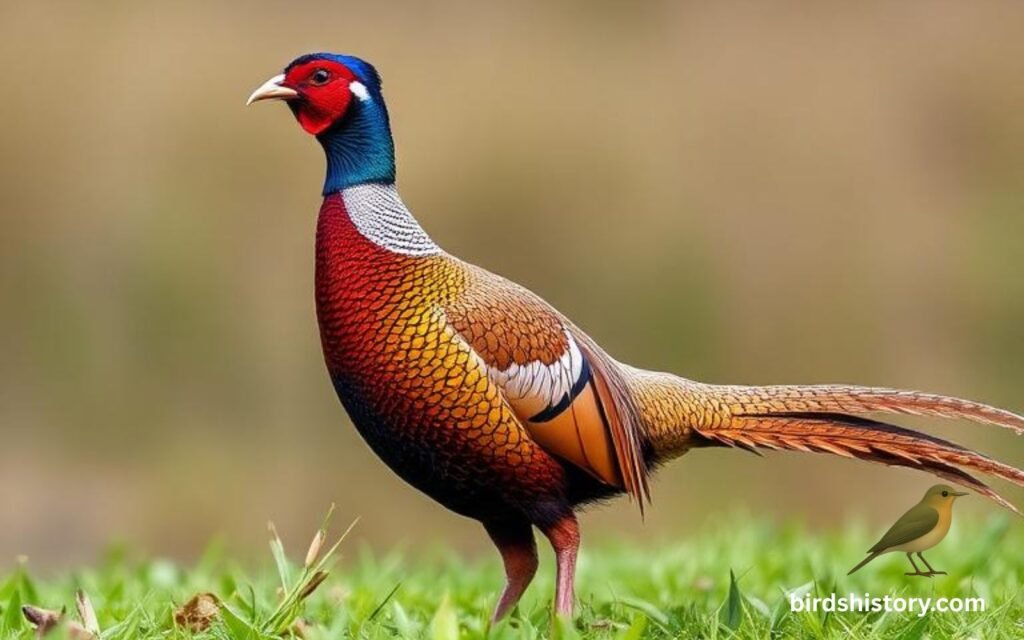
The Golden pheasant (Chrysolophus pictus), originally from China, is another breathtaking example of bright plumage. Males feature a golden crest, red underparts, and a striped orange-and-black neck, while females remain pale brown for camouflage. Introduced to the U.K. and Hawaii, they live in dense woodlands and display their ornamental feathers during courtship rituals. Both pheasants and peafowl demonstrate how evolution shapes both survival and spectacle, blending flamboyant feathered friends with ecological significance.
Exotic Parrots and Macaws
The Scarlet macaw (Ara macao) is a rainbow of bright plumage, native to Central America and parts of South America. Its vibrant red, blue, and yellow feathers make it a top attraction for birdwatchers and photographers. These large parrots and macaws are highly social, forming pairs that mate for life and performing complex courtship displays. Their diet includes fruit, seeds, and occasionally insects, supporting their energy-intensive displays.
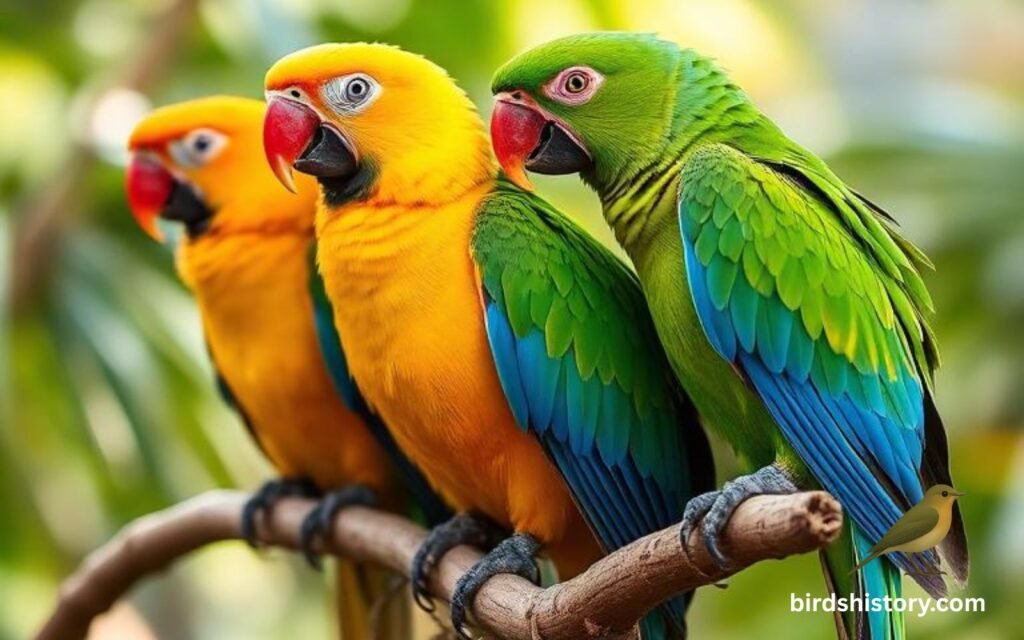
The Scarlet-chested parrot (Neophema splendida) from Australia is smaller but equally colorful, featuring a scarlet breast, blue head and wings, and yellow underparts. Similarly, the Rainbow lorikeet (Trichoglossus moluccanus) dazzles with a red bill, blue head, green back, and dappled orange breast. Both species rely on the nectar of flowers and fruit, making them essential pollinators in tropical forests and open agricultural areas. These parrots and macaws highlight the diversity of tropical birds and the intricate ways colorful birds use bright plumage to communicate.
Magnificent Birds of Paradise
The Wilson’s bird of paradise (Diphyllodes respublica), native to Indonesia, is a tiny bird with one of the most extraordinary mating displays in the avian world. The male’s iridescent cape, bright red back, and featherless crown of electric-blue skin make it a true showstopper during the breeding season. Females are drab in comparison, demonstrating sexual dimorphism, but both sexes participate in complex courtship behavior that fascinates scientists at the Academy of Natural Sciences, Philadelphia.
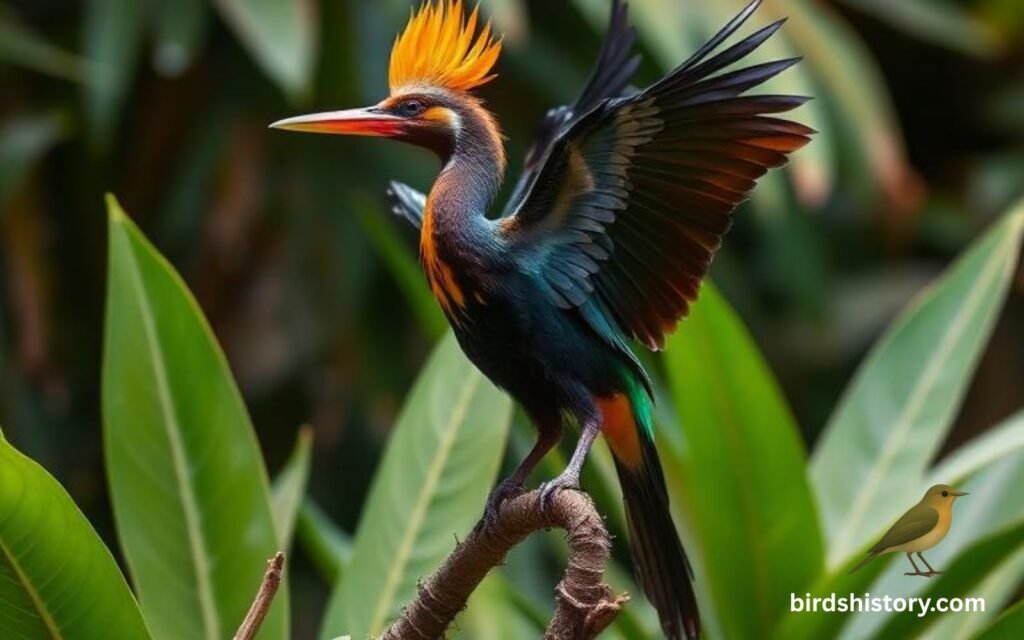
The Spangled cotinga (Cotinga cayana) inhabits the Amazon rainforest in Brazil, showing off magenta throats, bluish-black wings, and light-blue breasts to attract mates. These birds feed on fruit and insects and perch high in the canopy, making birdwatching challenging but rewarding. Their flamboyant feathered friends exhibit some of the most striking natural coloration on Earth, offering insight into evolution, sexual selection, and the ecological importance of tropical forests.
Striking Waterfowl
The Mandarin duck (Aix galericulata), native to the Far East, features orange cheeks, purple chest, and elaborate “sails” on its back. Introduced to the U.K. and parts of North America, it inhabits ponds and rivers, attracting photographers with its iridescent feathers and bright plumage. The Wood duck (Aix sponsa) is native to North America, with males showcasing emerald green crowns, red eyes, and a multicolored body. Both species forage for seeds, fruit, and small insects, and their striking colors play a role in courtship display during the breeding season.

The Nicobar pigeon (Caloenas nicobarica) of Southeast Asia and the Solomon Islands exhibits metallic-blue feathers with a mane of long neck feathers. Slightly larger than other pigeons, it represents a unique evolutionary link to the extinct dodo, according to Avibase. These waterfowl demonstrate how colorful birds evolve specialized traits for both attraction and survival, highlighting the connection between habitat, diet, and ornamental feathers.
Colorful Kingfishers and Bee-eaters
The Common kingfisher (Alcedo atthis), found across Europe, Asia, and North Africa, boasts a metallic-blue feathers back and coppery-brown breast. It perches on branches over rivers, diving to catch small fish, showing the functional aspect of its bright plumage. The Black-backed dwarf kingfisher (Ceyx erithaca), native to Southeast Asia, features a coral-red dagger-shaped bill, fuchsia crown, and pale-orange belly, often found away from water but still hunting small reptiles and insects.
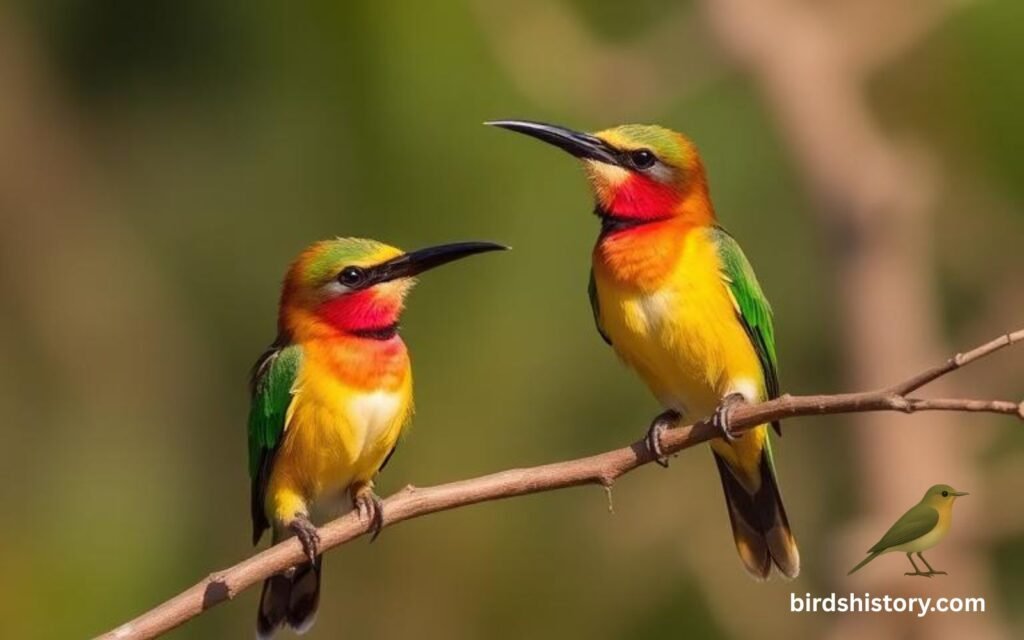
The Red-bearded bee-eater (Nyctyornis amictus) inhabits southern Myanmar, Thailand, Malaysia, Borneo, and Sumatra. With scarlet feathers stretching from its bill to belly and pink crown, it captures insects, especially bees, by stunning them against branches. Kingfishers and bee-eaters combine vibrant coloration with hunting efficiency, making them among the most fascinating tropical birds for birdwatching enthusiasts across continents.
Dazzling Rollers and Sunbirds
The Lilac-breasted roller (Coracias caudatus) of Eastern Africa is a spectacle in motion. Its wings flash turquoise, lilac, and green during flight, making it easy to spot in open agricultural areas and woodlands. Perching on branches, it surveys for insects, small reptiles, and crabs while performing intricate courtship displays during breeding season. Its colors aren’t just for beauty; they signal health and vitality to potential mates, a striking example of sexual dimorphism in colorful birds.
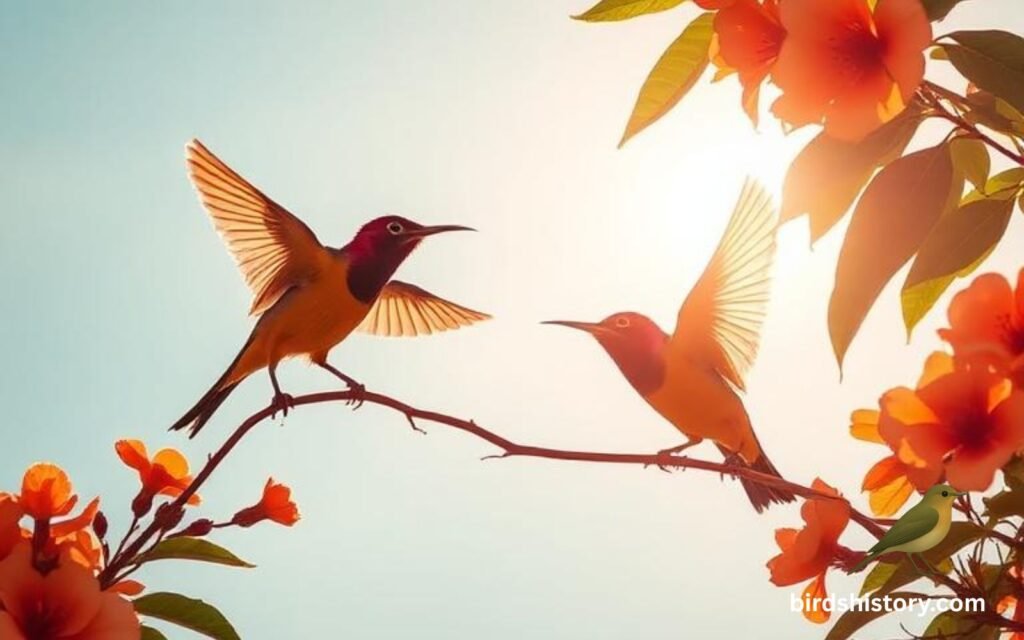
Sunbirds, such as the Crimson sunbird (Aethopyga siparaja) from Southeast Asia and Indonesia, rely on nectar of flowers for sustenance, occasionally supplementing their diet with insects. Males exhibit dazzling red, yellow, and metallic-green feathers, while females remain duller to blend into humid tropical forests. During courtship rituals, males hover or perform rapid flights near females, highlighting their ornamental feathers. Observing these flamboyant feathered friends reveals how evolution shapes beauty and survival simultaneously in tropical forests.
Bright Rosellas and Buntings
Australia hosts the Crimson rosella (Platycercus elegans), a bird with vibrant red head and chest, blue cheeks, and a green-and-blue back. These parrots thrive in forest edges, grasslands, and urban parks, feeding on seeds, fruit, and small insects. Their striking bright plumage plays a major role in courtship behavior, signaling maturity and vitality to mates. Similarly, the Painted bunting (Passerina ciris) in North America, especially along the Pacific coast of North America, flaunts electric blue heads, red underparts, and green backs. Males perform subtle mating displays on low branches during breeding season, making them highly sought after by birdwatching enthusiasts.
The presence of colorful birds like these is often tied to specific habitats. Rosellas prefer woodlands and forested highlands, whereas buntings occupy grasslands and open areas with scattered shrubs. Their diets consist mainly of seeds, but occasional insects supplement nutrition during the breeding season. Observers often notice the striking difference in male and female plumage, a classic case of sexual dimorphism that enhances the visual drama of these birds’ lives.
Tropical Quetzals and Spoonbills
The Resplendent quetzal (Pharomachrus mocinno) is a jewel of Central America, living in cloud forests of Costa Rica, Panama, and southern Mexico. Its emerald-green body, red belly, and flowing tail feathers make it a living rainbow. Feeding on fruit, small reptiles, and tree frogs, the quetzal plays a key role in seed dispersal, linking survival with ecological impact. Its elaborate courtship display and ornamental feathers attract females during the breeding season, making it a symbol of beauty and evolutionary strategy.
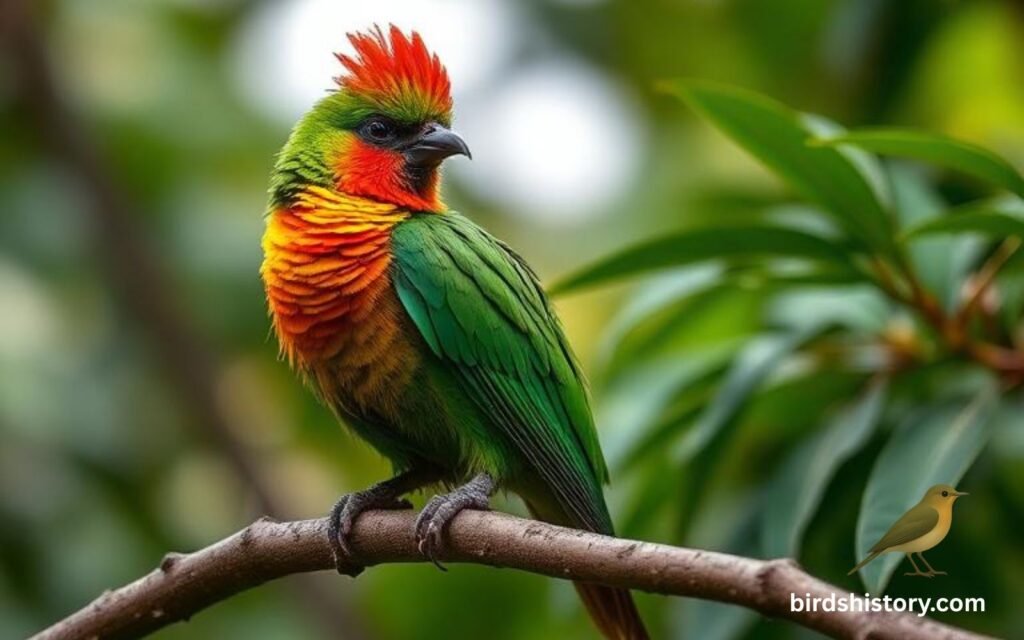
The Roseate spoonbill (Platalea ajaja) is another tropical marvel, found along the coasts of North America, South America, and the Amazon rainforest. Its bright pink plumage and long, spoon-shaped bill help it forage in shallow waters for crustaceans, small fish, and insects. The vivid pink coloration results from carotenoids in its diet, illustrating how bright plumage and survival intertwine. Both quetzals and spoonbills demonstrate how colorful birds combine diet, habitat, and courtship behavior to sustain life while dazzling human observers.
Unique African Beauties
Africa is home to some of the most flamboyant feathered friends on Earth. The Violet-backed starling (Cinnyricinclus leucogaster) of Eastern Africa features a dazzling violet back and head in males, while females remain pale for camouflage. Similarly, the Lilac-breasted roller (Coracias caudatus) perches on exposed branches, displaying rainbow hues while hunting insects and small reptiles. Vulturine guineafowl (Acryllium vulturinum), native to savannas, combines metallic-blue feathers with black and white speckling, creating a living mosaic in grasslands. These species engage in complex courtship rituals, where male plumage plays a critical role in attracting females during breeding season.
African birds’ sexual dimorphism is often pronounced, as seen in the Lilac-breasted roller, where males display brighter hues to signal health and vigor. Conservation efforts, led by organizations such as the American Bird Conservancy, aim to preserve these spectacular species in open agricultural areas, woodlands, and forested highlands. By protecting habitats and curbing the ornamental bird trade, Africa maintains a stunning diversity of colorful birds for future generations to admire.
Colorful Kingfishers and Bee-eaters
The Common kingfisher (Alcedo atthis), found across Europe, China, and parts of North Africa, dazzles with a metallic-blue back and orange chest. It perches on branches over streams, diving skillfully for small fish while displaying iridescent feathers that sparkle in sunlight. The Black-backed dwarf kingfisher (Ceyx erithaca) of Southeast Asia features a bright coral-red bill and fuchsia crown, hunting insects, crabs, and small reptiles in mangrove forests and forest edges.
Bee-eaters, such as the Red-bearded bee-eater (Nyctyornis amictus) in Southeast Asia, showcase flaming scarlet, pink, and orange plumage, capturing flying insects mid-air. Their mating display combines vocal calls, flight patterns, and exaggerated feather movements, demonstrating how bright plumage is intricately linked with reproductive success. Kingfishers and bee-eaters reveal how colorful birds blend hunting efficiency with spectacular displays, offering birdwatching enthusiasts unforgettable experiences in tropical forests, grasslands, and riverine habitats.