10 Birds That Mate for Life- Nature’s True Romantics
In the world of birds, some species form extraordinary partnerships that last a lifetime. Birds that mate for life demonstrate remarkable avian pair bonding, showing loyalty, cooperation, and dedication that ensure the survival of their young. These monogamous birds share responsibilities like biparental care, nest building and maintenance, and defending territories throughout the bird breeding season, creating a strong foundation for raising healthy bird nestlings and chicks.
From majestic raptors and predatory birds like Bald Eagles performing the iconic Bald Eagle cartwheel display to colorful songbirds and passerines such as Northern Cardinals pair bonds in your backyard, these partnerships showcase the incredible strategies of bird mating for survival. Even seabirds and waterbirds like the Laysan Albatross courtship dance and Atlantic Puffin billing behavior demonstrate loyalty across vast distances.
Why Do Birds Mate for Life? The Evolutionary Advantage
The primary reason birds form lifelong bonds lies in the demands of reproduction. Raising chicks successfully requires more than one parent. Biparental care ensures that eggs are incubated properly, food is delivered consistently, and nests remain safe from predators. This cooperation enhances survival odds for bird nestlings and chicks while reducing the risk of failure. Birds that pair for life develop efficient routines and communication systems, which allow them to work as a seamless unit during the bird breeding season. Established pairs spend less energy on finding a new mate each year and more on defending territories and raising healthy offspring, exemplifying a clear avian evolutionary strategy.
Additionally, maintaining a long-term partnership allows birds to retain prime nesting sites and food resources. Stable pairs often show strong bird nest site fidelity, returning to the same territory year after year. These bonds also reduce the frequency of costly mating displays and conflicts with rivals, providing a strategic advantage over single or changing partners. By sticking together, long-term bird pairs can survive harsh environmental conditions, raising more successful broods and demonstrating how bird mating for survival is intertwined with social and ecological pressures.

Top 10 Birds That Mate for Life
Here is a table of the most remarkable birds that mate for life, with their bird clutch size and unique behaviors:
| Bird Species | Average Clutch Size | Unique Behavior |
|---|---|---|
| Bald Eagle | 1-3 eggs | Bald Eagle cartwheel display during courtship |
| Laysan Albatross | 1 egg | Laysan Albatross courtship dance, mourns lost mates |
| Atlantic Puffin | 1 egg | Atlantic Puffin billing behavior, returns to same burrow |
| Mute Swan | 5-7 eggs | Mute Swan pairing and divorce, territorial defense |
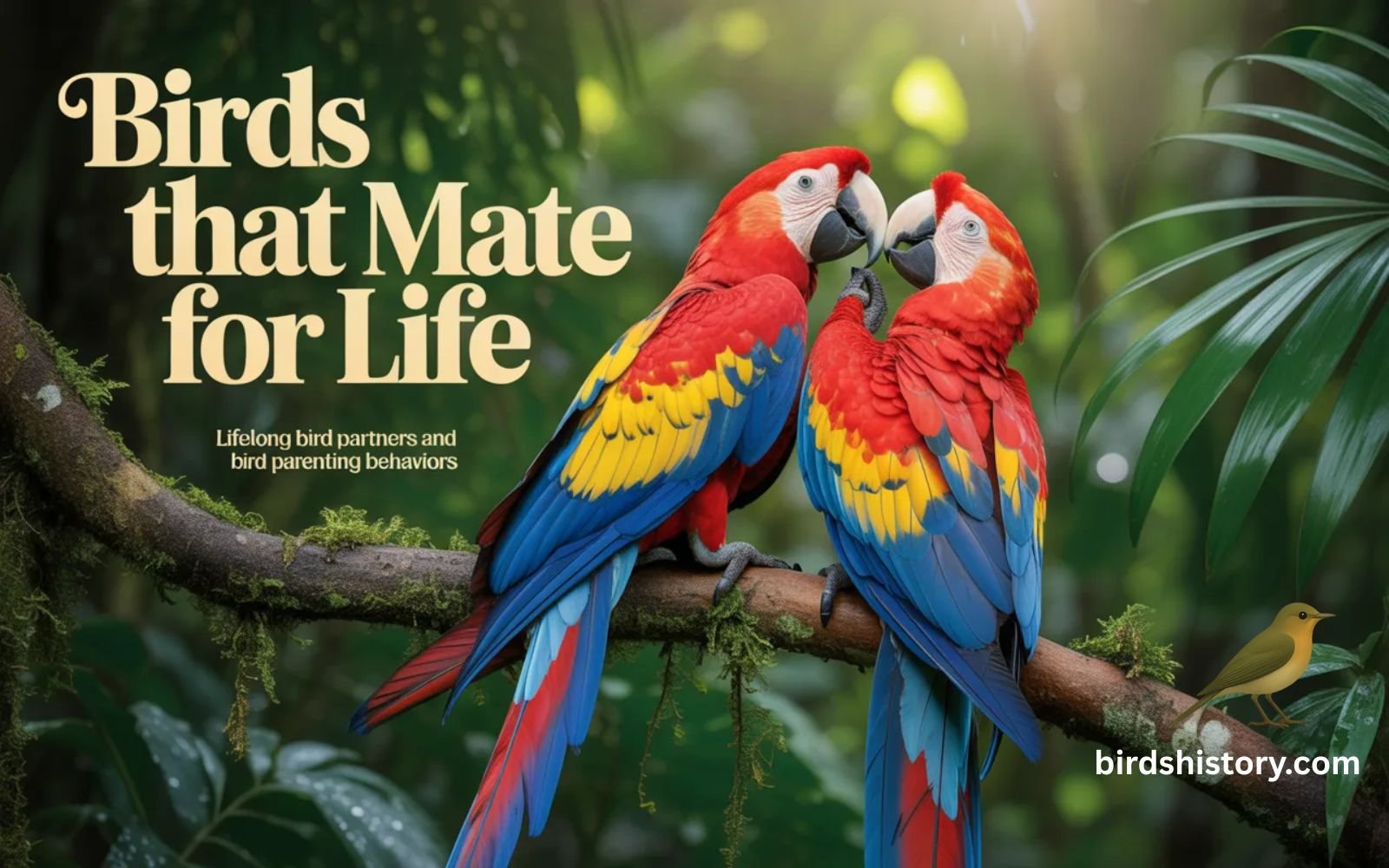
| Scarlet Macaw | 2-4 eggs | Scarlet Macaw lifespan and bonding, mutual preening |
| Whooping Crane | 2 eggs | Whooping Crane mating dance, elaborate display |
| California Condor | 1 egg | California Condor sexual maturity, slow to breed |
| Black Vulture | 2 eggs | Black Vulture mating behavior, nests on the ground |
| Northern Cardinal | 2-4 eggs | Northern Cardinal pair bonds, territory fidelity |
| Eastern Bluebird | 3-5 eggs | Eastern Bluebird cavity nesting, cooperative feeding |
These species illustrate the diversity of long-term bird pairs, the variety of bird mating for survival strategies, and the role of bird parental cooperation in ensuring the next generation thrives.
How Many Birds Mate for Life? A Global Perspective
Estimating the exact number of birds that mate for life is complex. Ornithologists have found that while most species engage in some form of social monogamy, only a subset maintains lifelong bird partners. Over 90% of birds show social monogamy, forming pairs for at least one breeding season, but long-term fidelity is less common. Among these, species such as Mute Swan, Albatross, and Bald Eagle demonstrate consistent long-term bonds that can last decades. Extra-pair copulation occurs in some socially monogamous species, but the pair bond often remains intact, showing that commitment is maintained despite occasional genetic infidelity.

Birds across different habitats show variations in monogamous behavior. Seabirds and waterbirds, such as albatrosses, may travel thousands of miles but return to the same partner each season, reinforcing their avian pair bonding. Meanwhile, songbirds and passerines often reunite on the same territory if both survive migration. Raptors and predatory birds also display long-term fidelity, especially when territory defense in birds is crucial for survival. This global picture highlights that birds that mate for life are widespread and that their behaviors are shaped by ecological demands and evolutionary pressures rather than emotion alone.
The “Lifelong” Caveat: Divorce, Widowhood, and Re-pairing
While the term “mate for life” suggests permanence, these bonds are not unbreakable. In many species, relationships end due to death, repeated breeding failures, or environmental disruptions. For example, Mute Swan pairing and divorce occurs occasionally when breeding success is low. Surviving partners often re-pair, with females seeking new mates more quickly than males, illustrating adaptive flexibility in long-term bird pairs. Such adjustments help maintain reproductive success in challenging conditions, showing that fidelity is often balanced with practicality in the wild.
Even in iconic species like Laysan Albatross courtship dance, pairs may enter a mourning period if a mate dies before resuming courtship. Birds demonstrate impressive resilience, often engaging in bird parenting behaviors and territory defense in birds with new partners once bonding resumes. These scenarios emphasize that while lifelong bird partners aim for stability, survival and reproductive success often guide their decisions, blending instinct, strategy, and social dynamics in complex ways.
Birds of Prey That Mate for Life
Raptors and predatory birds, including Bald Eagle cartwheel display, California Condor sexual maturity, and Black Vulture mating behavior, are notable examples of monogamous birds forming long-term bonds. These lifelong bird partners often maintain territories year-round, engaging in cooperative hunting and defense. Courtship rituals, such as aerial displays and synchronized flight patterns, strengthen bonds while signaling fitness to rivals. Nesting responsibilities are shared, and pairs often return to the same eyrie or cliffside, demonstrating remarkable bird species fidelity and biparental care.
The commitment of raptors extends to raising bird nestlings and chicks, with parents coordinating feeding and protection. Even after temporary separation during migration, many raptor pairs reunite at the same nesting site, continuing their avian pair bonding. Observing these birds offers a rare glimpse into the dedication and strategic planning involved in bird mating for survival. Raptors are not only majestic but also practical in their partnerships, balancing reproductive success with territorial dominance.
Seabirds & Waterbirds That Form Lifelong Bonds
Seabirds and waterbirds, such as Atlantic Puffin billing behavior, Albatross courtship dance, and Mute Swan pairing and divorce, demonstrate some of the most fascinating examples of lifelong commitment in nature. Many of these species must navigate vast distances during migration yet return faithfully to the same mate. Their courtship rituals involve complex dances, vocalizations, and synchronized behaviors that reinforce trust and cooperation. This fidelity ensures successful bird parenting behaviors, especially in harsh environments where cooperation is critical for chick survival.

Species like Canada Geese, Whooping Crane mating dance, and Trumpeter Swans exhibit exceptional dedication to long-term bird pairs. Nesting success often depends on biparental care and shared defense of vulnerable territories. The combination of loyalty, ritualized bonding, and cooperative parenting shows how these monogamous birds balance social interaction, survival, and reproduction in remarkable ways. Even in urban environments, observing these behaviors provides insight into the intricate lives of seabirds and waterbirds.
Songbirds and Other Monogamous Birds
Among the most charming of monogamous birds are songbirds and passerines, including species like Northern Cardinal pair bonds, Eastern Bluebird cavity nesting, and Black-capped Chickadee winter flock bonds. These birds display remarkable avian pair bonding, often reuniting on the same territory each breeding season and engaging in coordinated bird parenting behaviors. The male may sing duets with the female or feed her during courtship, reinforcing trust and strengthening the partnership. Even when extra-pair copulation occurs, social bonds typically remain intact, showing a balance between reproductive flexibility and the stability of long-term bird pairs.
Other notable examples include corvids, such as crows and ravens, which demonstrate intelligence, cooperative care, and complex communication to maintain partnerships. These lifelong bird partners defend territories, feed offspring together, and may even help raise the young of relatives in cooperative breeding systems. Observing these songbirds and passerines highlights the subtle intricacies of courtship rituals, territorial fidelity, and bird mating for survival, reminding birdwatchers that loyalty in the avian world often involves strategy, teamwork, and remarkable patience.
Garden & Backyard Birds Known for Long-term Pairing
For bird enthusiasts in the USA, observing backyard birds that exhibit lifelong fidelity is a rewarding experience. Species like Mourning Dove preening, House Finch monogamy, Blue Jay cooperative breeding, and European Starling cavity nesting often form strong long-term bird pairs, defending territories and sharing nesting duties throughout the year. Watching these birds during bird breeding season offers an intimate view of avian pair bonding in action, from preening rituals to synchronized feeding and vigilant territory defense in birds.
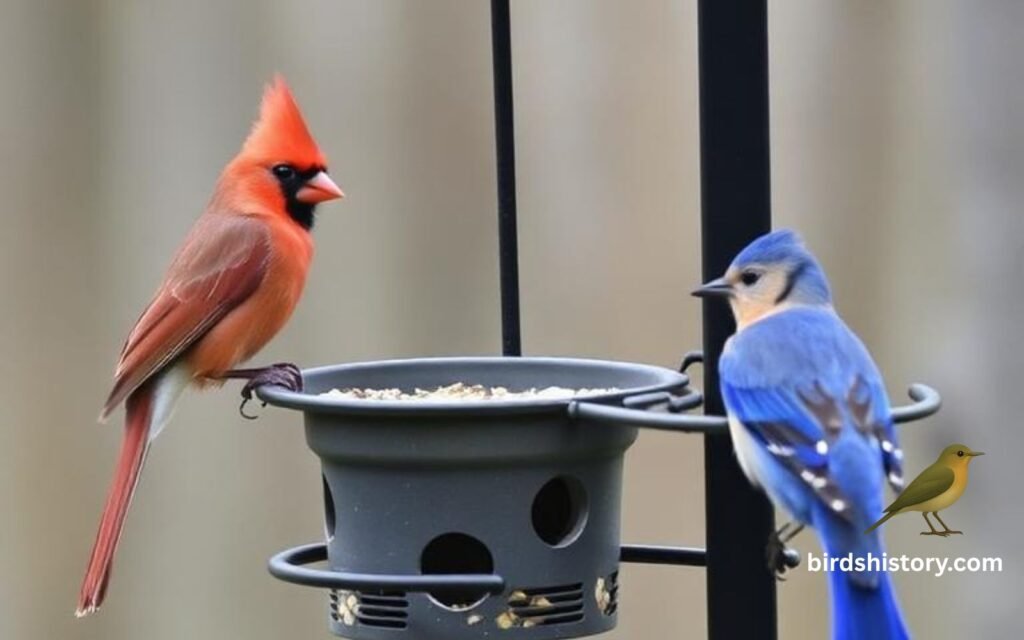
Even smaller backyard residents such as Carolina Wrens or Northern Cardinals display enduring fidelity. Northern Cardinal pair bonds can last multiple seasons, and the pair’s coordination in feeding young demonstrates remarkable bird parental cooperation. Birdwatchers can enhance these observations by providing safe nesting sites or feeders, allowing for insight into bird species fidelity and the subtle rituals that reinforce lifelong partnerships. These interactions show that birds that mate for life aren’t limited to wilderness habitats—they thrive even in human-dominated landscapes.

How Birds Maintain Their Lifelong Bonds
Maintaining a long-term partnership requires constant attention, synchronization, and dedication. Birds use courtship rituals, feeding behaviors, and shared nest building and maintenance to reinforce bonds. Species such as Scarlet Macaw lifespan and bonding and Laysan Albatross courtship dance engage in ritualized behaviors that solidify trust, including synchronized dances, mutual preening, and coordinated defense of territory. These actions strengthen avian pair bonding, ensuring that both partners remain aligned in parenting and survival goals.
Cooperation extends into parenting responsibilities, where biparental care is essential for raising healthy offspring. Birds communicate through calls, gestures, and feeding cues to coordinate bird nestlings and chicks care, often anticipating each other’s actions. Through these behaviors, lifelong bird partners maintain loyalty and productivity, showcasing how long-term commitment improves reproductive success. Such interactions highlight the intricate connections between bird mating for survival, evolutionary strategy, and behavioral sophistication.
Fascinating Facts About Monogamous Birds
Monogamous birds display a wide array of extraordinary traits. Bald Eagle cartwheel display is an iconic aerial courtship ritual that signals strength and coordination, while Atlantic Puffin billing behavior ensures long-term attachment between partners. Many birds, including Mute Swan pairing and divorce, balance fidelity with practical survival strategies, adapting to mate loss or environmental changes. Lifespan plays a role too: Scarlet Macaw lifespan and bonding can extend over three decades, allowing for prolonged and deeply synchronized avian pair bonding.
Breeding patterns reveal more surprises. Clutch sizes vary, from the single-egg investment of a California Condor sexual maturity to the multiple eggs of Mute Swans. Even small songbirds, like Eastern Bluebird cavity nesting, maintain dedicated territories and return to the same nests for years. These bird species examples illustrate how long-term fidelity is linked to survival, reproductive success, and social stability. Every bird mating for survival strategy, from ritual dances to cooperative care, demonstrates a combination of instinct, intelligence, and evolutionary refinement.
What Humans Can Learn From Birds That Mate for Life
The lives of birds that mate for life offer lessons for humans about loyalty, cooperation, and long-term commitment. Observing bird species fidelity, shared bird parenting behaviors, and strategic territory defense shows that stable partnerships enhance survival and efficiency. Just as birds divide duties for raising offspring, humans can benefit from cooperation in relationships and shared responsibilities, drawing inspiration from nature’s most dedicated lifelong bird partners.
Moreover, these birds demonstrate the value of ritual, communication, and consistency. Watching songbirds and passerines, or even raptors and predatory birds, perform mating displays or defend territories together, underscores the importance of trust and shared goals. The subtle art of maintaining relationships in the animal kingdom provides a mirror for human society, where long-term collaboration, adaptability, and patience can lead to success and fulfillment.

Conclusion
The enduring bonds of birds that mate for life highlight a perfect blend of strategy, cooperation, and natural beauty. These long-term bird pairs rely on each other for bird parenting behaviors, territory defense in birds, and raising strong bird nestlings and chicks, proving that stability enhances reproductive success. Rituals such as the Whooping Crane mating dance, Scarlet Macaw lifespan and bonding, and Mute Swan pairing and divorce reinforce trust while navigating environmental challenges.
From the dramatic Bald Eagle cartwheel display to subtle Mourning Dove preening, each species illustrates unique ways of maintaining fidelity, even when extra-pair copulation occurs. Observing these monogamous birds, whether in the wild or during backyard birdwatching, offers lessons in cooperation, patience, and dedication. Ultimately, these lifelong bird partners remind us that survival, reproduction, and enduring companionship are intertwined, showcasing the elegance of nature’s design and the wisdom of forming lasting bonds.
FAQs About Birds That Mate for Life
Which birds in the USA mate for life?
Some of the most notable species include Bald Eagle, Northern Cardinal pair bonds, American Robins, Blue Jays, and House Finches monogamy. These birds demonstrate consistent avian pair bonding year after year.
Do all birds that mate for life stay faithful?
Most monogamous birds maintain lifelong social bonds, but extra-pair copulation can occur. Despite occasional infidelity, long-term bird pairs usually cooperate in bird parenting behaviors and territory defense.
How can I observe lifelong bird bonds in my backyard?
Use feeders and nest boxes to watch backyard birds like Mourning Doves and Eastern Bluebirds cavity nesting. Look for preening, shared feeding, and synchronized nest defense to witness bird species fidelity firsthand.
Why do birds choose one mate for life?
Forming stable pairs increases survival and reproductive success. Through biparental care, coordinated nest building and maintenance, and shared defense of prime territories, lifelong bonds improve the chances of raising healthy offspring.
Do backyard birds in the USA form long-term pair bonds?
Yes, species like Blue Jays, House Finches, Northern Cardinals, and Carolina Wrens exhibit strong avian pair bonding, returning to the same territories and often rearing multiple broods with the same mate.